Category Archives: Microbiology

RASFF Alert- Animal Feed – Enterobacteriaceae – Poultry Meal

RASFF

Exceeded parameter for Enterobacteriaceae in poultry meal from the UK in Netherlands and Belgium

RASFF Alerts- Animal Feed – Mold/Mould – Beet Pulp – Wheat Bran Pellets – Wheat

RASFF

Mold in beet-pulp from Ukraine in Poland

RASFF

Wheat bran pellets for animal feed with molds and moisture from Angola in Portugal

RASFF

Wheat bran pellets for animal feed with molds and moisture from Angola in Portugal

RASFF

Wheat bran pellets for animal feed with molds and moisture from Angola in Portugal

RASFF

Mold in wheat from Ukraine in Poland and the Czech Republic

Viet Nam – Seventy children hospitalized in Nghe An, food poisoning suspected

Vietnamnet

More than 70 children aged from three to five from a preschool in the central province of Nghe An were rushed to hospitals after eating a snack on the evening of May 9.

Doctors at a general hospital in Do Luong District said the hospital admitted more than 70 children with symptoms of vomiting, stomach pain, diarrhea and dehydration.

They suspected that the children were food poisoned and that the yogurt was suspected as the cause of the incident, as many other two-year-old kids who did not eat the yogurt were well, the local media reported.

All of the children are rehydrated and in stable condition, and an investigation into the incident is underway.

India – Two sisters die of suspected food poisoning in Rajasthan

The Print

Jaipur, May 9 (PTI) Two girls died and their parents and a sister fell ill due to suspected food poisoning in Rajasthan’s Jhunjhunu district, police said on Monday.

The family members started vomiting after taking dinner on Monday night. When their condition deteriorated, locals took them to a hospital early Tuesday, Station House Officer of Gudha police station Veer Singh said.

Two girls Lakshya (8) and Tanishka (6) were declared brought at the hospital, he said, adding their father Buti Ram Meghwal (35), mother Anita (32) and sister Tanuja (11) are undergoing treatment.

The police officer said food samples have been collected for examination.

The postmortem of bodies has been conducted, he said. PTI SDA AQS AQS

USA – Dave’s Sushi Turns Deadly: “2 have died, and another 30 injuries reported”

Food Poisoning News

Patrons of Dave’s Sushi, who ate at the establishment between March 31 and April 17th, may have been exposed to a deadly pathogen – as yet unidentified – but possibly in the Morel Mushrooms it served. The restaurant has released a statement:

“Upon being contacted by guests on Mon, April 17 about a potential issue, we stopped serving the morel mushrooms which were a specialty food item not on our regular menu and contacted the Gallatin City-County Health Department.”

While not certain, the mushrooms were served only at Dave’s in Montana – the Department of Public Health and Human Services (DPHHS) stated: “The DPHHS investigation has determined that the morel mushrooms served at the restaurant were not distributed to any other restaurants or businesses in Montana. The mushrooms were cultivated in China, shipped to a distributor in California, and subsequently sent to multiple states. There are no known associated illnesses in other states identified at this time.

As of date, two patrons have passed away due to the exposure, and as many as 30 have become ill – some have required hospitalization. The victims all seem to have become ill within a half hour (30 minutes) to four and one half hours (270 minutes) after consumption of the sushi served with the specialty item Morel Mushrooms.

USA- FDA -Investigations of Foodborne Illness Outbreaks Update

FDA

What’s New

  • For the outbreak linked to morel mushrooms (ref #1152), the case count has increased from 30 cases to 41 cases.
  • For the outbreak of hepatitis A virus (ref #1143), cases have increased from 8 to 9. This change has been made on the advisory for this outbreak.
Date
Posted
Ref Pathogen
or
Cause of
Illness
Product(s)
Linked to
Illnesses

(if any)
Total
Case
Count

Status
4/26/2023 1152 Not Yet Identified Morel Mushroom
(suspect)
41 Active
3/29/2023 1141 Salmonella Infantis Raw Flour See
Outbreak
Advisory
Active
3/1/2023 1143 Hepatitis A Virus Frozen Organic
Strawberries
See
Outbreak
Advisory
Active
2/15/2023 1123 Listeria
monocytogenes
Not Yet
Identified
See
CDC
Investigation
Notice
Active

Dutch farm owner, manager up on charges of selling contaminated eggs; one man died – Salmonella

Food Safety News

Two people in the Netherlands have been accused of knowingly selling eggs contaminated with Salmonella.

The case at Zwolle District Court covers events in 2017 and involves the duo, who were owner and manager of a farm at the time.

The Public Prosecution Service (OM) believes Salmonella findings were hidden for financial reasons. The defendants deny knowing about the contamination.

New Zealand – Shellfish biotoxin alert – North Island

MPI

North Island warning

Reason for alert Paralytic Shellfish Poisoning (PSP)

Date warning issued 10 May 2023

Media release

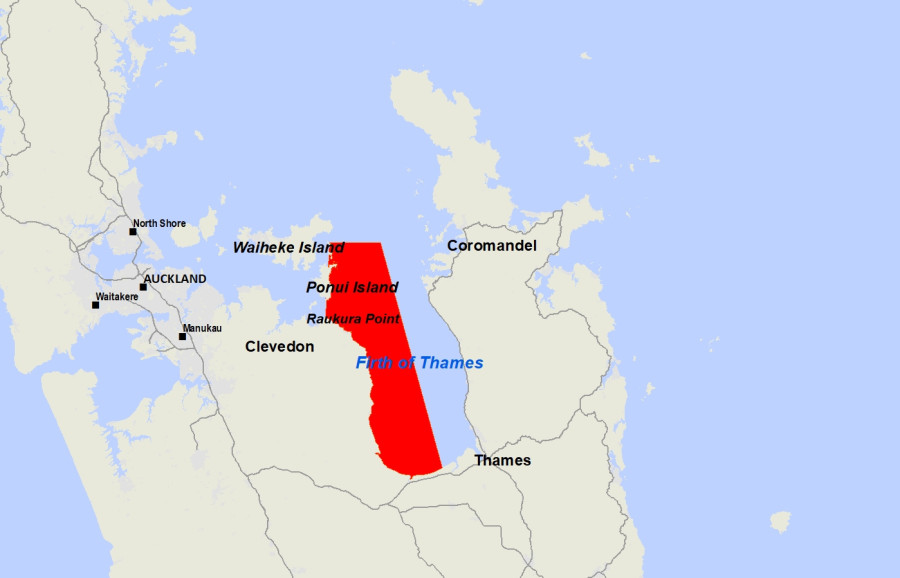
Affected area Western side of the Firth of Thames.
Shellfish affected Mussels, oysters, tuatua, pipi, toheroa, cockles, scallops, catseyes, kina (sea urchin) and all other bivalve shellfish.

Note, cooking shellfish does not remove the toxin.

Pāua, crab and crayfish may still be eaten if the gut has been completely removed prior to cooking, as toxins accumulate in the gut. If the gut is not removed its contents could contaminate the meat during the cooking process.

Symptoms Symptoms typically appear between 10 minutes and 3 hours after ingestion and may include:

  • numbness and a tingling (prickly feeling) around the mouth, face, and extremities (hands and feet)
  • difficulty swallowing or breathing
  • dizziness
  • headache
  • nausea
  • vomiting
  • diarrhoea
  • paralysis and respiratory failure and in severe cases, death.
Other information Paralytic shellfish toxins have been detected in shellfish from the Kaipara Harbour at levels over the safe limit of 0.8mg/kg set by MPI. Ongoing testing will continue and any changes will be communicated accordingly.

Map of the affected area

Map of affected area from the western half of the Firth of Thames.

Public warnings about toxic shellfish

We test shellfish and seawater for toxic algae every week from popular shellfish gathering areas around New Zealand. If the shellfish are not safe to eat, we issue public health warnings and put up signs at affected beaches.

Australia – Hepatitis A cases linked to café in Australian state

Food Safety News

Officials in Australia have issued a health alert after two hepatitis A cases were recently linked to a café.

The Department of Health in the state of Victoria said there was a risk of further locally acquired cases being reported in the coming weeks. No information was provided about the patients or if illness was caused by a contaminated food or food handler.

People who had food from Creatures of Habit café in the city of Springvale in Melbourne were advised to be aware of the symptoms of hepatitis A infection.

The café is located in the Springvale Homemaker Centre. A clean-up of the restaurant has been undertaken and there is no longer a risk to the public, according to officials. There are no other venues at the center implicated.

USA – White cheese queso recalled over inadequate pasteurization

Food Safety News

Pool Forge Dairy, of East Earl, PA, is recalling certain white cheese queso because of the possible risk of pathogen contamination due to inadequate pasteurization.

According to the information posted online by the Food and Drugs Administration (FDA), the recall was initiated on March 14 and is ongoing.

The recalled products were distributed in New Jersey.

Recalled product:

  • White Cheese Queso Blanco Delicias del Campo Queso Blanco White Cheese Net Wt. 1lb (453g)
  • UPC: 7 69602 55441 9 White Cheese also packaged in Pool Forge Dairy LLC labeling
  • The product is vacuum packaged in plastic and in a plastic container with a press-on lid
  • Sell-by dates are Jan. 7 to March 28, 2023

Consumers who purchased the recalled product should immediately dispose of it and not consume it.