Brand : Cooperativa Pescatori Arborea
Name : Heart clams (Cerastoderma spp)
Reason for reporting : Recall due to chemical risk
Publication date : 8 June 2024


Brand : Cooperativa Pescatori Arborea
Name : Heart clams (Cerastoderma spp)
Reason for reporting : Recall due to chemical risk
Publication date : 8 June 2024
Posted in Diarrhoeic Shellfish Poisoning, DSP, food contamination, food handler, Food Hazard, Food Hygiene, Food Inspections, Food Micro Blog, Food Microbiology, Food Microbiology Blog, Food Microbiology Testing, Food Poisoning, Food Quality, food recall, Food Safety, Food Safety Alert, Food Safety Management, Food Safety Regulations, Food Testing, Food Toxin, Lipophilic Marine Biotoxin, Marine Biotoxin, okadaic acid, Shellfish, shellfish toxin
Brand : Consorzio Cooperative della Pesca “Marceddì”
Name : Arselle cuore – Vongole veraci Marceddi’
Reason for reporting : Recall due to chemical risk
Publication date : 8 June 2024
Brand : Cooperativa Pescatori Arborea)
Name : Local clams (Ruditapes decussatus)
Reason for reporting : Recall due to chemical risk
Publication date : 8 June 2024
Posted in Algal Toxin, Diarrhoeic Shellfish Poisoning, DSP, food contamination, food handler, Food Hazard, Food Hygiene, Food Inspections, Food Micro Blog, Food Microbiology, Food Microbiology Blog, Food Microbiology Testing, Food Poisoning, Food Quality, food recall, Food Safety, Food Safety Alert, Food Safety Management, Food Safety Regulations, Food Toxin, Food Virus, Lipophilic Marine Biotoxin, Marine Biotoxin, okadaic acid
June 5, 2024
Certain oysters and bay clams harvested from OR growing areas in Netarts Bay and Tillamook Bay, harvested on or after 5/28/24, and shellfish species from growing areas in Willapa Bay, WA: Stony Point, harvested between 5/26/24 and 5/30/24; Bay Center, harvested between 5/29/24 and 5/30/24; and Bruceport, harvested between 5/29/24 and 5/30/24. The shellfish were distributed to restaurants and retailers in AZ, CA, CO, HI, NV, NY, OR, and WA and may have been distributed to other states as well.
The FDA is advising restaurants and food retailers not to serve or sell and to dispose of, and consumers not to eat, oysters and bay clams harvested from growing areas in Netarts Bay and Tillamook Bay, OR harvested on or after 5/28/24, and all shellfish species from growing areas in Willapa Bay, WA: Stony Point, harvested between 5/26/24 and 5/30/24; Bay Center, harvested between 5/29/24 and 5/30/24; and Bruceport, harvested between 5/29/24 and 5/30/24, and distributed to AZ, CA, CO, HI, NV, NY, OR, and WA because they may be contaminated with the toxins that cause paralytic shellfish poisoning (PSP).
Molluscan shellfish contaminated with natural toxins from the water in which they lived can cause consumer illness. Most of these toxins are produced by naturally occurring marine algae (phytoplankton). Molluscan shellfish consume the algae which causes the toxins to accumulate in the shellfish’s flesh. Typically, contamination occurs following blooms of the toxic algal species; however, toxin contamination is possible even when algal concentrations are low in certain instances. One of the recognized natural toxin poisoning syndromes that can occur from consuming contaminated molluscan shellfish is paralytic shellfish poisoning (PSP).
PSP is caused by neurotoxins also referred to as saxitoxins or paralytic shellfish toxins (PSTs). Shellfish can retain the toxin for different lengths of time. Some species cleanse themselves of toxins rapidly, whereas others are much slower to remove the toxins. This lengthens the period of time they pose a human health risk from consumption.
Food containing PSTs may look, smell, and taste normal. These toxins cannot be removed by cooking or freezing. Consumers of these products who are experiencing symptoms of illness should contact their healthcare provider and report their symptoms to their local Health Department.
Posted in Algal Toxin, FDA, food contamination, food handler, Food Hazard, Food Hygiene, Food Inspections, Food Micro Blog, Food Microbiology, Food Microbiology Blog, Food Microbiology Testing, Food Poisoning, Food Quality, food recall, Food Safety, Food Safety Alert, Food Safety Management, Food Safety Regulations, Food Testing, Food Toxin, Lipophilic Marine Biotoxin, Marine Biotoxin, paralytic shellfish poisoning, PSP, shellfish toxin
ASP toxins in scallop shell from UK in France
Posted in Amnesic Shellfish Poisoning, ASP, food contamination, food handler, Food Hazard, Food Hygiene, Food Inspections, Food Micro Blog, Food Microbiology, Food Microbiology Blog, Food Microbiology Testing, Food Poisoning, Food Quality, food recall, Food Safety, Food Safety Alert, Food Safety Management, Food Safety Regulations, Food Testing, Food Toxin, Lipophilic Marine Biotoxin, Marine Biotoxin, RASFF
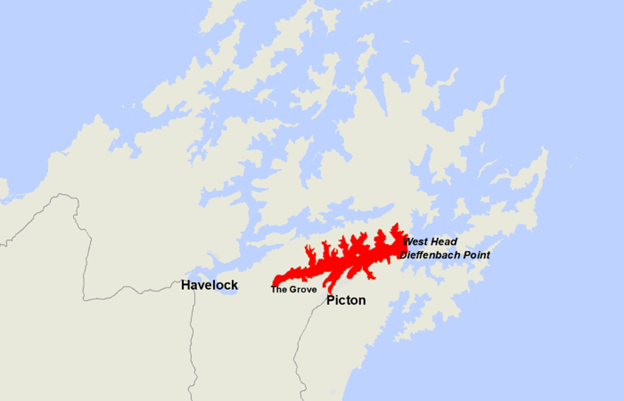
New Zealand Food Safety is advising the public not to collect or consume shellfish gathered from the inner Queen Charlotte Sound, as well as near Collingwood in Golden Bay, due to the presence of high levels of paralytic shellfish toxins.
Routine tests on mussels from near Waikawa have shown levels of paralytic shellfish toxins 3 times higher than the safe limit. The warning extends from Anakiwa, out to West Head and Dieffenbach Point.
In addition to the Queen Charlotte Sound warning, the levels of paralytic shellfish toxins in mussels farmed near Collingwood have risen in recent weeks and are nearly at the safe limit. Commercial harvesting from the mussel farms have stopped and the public are warned that shellfish gathered from the shore could also have elevated levels of toxins.
| Reason for alert | Paralytic Shellfish Poisoning (PSP) |
| Date warning issued | Media release: 24 April 2024 |
| Affected area | Inner Queen Charlotte Sound – Anakiwa to West Head and Dieffenbach Point. |
| Shellfish affected | Affected shellfish include bivalve shellfish such as mussels, oysters, tuatua, pipi, toheroa, cockles and scallops, as well as pūpū (cat’s eyes), Cook’s turban, and kina (sea urchin).
Note, cooking shellfish does not remove the toxin. Pāua, crab, and crayfish may still be eaten if the gut has been completely removed prior to cooking, as toxins accumulate in the gut. If the gut is not removed its contents could contaminate the meat during the cooking process. Finfish are not affected by this warning. |
| Symptoms | Symptoms typically appear between 10 minutes and 3 hours after ingestion and may include:
|
| Other information | Paralytic shellfish toxins have been detected in shellfish at levels three times over the safe limit of 0.8mg/kg set by New Zealand Food Safety. Ongoing testing will continue and any changes will be communicated accordingly. |
Certain live mussels from Allen’s Fisheries, Ltd. (NL0047SP), Benoit’s Cove, Newfoundland, Canada were initially harvested on 2/07/2024 (Julian date 24038) from harvest area AQ # 15 Newfoundland, with final harvest date of 2/18/2024 (Julian date 24049) and shipped to distributors in CT, FL, MD, MA, NJ, NY, and PA on or around 2/21/2024 (Julian Date 24052). The live mussels were distributed to restaurants and retailers in CT, FL, MD, MA, NJ, NY, and PA and may have been distributed to other states, as well.
The following product tag is provided to be representative of labeling that would accompany the implicated mussels.
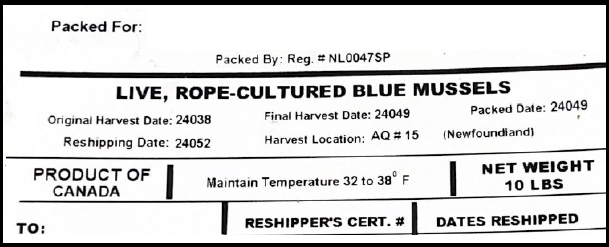
The FDA is advising restaurants and food retailers not to serve or sell and to dispose of mussels and consumers not to eat mussels from Allen’s Fisheries (NL0047SP) in Newfoundland, Canada, harvested on 2/07/2024 (Julian date 24038), from harvest area AQ # 15 Newfoundland, with final harvest date of 2/18/2024 (Julian date 24049) and shipped to distributors in CT, FL, MD, MA, NJ, NY, and PA on or around 2/21/2024 (Julian Date 24052) because they may be contaminated.
Contaminated shellfish can cause illness, especially if eaten raw, particularly in people with compromised immune systems. Food contaminated with pathogens or biotoxins may look, smell, and taste normal. Consumers of these products who are experiencing food poisoning symptoms such as diarrhea, stomach pain or cramps, nausea, vomiting, or fever should contact their healthcare provider, who should report their symptoms to their local Health Department.
On 3/1/2024, the New Jersey Department of Health advised the FDA of an outbreak of illness associated with consumption of certain mussels. The cases experienced symptoms including nausea, vomiting and diarrhea. The advisory includes mussels from Allen’s Fisheries (NL0047SP) in Newfoundland, Canada, harvested on 2/07/2024 (Julian date 24038), from harvest area AQ # 15 Newfoundland, with final harvest date of 2/18/2024 (Julian date 24049) and shipped to distributors in CT, FL, MD, MA, NJ, NY, and PA on or around 2/21/2024 (Julian Date 24052).

According to a study, an outbreak of ciguatera poisoning from contaminated fish affected 19 people on a ship in Australia.
The food poisoning outbreak was reported to the Central Queensland Public Health Unit in December 2021.
A bulk carrier sailing from Higashiharima, Japan, to Gladstone, Australia, reported an incident of sudden illness, with 19 of 20 sailors on board having a combination of gastrointestinal and neurological symptoms.
All 20 sailors consumed a self-caught barracuda and squid prepared by the ship’s cook the day before. Leftover samples of the fish and squid were sent for testing. According to the study published in the journal Communicable Diseases Intelligence, the barracuda sample contained ciguatoxins.
| Reason for alert | Paralytic Shellfish Poisoning (PSP) |
| Date warning issued | Media release: 26 January 2024
Update: The area affected by the warning was reduced on 15 February 2024. |
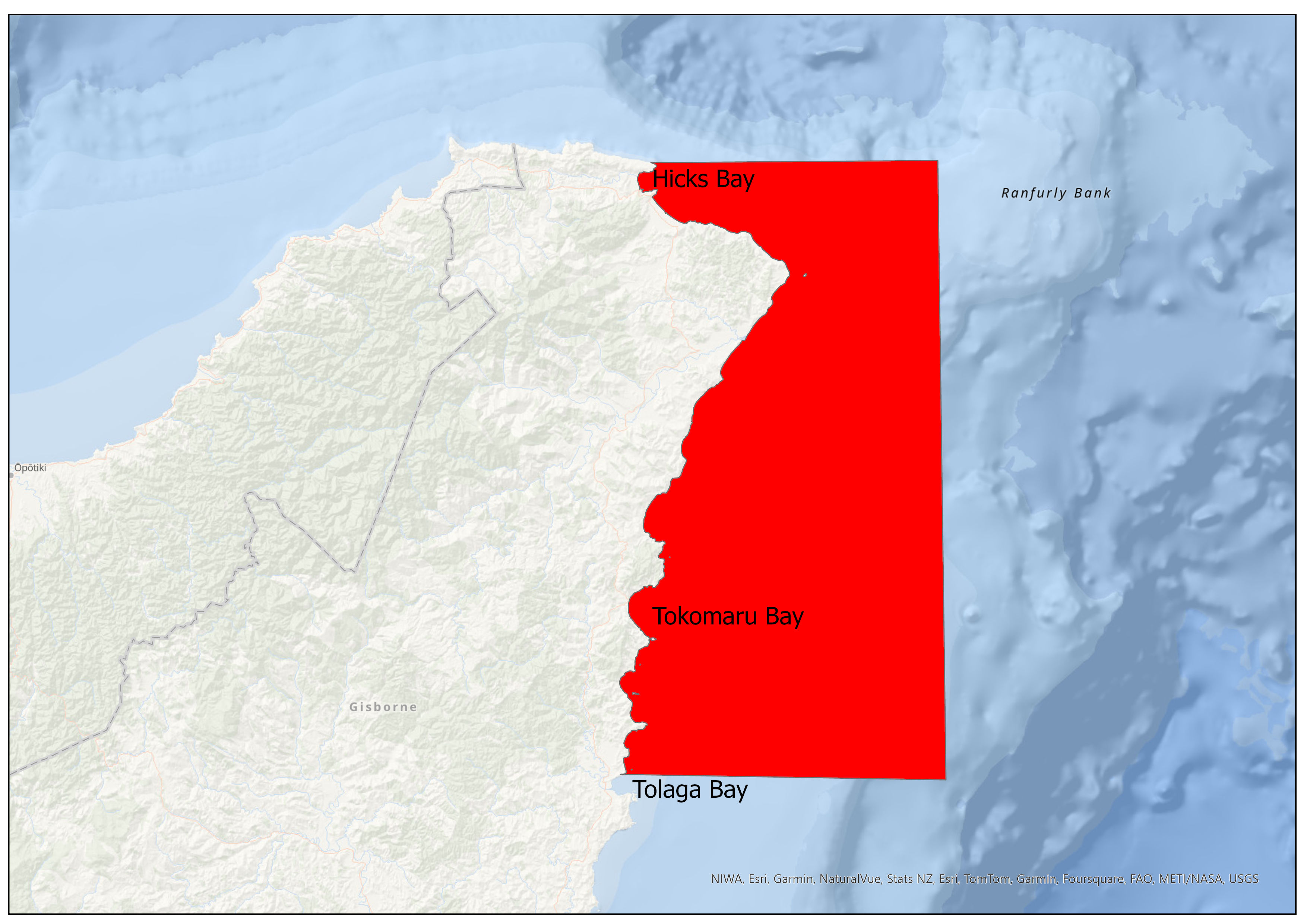
| Affected area | From 15 February 2024, the area extends from the north side of Tolaga Bay to Hicks Bay. |
| Shellfish affected | Lobster are the only species affected. Shellfish and finfish are not affected by this warning.
Lobster (crayfish) may still be eaten if the gut has been completely removed prior to cooking, as toxins can accumulate in the gut. If the gut is not removed its contents could contaminate the meat during the cooking process. |
| Symptoms | Symptoms typically appear between 10 minutes and 3 hours after ingestion and may include:
|
| Other information | Elevated paralytic shellfish toxins are still being detected in lobster near Tokomaru Bay. |

 FoodWorld