Category Archives: Illness

Canada – Fresh imported peaches recalled by Prima Wawona may be unsafe due to Salmonella

CFIA

Ottawa, August 22, 2020 – The Canadian Food Inspection Agency (CFIA) is warning the public not to consume and retailers, distributors, manufacturers, and food service establishments such as hotels, restaurants, cafeterias, hospitals, and nursing homes not to serve, use, or sell the products described below.

Prima Wawona, located in Fresno, California, has recalled fresh peaches with various brand names due to possible Salmonella contamination. Various importers in Canada are conducting a recall of the affected products.

Peaches with the same PLU numbers and that are Product of Canada are not affected.

Recalled Products

Brand Product Size UPC Codes Additional information
Harvest Sweet
Sweet 2 Eat
Prima
Sweet Value
Wawona
Yellow Peaches Variable PLU 4037 All peaches sold from June 1, 2020 up to and including August 22, 2020. These peaches may have been sold loose or in bulk, with or without a brand name. These peaches may have been repackaged into a variety of formats.
Harvest Sweet
Sweet 2 Eat
Prima
Sweet Value
Wawona
Yellow Peaches Variable PLU 4038 All peaches sold from June 1, 2020 up to and including August 22, 2020. These peaches may have been sold loose or in bulk, with or without a brand name. These peaches may have been repackaged into a variety of formats.
Harvest Sweet
Sweet 2 Eat
Prima
Sweet Value
Wawona
Yellow Peaches Variable PLU 4044 All peaches sold from June 1, 2020 up to and including August 22, 2020. These peaches may have been sold loose or in bulk, with or without a brand name. These peaches may have been repackaged into a variety of formats.
Harvest Sweet
Sweet 2 Eat
Prima
Sweet Value
Wawona
White Peaches Variable PLU 4401 All peaches sold from June 1, 2020 up to and including August 22, 2020. These peaches may have been sold loose or in bulk, with or without a brand name. These peaches may have been repackaged into a variety of formats.
Sweet 2 Eat
Sweet O
Organic Yellow Peaches Variable PLU 94037 All peaches sold from June 1, 2020 up to and including August 22, 2020. These peaches may have been sold loose or in bulk, with or without a brand name. These peaches may have been repackaged into a variety of formats.
Sweet 2 Eat
Sweet O
Organic Yellow Peaches Variable PLU 94038 All peaches sold from June 1, 2020 up to and including August 22, 2020. These peaches may have been sold loose or in bulk, with or without a brand name. These peaches may have been repackaged into a variety of formats.
Sweet 2 Eat
Sweet O
Organic Yellow Peaches Variable PLU 94044 All peaches sold from June 1, 2020 up to and including August 22, 2020. These peaches may have been sold loose or in bulk, with or without a brand name. These peaches may have been repackaged into a variety of formats.
Sweet 2 Eat Organic White Peaches Variable PLU 94401 All peaches sold from June 1, 2020 up to and including August 22, 2020. These peaches may have been sold loose or in bulk, with or without a brand name. These peaches may have been repackaged into a variety of formats.
Wawona Peaches 907 g /
2 lbs
0 33383 32200 1 All packages sold from June 1, 2020 to August 22, 2020, inclusively. None
Wegmans Peaches 907 g /
2 lbs
0 77890 49048 8 All packages sold from June 1, 2020 to August 22, 2020, inclusively. None
Extrafresh Peaches 907 g /
2 lbs
0 33383 02071 6 CPO3148, CPO3164, CPO3163, CPO3186, CPO3207, CPO3213, CPO3228, CPO3265, CPO3281, CPO3302, CPO3328, CPO3354, MPO0500, MPO0503, MPO0524, MPO0671, MPO0678, MPO0689, MPO0693, MPO0703, MPO0716, MPO0725, MPO0730, MPO0767, MPO0795. None

What you should do

If you think you became sick from consuming a recalled product, call your doctor.

Check to see if you have the recalled products in your home or establishment. Recalled products should be thrown out or returned to the location where they were purchased. If you are unsure of the source of the peaches, check with your place of purchase.

Food contaminated with Salmonella may not look or smell spoiled but can still make you sick. Young children, pregnant women, the elderly and people with weakened immune systems may contract serious and sometimes deadly infections. Healthy people may experience short-term symptoms such as fever, headache, vomiting, nausea, abdominal cramps and diarrhea. Long-term complications may include severe arthritis.

Background

This advisory was triggered by a recall in the United States by Prima Wawona located in Fresno, California. The CFIA is conducting a food safety investigation, which may lead to the recall of other products. If products are recalled, the CFIA will notify the public through a Food Recall Warning.

Illnesses

The Public Health Agency of Canada is investigating an outbreak of human illness.

Product photos

Printer ready version of photos
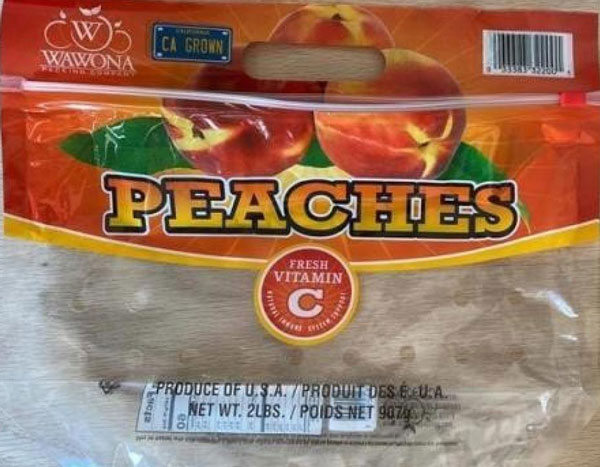
  • Wawona - Peaches
  • Wawona - Peaches - upc
  • Wegmans - Peaches

Public enquiries and media

Public enquiries
Toll-free: 1-800-442-2342 (Canada and U.S.)
Telephone: 1-613-773-2342 (local or international)
Email: cfia.enquiries-demandederenseignements.acia@canada.ca
USA – Urgent Onion Recall Notification

FDA

HelloFresh has been informed by one of its ingredient suppliers that it is conducting a voluntary recall of its onions due to the potential presence of salmonella bacteria. Please discard all onions received from May 8 through July 31, 2020.

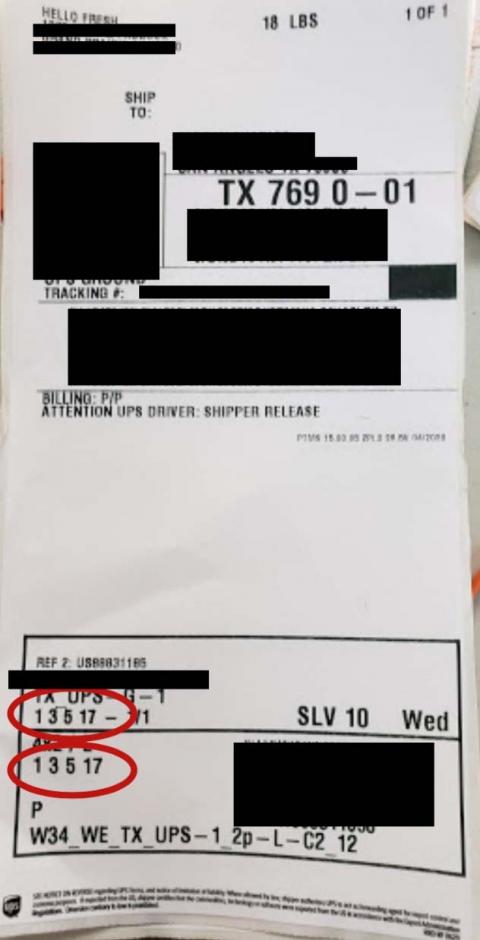
We recommend disposing of all onions received during the specified time period. For further information on whether you have been impacted, please check the product codes, located on the bottom square of your box shipping label. Please see the photo provided below as reference for locating the product code.

Production Week

Production Week Start Date

HelloFresh Product Codes*
*Number sequence may vary

Everyplate Product Codes*
*Number sequence may vary

20 5/08 2-3-5-6-17 81-82-84-86-92-94
21 5/15 2-8-15-19 82-86-83-93
22 5/22 2-5-6-9-20 87-88-89-93-90-94
23 5/29 6-8-9-15-B- 3-5-20 82-84-86-87-89-91-92-95
24 6/5 6-8-17- B 82-84-86-89-90-95-83-93
25 6/12 3-4-10-15-18-17-19-20 82-87-88-95-82-87-88-95
26 6/19 2-3- 8-12 88-89-84-93
27 6/26 5-17- 4-15-18-20 82-87-89-90-91- 84-92-93
28 7/3 3-9-10-12-15-17- 6 85-86-90-91
29 7/10 3-20-7-21 82-88-89-90-92-96
30 7/17 4-19-21 82-84-89-94-96- 83-95
31 7/24 2-3-4-19-7-8-16 82-92- 81-84-87-89-94-96-98

As noted above, customers should immediately discard all onions received. We also recommend extra caution in disinfecting and sanitizing surfaces and containers that may have come in direct contact with these products, as recommended by the FDA. In the event that the onions have been consumed, please note that thoroughly cooking the product to 165ºF/74ºC, as instructed by the recipe, will kill the salmonella bacteria.

If you are experiencing any symptoms, including but not limited to, fever, diarrhea, or nausea, please contact your healthcare provider immediately. Click here for more information from the FDA about this supplier recall and the potentially related symptoms.

We sincerely apologize for this supplier-related incident. Your safety is our highest priority and we have taken immediate steps to ensure our onions are no longer sourced from this supplier. All HelloFresh facilities are SQF (Safe Quality Food) certified, which is the highest level of food safety certification and our teams follow a rigorous process to maintain the safety and quality of our meal kits. If you have any additional questions, please contact HelloFresh at hello@hellofresh.com.


Company Contact Information

Consumers:
HelloFresh

Product Photos

USA – Outbreak Investigation of Salmonella Enteritidis: Bagged Peaches (August 2020)

FDA

The FDA, along with CDC and state and local partners, is investigating a multistate outbreak of Salmonella Enteritidis infections potentially linked to bagged peaches sold at ALDI stores in multiple states. The peaches are in Wawona-brand 2-pound, clear plastic bags sold in ALDI stores from June 1, 2020 until present. Based on information collected from ill persons, CDC has identified bagged peaches from ALDI stores as a likely source of Salmonella Enteritidis infections. As of August 19, 2020, CDC is reporting a total of 68 cases across 9 states.

FDA’s traceback investigation is ongoing to determine the full scope of product distribution and source of contamination. More information will be shared when it is available.

As of August 19, 2020, ALDI has voluntarily recalled all of Wawona-brand bagged peaches from select ALDI stores in multiple states and is continuing to participate in FDA investigation efforts to determine the source of contamination.

Recommendations

Advice for consumers, restaurants, and retailers: Consumers, restaurants, and retailers should not eat, sell, or serve Wawona-brand bagged peaches from ALDI stores in multiple states. Consumers who purchased Wawona-brand bagged peaches from ALDI stores from June 1, 2020 to present and may still have them in their house should not eat the peaches and should throw them away. Consumers who purchased Wawona-brand bagged peaches from ALDI stores from June 1, 2020 to present and froze them should throw them away.

Consumers who purchased bagged peaches from ALDI stores from June 1, 2020 to present and cannot identify the brand, should throw the peaches away.

FDA recommends that anyone who received Wawona-brand bagged peaches from ALDI use extra vigilance in cleaning and sanitizing any surfaces and containers that may have come in contact with the produce to reduce the risk of cross-contamination. This includes cutting boards, slicers, countertops, refrigerators, and storage bins.

Consumers who have symptoms of Salmonella infection should contact their health care provider. Most people with salmonellosis develop diarrhea, fever, and abdominal cramps. More severe cases of salmonellosis may include a high fever, aches, headaches, lethargy, a rash, blood in the urine or stool, and in some cases may become fatal.

Suppliers and Distributors: Suppliers, distributors and others in the supply chain should not use, ship or sell Wawona-brand bagged peaches from ALDI. Suppliers and distributors that re-packaged Wawona-brand bagged peaches from ALDI from June 1, 2020 to present should use extra vigilance in cleaning and sanitizing any surfaces and storage areas that may have come into contact with Wawona-brand bagged peaches from ALDI stores. If there has been potential cross contamination or mixing of peaches from other sources with these products, then comingled products should be discarded.

Investigation Update

August 19, 2020

The FDA, along with CDC and state and local partners, is investigating a multistate outbreak of Salmonella Enteriditis infections. State officials from the Minnesota Department of Health reportedExternal Link Disclaimer that many of the people sick with the same strain of Salmonella Enteritidis, confirmed by Whole Genome Sequencing (WGS), had purchased Wawona-brand bagged peaches from ALDI prior to becoming ill.

In response to FDA investigators, ALDI reported to FDA that potentially affected bagged peaches were shipped to CT, IA, IL, KY, MA, MI, MN, ND, NH, NY, OH, RI, SD, VT, WI, and WV. ALDI also reported to FDA that the sole supplier of the bagged peaches to stores reported by cases during the timeframe of interest was Wawona Packing Company, LLC. FDA’s traceback investigation is ongoing to identify the source of this outbreak and to determine if potentially contaminated product has been shipped to additional retailers.


Product Images

Outbreak Investigation of Salmonella Enteritidis: Bagged Peaches Product Image (August 2020)

Case Count Map Provided by CDC

Outbreak Investigation of Salmonella Enteritidis in Bagged Peaches (August 2020) - Case Count Map from CDC for August 19, 2020

U.S. Distribution Map of Recalled Peaches

Outbreak Investigation of Salmonella Enteritidis in Bagged Peaches (August 2020) - U.S. Distrobution Map of Recalled Peaches (August 19, 2020)

This map includes confirmed distribution information from companies; products could have been further distributed and sent to additional retailers and states.

Case Counts

Total Illnesses: 68
Hospitalizations: 14
Deaths: 0
Last Illness Onset Date: August 3, 2020
States with Cases: IA, MD, MI, MN, NJ, NY, PA, VA, WI
Product Distribution*: CT, IA, IL, KY,  MA, MI, MN, ND, NH, NY, OH,  RI, SD, VT, WI, WV
*Distribution has been confirmed for states listed, but product could have been distributed further, reaching additional states


USA -Outbreak of Listeria Infections Linked to Deli-Sliced Meats and Cheeses

CDC

This investigation is over. This outbreak is a reminder that deli products, such as sliced meats and cheeses, can have Listeria bacteria. People who are at higher risk for Listeria infection should avoid eating hot dogs, lunch meats, cold cuts, and other deli meats, unless they are heated to an internal temperature of 165°F or until steaming hot just before serving.

CDC and several states, along with the U.S. Department of Agriculture’s Food Safety and Inspection Service and the U.S. Food and Drug Administration, investigated a multistate outbreak of Listeria infections linked to deli-sliced meats and cheeses. A single, common supplier of deli products was not identified.

Iceland – Iceland reports increase in Norovirus

Outbreak News Today

Norwalk_Caspid

Image CDC

Health officials in Iceland are reporting an increase in norovirus infections in recent weeks. Local media report (computer translated) a large number of residents at the retirement home Hrafnista in Hafnarfjörður have been diagnosed with the virus and last week the infant play school Ársól in Grafarvogur was closed due to infection.

In addition, dozens of employees at the accounting firm, KPMG were stricken with the virus and everyone recovered.

Research – Occurrence of Escherichia coli O157:H7 in Pest Flies Captured in Leafy Greens Plots Grown Near a Beef Cattle Feedlot

Journal of Food Protection

ABSTRACT

Leafy greens are leading vehicles for Escherichia coli O157:H7 foodborne illness. Pest flies can harbor this pathogen and may disseminate it to produce. We determined the occurrence of E. coli O157:H7–positive flies in leafy greens planted up to 180 m from a cattle feedlot and assessed their relative risk to transmit this pathogen to leafy greens. The primary fly groups captured on sticky traps at the feedlot and leafy greens plots included house flies (Musca domestica L.), face flies (Musca autumnalisL.), stable flies (Stomoxys calcitrans L.), flesh flies (family Sarcophagidae), and blow flies (family Calliphoridae). E. coliO157:H7 carriage rates of house, face, flesh, and blow flies were similar (P > 0.05), ranging from 22.3 to 29.0 flies per 1,000 flies. In contrast, the carriage rate of stable flies was lower at 1.1 flies per 1,000 flies (P < 0.05). Differences in carriage rates are likely due to the uses of fresh bovine feces and manure by these different pest fly groups. E. coli O157:H7 carriage rates of total flies did not differ (P > 0.05) by distance (ranging from 0 to 180 m) from the feedlot. Most fly isolates were the same predominant pulsed-field gel electrophoresis types found in feedlot surface manure and leafy greens, suggesting a possible role for flies in transmitting E. coli O157:H7 to the leafy greens. However, further research is needed to clarify this role and to determine set-back distances between cattle production facilities and produce crops that will reduce the risk for pathogen contamination by challenging mechanisms like flies.

HIGHLIGHTS
  • E. coli O157:H7 was common in flies captured in leafy greens plots near a feedlot.

  • E. coli O157:H7 carriage rates of house, face, flesh, and blow flies were similar.

  • Stable flies had lower E. coli O157:H7 carriage than the other four fly groups.

  • E. coli O157:H7 carriage of total flies was not affected by distance up to 180 m.

  • Research is needed to determine risk for leafy green contamination by pest flies.

Research – Domestic Kitchen Microbiological Contamination and Self-Reported Food Hygiene Practices of Older Adult Consumers

Journal of Food Protection

ABSTRACT

Because of increased susceptibility, older adults have an increased risk of foodborne infection, and data suggest elevated incidence; therefore, food hygiene is essential to reduce the risk. Research suggests older adults’ inadequate knowledge and negative attitudes toward food hygiene may increase implementation of unsafe food practices. Data on microbiological contamination of domestic kitchens of older adults are lacking. Therefore, this study aimed to determine microbiological contamination of domestic kitchens of older adults. Food contact surfaces and equipment (n = 1,292) in domestic kitchens (n = 100) of older adults (≥60 years) were analyzed to isolate aerobic bacteria, Enterobacteriaceae, Staphylococcus aureus, and Listeria spp.; self-reported hygiene practices were also recorded. Highest contamination levels were determined on in-use cleaning equipment (dish brushes, dishcloths, sponges) with aerobic bacteria <9.3 log CFU per item, Enterobacteriaceae <8.8 log CFU per item, and S. aureus <7.0 log CFU per item. Reported usage length of dish brushes was significantly correlated (P< 0.05) with Enterobacteriaceae contamination. Significant correlations (P < 0.05) were determined between contamination and reported cleaning frequency of refrigerators. Contamination of hand towels in single-occupant households was significantly greater (P < 0.05) than in multioccupant households. The study facilitates novel comparison between reported hygiene practices with microbial contamination, suggesting older adults fail to implement adequate and regular hygiene practices that may increase the possibility of cross-contamination in the domestic kitchen and the associated risk of foodborne illness. Data from this study have determined a need for older adults to improve food hygiene practices in the domestic kitchen.

HIGHLIGHTS
  • In-use dish brushes and dishcloths were most commonly contaminated with high counts of bacteria.

  • Correlations existed between dishcloth contamination and multiple kitchen sites.

  • Reported dish brush usage length was significantly correlated with contamination level.

  • Reported time since cleaning of refrigerators was positively correlated with contamination levels.

  • Inadequate and irregular hygiene practices may increase foodborne illness risk to older adults.

Research – Overview of Leafy Greens–Related Food Safety Incidents with a California Link: 1996 to 2016

Journal of Food Protection Eurofins Food Testing UK

An increase in the number of foodborne illness outbreaks associated with produce has been noted in the literature, and leafy greens have been the most common produce category associated with these outbreaks. California is the largest leafy greens producer in the United States, and many related foodborne illness incidents were traced to this state. A systematic overview of leafy greens incidents linked to California was conducted by the California Department of Public Health, Food and Drug Branch through analysis of complaints, routine surveillance sampling, disease outbreaks, and investigations covering 1996 to 2016. The goal was to develop a risk assessment tool to modernize emergency response efforts to foodborne illnesses related to leafy greens. A database including environmental, epidemiologic, and laboratory information for each incident was developed, and descriptive analysis was performed to identify trends. In the 21-year period analyzed, 134 incidents were identified, the majority of which were surveillance related. Approximately 2,240 U.S. cases of confirmed illness were reported (298 California cases resulting in 50 hospitalizations). Romaine lettuce and spinach were the most commonly implicated vehicles. The most prevalent hazard type was microbiological, in particular bacterial, specifically associated with pathogenic strains of Escherichia coli. In California, the overview provided the Food and Drug Branch with a platform to (i) enhance its Food Safety Program, Emergency Response Unit, and California Food Emergency Response Team; (ii) assist in more efficient investigation, response, control, and prevention of California-linked foodborne illness incidents; and (iii) identify knowledge gaps and develop effective definitions, procedures, training, guidelines, and policies that will be used to help prevent future outbreaks. Outcomes provide insight into the situation in the largest leafy greens–producing state and may be used to prioritize limited national food safety resources and aid in future leafy greens–related research and foodborne incident investigations.

Research – What pneumococcus says to make you sick?

Science Daily

Carnegie Mellon University researchers have identified a molecule that plays a key role in bacterial communication and infection. Their findings add a new word to pneumococcus’ molecular dictionary and may lead to novel ways to manipulate the bacteria and prevent infection. The findings, from the lab of Associate Professor of Biological Sciences Luisa Hiller, are published in the Oct. 11 issue of PLOS Pathogens.

Organisms worldwide communicate in their own unique ways: humans use words, bees dance, and fireflies glow. Decoding a community’s common language provides the ability to understand and influence the community’s behavior.

What if bacteria also have their own language? If we understood that syntax, could we simply ask the bacteria to stop making us sick?

These questions are at the core of Hiller’s research. Her lab is investigating “bacterial linguistics,” attempting to identify the “words” that bacteria use to communicate. They hope to assemble a dictionary that will give researchers the vocabulary they need to manipulate deadly pathogens.

The Hiller lab is unraveling how bacterial communication contributes to disease and antibiotic resistance, focusing on the bacterium pneumococcus.

USA – Cryptosporidiosis Outbreak at Shades of Sherwood Campground in Zumbrota, MN

Food Poisoning Bulletin 


crypto

Image CDC Enter a caption

An outbreak of cryptosporidiosis has occurred among people who visited the Shades of Sherwood Campground in Zumbrota, Minnesota. Three people have been sickened in this outbreak; one person has been hospitalized. One of these patients was also infected with Shiga toxin-producing E. coli.