Category Archives: Haemolytic Uremic Syndrome

Australia Research – Monitoring the incidence and causes of diseases potentially transmitted by food in Australia: Annual report of the OzFoodNet network, 2013–2015

Au Gov

This report summarises the incidence of diseases potentially transmitted by food in Australia, and details outbreaks associated with food that occurred during 2013–2015.
OzFoodNet sites reported an increasing number of notifications of 12 diseases or conditions that may be transmitted by food (botulism; campylobacteriosis; cholera; hepatitis A; hepatitis E; haemolytic uraemic syndrome (HUS); listeriosis; Salmonella Paratyphi (paratyphoid fever) infection; salmonellosis; shigellosis; Shiga toxin-producing Escherichia coli(STEC) infection; and Salmonella Typhi (typhoid fever) infection), with a total of 28,676 notifications received in 2013; 37,958 in 2014; and 41,226 in 2015.
The most commonly-notified conditions were campylobacteriosis (a mean of 19,061 notifications per year over 2013–2015) and salmonellosis (a mean of 15,336 notifications per year over 2013–2015). Over these three years, OzFoodNet sites also reported 512 outbreaks of gastrointestinal illness caused by foodborne, animal-to-person or waterborne disease, affecting 7,877 people, and resulting in 735 hospitalisations and 18 associated deaths.
The majority of outbreaks (452/512; 88%) were due to foodborne or suspected foodborne transmission. The remaining 12% of outbreaks were due to waterborne or suspected waterborne transmission (57 outbreaks) and animal-to-human trans-mission (three outbreaks). Foodborne and suspected foodborne outbreaks affected 7,361 people, resulting in 705 hospitalisations and 18 deaths.
Salmonella was the most common aetiological agent identified in foodborne outbreaks (239/452; 53%), and restaurants were the most frequently-reported food preparation setting (211/452; 47%). There were 213 foodborne outbreaks (47%) attributed to a single food commodity during 2013–2015, with 58% (124/213) associated with the consumption of eggs and egg-based dishes.
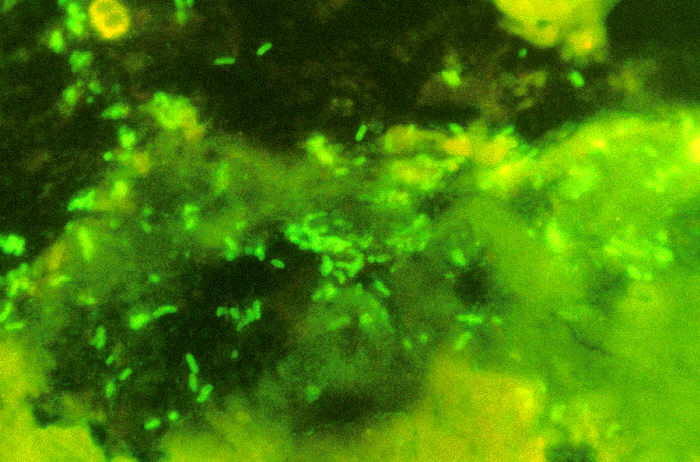
USA – E. coli Outbreak likely linked to fresh produce expands to Benton, King, Snohomish and Walla Walla counties – As many as 11 sickened, some with acute kidney failure

Food Poison Journal

The Washington State Department of Health (DOH) is working with local health jurisdictions to respond to a multi-county outbreak of E. coli O157:H7 that may be linked to fresh produce.

The outbreak currently includes six confirmed cases across Benton County (1), King County (3), Snohomish County (1) and Walla Walla County (1). DOH is only reporting confirmed cases infected with bacteria that have been genetically linked, but local health officials may report higher numbers for their counties that include cases still under investigation.

There is one case in the outbreak between ages 0-9, two cases age 10-19, one case age 20-29, one age 30-39, and one case age 70-79. Three cases have been hospitalized and one case developed hemolytic uremic syndrome (HUS). HUS is a serious complication of E. coli O157:H7 infection that can damage the kidneys and other organs. The earliest case in the outbreak started having symptoms March 9, and the most recent case had symptoms starting April 21.

USA – New E. coli outbreak hits children; investigation ongoing with no source yet

Food Safety News

ecoli

At least seven children are sick with E. Coli infections in a new outbreak involving an unknown source. All of the sick children are younger than 14, with three of them younger than five years old, according to an outbreak announcement by King County, WA, health officials.

“Our investigation is ongoing, and we have not identified any foods, restaurants, or other sources in common among all cases. It is not yet known whether these cases share the same source or not,” officials reported in the announcement.

The children became ill between April 22 and May 1. Six of the seven children have been so sick they had to be admitted to hospitals. One of the sick children is confirmed as having developed a life-threatening kidney complication called hemolytic uremic syndrome (HUS) and is recovering. A second child is suspected to have HUS.

hus

UK – Investigation – STEC E.coli O157- 2017 Frozen Beef Burgers

Cambridge Press

In November 2017, Public Health England identified an outbreak of Shiga toxin-producing Escherichia coli O157:H7 in England where whole genome sequencing results indicated cases were likely to be linked to a common source, and began investigations.

Hypothesis generation included a review of enhanced surveillance data, a case-case study and trawling interviews. The hypothesis of interest was tested through the administration of focussed questionnaires and review of shopping history using loyalty card data. Twelve outbreak cases were detected, eight were hospitalised and four developed haemolytic uraemic syndrome. Frozen beef burgers supplied by a national retailer were identified as the vehicle of the outbreak. Testing of two left-over burger samples obtained from the freezers of two separate (unlinked) cases and a retained sample from the production premises were tested and found to be positive for the outbreak strain. A voluntary recall of the burgers was implemented by the retailer. Investigations at the production premises identified no contraventions of food safety legislation. Cooking guidance on the product packaging was deemed to be adequate and interviews with the cases/carers who prepared the burgers revealed no deficiencies in cooking practices at home. Given the long-shelf life of frozen burgers, the product recall likely prevented more cases.

Italy – Italy records nearly 80 HUS cases in 12 months

Food Safety News

Almost 80 hemolytic uremic syndrome (HUS) cases were registered between July 2019 and June 2020 in Italy.

The 77 patients came from 17 regions in the country while one person contracted HUS while abroad. Notification rates varied by region but were highest in Aosta Valley and higher than 1 case per 100,000 in Basilicata, Calabria, Liguria, Lombardy, Marche, Trento, and Bolzano.

Seventy of those affected were under 15 years of age. The median age of patients at the clinical onset of the disease was 2 years and 7 months for the past 12 months and the past decade.

South Korea – Food poisoning sickens about 100 kindergarten pupils in Ansan

YNA

ANSAN, South Korea, June 25 (Yonhap) — About 100 pupils at a kindergarten in Ansan, just south of Seoul, have complained of food poisoning symptoms over the past week, with a fifth of them hospitalized for hamburger disease and other disorders, municipal health officials said Thursday.

According to the officials in Ansan, 50 kilometers south of the capital, 99 out of 184 children attending the unidentified kindergarten showed symptoms of food poisoning from June 16 to Monday, and 22 of them were sent to hospitals.

Some of them are reportedly showing signs of hemolytic uremic syndrome (HUS), also known as hamburger disease, which could cause severe kidney failure, they noted, adding doctors raised the possibility of hamburger disease among some ailing students.

The number of patients has been increasing since four children complained of stomachaches on June 16. By June 17, 10 pupils exhibited symptoms of stomachache and diarrhea.

Authorities have found hemorrhaging E. coli bacteria in samples taken from about 30 pupils. HUS is one of the complications caused by E. coli bacteria.

Research – Hemolytic Uremic Syndrome

Pediatrics in Review

Thrombotic microangiopathy (TMA) was described by Moschcowitz in 1924, and the term hemolytic uremic syndrome (HUS) appeared by 1955 to describe a series of patients with small-vessel renal thrombi, thrombocytopenia, and hemolytic anemia. During the 1970s an association was noted between enteric Escherichia coli infections and HUS, and in 1983 the specific trigger of Shiga toxin–producing E coli (STEC) was recognized. This recognition led to classification of HUS as “diarrhea positive” or “diarrhea negative,” although this terminology is no longer popular. Other secondary forms of HUS are known, including HUS associated with invasive pneumococcal infection, human immunodeficiency virus, systemic lupus erythematosus, or uncommon reactions to medications such as cyclosporine. More recently, the term atypical HUS (aHUS) has been used to describe a rare form of HUS occurring in susceptible individuals, most often from defects in regulation of the alternative pathway of complement, whereas typical HUS largely refers to STEC-HUS or pneumococcal HUS.

In patients with bloody diarrhea, it is imperative that front-line providers understand the importance of testing for STEC. In many parts of the world STEC O157:H7 is the most common pathogen leading to HUS, but it certainly is not the only one as many other organisms besides E coli have been causally implicated with HUS. Testing for STEC is evolving quickly. Stool culture, various assays for the Shiga toxin, and most recently DNA testing of stool are all being used, each method with its own strengths and limitations. The most crucial issue is timeliness because the window of opportunity …