Category Archives: foodbourne outbreak

USA – Fast-Food Chain Is Linked to 40 Cases of Food Poisoning

Yahoo News

Forty people have reported illnesses after eating at an Arby’s in Springfield, Ill. since Feb. 15, the Sangamon County Department of Public Health confirmed to two local news stations, NewsChannel 20 and WAND 17.

Officials first visited the Arby’s restaurant on Feb. 23 after calls were made to the health department. They then returned on Feb. 24 as the store was closed for deep cleaning. They also visited again the next day, still finding issues, but are still unable to pinpoint the exact cause of the food poisonings.

Sweden – National outbreak with Salmonella Enteritidis identified.

Folkhalsomyndigheten

Salm2

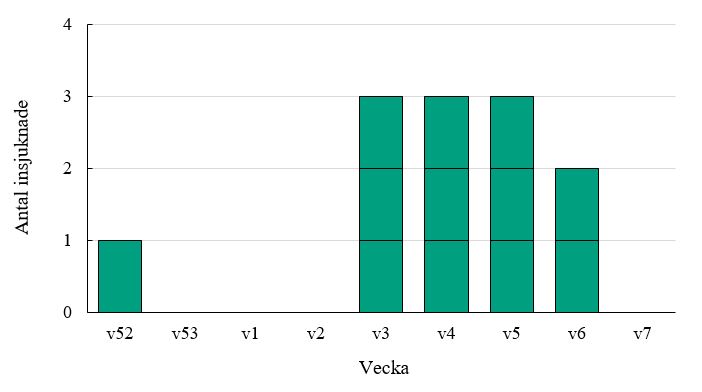
Twelve cases of Salmonella Enteritidis disease have been linked using whole genome sequencing (analysis of the bacterium’s genome). Eight of the twelve patients are children under the age of ten and the cases are resident in ten different regions. All cases except one have fallen ill on January 20 or later (figure). There are as many women / girls as men / boys who have fallen ill.

The affected infection control units and the Swedish Public Health Agency are jointly investigating the outbreak to identify the source of the infection.

Figure. Disease curve for outbreak cases with Salmonella Enteritidis (n = 12), 2021-02-23.

Diagram showing the disease curve for the outbreak cases with Salmonella Enteritidis (n = 12), 2021-02-23.  The figure shows that eleven of the cases fell ill during week three or later.

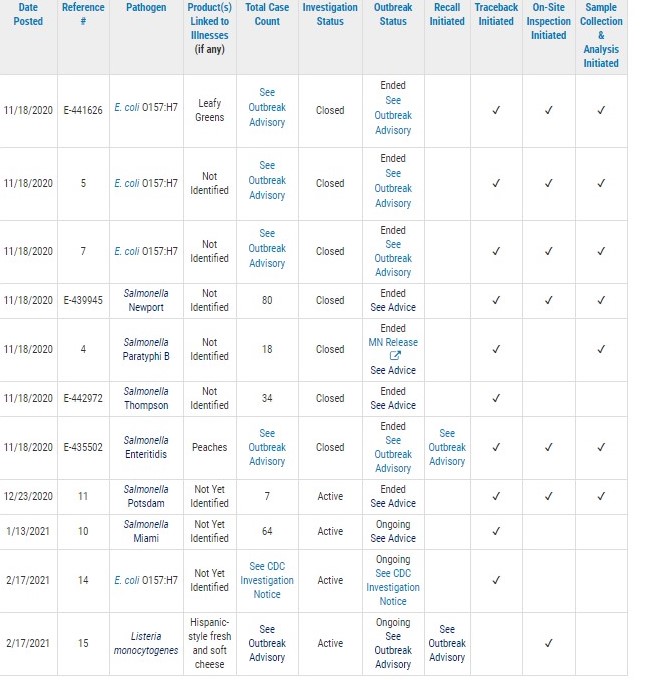
USA – Outbreak Investigation of Listeria monocytogenes – Hispanic-style Fresh and Soft Cheeses (February 2021)

FDA

The FDA, along with CDC and state and local partners, are investigating a multistate outbreak of Listeria monocytogenes infections linked to queso fresco cheeses made by El Abuelito Cheese, Inc.

As part of this outbreak investigation, the Connecticut Department of Public Health collected product samples of El Abuelito-brand Hispanic-style fresh and soft cheeses from a store where a sick person bought cheeses. On 2/19/2021, Whole Genome Sequencing (WGS) analysis conducted by the Connecticut State Laboratory determined that the Listeria monocytogenes found in the samples is a match to the outbreak strain. At this time, El Abuelito Cheese, Inc. has ceased production and distribution of all products processed or handled in the same facility as the Queso Fresco.

The FDA has initiated an on-site inspection of the facility. On 2/24/2021, the firm notified customers via letter that it was expanding the recall announced on 2/19/2021. The expanded recall includes El Abuelito, Rio Grande, and Rio Lindo brand queso frescos. It also includes El Abuelito-brand Quesillo (Oaxaca, string cheese), and Requeson (Ricotta) cheeses that are manufactured or handled in the same facility as the Queso Fresco products linked to this outbreak.

At this time, FDA is recommending that in addition to the recalled queso fresco cheeses, consumers, restaurants, and retailers should not eat, sell, or serve any El Abuelito-brand Quesillo (Oaxaca, string cheese) or Requeson (Ricotta) cheeses.

The FDA’s recommendation does not include any additional products with the El Abuelito Cheese, Inc. label because they are not manufactured or handled in the same facility; this includes El Abuelito Meat, Inc., Panela cheese, cotija cheese, mole, crema centroamericana, and crema mexicana. Updates will be provided as they become available.

Recommendation

Consumers, restaurants, and retailers should not eat, sell, or serve any recalled El Abuelito, Rio Grande, or Rio Lindo brand queso fresco cheeses. Additionally, they should not eat, sell, or serve any El Abuelito brand Quesillo (Oaxaca, string cheese) or Requeson (Ricotta) cheeses.

FDA recommends that anyone who purchased or received any El Abuelito brand Quesillo, Requeson, or recalled Queso Fresco cheeses use extra vigilance in cleaning and sanitizing any surfaces and containers that may have come in contact with these products to reduce the risk of cross-contamination. Listeria can survive in refrigerated temperatures and can easily spread to other foods and surfaces.

If you are at higher risk for severe Listeria illness (if you are pregnant, aged 65 or older, or have a weakened immune system due to certain medical conditions or treatments) do not eat any recalled El Abuelito, Rio Grande, or Rio Lindo brand Queso Fresco cheeses and do not eat any brand of quesillo or requeson cheeses until we learn more about whether other brands of cheeses may be affected.

  • Ask your retailer if any queso fresco cheese you buy is supplied by El Abuelito. If you are unable to obtain an answer, do not buy it and throw away the queso fresco cheese you have at home.
  • Call your healthcare provider right away if you have these symptoms after eating any queso fresco, quesillo, or requeson cheeses:
    • Pregnant people typically experience only fever, fatigue, and muscle aches. However, Listeria infection during pregnancy can lead to miscarriage, stillbirth, premature delivery, or life-threatening infection of the newborn.
    • People who are not pregnant may experience headache, stiff neck, confusion, loss of balance, and convulsions, in addition to fever and muscle aches.
  • Follow these five steps to clean your refrigerator, containers, and surfaces that may have touched the cheeses. Listeria can survive in the refrigerator and can easily spread to other foods and surfaces.

Product Images

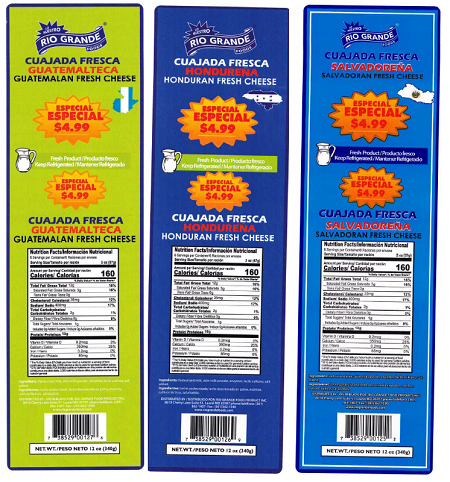
Sample Product Label from the Outbreak Investigation of Listeria monocytogenes in Hispanic-style Fresh and Soft Cheeses (February 2021) - Rio Grande
Sample Product Label from the Outbreak Investigation of Listeria monocytogenes in Hispanic-style Fresh and Soft Cheeses (February 2021) - Rio Lindo
Sample Product Label from the Outbreak Investigation of Listeria monocytogenes in Hispanic-style Fresh and Soft Cheeses (February 2021) - El Abuelito
Sample Product Label from the Outbreak Investigation of Listeria monocytogenes in Hispanic-style Fresh and Soft Cheeses (February 2021) - Chirilagua, Yorito

Recall Information

On 2/24/2021, the firm notified customers via letter that it was expanding the recall of El Abuelito, Rio Grande, and Rio Lindo brand queso frescos, which was announced on 2/19/2021, to include El Abuelito-brand Quesillo (Oaxaca, string cheese) and Requeson (Ricotta) cheeses. These additional products were manufactured or handled in the same facility as the contaminated Queso Fresco products linked to this outbreak.

At this time, FDA is recommending that in addition to the recalled queso fresco cheeses, consumers, restaurants, and retailers should not eat, sell, or serve any El Abuelito-brand Quesillo (Oaxaca, string cheese) or Requeson (Ricotta) cheeses.

The FDA’s recommendation does not include any additional products with the El Abuelito Cheese, Inc. label because they are not manufactured or handled in the same facility; this includes El Abuelito Meat, Inc., Panela cheese, cotija cheese, mole, crema centroamericana, and crema mexicana. Updates will be provided as they become available.

FDA has posted a list of retailers that may have received Hispanic-styles cheeses from the El Abuelito Cheese, Inc. facility in Paterson N.J.  It is possible that this list may not include all retailers who have received these cheeses, however, this list represents the best information currently available to the FDA.

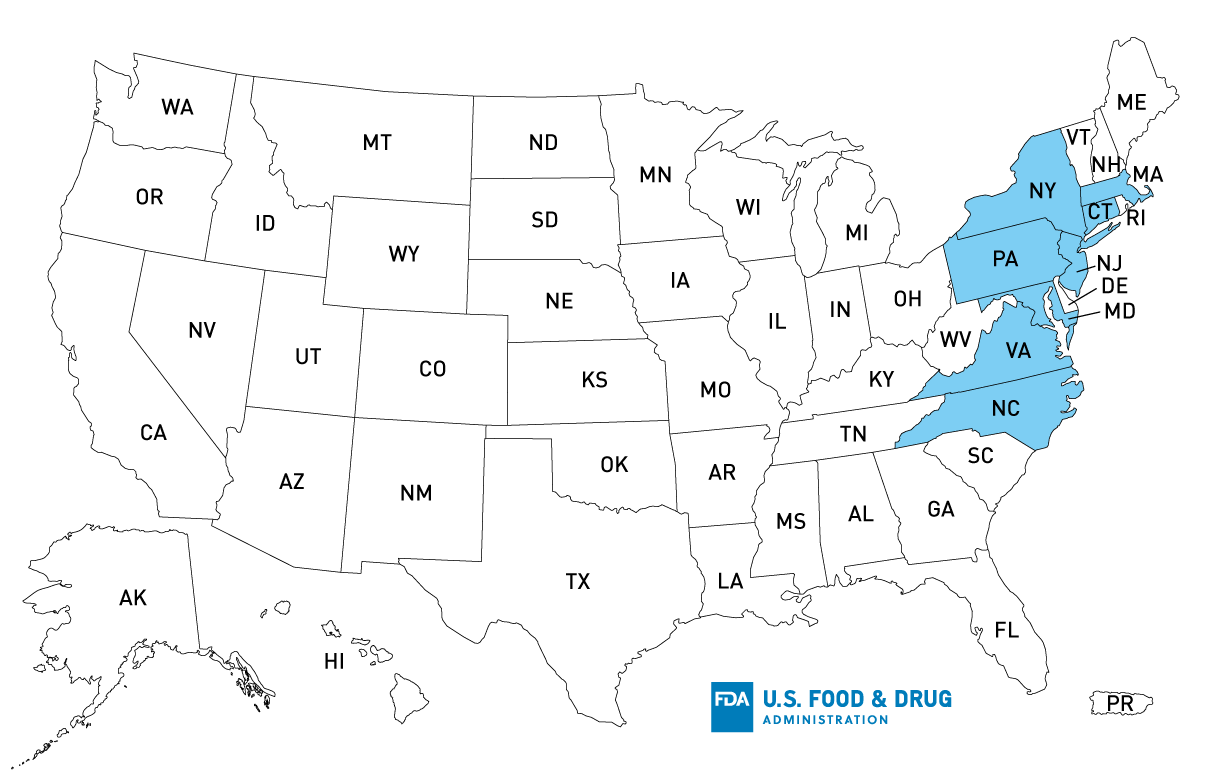
Map of U.S. Distribution of Recalled El Abuelito Queso Fresco

U.S. Distribution of Recalled El Abuelito Queso Fresco

Case Count Map Provided by CDC

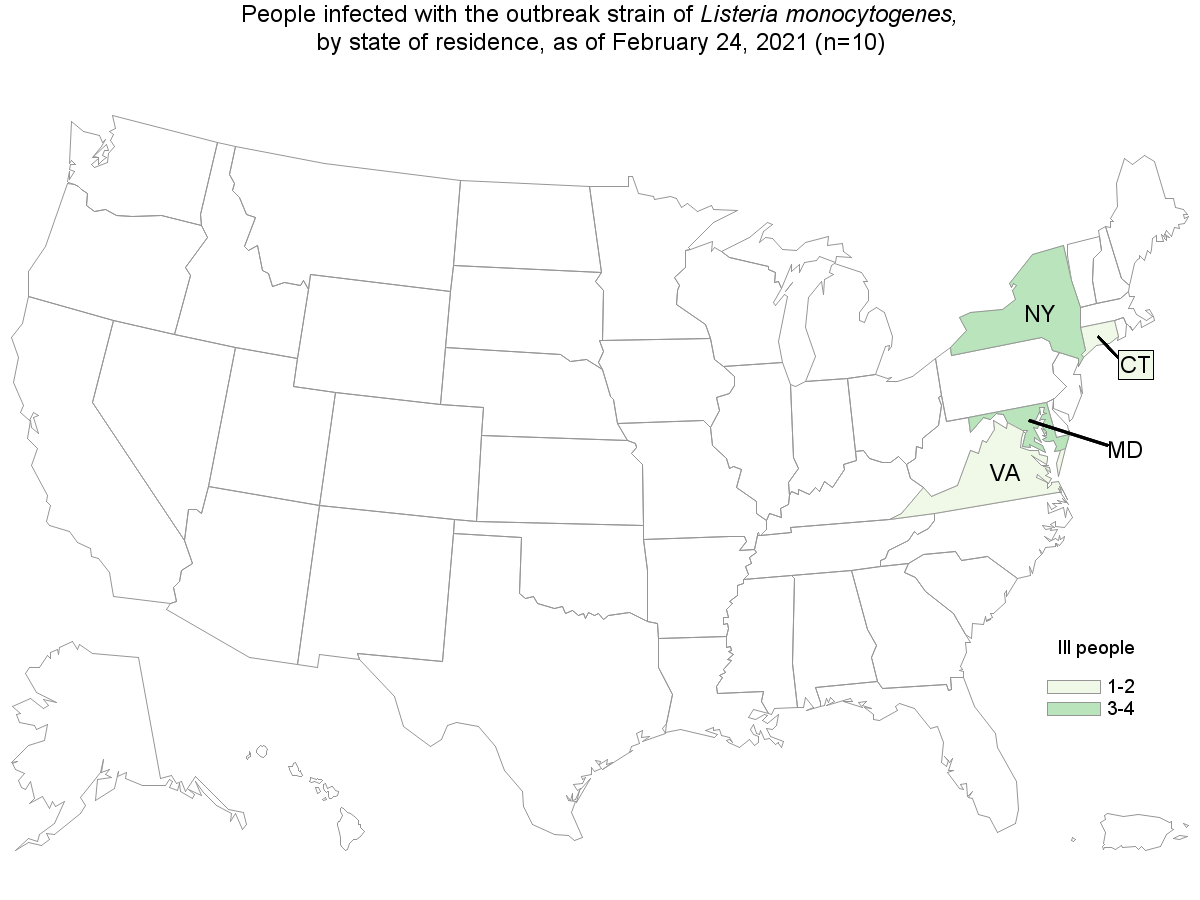
CDC Case Count Map for the Outbreak Investigation of Listeria monocytogenes in Hispanic-style Fresh and Soft Cheeses - 2/24/2021

Case Counts

Total Illnesses: 10
Hospitalizations: 9
Deaths: 0
Last Illness Date: 2/9/2021
States with Cases: CT (1), MD (4), NY (4), and VA (1)
Product Distribution*: CT, MA, MD, NC, NJ, NY, PA, VA
*States with confirmed distribution; product could have been distributed further

Research – Outbreak of ceftriaxone-resistant Salmonella enterica serotype Typhi attributed to eating chicken at hotel X, Tiruchirappalli, India, 2018

IJID Online

Background: Third-generation cephalosporin is widely used for typhoid treatment. In May 2018, India’s National Centre for Disease Control based Antimicrobial resistance surveillance network notified through Tamil Nadu State Surveillance Unit about clustering of ceftriaxone-resistant Salmonella enterica serotype Typhi cases in Tiruchirappalli city, Central Tamil Nadu. Team led by State public health department investigated to identify risk factors.

Conclusion: The cluster of ceftriaxone-resistant Salmonella Typhi was due to eating chicken gravy at hotel X in central Tamil Nadu. We recommended proper processing of chicken and continuing surveillance for ceftriaxone-resistant.

Austria – Investigators still looking for source of outbreak of E. coli infections in Austria

Food Safety News

Austrian authorities are investigating an outbreak of Shiga toxin-producing E. coli (STEC) infections that has affected a handful of people.

Between September and December 2020, six people fell ill with infections from E. coli O146:H28. Those sick live in five federal states. Two people needed hospital treatment.

As yet, there is no indication as to the source of the outbreak, according to the Austrian Agency for Health and Food Safety (AGES). It is understood other countries in Europe have not reported related infections.

USA – CORE Response Teams – Update

FDA

000

Ireland – Recall of a Batch of SFC Chicken Poppets Due to Presence of Salmonella

FSAI

Recall of a Batch of SFC Chicken Poppets Due to Presence of Salmonella

Friday, 26 February 2021

Summary
Category 1: For Action
Alert Notification: 2021.20
Product: The Original SFC Chicken Poppets, pack size:190g
Batch Code: Best before date: 28.02.2022
Country Of Origin: United Kingdom

Message:

SFC is recalling the above batch of its Chicken Poppets due to the detection of Salmonella. Point-of-sale recall notices will be displayed in Tesco stores.

Nature Of Danger:

People infected with Salmonella typically develop symptoms between 12 and 36 hours after infection, but this can range between 6 and 72 hours.  The most common symptom is diarrhoea, which can sometimes be bloody.  Other symptoms may include fever, headache and abdominal cramps.  The illness usually lasts 4 to 7 days. Diarrhoea can occasionally be severe enough to require hospital admission. The elderly, infants, and those with impaired immune systems are more likely to have a severe illness.

Action Required:

Consumers:

Consumers are advised not to eat the implicated batch.

SFC Chicken Poppets

EU – Nine countries part of Salmonella outbreak linked to raw, frozen poultry products

Food Safety News

Salmonella

Nearly 200 people in eight European countries and the United Kingdom are involved in a Salmonella outbreak ongoing since May 2018.

Salmonella Enteritidis infections have been linked to frozen breaded chicken products from Poland with the most recent illness in the UK in December 2020.

Denmark has two infections, Finland has four, France has 33, Germany has six, Ireland has 12, the Netherlands has three, Poland has five, Sweden has six, and the United Kingdom has 122. One probable case was reported in Canada in 2019 but that person had travelled to Europe during the exposure period.

Sweden – Salmonella outbreak in Sweden sickens 12

Outbreak News Today

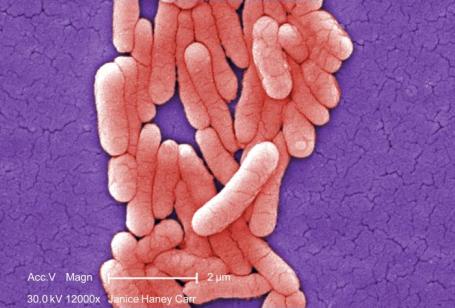
kswfoodworld salmonella

The Swedish Public Health Agency is reporting a nationwide Salmonella outbreak.

Twelve cases of Salmonella Enteritidis disease have been linked using whole genome sequencing (analysis of the bacterium’s genome). Eight of the twelve patients are children under the age of ten and the cases are resident in ten different regions. All cases except one have fallen ill on January 20 or later. There are as many women / girls as men / boys who that have fallen ill.

Switzerland – Cheese Firm In Switzerland Investigated Over Listeria Link

AVA360

listeria

Swiss authorities are investigating if cheese from one company is linked to the deaths of 10 people with listeriosis since 2018.

The Schwyz Public Prosecutor’s Office has opened criminal proceedings in connection with Listeria in dairy products and is investigating allegations against the owner of the cheese firm.

A total of 34 cases are believed to have been infected with the same Listeria strain that was detected in brie from the dairy, according to the criminal complaint. Ten of the 34 sick people died. This resulted from analyzes commissioned by the federal government.

The ongoing investigation, with Schwyz police, includes whether the business owner is responsible for the illnesses and has violated food law.

Käserei Vogel AG, based in Steinerberg, a municipality of Schwyz, found Listeria in semi-hard cheese and at its production site in May this year. The company issued a recall, told authorities and informed its buyers to remove the products from shelves. The cheesemaker has already closed the business. More than 25 items sold across Switzerland were recalled and distribution also included Belgium and Germany.