
RASFF -ochratoxin A (14.1 µg/kg – ppb) in raisins from Turkey in Germany
RASFF-ochratoxin A (17.0 µg/kg – ppb) in roasted salted pistachios from the United States, packaged in Lithuania in Finland


RASFF-histamine (220; 260 mg/kg – ppm) in anchovy fillets with olive oil from Italy in Italy

RASFF-shigatoxin-producing Escherichia coli (stx1+ stx2+ eae+ /25g) in chilled beef from Uruguay in the Netherlands

RASFF-Amnesic Shellfish Poisoning (ASP) toxins – domoic acid (57.8 mg/kg – ppm) in scallops (Pecton jacobeus) from Belgium in Belgium
As a precaution, approximately 7,000 cases of Taco Bell Salsa Con Queso Mild Cheese Dip are being voluntarily recalled because the affected product is showing signs of product separation which can lead to a potential health hazard.
This could create conditions that could allow for the growth of Clostridium botulinum (C. botulinum), a bacterium which can cause life-threatening illness or death. Consumers are warned not to use the product even if it does not look or smell spoiled.
Botulism, a potentially fatal form of food poisoning, can cause the following symptoms: general weakness, dizziness, double vision, and trouble with speaking or swallowing. Difficulty in breathing, weakness of other muscles, abdominal distension and constipation may also be common symptoms. People experiencing these problems should seek immediate medical attention.
There have been no consumer complaints or reports of illness related to this issue to date.
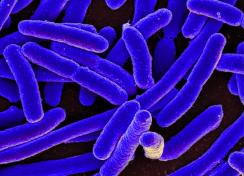
Image CDC Enter a caption
Increased use of ingredient-based analyses is being promoted by researchers after the method was used to identify the source of infection in an E. coli outbreak.
Public Health England was alerted to an outbreak of Shiga toxin-producing E. coli (STEC) O157 phage type (PT) 34 in July 2016 involving 56 cases in England and Wales. The source of infection was baby-mixed leaf salad, which was an ingredient in multiple dishes.
“A traditional analysis may have resulted in multiple menu items being associated with illness, thereby failing to identify the true source of infection,” said researchers.
Posted in E.coli, E.coli O157, E.coli O157:H7, food contamination, Food Hygiene, Food Illness, Food Inspections, Food Micro Blog, Food Microbiology, Food Microbiology Blog, Food Pathogen, Food Poisoning, food recall, Food Safety, Food Safety Alert, Food Testing, Food Toxin, outbreak, STEC, Uncategorized
MOSCOW, July 20. /TASS/. About 190 people picked up a severe case of food poisoning in Russia’s Tuva Region, and nearly 100 of them have been hospitalized, Tuva Regional Head Sholban Kara-ool informed on Friday.
Visitors to a local kebab place ended up suffering from an intestinal infection. “In total, 187 people have sought medical attention over the past couple of days, and 99 have been hospitalized. The other 88 are receiving ambulatory treatment at home under supervision of local physicians and pediatricians. As of today, 13 people have left the hospital because their condition improved, while 86 people remain hospitalized,” the head of Tuva wrote on his VK account.
Public Health Officers in Marsabit County have seized 2,856 bags of maize infected with aflatoxin.
The maize, which was stored at the Marsabit National Cereals and Produce Board, was found to have aflatoxin levels eight times above the regulatory limit.
Marsabit County Executive in charge of Public Health and Sanitation David Timado said on Saturday that health officers took action after members of the public raised complaints over the quality and colour of the relief maize.
Mr Timado said the complaints were raised by Jaldesa, Sagante, North Horr area and Laisamis residents.
“Public health officers from various sub-counties visited the National Cereals and Produce Board depot where they picked samples from the different stores for analysis at the Kenya Government Chemist and the National Public Health Laboratories in Nairobi,” said Mr Timado.
Mr Timado added that about 460 bags of relief maize was affected by weevils.
“We have seized all the grains and we urge members of the public to be calm as the situation is under control. All public health officials across the county have started inspecting maize in markets and schools,” added Mr Timado.
The Ministry for Primary Industries (MPI) today issued a public health warning against collecting shellfish on the west coast of the North Island in the Taranaki and Waikato region. The warning extends from Raglan, including Raglan Harbour, southward to Urenui. The alert also includes Aotea and Kawhia Harbours.
Routine tests on shellfish samples taken from sites in this region have shown levels of Paralytic Shellfish Poisoning (PSP) toxins above the safe limit of 0.8 mg/kg set by MPI. Anyone eating shellfish from this area is potentially at risk of illness.
Warnings remain in place for the Pelorus Sounds and Akaroa Harbour.
Mussels, oysters, tuatua, pipi, toheroa, cockles, scallops, catseyes, kina (sea urchin) and all other bivalve shellfish should not be eaten.
Note: cooking shellfish does not remove the toxin.
Pāua, crab and crayfish may still be eaten if the gut has been completely removed prior to cooking, as toxins accumulate in the gut. If the gut is not removed its contents could contaminate the meat during the cooking process.
Symptoms typically appear between 10 minutes and 3 hours after ingestion and may include:
If anyone becomes ill after eating shellfish from an area where a public health warning has been issued, phone Healthline for advice on 0800 61 11 16, or seek medical attention immediately. You are also advised to contact your nearest public health unit and keep any leftover shellfish in case it can be tested.
Monitoring of toxin levels will continue and any changes will be communicated accordingly. Commercially harvested shellfish – sold in shops and supermarkets, or exported – is subject to strict water and flesh monitoring programmes by MPI to ensure they are safe to eat.
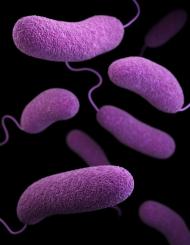
EImage CDC
A 71-year-old man died from a bacteria infection after eating raw oysters at a restaurant in Sarasota County, Florida, according to reports.
The Florida Department of Health has not released the man’s identity or the restaurant where he ate, but CBS Miami reported the man died two days after eating the oysters, after contracting a Vibrio vulnificus infection.
“We have an individual that consumed some raw oysters and to the best of our knowledge had no exposure to salt water, became severely ill, and passed away,” said Michael Drennon of the Sarasota County Health Deptartment, WJAX reports.

 FoodWorld