Category Archives: Food Technology

Research – The Survival of Salmonella enterica Strains in Ready-to-Eat Fruit Purees under Different Storage Temperatures

MDPI

Salmonella enterica, known for its resilience to acidic environments, has been linked to foodborne outbreaks of illness from fruit derivatives. This study aimed to assess the survival of five serovars of Salmonella enterica subsp. enterica in various fruit purees subjected to different storage temperatures. Among the studied serovars, S. enteritidis exhibited the most significant population decrease in all fruit purees. In contrast, S. Agona, S. Gaminara, S. Michigan, and S. Montevideo survived in peach puree at 4 °C for at least 3 days, and S. Agona, S. Gaminara, and S. Montevideo maintained their initial levels in pear puree under the same time/temperature conditions. However, none of the strains were detectable in plum and black currant purees after 2 days at 4, 15, or 25 °C. These findings highlight variations in the behaviour of S. enterica serovars within different fruit purees. Likewise, low-temperature conditions prolonged the survival of the tested strains in all fruit purees analysed.
Research – Effect of Treatment with Heated Scallop Shell Powder on the Inactivation of Naturally Existing Bacteria and Listeria monocytogenes Inoculated on Chicken Meat

MDPI

Abstract

This study investigated the efficacy of heated scallop shell powder (HSSP) treatment in preserving chicken thigh meat. Chicken thigh meat was treated with HSSP slurry (1% and 5%) for 60 min, and the variation in aerobic bacteria and coliform populations was assessed during refrigerated storage (10 °C). There was a substantial increase in aerobic bacteria, reaching nearly 7 log10 colony forming unit (CFU)/g following 7 days of refrigeration, in the untreated chicken meat. Conversely, the aerobic bacterial population of the HSSP-treated chicken was <5 log10 CFU/g. Coliform growth in the untreated chicken reached over 5 log10 CFU/g following 7 days. In contrast, the coliform population of the HSSP-treated chicken did not reach 5 log10 CFU/g at 1% HSSP concentration; it was suppressed to <4 log10 CFU/g at 5% concentration. Listeria monocytogenes, which can grow at low temperatures, was inoculated into the chicken meat (5 log10 CFU/g) treated with alcohol, which was followed by HSSP. In the untreated chicken, L. monocytogenes increased to 9 log10 CFU/g even when refrigerated for 7 days. However, in the chicken treated with 5% HSSP, L. monocytogenes was suppressed to approximately 3 log10 CFU/g. These findings reveal that HSSP treatment is an effective method for disinfecting meat, inhibiting bacterial growth, and enhancing preservation.

Research – Application of Ultrasound Treatments in the Processing and Production of High-Quality and Safe-to-Drink Kiwi Juice

MDPI

Abstract

This study explores the potential of thermosonication as an alternative to traditional heat treatments, such as pasteurization, in the processing of fruit juices. Conventional methods often lead to undesirable quality changes in fruit juices, whereas thermosonication offers promising results regarding microbial inactivation and quality preservation. This work focused on the inactivation kinetics of Listeria innocua 2030c, a surrogate for pathogenic L. monocytogenes, in kiwifruit juice using thermosonication at 45 °C, 50 °C, and 55 °C. These treatments were compared with equivalent heat treatments. Quality attributes of the juice were also evaluated to assess process efficiency. Survival data of L. innocua were fitted with the Weibull model, estimating first decimal reduction times (δ) and shape parameters (n). The results reveal temperature and process dependencies on δ, while n remains mostly temperature and treatment independent. Thermosonication outperforms heat treatment, achieving higher L. innocua reductions while retaining quality attributes like pH, soluble solid content, and total phenolics and chlorophylls. Thermosonication at 55 °C stands out, providing a 6.2-log-cycle reduction in just 3 min with superior quality retention. These findings highlight the synergistic effect of temperature and ultrasound, making mild heat processes feasible while enhancing product quality. Thermosonication, particularly at 55 °C, emerges as an effective alternative to traditional thermal treatments for fruit juices, offering improved microbial safety without compromising product quality.

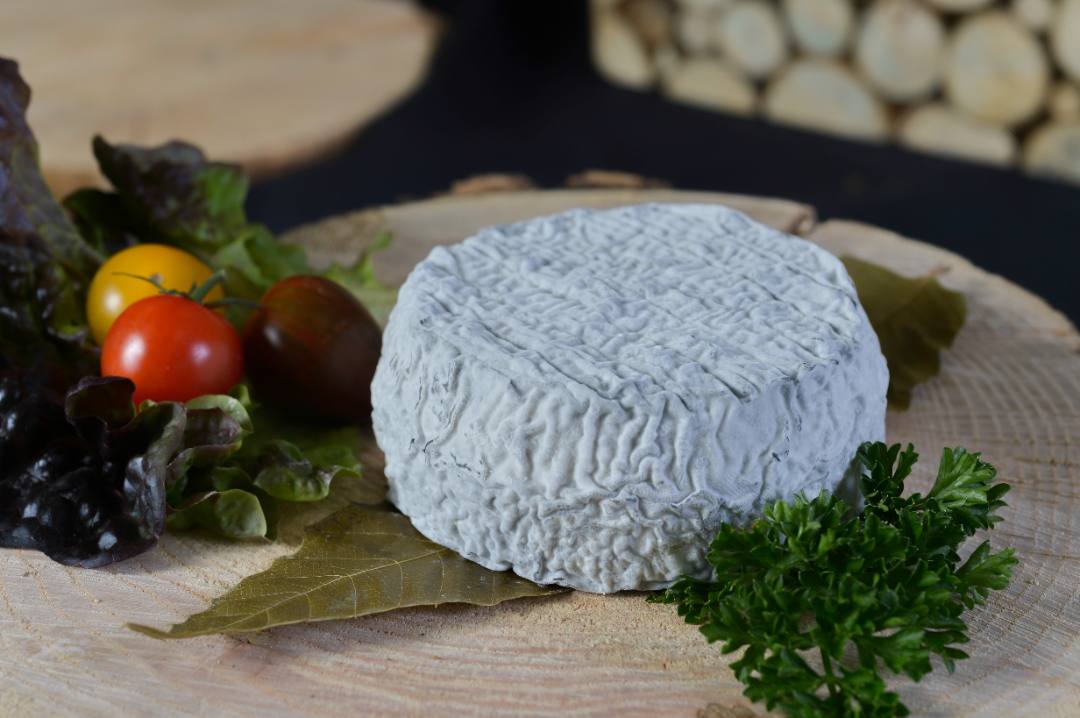
France – Goat cheese -Parthenay ash – STEC E.coli

Gov France

Product category
Food
Product subcategory
Milk and dairy products
Product brand name
White Cheese Shop
Model names or references
Goat cheese – Parthenay ash
Product identification
Batch Date
lot number: 353 Minimum durability date 02/16/2024
Start/end date of marketing
From 12/26/2023 to 01/08/2024
Storage temperature
Product to keep in the refrigerator
Health mark
FR 79-202-024 CE
Geographical sales area
Whole France
Distributors
DISCOUNTS – SAFF – WEST DISTRIBUTION FEES – TEAM WEST

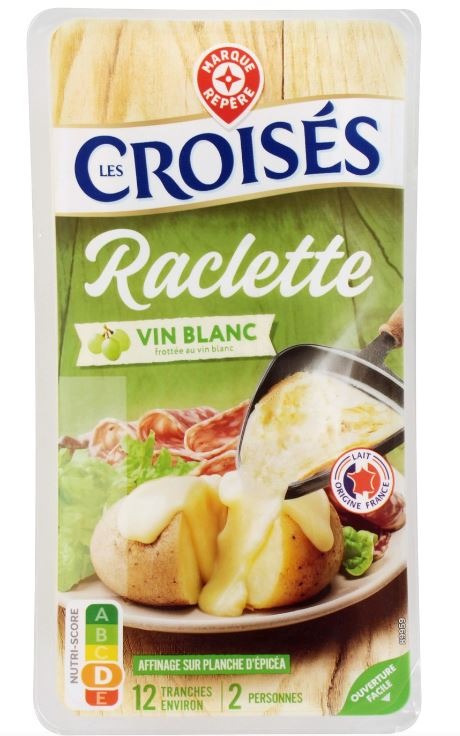
France – Cheese – WHITE WINE RACLETTE 250G – Listeria monocytogenes

Gov France

Product category
Food
Product subcategory
Milk and dairy products
Product brand name
THE CRUSADERS
Model names or references
WHITE WINE RACLETTE 250G
Product identification
GTIN Batch Date
3564700604168 Lot: 042 24 009 02 00:40 to 042 24 009 02 17:10 inclusive Minimum durability date 03/06/2024
Packaging
250G tray
Start/end date of marketing
From 01/11/2024 to 01/18/2024
Storage temperature
Product to keep in the refrigerator
Health mark
FR 52.332.001 CE
Geographical sales area
Whole France
Distributors
E. LECLERC

Research – Effectiveness of Ultra-High Irradiance Blue-Light-Emitting Diodes to Control Salmonella Contamination Adhered to Dry Stainless Steel Surfaces

MDPI

Controlling Salmonella contamination in dry food processing environments represents a significant challenge due to their tolerance to desiccation stress and enhanced thermal resistance. Blue light is emerging as a safer alternative to UV irradiation for surface decontamination. In the present study, the antimicrobial efficacy of ultra-high irradiance (UHI) blue light, generated by light-emitting diodes (LEDs) at wavelengths of 405 nm (841.6 mW/cm2) and 460 nm (614.9 mW/cm2), was evaluated against a five-serovar cocktail of Salmonella enterica dry cells on clean and soiled stainless steel (SS) surfaces. Inoculated coupons were subjected to blue light irradiation treatments at equivalent energy doses ranging from 221 to 1106 J/cm2. Wheat flour was used as a model food soil system. To determine the bactericidal mechanisms of blue light, the intracellular concentration of reactive oxygen species (ROS) in Salmonella cells and the temperature changes on SS surfaces were also measured. The treatment energy dose had a significant effect on Salmonella inactivation levels. On clean SS surfaces, the reduction in Salmonella counts ranged from 0.8 to 7.4 log CFU/cm2, while, on soiled coupons, the inactivation levels varied from 1.2 to 4.2 log CFU/cm2. Blue LED treatments triggered a significant generation of ROS within Salmonella cells, as well as a substantial temperature increase in SS surfaces. However, in the presence of organic matter, the oxidative stress in Salmonella cells declined significantly, and treatments with higher energy doses (>700 J/cm2) were required to uphold the antimicrobial effectiveness observed on clean SS. The mechanism of the bactericidal effect of UHI blue LED treatments is likely to be a combination of photothermal and photochemical effects. These results indicate that LEDs emitting UHI blue light could represent a novel cost- and time-effective alternative for controlling microbial contamination in dry food processing environments.

Research – Hazards in Seafood Notified in the Rapid Alert System for Food and Feed (RASFF) in 1996–2020

MDPI

Abstract

Seafood covering fish, crustaceans, molluscs and cephalopods is broadly recognised for its nutritional value and popularity, but it can pose some hazards to health to the potential consumer. The aim of the study was to analyse Rapid Alert System for Food and Feed (RASFF) notifications for seafood over the period 1996–2020 by hazard, year, product, notifying country, country of origin, notification type, notification basis, distribution status and action taken. The research applied cluster analysis using the joining and two-way joining methods. The main reported hazards were micro-organisms (ListeriaSalmonellaEscherichia coliVibrio, norovirus, mesophiles, Enterobacteriaceae and histamine), heavy metals (mercury and cadmium), veterinary products (nitrofuran, chloramphenicol and leucomalachite green), controls (poor temperature control and hygienic state), parasites (Anisakis) and additives/allergens (sulphite). The reported seafood products originated mainly from European and Asian countries and were notified on the basis of official or border controls, respectively. In order to minimize or eliminate risks, it is important to have the right activity of control authorities, appropriate legislation at the European and national levels and awareness at the different stages of the food chain.

Research – Biocontrol of L. monocytogenes with Selected Autochthonous Lactic Acid Bacteria in Raw Milk Soft-Ripened Cheese under Different Water Activity Conditions

MDPI

Abstract

The effect of selected autochthonous Lactic Acid Bacteria (LAB) against Listeria monocytogenes was evaluated in two elaborations of soft-ripened cheese performed under high and low relative humidity (RH) elaborations, to achieve aw ranging from 0.97 to 0.94 in ripened cheeses. Two selected autochthonous strains of Lacticaseibacillus casei 31 and 116 were used. In each elaboration, 8 batches were physicochemically and microbiologically evaluated throughout the ripening process. The aw and pH decreased during ripening to final values ranging from 0.944 to 0.972 aw and 5.0 to 5.3 pH, respectively. LAB was the only microbial group that increased throughout the ripening in high and low RH elaborations. In batches that were uninoculated with LAB strains, L. monocytogenes was either maintained at the initial inoculation level or showed a slight reduction by the end of the ripening process. However, in LAB-inoculated batches in the two elaborations, steady decreases of L. monocytogenes were observed throughout maturation. L. casei 31 alone or in combination with strain 116 provoked reductions of 2 to 4 log CFU/g in L. monocytogenes over 60 days of ripening, which could be enough as a strategy for biocontrol to deal with the usual contamination by L. monocytogenes during cheese processing.

Research – Positive and negative aspects of bacteriophages and their immense role in the food chain

Nature

Abstract

Bacteriophages infect and replicate inside a bacterial host as well as serve as natural bio-control agents. Phages were once viewed as nuisances that caused fermentation failures with cheese-making and other industrial processes, which lead to economic losses, but phages are now increasingly being observed as being promising antimicrobials that can fight against spoilage and pathogenic bacteria. Pathogen-free meals that fulfil industry requirements without synthetic additives are always in demand in the food sector. This study introduces the readers to the history, sources, and biology of bacteriophages, which include their host ranges, absorption mechanisms, lytic profiles, lysogenic profiles, and the influence of external factors on the growth of phages. Phages and their derivatives have emerged as antimicrobial agents, biodetectors, and biofilm controllers, which have been comprehensively discussed in addition to their potential applications in the food and gastrointestinal tract, and they are a feasible and safe option for preventing, treating, and/or eradicating contaminants in various foods and food processing environments. Furthermore, phages and phage-derived lytic proteins can be considered potential antimicrobials in the traditional farm-to-fork context, which include phage-based mixtures and commercially available phage products. This paper concludes with some potential safety concerns that need to be addressed to enable bacteriophage use efficiently.

Research – Evaluation of the Effectiveness of Aeration and Chlorination during Washing to Reduce E. coli O157:H7, Salmonella enterica, and L. innocua on Cucumbers and Bell Peppers

MDPI

Abstract

The attachment strength of bacteria to surfaces can affect the efficacy of sanitizers during washing. This study aimed to determine the effectiveness of chlorination and aeration in the removal of pathogens from the surface of produce. Cucumbers and bell peppers were inoculated with Listeria innocuaEscherichia coli O157:H7, or Salmonella enterica; afterwards, the produce was washed with or without chlorinated water (100 ppm) for 3 min in combination with or without aeration. Cucumbers washed with chlorinated water, with or without aeration, presented significant reductions of L. innocua (3.65 log CFU/cm2 and 1.13 log CFU/cm2, respectively) (p < 0.05). Similarly, bell peppers washed in chlorinated water with aeration (1.91 log CFU/g) and without aeration (2.49 log CFU/g) presented significant reductions of L. innocua. A significant reduction of L. innocua was observed on bell peppers washed with non-chlorinated water with aeration (2.49 log CFU/g) (p < 0.05). Non-chlorinated water was also effective in significantly reducing the level of Salmonella enterica (p < 0.05) on cucumbers and bell peppers. Washing with chlorinated water with aeration reduced Salmonella enterica levels from 4.45 log CFU/cm2 on cucumbers to below the detectable limit (0.16 log CFU/cm2). The highest reduction of Salmonella enterica from bell peppers occurred after washing with chlorinated water with aeration (2.48 log CFU/g). E. coli O157:H7, L. innocua, and Salmonella enterica levels present in non-chlorinated water after washing contaminated produce with or without aeration were significantly greater than those in chlorinated water (p < 0.05). After treatment, the population levels of all pathogens in chlorinated water with or without aeration were below the detectable limit for bell peppers (<1.10 log CFU/mL) and cucumbers (<1.20 log CFU/mL). Using chlorine in combination with forced aeration during washing minimizes cross-contamination of bacterial pathogens.