Category Archives: Food Technology

USA – UNFI Recalls its Woodstock Frozen Organic Grilled Red Peppers Because of Possible Health Risk

FDA

Company Announcement

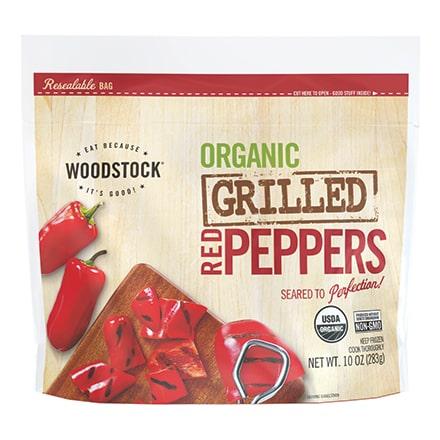
Out of an abundance of caution, UNFI is voluntarily recalling its 10 ounce packages of Woodstock frozen Organic Grilled Red Peppers because they have the potential to be contaminated with Listeria monocytogenes . Listeria monocytogenes is an organism which can cause serious and sometimes fatal infections in young children, frail or elderly people, and others with weakened immune systems. Although healthy individuals may suffer only short-term symptoms such as high fever, severe headache, stiffness, nausea, abdominal pain and diarrhea, Listeria infections can cause miscarriages and stillbirths among pregnant women.

The product comes in a 10 ounce plastic package marked with UPC code 4256301714, lot #60B, and an expiration date of April 2020 stamped on the back of the package and was distributed nationally to retail stores.

No illnesses have been reported to date in connection with this problem.

The potential for contamination was noted after routine testing by the Rhode Island Department of Health (RIDOH) revealed the presence of Listeria monocytogenes in the lot number identified above. The production of the product has been suspended while RIDOH and UNFI continue to investigate.

Consumers who have purchased 10 ounce packages of Woodstock frozen Organic Grilled Red Peppers with the indicated lot code above, are urged to dispose of the product properly and may contact ResponseTeam@bluemarblebrands.com with any questions.


Company Contact Information

Media:
Jeff Swanson
 952-903-1645
 Jeffrey.S.Swanson@unfi.com

Product Photos

Research – Norovirus structures could help develop treatments for food poisoning

Science Direct

Noroviruses are a leading cause of food-borne illness outbreaks, accounting for 58% of all outbreaks and cause 685 million cases worldwide each year. There is no effective therapeutic against them. Having knowledge of the intricate structure of the outer layer of noroviruses, the capsid, which allows the virus to attach to its human host, could help in vaccine development.

In vaccines, specific antibodies recognize the capsids and bind to them so they can no longer interact with human cells. “We need to understand what the norovirus capsid shapes actually look like, and the shape differences between different strains,” said James Jung, a postdoctoral fellow in Dr. Leemor Joshua-Tor’s lab at Cold Spring Harbor Laboratory (CSHL).

Jung and Joshua-Tor led a team to solve the high-resolution structures of four different strains of noroviruses using a cryo-electron microscope. This allowed them to see the intricate architecture of virus shells in high-definition. Their findings are published in the journal PNAS.

Jung gleaned new insights that could help in guiding the development of therapeutics to fight norovirus infection. “Previously, it was thought that the norovirus shells exist in single-sized assemblies consisting of 180 building blocks and 90 surface spikes. What we found was an unexpected mixture of different shell sizes and shapes. We found a smaller form, which consists of just 60 building blocks with 30 surface spikes placed further apart. We also found larger shells made out of 240 building blocks with 120 surface spikes that are lifted significantly above the base of the shell and form a two-layered architecture that could interact differently with the human cells,” he said.

The spikes on the shell interact with the host. Jung found that the distance and orientation of the spikes varied across the different strains of noroviruses. “That means each strain will interact differently with human cells,” Jung explained. “The way the antibodies bind is also going to be different. Vaccines should be formulated to take into account the variations across strains and structural forms.”

Story Source:

Research – Prevention of Foodborne Cyclospora Outbreaks

AGF Storage Cyclospora_LifeCycle201

In the spring and summer of 2018, Fresh Express and other fresh produce suppliers were linked to a Cyclospora cayetanensis outbreak — with U.S.-grown fresh produce samples testing positive for the parasite. To address this issue, Fresh Express formed the Blue-Ribbon Panel on the Prevention of Foodborne Cyclospora Outbreaks, comprising scientists with deep expertise in the biology of the organism, food safety, outbreak response, and public health. The panel was charged with studying the parasite and identifying controls to limit further C. cayetanensis– associated outbreaks. After a November 2018 in-person meeting, the Blue-Ribbon Panel formed four working groups that continued to work on C. cayetanensis specific issues related to root-cause assessment, preventive measures/controls, collaborative approach, and testing
validation over the next several months. This report contains the working groups’ preliminary findings, recommendations, and continuing priorities to more effectively prevent and control C. cayetanensis outbreaks going forward.


Research – Listeria monocytogenes risk associated with chicken at slaughter and biocontrol with three new bacteriophages

Wiley Online

Listeria kswfoodworld food safety food poisoning

Image CDC


Abstract

The aim of this study was to isolate Listeria monocytogenes from chicken neck skins and lytic bacteriophages from poultry slaughterhouse wastewaters, and following the characterization of the isolates, biocontrol of L. monocytogenes was investigated on chicken drumsticks with the isolated phages. L. monocytogenes prevalence was detected 12.3% in the chicken samples and the dominant serotype was determined as 1/2a (92.5%). Expression levels of major virulence genes were revealed by real‐time RT‐PCR. Ten different DNA profiles were detected by ERIC‐PCR fingerprinting. According to the MIC results, LM‐P75 was defined as MDR by showing resistance to antibiotics in six different groups. Besides, five lytic listeriophages were isolated from wastewaters and treated with Cla1 and Sac1. Taking EoP, TEM, in vitro, and in vivo analyses results into consideration, three bacteriophages were used for the biocontrol assay. The application of the bacteriophages on drumsticks achieved a reduction up to 3.3 log CFU/ml in L. monocytogenes count in 3 hr of incubation at 4°C.

Practical applications

Our results showed that in spite of the developments in hygiene practices during slaughtering, chicken meat is still a potential source for L. monocytogenes. On the other hand, the phage cocktail that used in this study can be an effective tool to reduce L. monocytogenes in chicken carcasses at final wash or at cooling step in poultry slaughtering process, as well as in decontamination of chicken meat parts.

Research – The effect of silver nanocomposite packaging based on melt mixing and sol–gel methods on shelf life extension of fresh chicken stored at 4 °C

Wiley Online

Abstract

In the present study, seven types of films were produced using different proportions of polyethylene containing silver, clay, and titanium dioxide nanoparticles. Following the determination of the minimum inhibitory concentration of the films in the eradication of Staphylococcus aureus and Escherichia coli, the film containing 5% silver nanoparticles and 5% titanium dioxide nanoparticles was found to have the highest antimicrobial property and was determined to be an ideal cover for food products. The antibacterial effect of the films on the shelf life extension and quality of the chicken stored at 4 °C in the Days 1, 3, and 5 of the experiment was checked. The structure and morphology of the nanoparticles and the selected films were evaluated using a field emission scanning electron microscope, scanning electron microscope, transmission electron microscope, Fourier‐transform infrared spectroscopy, and dynamic light scattering. The analysis of the results indicated that the most appropriate inhibition growth was observed with S. aureus and E. coli in nutrient agar and the largest diameter of the radial inhibition zone occurred with S. aureus. Moreover, the analysis of variance showed that the effect of different concentrations of silver and titanium dioxide nanoparticles was significant (p < .05). The results of this study showed that the produced nanocomposite was used to preserve chicken meat for 5 days at 4 °C inhibited the growth of both types of bacteria.

Practical applications

Nowadays production of active packaging is increasing worldwide as they were proved to have numerous effects on inhibiting of microbial growth and even bactericidal effects. Therefore, a wide variety of food producers in different sections namely agriculture, dairy, and meat industries have applied nanopackaging using different nanoparticles. Thus, more research on different physicochemical and antimicrobial effects are needed.

Research -Thermal resistance of Listeria monocytogenes and background microbiota in unsalted and 10% salted liquid egg yolk

Wiley Online

Abstract

Listeria monocytogenes is a major foodborne pathogen that may contaminate liquid egg yolk (LEY). A background microbiota, purified and identified as Enterococcus faecium with a 99.0% probability, was found in pasteurized unsalted LEY. This study was conducted to investigate the thermal resistance of L. monocytogenes and the background microbiota in unsalted and 10% salted LEY at temperatures between 55 and 67.5°C. Both Weibull model and linear survival model were used to analyze the survival curves. Data analysis showed that the thermal resistance of E. faecium was not affected by the addition of 10% salt in LEY, and it was almost two orders in magnitude higher than that of L. monocytogenes in unsalted LEY. Adding 10% salt to LEY significantly elevated the thermal resistance of L. monocytogenes to the level of E. faecium. It can be concluded that the heating conditions used to inactivate L. monocytogenes or Salmonella Enteritidis would not be able to kill E. faecium if it is found in unsalted LEY, while similar heating conditions can be used to kill both L. monocytogenes and E. faecium in 10% salted LEY. The results of this study may be used to design adequate heating conditions to inactivate L. monocytogenesand E. faecium in LEY.

Practical applications

Salted liquid egg yolk (LEY) contaminated with L. monocytogenes may require higher temperature or longer time to process. This study determined the thermal processing conditions that may be required to inactivate L. monocytogenes. The results attained from this study may be useful to the food industry that uses 10% salted LEY in the products.

Research – Rapid detection of single viable Escherichia coli O157:H7 cells in milk by flow cytometry

Wiley Online

kswfoodworld E.coli O157

Image CDC


Abstract

Escherichia coli O157:H7 (E coli O157:H7) is a highly virulent bacterial strain that is present in food, and as few as 10 cells can cause severe diseases. Rapid and sensitive bacterial detection is urgently required. In this study, we report a flow cytometry (FCM)‐based method for detecting E coli O157:H7 at the single‐cell level. Single E coli O157:H7 cells were obtained by a flow cytometric cell sorter and then artificially added to milk. Next, using BHI for 6.5 hr of enrichment, isolation of target cells, and dual staining, this method could be applied to detect single viable E coli O157:H7 cells in 25 mL of milk. The time to results (TTR) of the FCM‐based method was 7 hr.

Practical applications

The plate‐based method is the currently recommended method for detection of single E coli O157:H7 cells in milk because of the ease of operation. However, this method is time‐consuming, requiring enrichment of the target organism to attain quantifiable levels. Accordingly, rapid detection of microorganisms in milk would be of great benefit to public health. Flow cytometry (FCM) is a sensitive technique that can be used to rapidly analyze foodborne pathogens. Unfortunately, little attention has been paid to single‐cell detection in milk. This study provides a rapid method for detection of single viable E coliO157:H7 cells in milk. This method has the potential to provide effective protection against E coli O157:H7 contamination and is required for rapid detection of microorganisms in dairy products.

Research – ECDC TECHNICAL REPORT Proficiency test for Listeria monocytogenes whole genome assembly

ECDC ecdclogo

Executive summary
Within its mission to operate EU surveillance networks, ECDC supports the integration of whole genome sequencing (WGS) data into surveillance and multi-country outbreak investigations of foodborne diseases including listeriosis as one of the priority diseases. To evaluate the inter-laboratory reproducibility and portability of Listeria monocytogenes genome assemblies, ECDC organised a proficiency test for national public health reference laboratories with WGS typing capabilities in the EU/EEA, as well as EFSA and the EU Reference Laboratory for L. monocytogenes.
This report presents the results of the proficiency test. Each participant received a total of 15 sets of raw sequence reads, which were to be assembled by one or more pipelines of their choice. The resulting assemblies were then compared to the reference assembly generated by ECDC on several quality metrics. There were 16 participants, submitting results for 29 pipelines. Twelve participants, including 10 of the 14 participating public health reference laboratories, had at least one concordant pipeline for Illumina reads. The other participants were provided with individual feedback on possibilities to improve their pipeline(s). Participants with a concordant pipeline are recommended to use that for their own analyses as well as for any sharing of assemblies with other organisations including ECDC. For EU-level surveillance purposes ECDC will only accept assemblies generated with a concordant pipeline. Any new pipelines or updates to existing pipelines should go through the same proficiency testing before being used for sharing data with ECDC. For outbreak investigation purposes when more detailed analysis can be needed, raw sequence reads are proposed to be shared instead of or in addition to assemblies for isolates included in the cluster. For Ion Torrent reads, it was not possible to establish concordance. ECDC suggests that any countries producing
these reads share not only the reads with other organisations but also the extracted allele sequences for at least the core genome in the form of a fasta file. This was shown to produce acceptable results and allows other organisations, including ECDC, to perform their allele calling as with any regular assembly. It was also found that the assembly process can be used to remove low-level contamination. Conversely, low-level
contamination can give rise to much longer assembly lengths than the expected length due to the presence of a
large number of very small contigs with very low quality. It is recommended that assembly pipelines include
removal of such small and unreliable contigs, ideally in a way that still alerts the user to the likely presence of
low-level contamination.
EU laboratories that have installed a new or updated pipeline are welcome to have its concordance assessed by
ECDC at any time.


Research – UMD Plasma Research Shows 99% E.coli Kill on Fresh Produce in One Minute

Quality Assurance Mag

What if you could kill 99% of the potentially harmful bacteria on the surface of your fresh produce in one minute with just the flip of a switch? Consumers could have devices similar in size and operation to a microwave oven, while restaurants and food processors could have larger devices built into their production and processing lines – no water, no waste, no antimicrobial resistance, minimal chemical residues, and completely sustainable with only a small amount of electricity and air needed. This has become plausible due to research at the University of Maryland (UMD) focused on innovative work in low-temperature plasma science.

Italy – Hepatitis cases linked to turmeric food supplements in Italy

Food Safety News

Two cases of hepatitis have been associated with a brand of turmeric food supplements, according to Italian health authorities.

The Istituto Superiore di Sanità (National Institute of Health/ISS) reported that two types of turmeric food supplements of the company Ni.va. Di Destro Franco and Masetto Loretta S.n.c., based in Via Padova 56, Vigonza have been recalled.

Curcumina Plus 95 percent with production lot code 18L823 and expiration date of October 2021 and Curcumina 95 percent with production lot code 18M861 and expiration  date of November 2021 are affected.

They were produced by the firm Frama S.R.L. in Noventa Padovana.

ISS reported that the two acute cholestatic hepatitis cases “evolved favorably” but did not give more details on the patients or type of hepatitis involved.