Category Archives: Food Safety

Belgium – Barry Callebaut detected Salmonella positive production lot in Wieze

Barry Callebaut

  • Barry Callebaut detected a salmonella positive production lot manufactured in the chocolate factory in Wieze/Belgium
  • All chocolate products manufactured in Wieze since June 25 were placed on hold
  • As precautionary measure, Barry Callebaut stopped chocolate production in Wieze, while continuing the root cause analysis and risk assessment
  • When the analyses is completed, all chocolate production lines will be cleaned and disinfected before resuming the production process

On Monday June 27, Barry Callebaut detected a salmonella positive production lot manufactured in Wieze, Belgium. For Barry Callebaut food safety is paramount. Our robust food safety programs in place allowed us to quickly identify lecithin as the source of the contamination. Barry Callebaut informed the Belgian food authorities (FAVV) about the incident and has taken the precautionary measure to stop all chocolate production lines and to block all products manufactured since the time of testing. We are currently reaching out to all customers who may have received impacted products. The chocolate production in Wieze will remain suspended until further notice.

Our quality experts identified lecithin as the source of the contamination. As lecithin is used in all chocolate production, we have taken the precautionary measure to stop all production lines and to block all products manufactured since the time of testing, while we continue the root cause analysis and risk assessment. Out of precaution, we have also asked our customers to block any shipped products.

Food Safety is paramount for Barry Callebaut and this is a very exceptional case. Not only do we have a Food Safety charter and procedure in place, we also have over 230 people working on food safety and quality in Europe. In our local site in Wieze, we train our people to recognize food safety risks. This allowed us to quickly identify the risk and successfully start the root cause analysis.

Barry Callebaut will now take the time to continue with the very diligent root cause analysis – keeping the FAVV informed in the process. When that is completed the lines will be cleaned and disinfected before resuming the production process.

RASFF Alerts- Aflatoxin – Groundnuts – Pakistan Rice

RASFF

Aflatoxins in groundnuts in shell from Egypt in Poland

RASFF

Aflatoxin in Pakistan Rice in the Netherlands

RASFF Alert- Mold/Mould – Wheat Biscuits

RASFF

Wheat biscuit with soy from India infested with moulds in Belgium and Germany

RASFF Alerts – E.coli – Cheese

RASFF

E. coli in cheese product from France (presumably not on the market) in Denmark

USA – July Fourth is for Fireworks, not Foodborne Illness

USDA

America celebrates Independence Day

Pull out the grill and your red, white, and blue because the Fourth of July is here. This means gatherings, outdoor festivities, and good times with family and friends. As the meat sizzles on the grill, don’t let food safety fizzle out of your memory.

“Wherever you go this summer, don’t forget to bring your safe food handling practices along for the adventure,” said U.S. Department of Agriculture (USDA) Deputy Under Secretary for Food Safety Sandra Eskin. “As temperatures rise, the risk for foodborne illness does too. Always remember that whether you’re grilling for the Fourth of July, camping, or boating, you should wash your hands before and during food prep.”

Whether you’re eating at home or outdoors at a park this Fourth of July, sanitation is key to combat foodborne illness. Be sure to wash your hands and sanitize your cooking area before preparing food. Safe food handling practices also help to avoid cross-contamination. Summertime brings additional unique challenges to food safety because of the warmer temperatures. Be sure to keep hot foods hot and cold foods cold this Fourth of July, and don’t forget your food thermometer.

Clean and Sanitize

Always wash your hands with soap and warm water for at least 20 seconds before and after handling raw meat and poultry. A recent USDA study (PDF, 1.3 MB) showed that 56% of participants didn’t attempt to wash their hands during meal preparation. When preparing your Fourth of July meal, don’t skip this step. Remember, hand sanitizer is not as effective as handwashing, but it’s better than nothing. If you’re out camping and have no access to running water, use hand sanitizer as a backup.

Wash surfaces and utensils with soap and warm water before cooking and after contact with raw meat and poultry. After cleaning surfaces that raw meat and poultry have touched, apply a commercial or homemade sanitizing solution (1 tablespoon of liquid chlorine bleach per gallon of water). Use hand sanitizer that contains at least 60 percent alcohol.

Avoid Cross-Contamination

Cross-contamination is another risk to your summertime fun. Don’t let it spoil your plans or your food. Cross-contamination can happen even when grilling or getting food prepared to grill. In USDA’s recent observational study, 32% of participants contaminated plates and cutting boards and 12% contaminated spice containers while preparing food.

Be sure to wash hands thoroughly after handling raw meat. Any utensils that contacted raw meat must also be cleaned. Use separate plates for taking raw meat to the grill and then pulling cooked meat off the grill. USDA recommends using separate cutting boards; one for meat, and another for fruits and vegetables.

Keep Hot Foods Hot and Cold Foods Cold

Whether you’re transporting food to go hiking, camping, to a barbeque, or a picnic, the rule stays the same: keep hot foods hot and cold foods cold. Food is in the “Danger Zone” when it is in the temperature range of 40 F and 140 F. If in the “Danger Zone” for too long, bacteria can multiply to dangerous levels. Perishable foods (such as hamburgers, hotdogs, and chicken wings) should be discarded if left out longer than two hours, or one hour if outdoor or indoor temperatures in the area are above 90 F.

  • Keep cold foods at a temperature of 40 F or below by keeping food nestled in ice, in a cooler with a cold source, or refrigerated until ready to serve.
  • Keep hot foods at a temperature of 140 F or above by placing food on a grill, in a preheated oven, warming trays, chafing dishes or slow cookers.

The warmer the temperature, the sooner food needs to be refrigerated. Be sure to bring a cooler with ice to the next cookout to preserve any perishable foods.

Use a Food Thermometer

Many people use cues like grill marks, color, taste, and firmness to see if their food is fully cooked, but these tests come with great risk of getting food poisoning. Measuring the internal temperature of meat with a food thermometer is the safest way to see if your food is fully cooked. Be sure that the thermometer reaches the thickest part of the meat, through the side, for the most accurate temperature reading. USDA research showed that an alarmingly low number of participants in the control group, just 55%, relied on a food thermometer to determine if their food was safe to eat. This is a stark decline from the previous study where 77% used a food thermometer.

Whatever you’re cooking this summer, be sure to use a food thermometer. The following foods are safe to eat once they’ve reached these internal temperatures:

  • Cook beef, pork, lamb and veal steaks, chops and roasts to 145 F. For safety and quality, allow meat to rest for at least three minutes before carving or consuming.
  • Cook fish to 145 F.
  • Cook ground meats (beef, pork, lamb and veal) to 160 F.
  • Cook ground beef, pork, lamb and veal to 160 F.
  • Cook egg dishes to 160 F.
  • Cook poultry (whole or ground) to 165 F.

France – Raw milk sheep’s cheese sold in the cut cheese department of the Peyrehorade Market store between June 14 and 27, 2022 – Listeria monocytogenes

Gov france

Identification information of the recalled product

  • Product category Feed
  • Product subcategory Milk and dairy products
  • Product brand name Unbranded
  • Model names or references Raw milk sheep’s cheese sold in the cut cheese department of the Peyrehorade Market store between June 14 and 27, 2022
  • Identification of products
    GTIN Batch Date
    0200505000000 marketed from 14/06 to 27/06 Peyrehorade Market cut cheese section Use-by date between 06/19/2022 and 06/30/2022
  • Packaging film packaging
  • Marketing start/end date From 06/14/2022 to 06/27/2022
  • Storage temperature Product to be stored in the refrigerator
  • Further information Raw milk sheep’s cheese sold in the cut cheese department of the Peyrehorade Market store between June 14 and 27, 2022
  • Geographic area of ​​sale Carrefour Market Peyrehorade
  • Distributors Carrefour Market Peyrehorade ONLY

Practical information regarding the recall

  • Reason for recall Suspicion of the presence of Listeria monocytogenes
  • Risks incurred by the consumer Listeria monocytogenes (causative agent of listeriosis)

Norway – MENU recalls various cold cuts salads – Listeria monocytogenes

Matportalen

The producer has been diagnosed with Listeria monocytogenes in its production and therefore withdraws MENU Tzatziki, MENU Italian salad with ham, MENU crayfish tails in mayonnaise and MENU Whale salad. Listeria bacteria can pose a risk of serious illness in pregnant women and people with weakened immune systems.

The withdrawal applies to the following item:

  • Product name: MENU Tzatziki 200g
  • Name of company that recalls the goods: Matbørsen AS
  • Production business: Gorines AS
  • GTIN F-Pak: 7055330008496
  • Batch / lot no .: 220613
  • Last consumption date: 07.07.2022
  • Product name: MENU Italian salad with ham 200g
  • Name of company that recalls the goods: Matbørsen AS
  • Production business: Gorines AS
  • GTIN F-Pak: 7055330008045
  • Batch / lot no .: 220613
  • Last consumption date: 13.07.2022
  • Product name: MENU Crayfish tails in mayonnaise 200g
  • Name of company that recalls the goods: Matbørsen AS
  • Production business: Gorines AS
  • GTIN F-Pak: 7055330008885
  • Batch / lot no .: 220613
  • Last consumption date: 13.07.2022
  • Product name: MENU Whale salad 200g
  • Name of company that recalls the goods: Matbørsen AS
  • Production business: Gorines AS
  • GTIN F-Pak: 7055330007987
  • Batch / lot no .: 220613
  • Last consumption date: 19.07.2022

These products are sold in MENU stores across the country.

Consumers are asked to discard the product or return it to the store it was purchased for a refund.

Current products have been removed from the stores.

Press inquiries:

Birgit Nordvik , Quality Manager MatBørsen AS: 979 57 315.

Contact person:

Nina Horn Hynne , Head of Communications Menu: 934 44 213 .

USA – Wegmans recalls Vidalia onions over Listeria concerns

LEX

Wegmans is recalling Vidalia Onions from its stores because of potential Listeria contamination.

The potentially impacted product was sold from June 23 through June 24. There is concern that consumers may have the onions in their homes because of their long shelf life.

Recalled product:

  • Vidalia Onions sold by the pound
  • May have a 4-digit PLU sticker on the product (4159 or 4166)

Products were sold in the following store locations stated in the link above.

France – Sardine fillet – Histamine

Gov france

Identification information of the recalled product

  • Product category Feed
  • Product subcategory Fishery and aquaculture products
  • Product brand name flag of france
  • Model names or references French flag sardine fillet
  • Identification of products
    GTIN Batch Date
    204388000007 43160601959 Use-by date 06/23/2022
  • Packaging UVCM
  • Marketing start/end date From 06/17/2022 to 06/23/2022
  • Storage temperature Product to be stored in the refrigerator
  • Health mark UVCM
  • Further information UVCM
  • Geographic area of ​​sale Whole France
  • Distributors glazed hyper u store

Practical information regarding the recall

  • Reason for recall histamine levels higher than the norm
  • Risks incurred by the consumer Other biological contaminants
  • Additional description of the risk Histamine food poisoning appears between 30 minutes and a few hours after consumption of the incriminating food and leads to an acute allergy.

France – Stuffed Veal – Salmonella

Gov france

Identification information of the recalled product

  • Product category Feed
  • Product subcategory Meats
  • Product brand namebi1
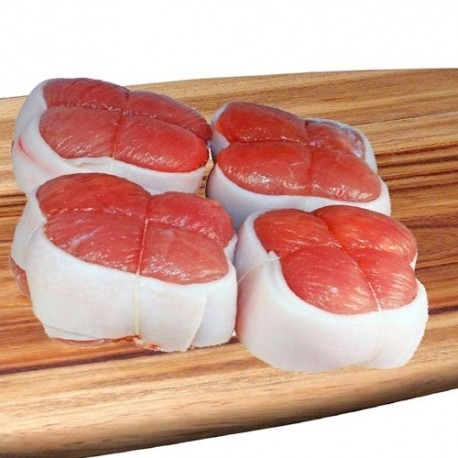
  • Model names or references Veal paupiettes made in store and sold in the traditional department
  • Identification of products
    Batch
    All lots
  • Packaging Traditional spoke belly
  • Marketing start/end date From 06/13/2022 to 06/17/2022
  • Storage temperature Product to be stored in the refrigerator
  • Geographic area of ​​sale Departments: COTE-D’OR (21)
  • Distributors bi1 toutry

Practical information regarding the recall

  • Reason for recall Presence of Salmonella
  • Risks incurred by the consumer Salmonella spp (causative agent of salmonellosis)