Category Archives: food recall

RASFF Alert – E.coli – Live Mussels

RASFF-Logo

RASFF – high count of Escherichia coli (1600 MPN/100g) in live mussels (Mytilus galloprovincialis) from Spain in Italy

RASFF Alerts – Listeria monocytogenes – Black Angus VP Steak – Chilled Sliced Fennel Salami

RASFF-Logo

RASFF – Listeria monocytogenes (presence /25g) in grf black angus vac steak 95/5 from the United Kingdom in the Netherlands

RASFF – Listeria monocytogenes (presence /25g) in chilled sliced fennel salami from Italy in Sweden

RASFF Alerts – Enterobacteriaceae – Pseudomonas – Chopped Beef and Turkey Skewers

RASFF-Logo

RASFF – high counts of Enterobacteriaceae (38000 CFU/g) and of Pseudomonas spp. (4000000 CFU/g) in frozen chopped beef and turkey skewers from Germany in Germany

RASFF Alerts – Aflatoxin – Hazlenuts – Groundnuts – Chilli Powder – Pistachios – Cushed Chilli – Basmati Rice – Gound Melon Seeds

RASFF-Logo

RASFF – aflatoxins (B1 = 8.1 µg/kg – ppb) in shrivelled hazelnut kernels from Georgia in Bulgaria

RASFF – aflatoxins (B1 = 4.5 / B1 = 4.4 µg/kg – ppb) in groundnut kernels from Egypt in Croatia

RASFF – aflatoxins (B1 = 1.1; Tot. = 13 µg/kg – ppb) in blanched groundnut kernels from China in the Netherlands

RASFF – aflatoxins (B1 = 9.8 µg/kg – ppb) in chilli powder from India in Belgium

RASFF – aflatoxins (B1 = 26.8; Tot. = 29.2 / B1 = 21.4; Tot. = 25.4 µg/kg – ppb) in pistachio kernels from Turkey in Greece

RASFF – aflatoxins (B1 = 20.8; Tot. = 20.8 µg/kg – ppb) in crushed chilli from India in Bulgaria

RASFF – aflatoxins (B1 = 7.65 / B1 = 8.29 µg/kg – ppb) in groundnut kernels from Brazil in Italy

RASFF – aflatoxins (B1 = 9.3; Tot. = 12 µg/kg – ppb) in groundnut kernels from Argentina in the Netherlands

RASFF – aflatoxins (B1 = 4.3 µg/kg – ppb) in basmati rice from Pakistan in Italy

RASFF – aflatoxins (B1 = 5.4 µg/kg – ppb) in groundnuts from the United States in the Netherlands

RASFF – aflatoxins (B1 = 9.97 µg/kg – ppb) in hazelnut kernels from Azerbaijan in Poland

RASFF – aflatoxins (B1 = 7.8; Tot. = 5.7 µg/kg – ppb) in and insufficient labelling (missing or illegible batch information) of ground melon seeds (egusi) from the Netherlands in Germany

RASFF – aflatoxins (B1 = 9.6 µg/kg – ppb) in pistachio bars from Turkey in Germany


USA – Months after Chipotle food-born illnesses, restaurant still has violations

ABC 6

The outbreak of food-born illnesses from a Delaware County restaurant made national headlines and led Chipotle to retrain its entire staff, but still the Powell restaurant had three critical violations on its latest inspection by the Delaware General Health District. Clostridium perfringens

UK – The Condiment Company recalls Hunter & Gather Avocado Oil Mayonnaise due to a lack of microbiological controls – Clostridium botulinum

FSA

The Condiment Company Ltd is recalling Hunter & Gather Avocado Oil Mayonnaise because of concerns over the company’s procedures in place to control Clostridium botulinum.

Product details

Hunter & Gather Avocado Oil Mayonnaise

Pack size 250g
Batch code 25/09/19
Best before 25 September 2019

No other The Condiment Company products are known to be affected.

Risk statement

Manufacturing controls that could potentially affect the safety of the product listed above could not be demonstrated satisfactorily by the company. The issue relates to controlling factors to prevent the growth and toxin production of Clostridium botulinum.

Botulinum toxin may cause a serious form of food poisoning called botulism and can be fatal.

A recall from customers is being carried out as a precautionary measure.

Action taken by the company

The Condiment Company Ltd is recalling the above product. Point of sale notices will be displayed in all retail stores that are selling this product. These notices explain to customers why the product is being recalled and tell them what to do if they have bought the product. Please see the attached notice.

Our advice to consumers

If you have bought any of the above product do not eat it. Instead, return it to the store from where it was bought for a full refund.

USA – Southern Specialties Voluntarily Recalls Bagged Green Beans and Butternut Squash Distributed in Southeast because of Possible Health Risk – Listeria monocytogenes

FDA

Southern Specialties Inc. of Pompano Beach, Florida is voluntarily recalling select bags of Marketside brand green beans and butternut squash because they have the potential to be contaminated with Listeria monocytogenes, an organism which can cause serious and sometimes fatal infections in young children, frail or elderly people, and others with weakened immune systems. Although healthy individuals may suffer only short-term symptoms such as high fever, severe headache, stiffness, nausea, abdominal pain and diarrhea, Listeria infection can cause miscarriages and stillbirths among pregnant women.

The company shipped the recalled product to one retail distribution center. Although most of the product was retrieved before distribution to retail stores, some product shipped on February 17th may have reached select stores in Alabama, Florida, Georgia, Kentucky, Mississippi, North Carolina, South Carolina, Tennessee and Virginia. So, in an abundance of caution, we are issuing this public announcement.

To date, Southern Specialties has not been informed of any illnesses associated with this recall.

This recall was voluntarily issued after a raw material supplier notified the company that it was issuing a recall after a routine test of a food contact surface tested positive for the bacterium. As a precautionary measure, Southern Specialties is recalling all products that were repacked at its facility on the same repacking line as the supplier’s product. None of the products have tested positive.

The company is carrying out this recall with the knowledge of the U.S. Food & Drug Administration.

Scotland -Legionnaires’ disease in travellers returning from Goa, India

HPS

Public Health England (PHE) have reported seven cases of Legionnaires’ disease in UK travellers who visited Goa since November 2018, a small increase in cases compared to previous years.

Legionnaires’ disease is more dangerous to people with underlying medical conditions and travellers staying in poorly maintained hotels or apartments. Although the risk to travellers to Goa is considered to be low, anyone who develops an influenza-like illness with fever, cough or shortness of breath during their stay or up to two weeks after returning home, are advised to seek prompt medical advice. They should ask the healthcare professional about Legionnaire’s disease and say where they have been.

Further information and advice on travel to Goa is available to view on the Travax (for health professionals) and fitfortravel (for the general public) websites.

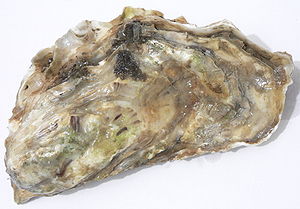
Hong Kong – Suspension of import and sale of raw oysters harvested in zone 56.09.3, Morbihan Department, France – Norovirus

CFS Vibrio

Issue Date 23.2.2019
Source of Information Centre for Food Safety
Food Product Raw oysters
Product Name and Description Raw oysters harvested in zone 56.09.3, Morbihan Department, France
Reason For Issuing Alert
  • The CFS received a notification from the Rapid Alert System for Food and Feed (RASFF) of the European Commission that raw oysters harvested in abovementioned area in France which were suspected to be contaminated with norovirus was under recall. According to the information provided by RASFF, a local importer, Tasty Seafood and Fine Food Limited, had imported the raw oysters concerned.
  • The CFS immediately contacted the importer concerned for follow-up and the importer confirmed that it had imported the affected oysters.
  • Preliminary investigation by CFS found that 135 kilograms of the affected oysters were imported by the importer and some were distributed.
Action Taken by the Centre for Food Safety
  • For the sake of prudence, the CFS has immediately suspended the import into and sale within Hong Kong of raw oysters harvested in the area concerned.
  • The CFS has instructed the importer to stop sale and remove from shelves the affected product, and initiate a recall.
  • The CFS will inform the French authorities of the import suspension and notify the local trade.
  • The CFS will continue to follow up on the incident and take appropriate action to safeguard food safety and public health.
Advice to the Trade
  • Stop selling the affected product.
Advice to Consumers
  • Regardless of the season or the region in which the oysters are harvested, consuming oysters, particularly raw or partially cooked ones, carries an inherent food safety risk.
  • Susceptible groups, such as pregnant women, young children, the elderly and people with weakened immune systems or liver diseases, should avoid eating raw oysters.
  • Members of the public may call the importer’s hotline at 3590 4849 during office hours to enquire about the recall.
Further Information The CFS press release

USA- Outbreak of Multidrug-Resistant Salmonella Infections Linked to Raw Chicken Products Final Update

CDC

Final Outbreak Information
At A Glance
  • As of February 21, 2019 this investigation is over.
  • A total of 129 people infected with the outbreak strain of Salmonella Infantis were reported from 32 states.
    • Twenty-five people were hospitalized. One death was reported from New York.
  • Epidemiologic and laboratory evidence indicated that many types of raw chicken products from a variety of sources are contaminated with Salmonella Infantis and are making people sick.
    • In interviews, ill people reported eating different types and brands of chicken products purchased from many different locations.
    • The outbreak strain was identified in samples taken from raw chicken products, raw chicken pet food, and live chickens.
  • Antibiotic resistance testing conducted by CDC on Salmonella bacteria isolated from ill people showed that the outbreak strain is resistant to multiple antibiotics. For more information read the advice to clinicians.
  • A single, common supplier of raw chicken products or of live chickens was not identified.
  • The outbreak strain of Salmonella Infantis is present in live chickens and in many types of raw chicken products, indicating it might be widespread in the chicken industry. CDC and USDA-FSIS shared this information with representatives from the chicken industry and requested that they take steps to reduce Salmonella contamination.