Category Archives: food recall

UK – STEC increase for England and Wales in 2018

Food Safety News

More than 1,500 confirmed Shiga toxin-producing E. coli (STEC) infections were reported in England and Wales in 2018 and five people died, according to Public Health England data.

A total of 1,553 confirmed cases included 607 laboratory-confirmed cases of STEC serogroup O157 and 612 infections where a non-O157 serogroup was isolated. In 2017, 948 confirmed cases of STEC were reported.

For 334 cases, samples tested positive by Polymerase Chain Reaction (PCR) for Shiga toxin (stx) genes, but STEC was not cultured with more than 300 of these in England.

Four STEC outbreaks caused by O157 affecting 55 people were investigated in 2018. It was not possible to find the vehicle and/or source of infection for the two largest and national outbreaks were a foodborne source was suspected. In one of these, 26 people were ill with 10 needing hospital treatment. In the other, 17 people were sick and four were hospitalised. The other two smaller outbreaks involved a petting farm and an outdoor event.

Kenya – Kebs withdraws 17 maize flour brands over high Aflatoxin

Daily Nation

The Kenya Bureau of Standards has suspended 17 maize flour brands, saying they contain high levels of aflatoxin.

In a statement dated January 29, Kebs said the withdrawal of the products from the market followed surveillance and tests.

Among the affected brands are Dola (Eldoret Grain Millers), African King (African Kings Maize Millers), Unique (Ndosha Limited), ML0 (Bidii), City Corn (Central Afya Bora Millers), Sarafina (Century Millers) and Tosha (Godmesa Foods and Allied Limited).

Also withdrawn from the market are Shiba (Grango Suba Millers), Hakika Best (Halisi Maize Mills), Budget (Karibu Four Mills), Wema (Luma Millers Limited) and Jomba (Machakos Millers).

The rest are Adardere Mupa (Mbaitu Maize Million), Afya (Meru Multipurpose Cooperative Society), Uzima (Sigose Unga Millers), Sungura (Eldoret Grain Millers) and Tetema (Eldoret Grains Limited).

While warning of legal action, Market Surveillance Director Peter Kaigwara asked the manufacturers to ensure their products are removed from supermarkets.

Unga wa Dola has not been withdrawn from the market, the manufacturer Kitui Flour Mills has said.

UK – Sixteen people food poisoned after eating ‘runny’ uncooked pate at Essex golf club

Essex Live

Sixteen guests were food poisoned and had “cramps and diarrhoea” after eating “runny” uncooked chicken liver pate at an Essex golf club.

The club’s then-operating company Crown Golf Operators Ltd, have now been fined £60,000, after the guests fell ill after eating at Stapleford Abbots Golf Club in Romford on June 17, 2017.

After playing golf that day around 24-25 guests sat down for a three-course meal, which included the pate as a starter and a carvery for mains from a set menu.

Within a day after this meal, 16 of the guests reported being ill. Some of them were ill for up to two weeks and some had to be hospitalised.

On January 29, Crown Golf Operators Ltd, were sentenced at Basildon Crown Court after pleading guilty to placing food on the market at the Romford club that was unsafe and unfit for human consumption.

The head chef at the club, Chris James, who was a co-defendent and had cooked the chicken liver pate, entered a not-guilty plea. At his trial last year, he was offered a formal caution, which he accepted.

Stapleford Abbots Golf Club is currently under new ownership after it was sold and taken over in February 2019.

USA – Multistate Outbreak of Salmonella Infections Linked to Raw Turkey Products — United States, 2017–2019

CDC

Summary

What is already known about this topic?

Salmonella Reading is a serotype that is uncommonly associated with human illness. Salmonella outbreaks have previously been associated with ground turkey and turkey burgers.

What is added by this report?

During November 2017–March 2019, a multistate outbreak of S. Reading involving 356 cases in 42 states occurred. Patients reported exposure to various turkey products, suggesting industry-wide contamination, a novel type of outbreak in which contamination is not isolated to a single food or facility.

What are the implications for public health practice?

Interventions should target all parts of the supply chain, including slaughter and processing facilities and upstream farm sources. Public health agencies and industry can take steps to provide more consumer education about food safety.

USA – Flax seed pills test positive for Salmonella

Food Poison Journal

Salud Natural Entrepreneur, Inc. of Waukegan, IL is voluntarily recalling Nopalina Flax Seed Fiber (powder) and Nopalina Flax Seed Fiber (capsule) products due to possible Salmonella contamination in one of the ingredients used on the formula of Nopalina Flax Seed Fiber.

This recall is being made with the knowledge of the Food and Drug Administration.

The recall is the result of an FDA sampling of senna leaves powder, an ingredient used to manufacture the Nopalina Flax Seed Fiber (powder) and Nopalina Flax Seed Fiber (capsules), that tested positive for three types of Salmonella including Salmonella Gaminara, Salmonella Kentucky, and Salmonella Oranienburg. The company has ceased the use of the suspect ingredient.

Canada-Bottled clams from Cielo Glamping Maritime recalled due to potential presence of dangerous bacteria -Clostridium botulinum

CFIA

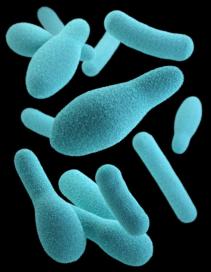
CDC Clost Spore

Image CDC

Recall details

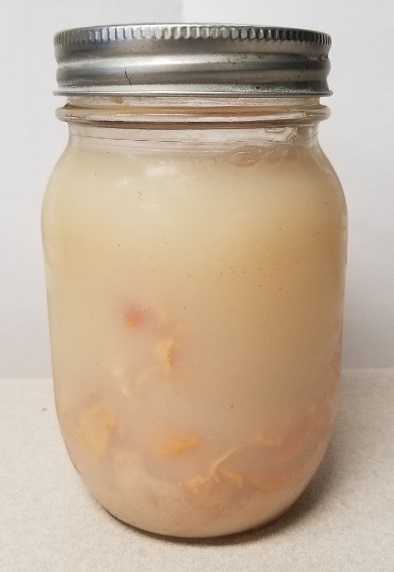
Ottawa, February 1, 2020 – Cielo Glamping Maritime is recalling bottled clams from the marketplace because they may permit the growth of Clostridium botulinum. Consumers should not consume the recalled products described below.

Recalled products

Brand Product Size UPC Codes
None Bottled clams (no label) 500 ml None None – Sold from Cielo Glamping Maritime, 232 Chemin des Huîtres, Haut-Shippigan NB
None Bottled clams (no label) 1 L None None – Sold from Cielo Glamping Maritime, 232 Chemin des Huîtres, Haut-Shippigan NB

What you should do

If you think you became sick from consuming a recalled product, call your doctor.

Check to see if you have the recalled products in your home. Recalled products should be thrown out or returned to the store where they were purchased.

Food contaminated with Clostridium botulinum toxin may not look or smell spoiled but can still make you sick.

Symptoms in adults can include facial paralysis or loss of facial expression, unreactive or fixed pupils, difficulty swallowing, drooping eyelids, blurred or double vision, difficulty speaking, slurred speech, and a change in sound of voice, including hoarseness.

Symptoms of foodborne botulism in children can include difficulty swallowing, slurred speech, generalized weakness and paralysis. In all cases, botulism does not cause a fever.  In severe cases of illness, people may die.

Background

This recall was triggered by the Canadian Food Inspection Agency’s (CFIA) inspection activities. The CFIA is conducting a food safety investigation, which may lead to the recall of other products. If other high-risk products are recalled, the CFIA will notify the public through updated Food Recall Warnings.

The CFIA is verifying that industry is removing the recalled products from the marketplace.

Illnesses

There have been no reported illnesses associated with the consumption of these products.

Product photos

Printer ready version of photos

  • Bottled clams (no label)
  • Bottled clams (no label) - Lid


USA – Salud Natural Entrepreneur Inc. Recalls Nopalina Flax Seed Fiber Powder and Nopalina Flax Seed Fiber Capsules Because of Possible Health Risk – Salmonella

FDA

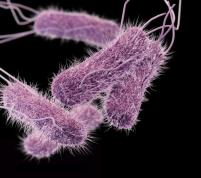
Salmonellaa

Image CDC

Salud Natural Entrepreneur, Inc. of Waukegan, IL is voluntarily recalling Nopalina Flax Seed Fiber (powder) and Nopalina Flax Seed Fiber (capsule) products due to possible Salmonella contamination in one of the ingredients used on the formula of Nopalina Flax Seed Fiber. Salmonella is an organism which can cause serious and sometimes fatal infections in young children, frail or elderly people, and others with weakened immune systems. Healthy persons infected with Salmonella often experience fever, diarrhea (which may be bloody), nausea, vomiting and abdominal pain. In rare circumstances, infection with Salmonella can result in the organism getting into the bloodstream and producing more severe illnesses such as arterial infections (i.e., infected aneurysms), endocarditis and arthritis. Consumers of these products who are experiencing symptoms of Salmonella should contact their health care provider. To date, there are no reports of illnesses associated with the products.

Nopalina Flax Seed products are distributed throughout the United States and Puerto Rico via retail stores and the company’s web site https://www.nopalinaonline.com/External Link Disclaimer

The following lot numbers are affected by this recall (the lot numbers can be found on the bottom back of the product label):

Nopalina Flax Seed Fiber (powder, 1 lb. bags) UPC 890523000720

  • Lot # 62.19 / 9 # 52.1 Best if used by 10/7/21
  • Lot # 62.19 / 2 # 52.1 Best if used by 10/7/21

Nopalina Flax Seed Fiber (powder, 1 lb. bags) UPC 890523000720

  • Lot # 64.19 / 3 # 52.1 Best if used by 10/21/21

Nopalina Flax Seed Fiber (powder, 1 lb. bags) UPC 890523000720

  • Lot # 65.19 / 1 # 52.1 Best if used by 10/24/21
  • Lot # 65.19 / 2 # 52.1 Best if used by 10/24/21

Nopalina Flax Seed Fiber (powder, 2 lb. bags) UPC:890523000843

  • Lot # 64.19 / 2 # 52.1 Best if used by 10/21/21
  • Lot # 64.19 / 2 * 2Lb # 52.1 Best if used by 10/21/21

Nopalina Flax Seed Fiber (capsules, 120 count) UPC 890523000867

  • Lot # 23.19 1C120 # 07 Best if used by 10/7/21
  • Lot # 23.192C120 # 02 Best if used by 10/7/21
  • Lot # 23.19 / 2C120 # 02 Best if used by 10/7/21
  • Lot # 23.19.2C120 # 02 Best if used by 10/7/21
  • Lot # 23.19.3C120 # 02 Best if used by 10/7/21

This recall is being made with the knowledge of the Food and Drug Administration.

The recall is the result of an FDA sampling of senna leaves powder, an ingredient used to manufacture the Nopalina Flax Seed Fiber (powder) and Nopalina Flax Seed Fiber (capsules), that tested positive for three types of Salmonella including Salmonella Gaminara, Salmonella Kentucky, and Salmonella Oranienburg. The company has ceased the use of the suspect ingredient.

We care deeply about the health of all of our consumers and are committed to providing with safe and high quality products. Salud Natural Entrepreneur, Inc. has identified and isolated the ingredient to prevent this from happening again.

Consumers who have purchased Nopalina Flax Seed Powder and Nopalina Flax Seed Capsules having the lot numbers listed above should not consume them and are urged to return it to the place of purchase for a full refund.

Consumers with questions may contact the company at 877-296-6845 (Monday to Friday 9am-5pm) or can go to our site: https://www.nopalinaonline.com/certificate/External Link Disclaimer

Symptoms of salmonellosis

Salmonella are a group of bacteria that can cause gastrointestinal illness and fever called salmonellosis. Most people infected with Salmonella begin developing symptoms 12 to 72 hours after infection. The illness usually lasts four to seven days and most people recover without treatment.

Most people with salmonellosis develop diarrhea, fever, and abdominal cramps. More severe cases of salmonellosis may include a high fever, aches, headaches, lethargy, a rash, blood in the urine or stool, and in some cases may become fatal.

Children younger than five, the elderly, and people with weakened immune systems are more likely to have severe salmonellosis infections.

RASFF Alert – Campylobacter – Chicken Meat

RASFF-Logo

RASFF – Salmonella enterica ser. Infantis (presence /25g) and Campylobacter jejuni (presence /25g) in frozen chicken meat from Poland in Finland

RASFF Alerts – Salmonella – Sesame Seeds – Chicken Chip Nuggets – Beef and Turkey Kebab – Hazlenuts – Live Oysters – Pistachios – Chicken Meat – Almonds – Chicken Livers – Chicken Cuts

RASFF-Logo

RASFF – Salmonella (1 out of 5 samples /25g) in sesame seeds from Nigeria in Poland

RASFF – Salmonella enterica ser. Infantis (prsence /25g) in frozen chicken chips nuggets from Germany in Italy

RASFF – Salmonella (presence /25g) in frozen beef and turkey kebab from Slovenia in Italy

RASFF – Salmonella (presence /25g) in sesame seeds from India in Greece

RASFF – Salmonella (presence /25g) in hazelnuts from Georgia in Germany

RASFF – Salmonella enterica ser. Napoli (presence /25g) in live oysters from France in Italy

RASFF – Salmonella (O:3,10,19 /25g) in halva with pistachios from Syria, via the Netherlands in Germany

RASFF – Salmonella enterica ser. Infantis (presence /25g) and Campylobacter jejuni (presence /25g) in frozen chicken meat from Poland in Finland

RASFF – Salmonella (present /250g) in almond kernels from the United States in Germany

RASFF – Salmonella (presence /25g) in almonds from Spain in Germany

RASFF – Salmonella (presence /25g) in hazelnuts from Georgia in Germany

RASFF – Salmonella enterica ser. Kisil (presence in 1 out of 5 samples /25g) in hulled sesame seeds from India in Greece

RASFF – Salmonella enterica ser. Typhimurium monophasic (1 ,4, [5], 12:i:-) (presence /25g) in chilled chicken livers from France in France

RASFF – Salmonella enterica ser. Infantis (presence /25g) in chilled chicken cuts from Poland in Bulgaria

RASFF Alerts – Aflatoxin – Pistachios – Dried Figs – Hazelnut Kernels

RASFF-Logo

RASFF – aflatoxins (B1 = 8.0; Tot. = 10 µg/kg – ppb) in shelled pistachios from Iran in Greece

RASFF – aflatoxins (B1 = 16.7 µg/kg – ppb) in pistachios from Iran in Germany

RASFF – aflatoxins (B1 = 21.3 µg/kg – ppb) in pistachios from Iran in Germany

RASFF – aflatoxins (B1 = 11.3 µg/kg – ppb) in dried figs from Turkey in France

RASFF – aflatoxins (B1 = 17; Tot. = 20.3 µg/kg – ppb) in hazelnut kernels from Turkey in the UK

RASFF – aflatoxins (B1 = 17; Tot. = 19 µg/kg – ppb) in pistachio kernels from the United States, dispatched from Turkey

RASFF – aflatoxins (B1 = 8.9 µg/kg – ppb) in dried figs from Turkey in France

RASFF – aflatoxins (B1 = 6; Tot. = 10 µg/kg – ppb) in dried figs from Turkey in France