
This study investigated the antimicrobial mechanism of phytic acid (PA) and its antibacterial effects in combination with ethanol. The MIC of PA on Escherichia coli ATCC 11229, Staphylococcus aureus ATCC 6538P, Bacillus subtilis ATCC 6633, and Salmonella Typhimurium CICC 27483 were 0.24, 0.20, 0.26, and 0.28% (w/w), respectively. E. coli ATCC 11229 and S. aureus ATCC 6538P were selected to investigate the mechanism of PA by analyzing its effects at 1/2MIC and at MIC on the cell morphology, intracellular ATP, and cell membrane integrity. Environmental scanning electron microscope images revealed that PA was able to change the cell morphology and disrupt the intercellular adhesion. PA retarded bacterial growth and caused cell membrane dysfunction, which was accompanied by decreased intracellular ATP concentrations. Flow cytometry analysis further revealed that almost all the bacterial cells were damaged after treatment with PA at its MIC for 2 h. Moreover, PA has a synergistic antimicrobial ability when used in combination with ethanol. These results suggested that PA is effective in inhibiting growth of foodborne pathogens mainly by the mechanism of cell membrane damage and to provide a theoretical basis for the development of natural antimicrobial agents in the food industry.

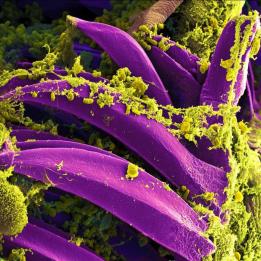

Asda has taken the precautionary step of recalling its Peanut and Almond Cereal Bars in addition to its Cranberry and Nut Cereal Bars (packs of 4) because the products might contain salmonella.
Product details
| Pack size | 4x35g |
| Best before | end: September 2019 |
| Pack size | 4x35g |
| Best before | end: September 2019 |
No other Asda products are known to be affected.
Risk statement
The products listed above might be contaminated with salmonella. Symptoms caused by salmonella usually include fever, diarrhoea and abdominal cramps.
Action taken by the company
Asda is recalling the above products. Point of sale notices will be displayed in all retail stores that are selling these products. These notices explain to customers why the products have been recalled and tell them what to do if they have bought them. Please see the attached notices.


