Category Archives: Food Pathogen

RASFF Alert – Salmonella Food Outbreak – Fuet

RASFF

Salmonella food poisoning – FUET from Spain in France, Austria, Denmark, Estonia and Netherlands

RASFF Alerts -Salmonella – Polish Chicken Products – Sesame Seeds – Black Pepper – Meatballs

RASFF

Salmonella Enteritidis Salmonella Newport in samples of chicken neck skins from Poland in Romania

RASFF

Presence of Salmonella spp. in Nigerian hulled sesame seeds in Greece

RASFF

Salmonella (in 1 out of 5 samples /25g) in hulled sesame seeds from Nigeria, dispatched from Turkey in Greece

RASFF

Salmonella enterica ser. Infantis in chilled chicken meat from Poland in the Czech Republic, Estonia, Latvia, Lithuania, Poland and Romania

RASFF

Salmonella spp.-pimienta negra-BRASIL/Salmonella spp.-black pepper-BRASIL in Spain

RASFF

Salmonella spp. in chilled chicken meat from Poland in France, Netherlands and UK

RASFF

Salmonella Infantis in chicken neck skin from Poland in the Gabon, Lithuania, Poland and Latvia

RASFF

Salmonella spp. in turkey neck skin and turkey elements from Poland in Poland, Austria and Germany

RASFF

Salmonella Mishmarhaemek in sesame seeds from Uganda in Switzerland and Germany

RASFF

Salmonella in Brazilian black pepper in the Netherlands

RASFF

Salmonella Infantis Salmonella Newport in chicken neck skins from Poland in the Czech Republic, Gabon, Netherlands and Latvia

RASFF

Salmonella group C in meatballs from Bulgaria in Germany

RASFF

Salmonella Enteritidis in chilled chicken quarters from Lithuania in Latvia

RASFF

Salmonella in black pepper from Brazil in the Netherlands

RASFF

Salmonella Javiana in black pepper from Brazil in Germany

RASFF

S. Abaetetuba and S. Oranienburg in black pepper from Brazil in Germany

RASFF Alerts – Norovirus – Live Clams

RASFF

Norovirus (GII /2g) in live clams (Ruditapes philippinarum) from Spain in Italy

RASFF Alert- Listeria monocytogenes – Cheddar Cheese – Hot Smoked Bacon – Spicey Chicken Salad Spread

RASFF

Listeria Monocytogenes in formaggio Cheddar origine Irlanda//Listeria Monocytogenes in cheddar cheese from Ireland in Italy and France

RASFF

Listeria monocytogenes was detected in 25 g of one sample of the RTE product Mon. Hot Smoked Bacon, Number of Listeria monocytogenes <10 CFU / g from Poland in Estonia

RASFF

Listeria monocytogenes in salad spread (spicy chicken) from the Netherlands in Belgium

RASFF

Listeria monocytogenes in Brie cheese from France in Denmark

Research – Rapid Outbreak Assessment: Multi-country outbreak of Salmonella Braenderup ST22, presumed to be linked to imported melons

ECDC

Between 15 March and 6 July 2021, 348 confirmed S. Braenderup sequence type 22 (ST22) cases were reported in 12 European Union/European Economic Area (EU/EEA) countries and the United Kingdom (UK). The cases were spread throughout the countries and only two reported travel. A total of 68 cases were hospitalised. No deaths were reported.

The case interviews and an analytical epidemiological study suggested small melons (in particular Galia melons) as the possible vehicle of infection. S. Braenderup ST22 matching the outbreak strain was isolated in the UK in two imported Galia melons from one batch from Honduras, and in Austria from a pooled sample of melons (unknown origin) including Galia melons.

Based on epidemiological, microbiological and traceability investigations, the vehicles of infection are presumed to be melons imported from outside the EU/EEA and the UK. Galia melons from the batch imported from a Honduran producer are probable vehicles of infection, at least in those cases reporting having consumed Galia melons. Further investigation is needed to identify the point of contamination along the production chain.

The first cases in the EU/EEA and the UK were detected in March 2021, before the batch found to be contaminated had been harvested. This indicates that contaminated food vehicles had been circulating in these countries earlier. This is confirmed by the detection of the outbreak strain in melons in Austria in April 2021.

Control measures have been implemented for imported melons distributed on the EU market. The Honduran producer finished harvesting melons in April 2021. These melons are no longer on the market. No additional exports from Honduras are foreseen until the new season starts in December. These measures reduce the risk of new infections. Given delays in reporting and the possibility of secondary cases, further cases may still be reported, but with decreasing frequency.

Downtown Publications

USA – BrightFarms Announces Voluntary Recall of Packaged Salad Greens Sold in Illinois, Wisconsin, Iowa, Indiana and Michigan

FDA

Summary

Company Announcement Date:
FDA Publish Date:
Product Type:
Food & Beverages
Foodborne Illness
Reason for Announcement:
Salmonella
Company Name:
BrightFarms
Brand Name:
BrightFarms
Product Description:
Salad greens

Company Announcement

BrightFarms today initiated a voluntary recall of packaged salad greens produced in its Rochelle, Illinois (Ogle County) greenhouse farm sold in Illinois, Wisconsin, Iowa, Indiana and Michigan because it has the potential to be contaminated with Salmonella.

The affected BrightFarms-branded products were sold by the following retailers:

  1. Illinois: Mariano’s Fresh Markets, Walmart (select stores), Strack Van Till, Sullivan’s

Foods, Caputo’s, Jewel-Osco

  1. Wisconsin: Pick ‘n Save, Metro Market, Copps, Tadych’s, Walmart (select stores)
  2. Iowa: Walmart (select stores)
  3. Indiana: Strack Van Till
  4. Michigan: Tadych’s

Additional retailers may be affected.

Salmonella can cause serious and sometimes fatal infections in young children, frail or elderly people, and others with weakened immune systems. Healthy persons infected with Salmonella often experience fever, diarrhea (which may be bloody), nausea, vomiting and abdominal pain. In rare circumstances, infection with Salmonella can result in the organism getting into the bloodstream and producing more severe illnesses such as arterial infections (i.e., infected aneurysms), endocarditis and arthritis

The recall includes the below salad products packaged in clear, plastic clamshells with “best by” dates through 7/29/2021:

  1. BrightFarms NutrigreensTM (3 oz. package)
  2. BrightFarms Butter CrispTM (4 oz. Package)
  3. BrightFarms Harvest Crunch ® (4 oz. package)
  4. BrightFarms Mighty RomaineTM (4 oz. and 8 oz. package)
  5. BrightFarms 50/50 Spring & Spinach (4 oz. package)
  6. BrightFarms Spring Crunch (4 oz. package)
  7. BrightFarms Spring Mix (4 oz. and 8 oz. package)
  8. BrightFarms Sunny Crunch ® (4 oz. and 8 oz. package)

BrightFarms Sunny Crunch ® (4 oz. and 8 oz. package)

PRODUCT NAME

PACKAGES

UPC

BrightFarms NutrigreensTM 3 oz. package 5706200458
BrightFarms Butter Crisp TM 4 oz. package 5706200484
BrightFarms Harvest Crunch ® 4 oz. package 5706200486
BrightFarms Mighty Romaine TM 4 oz. package 8 oz. package 5706200452
5706200491
BrightFarms 50/50 Spring & Spinach 4 oz. package 5706200440
BrightFarms Spring Crunch 4 oz. package 5706200479
BrightFarms Lakeside CrunchTM 4 oz. package 5706200479
BrightFarms Spring Mix 4 oz. package
8 oz. package
5706200441
5706200451
BrightFarms Sunny Crunch ® 4 oz. package
8 oz. package
5706200460
5706200485

The recall is limited to these specific products grown at the company’s Rochelle, Illinois indoor farm. BrightFarms products from other BrightFarms greenhouses are not affected.

BrightFarms is taking this action out of an abundance of caution after being notified of illnesses among eight consumers, some of whom purchased or consumed the above products during the month of June.

Affected retailers have been instructed to remove all affected products from store shelves.

BrightFarms is committed to providing wholesome products, and the health and safety of consumers is the company’s number one priority. In addition to today’s voluntary recall, the company has already begun taking steps to enhance their already rigorous food safety protocols, including testing all products produced in its Rochelle facility for exposure to Salmonella prior to distribution.

Consumers who have purchased the affected products should discard them or return them to their place of purchase for a full refund. Consumers with questions are encouraged to call 1-866-857-8745 8am – 11pm EDT. Consumers can also email info@brightfarms.com with the subject line: Recall.

Link to Initial Recall


Company Contact Information

Consumers:
BrightFarms
 1-866-857-8745
 info@brightfarms.com

Canada – Notice not to consume minced meat sold by Boucherie La Supérieure – STEC E.coli

MAPAQ

QUEBEC, July 21 2021 / CNW Telbec / – The Ministère de l’Agriculture, des Pêcheries et de l’Alimentation (MAPAQ), in collaboration with the company Boucherie La Supérieure, located at 2888 avenue du Cosmodôme, in Laval , is warning the population not to not consume the products indicated in the table below, because analytical results show that these products are likely to contain the bacterium E. coli producing shigatoxins.

Product designation

Format

Packing date

“LEAN GROUND BEEF”

Variable weight

All formats

“JL.06.21”

“MID-LEAN GROUND BEEF”

“EX-LEAN GROUND BEEF”

“GROUND VEAL”

” MINCED PORK “

The products that are the subject of this alert were packaged on July 6, 2021 and have been offered for sale only at the establishment identified above. They were packaged in plastic bags or in black plastic trays covered with transparent plastic wrap. They were offered in a refrigerated state. The product label includes, in addition to their name, the words “Boucherie La Superieure”.

The operator is voluntarily recalling the products in question. He agreed with MAPAQ to disseminate this warning as a precautionary measure. In addition, people who have any of these products in their possession are advised not to consume it. They must return it to the establishment where they bought it or throw it away.

It should be noted that proper cooking of meat destroys the E. coli bacteria   in all cases. Preparing ready-made meals, such as spaghetti sauce, shepherd’s pie, or meat pie, requires a fairly long cooking time and a temperature high enough to destroy the bacteria.

It should be noted that no case of illness associated with the consumption of these foods has been reported to MAPAQ so far.

Food contaminated with the shigatoxin- producing E. coli bacteria may not look or smell spoiled, but eating these foods can cause serious illness or death. They are manifested by diarrhea and abdominal pain, often accompanied by blood in the stool. These symptoms usually appear two to ten days after eating a contaminated food. Nausea, vomiting and sometimes fever can be associated with it. When these symptoms appear, it is strongly recommended to consult a doctor without delay. Most symptoms go away within five to ten days.

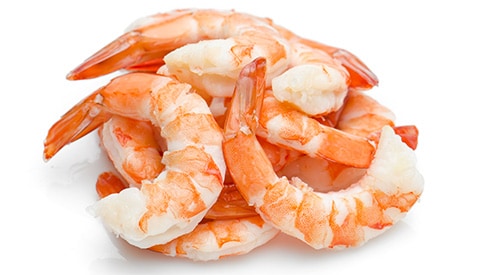
USA – Salmonella Outbreak Linked to Frozen Cooked Shrimp is Over.

CDC

This outbreak is over. Stay up to date on food recalls and outbreaks to avoid getting sick from eating contaminated food. 

Fast Facts
  • Illnesses: 6
  • Hospitalizations: 2
  • Deaths: 0
  • States: 2
  • Recall: Yes
  • Investigation status: Closed
Cooked shrimp over a white background

Recalled Food

Frozen cooked shrimp supplied by Avanti Frozen Foods

  • Sold under multiple brand names including 365, Censea, Chicken of the Sea, CWNO, Hannaford, Honest Catch, Meijer, Open Acres, and Waterfront Bistro
  • Imported between December 2020 to February 2021, but may have been sold in stores more recently
  • See recall notice external icon for packaging sizes, descriptions, and product codes

Salmonella was found in a sample of Avanti Frozen Foods shrimp that was collected as part of FDA’s Imported Seafood Compliance Program.

New Zealand – Further testing programme to protect consumers – Salmonella Eggs Outbreak

MPI

hazegg.jpg

New Zealand Food Safety (NZFS) is extending a programme of testing to determine the extent of Salmonella Enteritidis (SE) in poultry flocks in New Zealand and to reduce the risk to consumers.

NZFS has been carrying out tracing and testing of poultry operations after SE was found at an Auckland poultry farm.  These efforts have focussed on egg producers rather than meat as farms have existing measures to protect against salmonella and cooking chicken meat kills the bacterium.

As a result, restrictions have been placed on three North Island egg layer operations, preventing potentially infected eggs from reaching consumers.

The new testing programme widens our focus and includes 20 egg-laying facilities and five chick rearers that collectively account for 80 per cent of the industry’s table eggs, says Deputy Director-General Vincent Arbuckle.

“Consumer safety is our number one priority here. While we think the overall risk to consumers is low, there is developing evidence of a potential link between poultry and recent cases of SE in humans. We consider this testing to be part of our precautionary measures to limit risk to consumers and industry.

“The poultry industry supports this approach as well as our plans to introduce further regulatory controls for the risk of SE.”

Mr Arbuckle said NZ Food Safety expected the testing programme to take about two months.

“We’ve contacted the facilities involved and will work with them to carry out the testing. Where there is evidence that implicates food products, actions will be taken as appropriate, to protect consumers.”

In the meantime, to reduce the possibility of getting ill through food, we’d like to remind people to follow the 3Cs of food safety at home: Clean food preparation surfaces, cook raw meat thoroughly, and chill cooked meat in the fridge.

There are key actions people can take to protect against Salmonella Enteritidis in eggs.

They include:

  • Keep eggs in the fridge after purchase.
  • Avoid raw or undercooked egg products. In particular, don’t serve raw eggs to children under 2 years of age, pregnant woman, the frail and elderly, and people with low or compromised immune systems.
  • Cook eggs thoroughly – until the white is completely firm and the yolk begins to thicken.
  • Wash your hands after handling eggs.
  • Consume eggs within the recommended date on the carton.
  • Keep surfaces and kitchen utensils clean and dry before and after handling eggs.
  • Use clean eggs free from dirt, faecal matter and cracks.

“Symptoms of Salmonella illness include abdominal cramps, diarrhoea, fever, headache, nausea and vomiting. It can be serious in people with reduced immunity, older people, children, and pregnant women,’’ Mr Arbuckle said.

“If you are concerned about your health, please contact your doctor for advice.”

The information collected from the survey will also inform the development of regulations to manage potential risk on poultry farms which is currently underway.

There have been 47 cases of Salmonella Enteritidis reported in 2021 to date. Genome testing has indicated a strong association with the preparation and consumption of poultry products, making this further stage of testing and reminders to consumers a prudent step at this time.

Further information

More information about food-borne salmonella

Information about salmonellosis – Ministry of Health

Clean, Cook, Chill

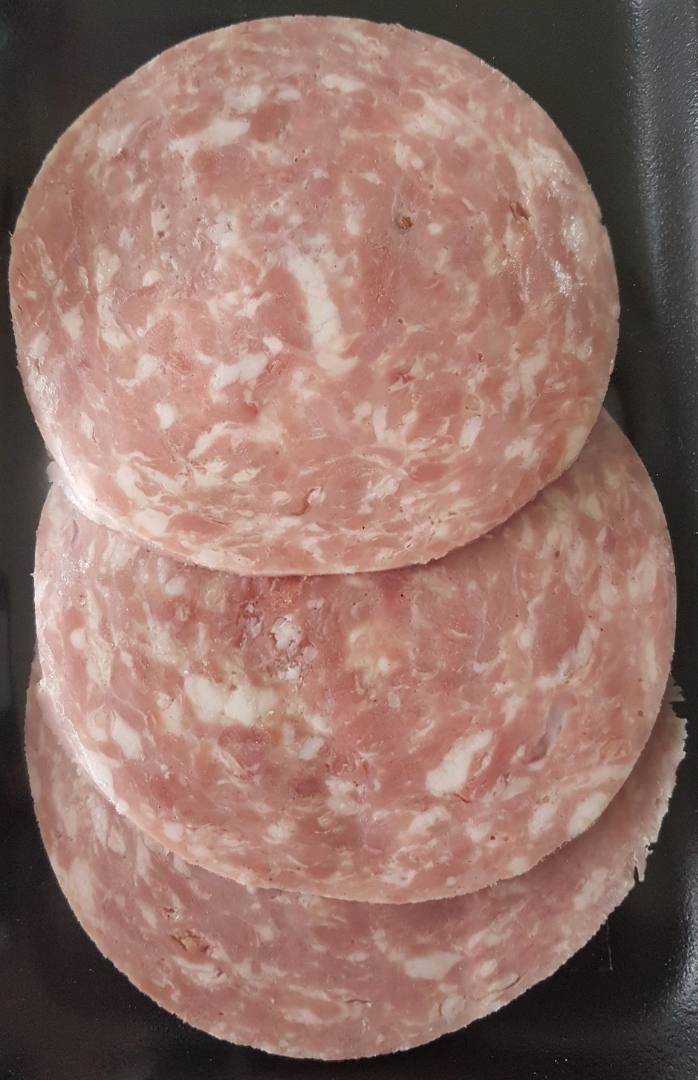
France – Sliced ​​sewn ham – vacuum bag of 3 slices – Listeria monocytogenes

Gov france

Identifying information for the recalled product

  • Product category Food
  • Product sub-category Meats
  • Product brand name Jules Courtial
  • Names of models or references Sliced ​​sewn ham – vacuum bag of 3 slices
  • Product identification
    Lot Dated
    Lots n ° 211883 and 21188 Use-by date 08/06/2021
    Lot n ° 21194 Use-by date 08/12/2021
  • Packaging Pocket 3 slices = 150g
  • Start date / End of marketing From 07/08/2021 to 07/15/2021
  • Storage temperature Product to be stored in the refrigerator
  • Geographical sales area Departments: ARDECHE (07), DROME (26), GARD (30), RHONE (69)
  • Distributors Casino Villeurbanne, Géant Casino Montélimar, Super U Le Cheylard, Carrefour Market Vauvert

Practical information regarding the recall

  • Reason for recall Suspicion of the presence of Listeria
  • Risks incurred by the consumer Listeria monocytogenes (causative agent of listeriosis)
  • Consumer behavior Stop consuming
    Return the product to the point of sale
  • Sanitary recommendation People who have consumed the “products” mentioned above and who have fever, isolated or accompanied by headaches, and muscle aches, are invited to consult their doctor, notifying him of this consumption. Serious forms with neurological complications and maternal or fetal damage in pregnant women can also sometimes occur. Pregnant women as well as immunocompromised people and the elderly should pay special attention to these symptoms. Listeriosis is a disease that can be serious and can take up to eight weeks to incubate.
  • Compensation modalities Refund
  • End date of the recall procedure Friday, August 6, 2021