Category Archives: Food Microbiology Research

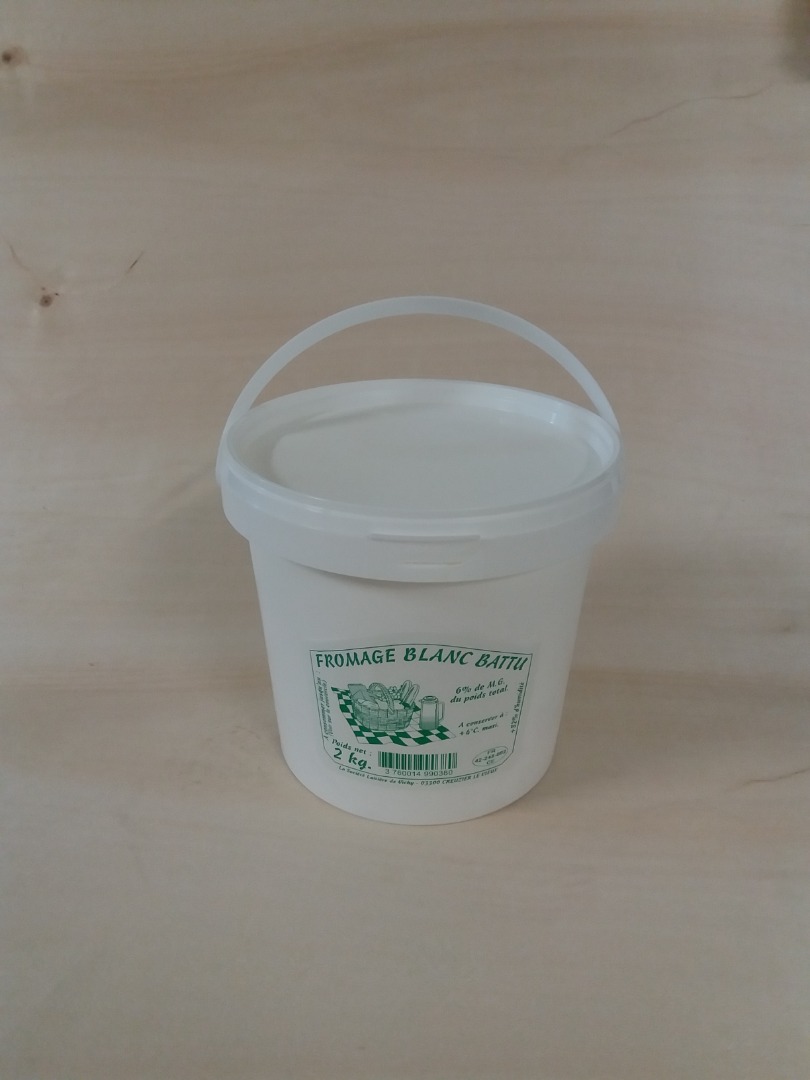
France – BEATEN WHITE CHEESE with pasteurized cow’s milk 2 KG – Listeria monocytogenes

Gov france

Identification information of the recalled product

  • Product category Feed
  • Product subcategory Milk and dairy products
  • Product brand name VICHY DAIRY SOCIETY
  • Model names or references BEATEN WHITE CHEESE with pasteurized cow’s milk 2 KG
  • Identification of products
    GTIN Batch
    3760014990380 All lots
  • Marketing start/end date From 01/10/2022 to 04/02/2023
  • Storage temperature Product to be stored in the refrigerator
  • Health mark EN 42.248.002 EC
  • Geographic area of ​​sale Whole France
  • Distributors All types of: creameries, cheese shops, other small businesses, or GMS (Large and Medium Surfaces)

Practical information regarding the recall

  • Reason for recall suspicion of the presence of listeria monocytogenes

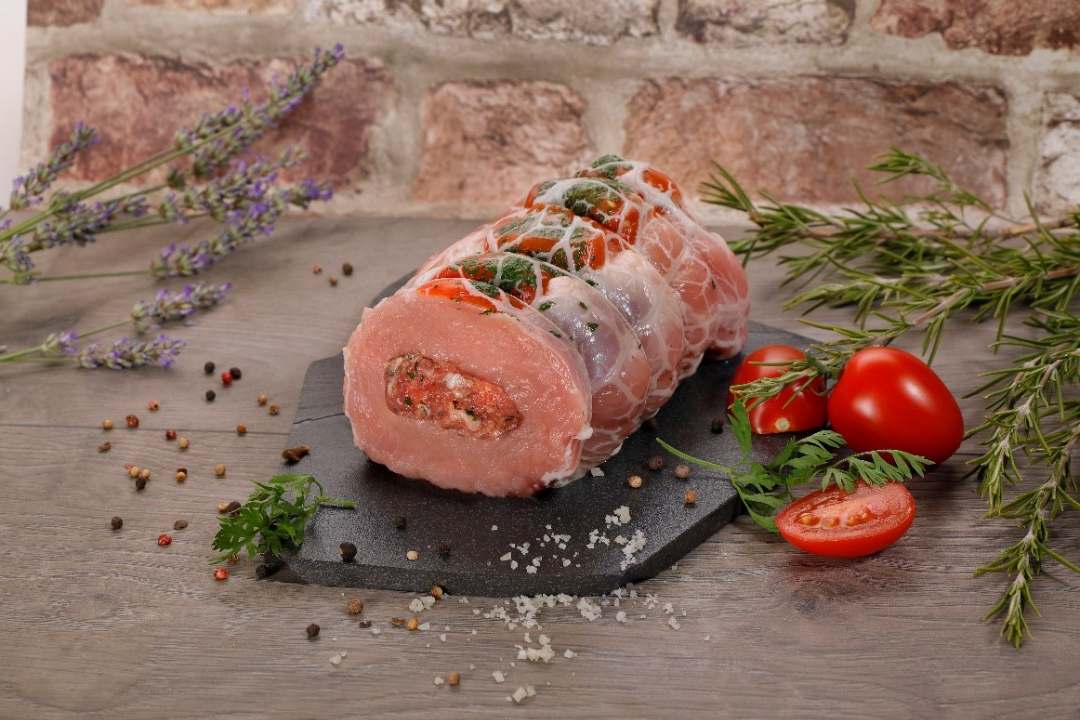
France – Roast Provencal – Salmonella

Gov france

Identification information of the recalled product

  • Product category Feed
  • Product subcategory Meats
  • Product brand name Unbranded
  • Model names or references Roast Provencal
  • Identification of products
    Batch Date
    2303205601 Use-by date 02/11/2023
  • Packaging Product sold by the cut in the traditional department
  • Marketing start/end date From 02/01/2023 to 02/02/2023
  • Storage temperature Product to be stored in the refrigerator
  • Health mark FR-28-111-020-CE
  • Further information Roast pork elaborated about 4kg. Roast stuffed with Provencal stuffing, covered with tomato slices and herbs, all wrapped in strainer.
  • Geographic area of ​​sale Departments: LOIRET (45), YVELINES (78), ESSONNE (91)
  • Distributors U express, artisanal butcher
  • List of points of sale DHQUALCP_-_Roti_provencal.pdf

Practical information regarding the recall

  • Reason for recall Presence of Salmonella detected

Quebec -Notice not to consume marinade sold by the company Rela African Market – Food Safety

Quebec

QUEBEC CITY , Feb. 9 28, 2023 /CNW Telbec/ – The Ministry of Agriculture, Fisheries and Food (MAPAQ), in collaboration with the Food Inspection Division of the City of Montreal and the company Rela marché africaine, located in 925, boulevard Décarie, in Montreal, warns the public not to consume the product indicated in the table below, because its safety is no longer assured. Indeed, the company did not respect the preservation requirements of the manufacturer.

Product name

Marque

Format

Affected lot

“All Purpose Marinade”

ASTA DELIGHTS

250 ml

Units sold until February 2, 2023

The product that is the subject of this warning was offered for sale until February 2, 2023, at the establishment designated above. The product was packaged in a glass jar and was sold chilled. The product label included, in addition to its name, the contact details of the manufacturer.

The operator is voluntarily recalling the product in question. It has agreed with MAPAQ and the Food Inspection Division of the City of Montreal to distribute this warning as a precautionary measure. In addition, people who have this product in their possession are advised not to consume it. They must return it to the establishment where they bought it or throw it away. Even if the affected product shows no signs of tampering or suspicious odors, its consumption may represent a health risk.

It should be noted that no case of illness associated with the consumption of this food has been reported to MAPAQ to date.

Research – Foodborne Diseases in the Edible Insect Industry in Europe—New Challenges and Old Problems

MDPI

Abstract

Insects play a key role in European agroecosystems. Insects provide important ecosystem services and make a significant contribution to the food chain, sustainable agriculture, the farm-to-fork (F2F) strategy, and the European Green Deal. Edible insects are regarded as a sustainable alternative to livestock, but their microbiological safety for consumers has not yet been fully clarified. The aim of this article is to describe the role of edible insects in the F2F approach, to discuss the latest veterinary guidelines concerning consumption of insect-based foods, and to analyze the biological, chemical, and physical hazards associated with edible insect farming and processing. Five groups of biological risk factors, ten groups of chemical risk factors, and thirteen groups of physical risks factors have been identified and divided into sub-groups. The presented risk maps can facilitate identification of potential threats, such as foodborne pathogens in various insect species and insect-based foods. Ensuring safety of insect-based foods, including effective control of foodborne diseases, will be a significant milestone on the path to maintaining a sustainable food chain in line with the F2F strategy and EU policies. Edible insects constitute a new category of farmed animals and a novel link in the food chain, but their production poses the same problems and challenges that are encountered in conventional livestock rearing and meat production.

Research – Salmonella and Eggs: Preventing and Reporting Illness

Food Poisoning News

Salmonella and Eggs: Ways to prevent illness and the importance of reporting illnesses.

Did you know that Salmonella is the most common type of bacterial food poisoning? It is commonly consumed through raw dairy products, meats, vegetables, and even fruits! But perhaps the most notorious conduit for Salmonella is eggs. Poultry, such as chickens, can carry Salmonella, and these bacteria can then be passed on to the eggs they lay. According to the CDC, “Salmonella can get on the shells of eggs when birds lay eggs or when the eggs touch bird droppings (poop) after being laid.” Obviously, this can be a problem if a person is collecting their own eggs directly from their back-yard or farm poultry. But in theory, eggs bought from grocery stores should be much safer as the eggs are washed before hitting the shelves.

But if your eggs are contaminated, how can illness be prevented?

Research – Prevention and control of microbiological hazards in fresh fruits and vegetables –Part 3: Sprouts

FAO

MICROBIOLOGICAL HAZARDS IN SPROUTS

Sprouts represent a unique food safety challenge because the proliferation of bacterial pathogens, if present, is enhanced due to the high humidity and the ideal sprouting temperature. For this reason, the Expert Committee identified foodborne bacterial pathogens of concern, including Shiga toxin-producing Escherichia coli(STEC), Salmonella spp., and Listeria monocytogenes and specifically focused on interventions against bacterial foodborne pathogens.

While the seed for sprouting may be contaminated with viral or parasitic pathogens, viruses and parasites do not increase in numbers during sprout production and few viral or parasitic disease outbreaks have been attributed to sprouts.

USA – Don’t Let the End Zone Become the Danger Zone: Your Guide to Hosting a Penalty-Free Super Bowl Party

USDA

Football field, end goal. Word overlay: Penalty-free Super Bowl Party – Food Safety: How-to

It’s time for the big game, which also means it’s time to host your friends for your annual Super Bowl party! And where there’s a Super Bowl viewing party, there’s also plenty of food. By following these food safety rules from our game-winning playbook, you’ll provide the best defense to avoid letting your teammates get sacked by foodborne illness this Super Bowl. You may also get voted as MVP for best Super Bowl party host!

Clean: Lead a Good Warm-Up

  • Begin your party food prep by washing hands with warm, soapy water for at least 20 seconds.
  • Wash and sanitize dishware and utensils before using them to prepare, warm, cook or serve any foods.

Separate: Keep Up the Defense

  • Don’t allow a pass interference to contaminate your ready-to-eat foods.
    • Keep all raw meat and poultry away from ready to eat foods while preparing and mixing items.
    • Use clean and different utensils for each dish, and avoid using your own personal utensil to serve yourself foods from the buffet.

Cook: Avoid a False Start

Use a food thermometer to ensure that all meats, poultry and other cooked food items have been cooked to a safe internal temperature before serving. Any previously cooked foods being reheated must be reheated to a safe internal temperature of 165°F, or steaming hot before serving. Making sure food items are properly heated and cooked will kill bacteria that may try to tackle your guests. Here are the recommended internal temperatures for some Super Bowl party favorites:

  • Chicken wings = 165°F
  • Burgers and sliders = 160°F
  • Chili and other reheated foods = 165°F

Chill: Watch the Clock

Once kickoff happens, partygoers and hosts are focused on the game (or patiently waiting until the halftime show); however, don’t let the play clock expire on those party foods, and consider putting foods out in batches to ensure they aren’t staying out longer than the two-hour time limit.

Before halftime, take a TIMEOUT. Check your food with a food thermometer to make sure hot foods are still hot and cold foods are still cold. Ensure that you’re keeping crockpots with your buffalo chicken dip or spinach and artichoke dip on the “warm” or “low” setting, always use a cold source (such as a bowl of ice), below cold foods and check throughout the party to make sure dips and cheeses are still cold.

Stop the Clock

After foods have been sitting at room temperature for 2 hours, either place foods in the refrigerator, change the cold sources or throw out foods you know have been sitting since pre-game coverage.

  • Bacteria love temperatures between 40°F and 140°F, and will grow rapidly if they are in this temperature environment for more than 2 hours. Read more about the Danger Zone.

Scoring the Game-Winning Touchdown

The game is over, but that doesn’t mean you have to lose your food or your health! By following these tips at your Super Bowl party or gathering, you may be celebrating more than just a team victory. Overall, remember to keep an eye on party foods and their temperatures, even when you’re celebrating touchdowns.

Need more food safety information? Call the USDA Meat and Poultry Hotline at (1-888-674-6854) Monday through Friday, from 10 a.m. to 6 p.m. ET, or email or chat at askkaren.gov.

Spain – Stop undercooked tortillas, over 100 poisoned by Salmonella

Breaking Latest News

Poisoned by tortillas cooked the traditional way, so with the egg still half raw and oozing from the pan. This is the fate of over 100 people after eating the typical Iberian dish at Casa Dani, a Madrid institution specializing in the famous egg and potato omelettes. There were 13 people who even needed hospitalization, while one of the symbolic places of the Spanish capital has decided to close its doors until the end of the health inspections. The tortilla, together with the calamari bocadillos (sandwiches) and the cod croquettes, represent one of the typical dishes to be enjoyed on the street or in the crowded clubs in the centre.

France – Countrywide multi-serotype outbreak of Salmonella Bovismorbificans ST142 and monophasic Salmonella Typhimurium ST34 associated with dried pork sausages in France, September 2020* to January 2021

Sante Publique

The French National Reference Centre for Escherichia coli, Shigella and Salmonella (FNRC-ESS) detected two human clusters of 33 cases (median age: 10years; 17 females) infected by Salmonella enterica serotype Bovismorbificans, ST142, HC5_243255 (EnteroBase HierCC cgMLST scheme) in September-November 2020 and of 11 cases (median age: 11years; seven males) infected by S.enterica serotype 4,12:i:-, ST34, HC5_198125 in October-December 2020.

Epidemiological investigations conducted by Santé publique France linked these outbreaks to the consumption of dried pork sausages from the same manufacturer. S.Bovismorbificans and S.?4,12:i:- were isolated by the National Reference Laboratory from different food samples, but both strains were identified in a single food sample only by qPCR.

Three recalls and withdrawals of dried pork products were issued by the French general directorate of food of the French ministry for agriculture and food in November 2020, affecting eight supermarket chains. A notification on the European Rapid Alert System for Food and Feed and a European urgent enquiry on the Epidemic Intelligence Information System for Food and Waterborne Diseases and Zoonoses (EPIS-FWD) were launched. No cases were reported outside France. Outbreaks caused by multiple serotypes of Salmonella may go undetected by protocols in standard procedures in microbiology laboratories.

USA – FDA Core Investigation Table Updates

FDA

Date
Posted
Reference
#
Pathogen
or
Cause of
Illness
Product(s)
Linked to
Illnesses

(if any)
Total
Case
Count
Investigation
Status
12/28/2022 1137 Salmonella
Typhimurium
Alfalfa Sprouts See
Outbreak
Advisory
Active
11/9/2022 1127 Listeria
monocytogenes
Enoki
Mushrooms
See
Outbreak
Advisory
Active