2023-01-10
Coop extends the recall of Egg Free-range 12-pack, Coop Egg Free-range 24-pack and Xtra Egg Free-range 15-pack with more dates.

2023-01-10
Coop extends the recall of Egg Free-range 12-pack, Coop Egg Free-range 24-pack and Xtra Egg Free-range 15-pack with more dates.
Posted in food contamination, food handler, Food Hazard, Food Hygiene, Food Inspections, Food Micro Blog, Food Microbiology, Food Microbiology Blog, Food Microbiology Testing, Food Pathogen, food recall, Food Safety, Food Safety Alert, Food Safety Management, Food Safety Regulations, Food Testing, Salmonella, Salmonella in Eggs

ICA is recalling ICA indoor free-range eggs 6-pack, 10-pack and 15-pack, ICA Breakfast Eggs free-range indoor 12-pack and ICA Basic indoor free-range eggs 24-pack due to the risk that the product may contain salmonella.
Posted in food contamination, food handler, Food Hazard, Food Hygiene, Food Inspections, Food Micro Blog, Food Microbiology, Food Microbiology Blog, Food Microbiology Testing, Food Pathogen, food recall, Food Safety, Food Safety Alert, Food Safety Management, Food Safety Regulations, Food Testing, Salmonella, Salmonella in Eggs
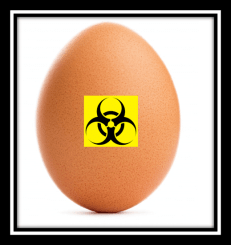
Kronegg recalls Free-range indoor 20-pack, 15-pack, 12-pack, 10-pack and 6-pack due to risk of salmonella. The eggs are sold by several retail chains, see press release.
Posted in food contamination, food handler, Food Hazard, Food Hygiene, Food Inspections, Food Micro Blog, Food Microbiology, Food Microbiology Blog, Food Microbiology Testing, Food Pathogen, food recall, Food Safety, Food Safety Alert, Food Safety Management, Food Safety Regulations, Food Testing, Salmonella, Salmonella in Eggs
Whenever there is a good poisoning outbreak, odds are that the outbreak notice will include some information about how consumers can protect themselves against contaminated food. While it is illegal for companies to sell food contaminated with enough pathogens to make someone ill, it happens all the time. These 15 tips to avoid food poisoning may help.
Information in the Link Above
Posted in Food Micro Blog, Food Microbiology, Food Microbiology Blog, Food Microbiology Research, Food Microbiology Testing, Food Poisoning, Food Safety, Food Safety Alert, Food Safety Management, Food Safety Regulations, food safety training, microbial contamination, Microbial growth, Microbiological Risk Assessment, Microbiology, Microbiology Investigations, Microbiology Risk, Poisoning

2023-01-09
Coop extends egg recall with more dates. The recall applies to Coop Egg Free-range 12-pack and 24-pack and Xtra Egg Free-range 15-pack.
Posted in food contamination, food handler, Food Hazard, Food Hygiene, Food Inspections, Food Micro Blog, Food Microbiology, Food Microbiology Blog, Food Microbiology Testing, Food Pathogen, food recall, Food Safety, Food Safety Alert, Food Safety Management, Food Safety Regulations, Food Testing, Salmonella, Salmonella in Eggs

| GTIN | Batch | Date |
|---|---|---|
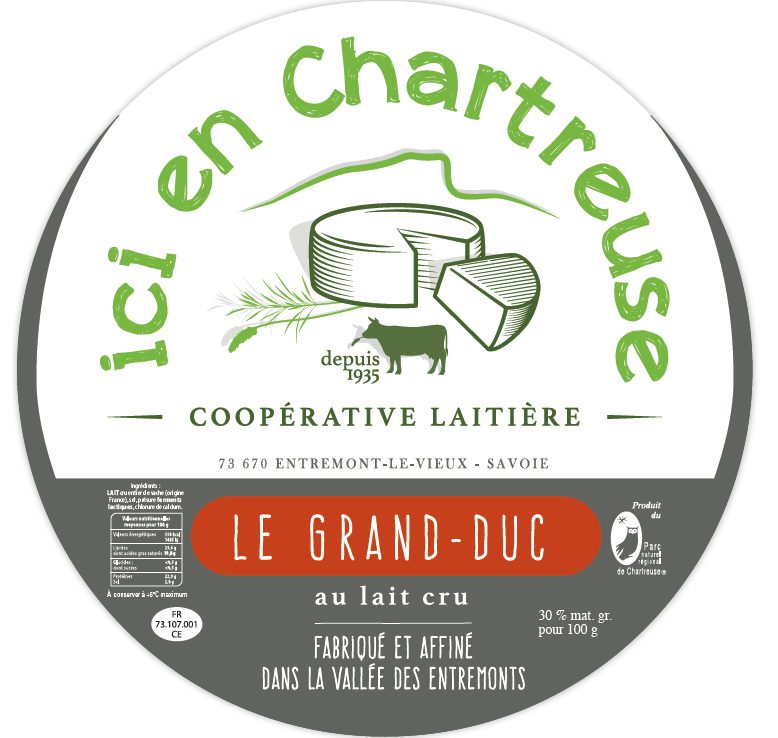
| 3760305510068 | 120-22 | Date of minimum durability 15/01/2023 |
Posted in food contamination, food handler, Food Hazard, Food Hygiene, Food Inspections, Food Micro Blog, Food Microbiology, Food Microbiology Blog, Food Microbiology Testing, Food Pathogen, food recall, Food Safety, Food Safety Alert, Food Safety Management, Food Safety Regulations, Food Testing, Listeria, Listeria monocytogenes, Raw Milk, raw milk cheese

| GTIN | Batch | Date |
|---|---|---|
| 3476700002182 | All lots | Use-by date between 23/12/2022 and 11/01/2023 |
Posted in food contamination, food handler, Food Hazard, Food Hygiene, Food Inspections, Food Micro Blog, Food Microbiology, Food Microbiology Blog, Food Microbiology Testing, Food Pathogen, food recall, Food Safety, Food Safety Alert, Food Safety Management, Food Safety Regulations, Food Testing, Food Virus, Norovirus, Virus
| GTIN | Batch | |
|---|---|---|
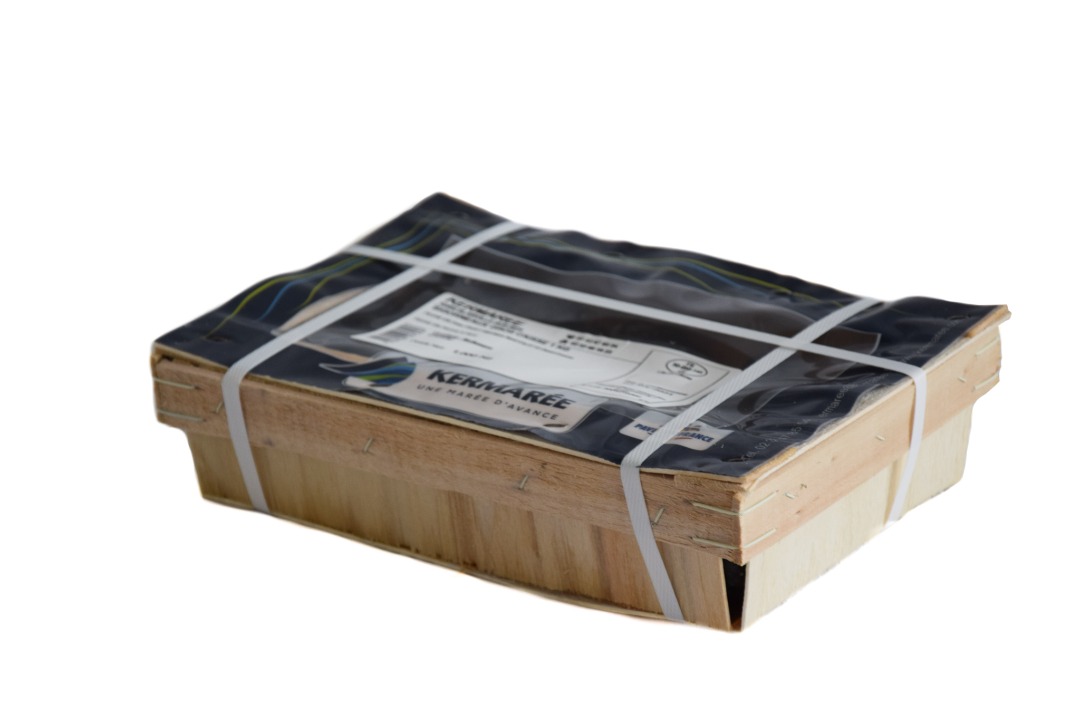
| 3476700005657 | All lots | |
| 3476700005596 | All lots | |
| 3476700005480 | All lots | |
| 3476700005558 | All lots | |
Posted in food contamination, food handler, Food Hazard, Food Hygiene, Food Inspections, Food Micro Blog, Food Microbiology, Food Microbiology Blog, Food Microbiology Testing, Food Pathogen, food recall, Food Safety, Food Safety Alert, Food Safety Management, Food Safety Regulations, Food Testing, Food Virus, Norovirus
Dining tables may present a risk to diners by transmitting bacteria and/or viruses. Currently, there is a lack of an environmental-friendly and convenient means to protect diners when they are sitting together. This investigation constructed far-UVC excimer lamps to disinfect dining-table surfaces. The lamps were mounted at different heights and orientations, and the irradiance on table surfaces was measured. The irradiation doses to obtain different inactivation efficiencies for Escherichia coli (E. coli) were provided. In addition, numerical modeling was conducted for irradiance and the resulting inactivation efficiency. The surface-to-surface (S2S) model was validated with the measured irradiance. The germicidal performance of far-UVC irradiation, the far-UVC doses to which diners were exposed, and the risk of exposure to the generated ozone were evaluated. The results revealed that an irradiation dose of 12.8 mJ/cm2 can disinfect 99.9% of E. coli on surfaces. By varying the lamp irradiance output, the number and positions of the lamps, the far-UVC irradiation can achieve a 3-log reduction for a dining duration of 5 min. Besides, the far-UVC lamp has a low damage risk to diners when achieving an effective inactivation rate. Moreover, there is virtually no ozone exposure risk in a mechanically ventilated dining hall.
Posted in Decontamination Microbial, E.coli, Food Micro Blog, Food Microbiology, Food Microbiology Blog, Food Microbiology Research, Food Microbiology Testing, Irradiation, microbial contamination, Microbial growth, Microbiological Risk Assessment, Microbiology, Microbiology Investigations, Microbiology Risk, UV Microbiology, UV-C
Posted in EHEC, Food Micro Blog, Food Microbiology, Food Microbiology Blog, Food Microbiology Research, Food Microbiology Testing, LAB, Lactobacillus, Lactobacillus plantarum, microbial contamination, Microbial growth, Microbiological Risk Assessment, Microbiology, Microbiology Investigations, Microbiology Risk, STEC, STEC E.coli


