Brand : Gio’ Mare Spa
Name : Lupine clam (Chamelea gallina)
Reason for reporting : Recall due to microbiological risk
Date of publication : March 1, 2023


Brand : Gio’ Mare Spa
Name : Lupine clam (Chamelea gallina)
Reason for reporting : Recall due to microbiological risk
Date of publication : March 1, 2023
Posted in E.coli, food contamination, food handler, Food Hazard, Food Hygiene, Food Inspections, Food Micro Blog, Food Microbiology, Food Microbiology Blog, Food Microbiology Testing, Food Pathogen, Food Poisoning, Food Quality, food recall, Food Safety, Food Safety Alert, Food Safety Management, Food Safety Regulations, Food Testing, Food Toxin
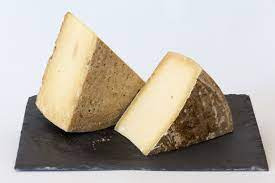
| Batch | Date | |
|---|---|---|
| 19/11/2022 to 25/01/2023 | Date of minimum durability between 02/19/2023 and 04/25/2023 | |
Posted in food contamination, food handler, Food Hazard, Food Hygiene, Food Inspections, Food Microbiology, Food Microbiology Blog, Food Microbiology Research, Food Microbiology Testing, Food Pathogen, Food Quality, food recall, Food Safety, Food Safety Alert, Food Safety Management, Food Safety Regulations, Food Testing, Listeria, Listeria in Cheese, Listeria monocytogenes
Do not use, sell, serve or distribute the affected products.
Mother Dairy brand Paneer Fresh Cheese recalled due to generic E. coli.
The recalled products have been sold in British Columbia, Alberta, Manitoba, Ontario and Quebec.
Posted in CFIA, E.coli, food contamination, food handler, Food Hazard, Food Hygiene, Food Inspections, Food Micro Blog, Food Microbiology, Food Microbiology Blog, Food Microbiology Testing, Food Pathogen, Food Quality, food recall, Food Safety, Food Safety Alert, Food Safety Management, Food Safety Regulations, Food Testing
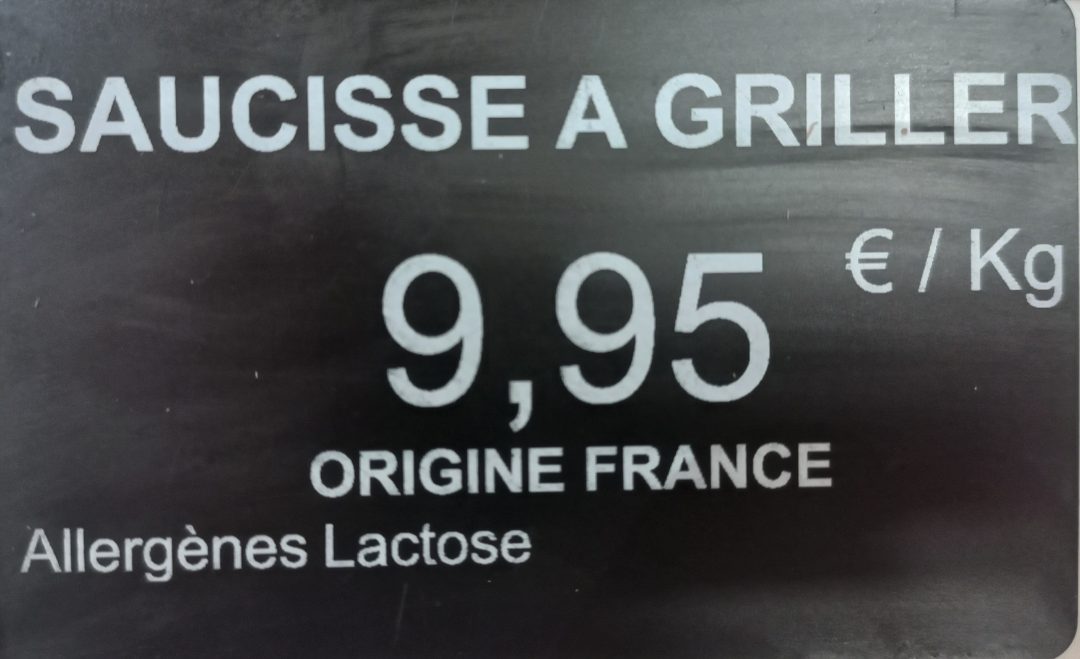
| Batch | Date | |
|---|---|---|
| Sold in the traditional department from 22 to 26/02/2023 | ||
| Sold in self-service: – Packaging date: 22/02/2023 – Expiry date: 27/02/2023 – Lot: Chipo 21/02 | Use-by date 02/27/2023 | |
Posted in food contamination, food handler, Food Hazard, Food Hygiene, Food Inspections, Food Micro Blog, Food Microbiology, Food Microbiology Blog, Food Microbiology Testing, Food Pathogen, Food Quality, food recall, Food Safety, Food Safety Management, Food Safety Regulations, Food Testing, Listeria, Listeria monocytogenes
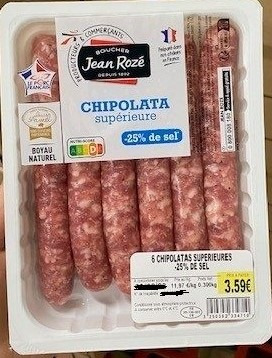
| GTIN | Batch | Date |
|---|---|---|
| 3250392334710 | J30510585 | Use-by date 06/03/2023 |
Posted in food contamination, food handler, Food Hazard, Food Hygiene, Food Inspections, Food Micro Blog, Food Microbiology, Food Microbiology Blog, Food Microbiology Testing, Food Pathogen, Food Quality, food recall, Food Safety, Food Safety Alert, Food Safety Management, Food Safety Regulations, Food Testing, Salmonella
Dried non-heat-treated meat treats, such as ears, skin and tails, are popular supplementary dog foods. Previous studies have demonstrated Salmonella spp. contamination on treats, particularly in pig ears and chicken products. This small, exploratory, cross-sectional study investigated Salmonella spp. presence in dried treats available in the UK.
A selection of dried treats from local pet shops and online retailers underwent bacterial culture for Salmonella spp. and subsequent antimicrobial susceptibility testing, with Salmonella serotype determined by whole genome sequencing.
Eighty-four samples were tested, with 16% being Salmonella spp. positive. Five Salmonella serotypes were identified, each associated with specific treat types. An antimicrobial-resistant phenotype was identified in 39% of isolates. All serotypes identified are known to cause human infection.
This study was limited by a small sample size and limited number of retail sources.
Salmonella spp. of public health concern were present in some dried dog treats in this study. Dog owners, pet food retailers and veterinary professionals should be aware of the potential zoonotic disease risk associated with these treats, and appropriate hygiene measures, including thorough hand washing, should be utilised if they are fed.
Posted in Food Micro Blog, Food Microbiology, Food Microbiology Blog, Food Microbiology Research, Food Microbiology Testing, microbial contamination, Microbial growth, Microbiological Risk Assessment, Microbiology, Microbiology Investigations, Microbiology Risk, Pet Food, Pet Food Enterobacteriaceae, Pet Food Salmonella, Pet Food Testing, Salmonella

FDA Warning Letters
American Cruise Lines
Guilford, CT
American Cruise Lines is on notice from the Food and Drug Administration (FDA) after an inspection of their American Star and American Heritage vessels. According to the warning letter, the FDA continues to have concerns with the potential exposure of passengers and crew members to Legionella onboard American Cruise Lines’ vessels.
In Jan. 24, 2023, warning letter, the FDA described an April 30 through June 17, 2022, an inspection of American Cruise Lines’ American Star and American Heritage vessels.
The warning letter includes information about failed water tests for a sink in the galley and hand-washing sinks for wait staff. The FDA also found that disinfection was ineffective.
American Star
Presence of Legionella Onboard the Vessel
On April 30, 2022, FDA investigators collected 10 biofilm swabs and 14 bulk one-liter potable water samples from various locations on the vessel. The Maryland Department of Health laboratory recovered Legionella from:
Biofilm Swabs with 60 percent of samples positive:
American Heritage
Presence of Legionella Onboard the Vessel
On June 15, 2022, FDA investigators collected 24 biofilm swabs and 29 bulk one-liter potable water samples from various locations on their vessels. The Maryland Department of Health laboratory recovered Legionella from:
Biofilm Swabs with 8 percent of samples positive:
Posted in Decontamination Microbial, Food Micro Blog, Food Microbiology, Food Microbiology Blog, Legionella, Legionnaires’ disease, microbial contamination, Microbial growth, Microbiological Risk Assessment, Microbiology, Microbiology Investigations, Microbiology Risk, Water, water microbiology, Water Safety
ZAMBOANGA CITY: Dozens of villagers in the southern province of Sulu were rushed to hospital on suspicion of food poisoning after they consumed snacks given by soldiers, radio reports said.
Radio Pilipinas Jolo said at least 63 people, including 47 children, complained of dizziness and stomach ache after eating “ginataan” handed out by soldiers on Friday in the village of Tagbak in Indanan town.
The radio station also quoted Dr. Alhazer Siraji Ismael, of the Sulu Sanitarium Hospital, that most of the patients suffered from severe dehydration.
Ismael said six of the patients had to be monitored but the others were in stable condition.
Among those in the hospital were Girls Scout Executive Helen Hajan, and her daughter. The military did not issue any statement on the incident.
Posted in Food Illness, Food Micro Blog, Food Microbiology, Food Microbiology Blog, Food Microbiology Research, Food Microbiology Testing, Food Poisoning, Foodborne Illness, Illness, microbial contamination, Microbial growth, Microbiological Risk Assessment, Microbiology, Microbiology Investigations, Microbiology Risk
Listeria and coagulase-positive Staphylococci have been found during inspections of fruit salads in Switzerland, according to the Swiss Association of Cantonal Chemists (ACCS).
Cantonal chemists analyzed the microbiological quality of fruit salads by taking 205 samples.
During the control, organized from May to September 2022, the samples of fruit salads were taken throughout Switzerland and Liechtenstein to check the microbial quality and for the presence of bacteria that could pose a health risk.
Food control is done by cantons, which carry out inspections and laboratory analyses with the help of cantonal chemists. Switzerland is made up of 26 regions called cantons.
Fruit salads can represent a health risk, particularly if storage temperatures and times are not adequate and products are intended for vulnerable people in retirement homes, nursing homes, or hospitals.
Targeted sampling looked at types of fruit more likely to be contaminated by bacteria such as low-acid fruits like melon or watermelon and followed criteria set in food legislation.
Posted in bacterial contamination, cross contamination, food contamination, Food Micro Blog, Food Microbiology, Food Microbiology Blog, Food Microbiology Research, Food Microbiology Testing, Listeria, Listeria monocytogenes, microbial contamination, Microbial growth, Microbiological Risk Assessment, Microbiology, Microbiology Investigations, Microbiology Risk, Staphylococcal Toxin, Staphylococcus aureus


