Category Archives: Food Inspections

Research – Survival of food‐borne bacterial pathogens in traditional Mediterranean anchovy products

Wiley Online Library

Abstract

The aim of this study was to investigate the survival of Salmonella Enteritidis, Staphylococcus aureus and Listeria monocytogenes in salted and marinated anchovy (Engraulis encrasicholus). Total viable counts (TVCs), lactic acid bacteria, Enterobacteriaceae, and yeasts/molds were also enumerated. Initially, TVC was as high as 5.5 log10 cfu/g, but the population dropped down to 3.2 and 2.2 log10 CFU/g for salted and marinated anchovy, respectively. S. aureus was the most salt‐tolerant and L. monocytogenes was the most acid‐tolerant microorganism. A biphasic inactivation of S. Enteriditis and L. monocytogenes was apparent during the 8‐hr marination process, implying adaptation and resistance to low pH. Results suggest that salting or marinating of anchovy creates an environment in which pathogenic bacteria are inactivated. However, inherent resistance or possible adaptation to stresses can result to prolonged inactivation times; hence it is important to avoid contamination with high numbers of food‐borne pathogens.

Practical applications

Many food‐borne bacterial pathogens can survive at low pH and aw, especially in cases in which they might adapt to the imposed stresses and become resistant. Knowing the time required to reduce food‐borne pathogens is of great interest for ensuring safety of traditional seafood.

Research – Lactic acid fermentation of legume seed sprouts as a method of increasing the content of isoflavones and reducing microbial contamination

Science Direct

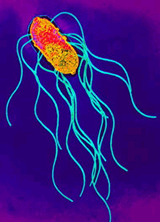
CDC Klebsiella

Image CDC

Legume seeds and sprouts are a rich source of phytoestrogens in the form of isoflavonoids. For the first time, lactic acid fermentation of four types of legume sprouts was used to increase the content of isoflavonoids and microbiological safety. After germination, the highest content of isoflavonoids was observed in the clover and chickpea sprouts, which amounted to 1.1 g/100 g dw., whereas the lactic acid fermentation allowed the increase to as much as 5.5 g/100 g dw. The most beneficial properties were shown by fermented chickpea sprouts germinated in blue light. During fermentation the number of lactic acid bacteria increased by 2 Log10CFU/mL (LU), whereas mold decreased by 1 LU, E.coli and Klebsiellasp. by 2 LU, Salmonella sp. and Shigella sp did not occur after fermentation, similar to Staphylococcus epidermidis, while S. aureus and S. saprophyticus decreased by 3 LU and in some trials were not detected.

USA – Hepatitis A Exposure at Subway in Trumann, Arkansas

Food Poisoning Bulletin

An employee at the Subway restaurant at 121 Highway 463 North in Trumann, Arkansas, has been diagnosed with hepatitis A according to the Arkansas Health Department. Anyone who ate there between January 23, 2019 and February 6, 2019 should get a vaccination as soon as possible if they have never had this illness or have not been vaccinated.

Research – Prevalence and antimicrobial resistance of Listeria species and subtyping and virulence factors of Listeria monocytogenes from retail meat

Wiley Online Library

Abstract

In this study, of 124 samples of ground beef and chicken meat, 101 (81.5%) were positive for Listeria spp. Listeria innocua (35.5%) and Listeria monocytogenes (26.6%) were the most frequently isolated species. All 33 (100%) L. monocytogenes isolates were positive for the virulence genes hlyA, actA, inlA, inlB, inlC, inlJ, prfA, plcA, and iap. Serotype 1/2a, which is one of the listeriosis‐associated serotypes, was the most predominant serotype (57.6%), followed by 1/2c (39.4%) and 3c (3%). In polymerase chain reaction‐restriction fragment length polymorphism (PCR‐RFLP) analysis of inlA for subtyping of the L. monocytogenesstrains, the AluI and MluCI enzymes generated two different profiles. Almost all chicken strains were grouped in similar PCR‐RFLP profiles with both restriction enzymes. Most Listeria isolates were resistant to ceftriaxone (79.7%), fusidic acid (63.3%), and clindamycin (47.7%). Resistance to penicillin and ampicillin occurred in 1.6 and 17.9% of the isolates, respectively. The percentage of resistance to three or more agents was 48.1%.

Practical application

The presence of Listeria spp., especially L. monocytogenes, in foods is inevitable because of the ubiquitous nature of Listeria spp. Illnesses resulting from the consumption of contaminated food severely affect sensitive groups, especially pregnant women, unborn fetuses and newborns as a result of transmission across the placenta or during delivery. Immunosuppressed adults are also sensitive to infection. Listeria grows well at cold temperatures, so storage of contaminated food in the refrigerator can also increase the risk of infections for consumers. In particular, limiting the exposure of pregnant women and immunosuppressed patients to potential sources of Listeria such as raw and undercooked meats is recommended.

India -Jharkhand mass food poisoning: 40 students admitted to hospital after consuming ‘prasad’ at school

Times News Now

Ranchi: In an appalling case reported from Jharkhand, 40 students fell ill after consuming ‘prasad’ at a school in Lohardaga district. Police investigation in the case is underway.

News agency ANI reported, S S Khalid, Doctor at the Sadar hospital mentioned, 40 children have come here till now, one or two are in critical condition. He further added that it is a case of food poisoning and they are treating them accordingly. Meanwhile, Ratan Mahwar, the District Education Officer, Lohardaga district mentioned that the administration is investigating and they will take action against whoever is found guilty.

India – Your leftover rice can cause food poisoning if you don’t do this

Times of India

Time and again you might have read about the benefits of eating leftover rice. Right from helping in constipation to the reduction in body heat, eating leftover rice is said to have umpteen health benefits. But you will be surprised to know that consuming leftover rice can also make you sick if you do not take the necessary precautions.
Yes, this is true. Probably we all must have had reheated rice, without even realising that it can make you really sick. As per the National Health Service (NHS) of England, eating reheated rice can cause food poisoning. However, it is not the reheating of rice that causes the problem, but the way the food is stored after it is cooked.

Cambodia – Ministry notes decrease in food poisoning cases

Khmer Times

The Health Ministry on Saturday reminded the public to avoid food poisoning by properly preparing food and avoiding toxic chemicals, noting cases of food poisoning last year decreased when compared to the previous year.

Aing Hoksrun, chief of the ministry’s food safety office, on Saturday said 12 people died and 203 others were hospitalised in 13 cases of food poisoning, a decrease when compared to 2017’s four deaths and 703 hospitalised in 28 cases.

Mr Hoksrun said cases of food poisoning are often caused by viruses and toxic chemicals.

France – More babies infected with Salmonella in outbreak linked to rice milk formula

Food Safety News Salmonella kswfoodworld

French authorities are investigating more than a dozen cases of Salmonella infection in babies less than 19 months old. The illnesses are linked to a rice milk formula made in Spain.

Of the 14 babies involved in the investigation, the French National Public Health Agency (Santé publique France) reports five have been confirmed and nine are under investigation. Seven of the babies were hospitalized for salmonellosis but have since recovered.

Luxembourg and Belgium have reported one case each linked to the outbreak.

India – Food poisoning: 100 hospitalised

Times of India

AHMEDABAD: Over 100 persons, primarily from Shahpur’s Halim ni Khadki area, were admitted to the VS Hospital on Sunday evening following complaints of food poisoning.

New Zealand – Shellfish biotoxin alert – South Island West Coast region

MPI Mussels

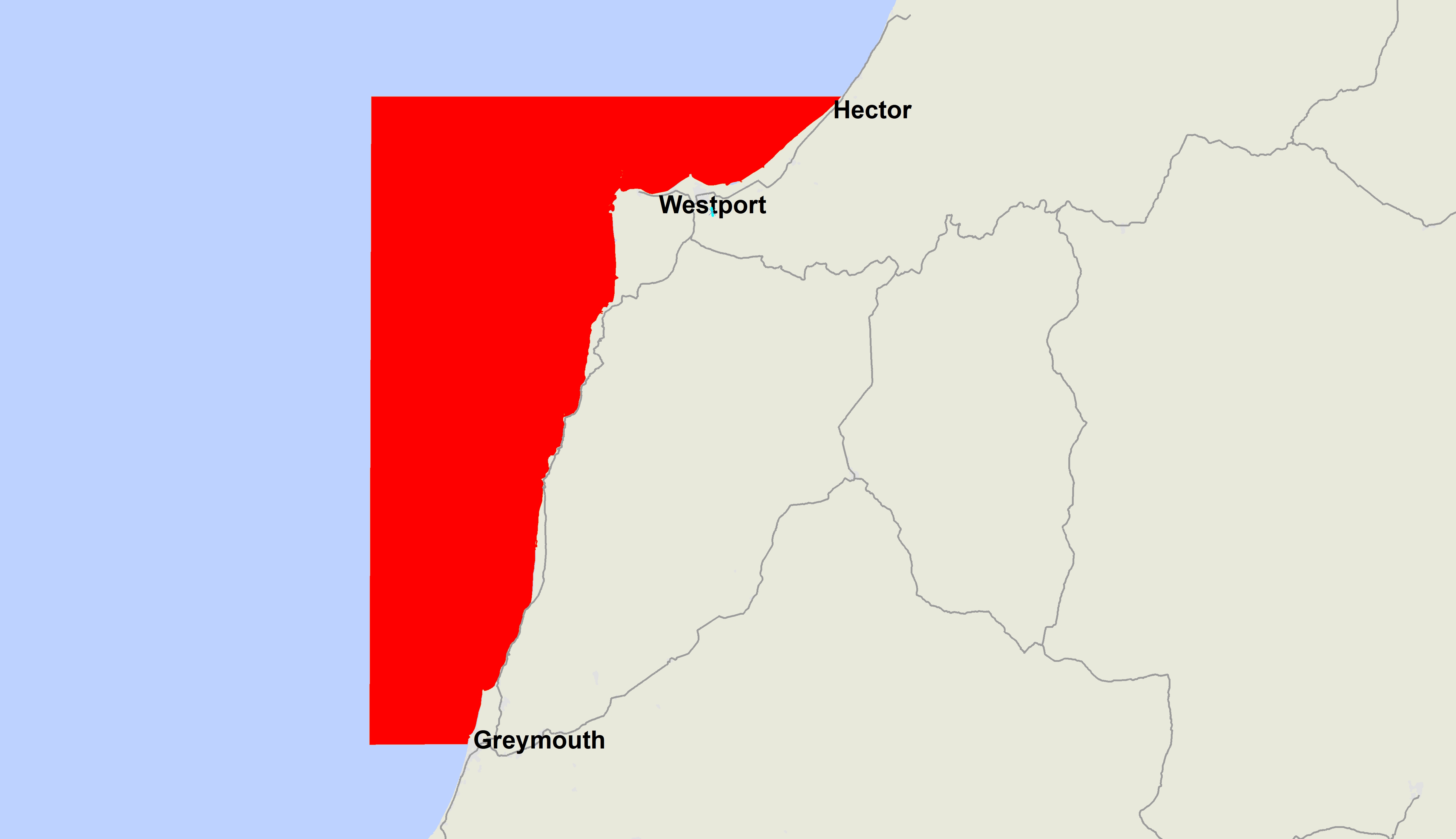
The Ministry for Primary Industries (MPI) today issued a public health warning advising the public not to collect or consume shellfish harvested from between Hector south to Greigs on the South Island West Coast.

Routine tests on shellfish samples taken from Cape Foulwind has shown levels of diarrhetic shellfish toxins above the safe limit of 0.16 mg/kg set by MPI.  Anyone eating shellfish from this area is potentially at risk of illness.

Ongoing testing will continue and any changes will be communicated accordingly.

Mussels, oysters, tuatua, pipi, toheroa, cockles, scallops, catseyes, kina (sea urchin) and all other bivalve shellfish should not be eaten.

Note: cooking shellfish does not remove the toxin.

Map highlighting in red the areas affected.