Category Archives: Food Illness

Research -Shiga Toxin–Producing Escherichia coli O157:H7 Illness Outbreak Associated with Untreated, Pressurized, Municipal Irrigation Water — Utah, 2023

CDC

During July–September 2023, an outbreak of Shiga toxin–producing Escherichia coli O157:H7 illness among children in city A, Utah, caused 13 confirmed illnesses; seven patients were hospitalized, including two with hemolytic uremic syndrome. Local, state, and federal public health partners investigating the outbreak linked the illnesses to untreated, pressurized, municipal irrigation water (UPMIW) exposure in city A; 12 of 13 ill children reported playing in or drinking UPMIW. Clinical isolates were genetically highly related to one another and to environmental isolates from multiple locations within city A’s UPMIW system. Microbial source tracking, a method to indicate possible contamination sources, identified birds and ruminants as potential sources of fecal contamination of UPMIW. Public health and city A officials issued multiple press releases regarding the outbreak reminding residents that UPMIW is not intended for drinking or recreation. Public education and UPMIW management and operations interventions, including assessing and mitigating potential contamination sources, covering UPMIW sources and reservoirs, indicating UPMIW lines and spigots with a designated color, and providing conspicuous signage to communicate risk and intended use might help prevent future UPMIW-associated illnesses.

Research – Outbreak of Listeria monocytogenes in hospital linked to a fava bean product, Finland, 2015 to 2019

Eurosurveillance

Listeriosis is a severe bacterial infection caused by  (), usually via consumption of food contaminated with the bacterium. However, other ways of transmission than food-borne have been reported [1].  species are ubiquitous in the environment and many animals shed  in their faeces. Infections are often associated with raw, chilled or ready-to-eat (RTE) foods. Symptoms develop within 1–70 days after eating food contaminated with  [2]. The disease can manifest as severe, invasive illness, more likely in elderly people, pregnant women, unborn or newborn babies and people with weakened immune systems [3]. In these persons, listeriosis may present as septicaemia or meningitis and lead to high hospitalisation and mortality rates.

In 2021, an incidence of 0.5 per 100,000 population was reported for listeriosis in the European Union/European Economic Area (EU/EEA), while the incidence in Finland was 1.3 per 100,000 [4].

Listeriosis cases have been reported in healthcare facilities [511]. Two healthcare-associated  outbreaks have been reported in Finland during the last three decades. In 1999, a large hospital outbreak occurred with six deaths in 25 cases of invasive listeriosis. The source of the outbreak was butter which may have been contaminated after pasteurisation [12]. In 2012, RTE meat jelly was suspected to be the source of a hospital outbreak affecting 25 people [9].

Canada – Two cases of E. coli led to inspection of Calgary restaurant ordered shut by AHS

Calgary Herald

The closure order and food handling permit suspension dished to a downtown Calgary restaurant was triggered by two customers testing positive for E. coli after eating there, health authorities said.

Outlined in the May 7 closure order are 38 public health violations at Yemeni Village — at 402 8th St. S.W. — that put public health at risk, according to Alberta Health Services.

USA – Cracker Barrel in Bourbonnais Illinois linked to Salmonella Outbreak

Food Poison Journal

The Kankakee County Health Department (KCHD) and Illinois Department of Public Health (IDPH) are investigating an outbreak of Salmonella, a bacteria that is a common cause of food poisoning. As of May 14th1, 2024, KCHD has identified 8 individuals with Salmonella infections who ate prepared food from Cracker Barrel located on 50 Ken Hayes Dr in Bourbonnais.

Cracker Barrel voluntarily closed on May 4th, 2024 and is cooperating with KCHD to determine a source of the infections. KCHD performed an environmental assessment of Cracker Barrel and provided guidance on safe food handling practices and environmental cleaning to prevent further spread of disease.

Vietnam – 350 workers at South Korean firm suffer food poisoning

E VNExpress

Over 350 workers at a South Korean company in Vinh Phuc Province suffered food poisoning after eating lunch on Tuesday.

Over 3,290 workers at Shinwon Ebenezer Vietnam textile company ate lunch in two batches at 11:30 a.m. and 12:30 p.m.

The meal, cooked at the company, comprised chicken, broccoli, legumes, and pickles.

The Vinh Phuc Department of Health has collected food samples to identify the cause of the outbreak.

USA – FDA – Investigations of Foodborne Illness Outbreaks

FDA

Date
Posted
Ref Pathogen
or
Cause of
Illness
Product(s)
Linked to
Illnesses

(if any)
Total
Case
Count

Status
Outbreak/
Event
Status
4/17/

2024

1221 E. coli
O157:H7
Organic
Walnuts
See
Advisory
Active Ongoing
See
Advisory
4/10/

2024

1218 Salmonella
Typhimurium
Organic Fresh
Basil
See
Advisory
Active Ongoing
See
Advisory

France – Triangle au Vin Jaune – Salmonella

Gov France

Product category
Food
Product subcategory
Others
Product brand name
Killed by Grandpa Gaby
Model names or references
Yellow wine triangle sausages
Product identification
Batch Date
0204 Minimum durability date 01/07/2024
Products List
FT_SAAUCISSON_TRIANGLE_VIN_JAUNE_240313.pdfAttachment
Start/end date of marketing
From 04/23/2024 to 05/04/2024
Storage temperature
Product to keep in the refrigerator
Geographical sales area
Whole France
Distributors
Killed by grandpa gaby; the cheese boys; SARL Desserteau; Chalet Jacquet; Cremerie les Fins; Boillot Chantal; Direct doubles; The orchards of the sun; SARL Lehmann Cheeses

Research – Foodborne Disease Outbreaks Linked to Foods Eligible for Irradiation, United States, 2009–2020

CDC

Food irradiation can reduce foodborne illnesses but is rarely used in the United States. We determined whether outbreaks related to CampylobacterSalmonellaEscherichia coli, and Listeria monocytogenes were linked to irradiation-eligible foods. Of 482 outbreaks, 155 (32.2%) were linked to an irradiation-eligible food, none of which were known to be irradiated.

Saudi Arabia – Botulism outbreak traced to mayonnaise at Riyadh restaurant

Arab News

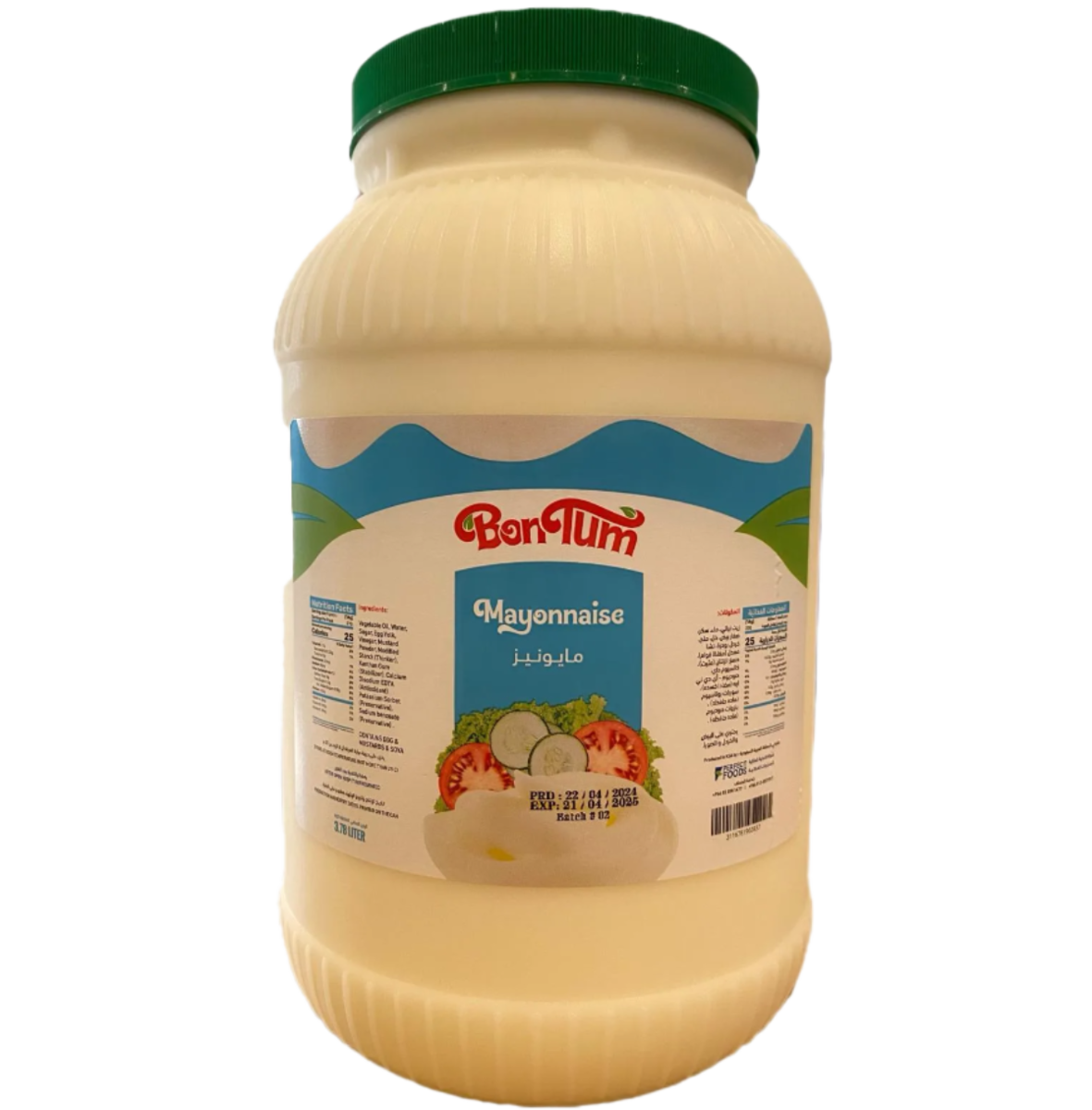
RIYADH: The Ministry of Municipal, Rural Affairs and Housing announced on Saturday that a Saudi Food and Drug Authority laboratory test had found clostridium botulinum in a Bon Tum mayonnaise brand used by the Hamburgini food chain.

Since the bacterium was discovered in a Bon Tum factory, the ministry has collaborated with the SFDA and other authorities to enforce additional measures beyond those previously implemented.

These measures include suspending the distribution of the mayonnaise product and withdrawing it from markets and food facilities across all cities in the Kingdom. They also include halting operations at the factory in preparation for implementing statutory procedures.

Danish Salmonella outbreak traced to English beef

Food Safety News

Imported beef is to blame for a Salmonella outbreak that has sickened more than 50 people, according to Danish officials.

Since March, 51 people in Denmark have been infected with the same type of Salmonella, said the Statens Serum Institut (SSI).

The Salmonella Typhimurium outbreak has sickened 31 men and 20 women. Patients are between the ages of less than 1 year old to 83 years old with a median age of 37. They live throughout the country. 18 people have been hospitalized but no deaths have been recorded.