Category Archives: Food Hygiene

Switzerland – Listeria in Naturaplan market salad, sold at Coop

FSVO

Bern, 02/10/2021 – Listeria were detected on maize kernels as part of internal controls. These corn kernels were used in Naturaplan market salad. A health hazard cannot be ruled out. Coop immediately removed the affected product from sale and launched a recall.

What is the risk of the product?

An infection with the bacterium Listeria monocytogenes is usually mild or even without symptoms in people with an intact immune system. In immunocompromised people, a number of severe symptoms can develop with, under certain circumstances, fatal outcome. Listeria infection during pregnancy can lead to a miscarriage or the child can be born with blood poisoning or meningitis.

Which product is affected?

Naturaplan organic market salad 205g

Article number: 4.032.298

To be used by: 08.02.2021; 02/09/2021; 02/10/2021; 02/11/2021; 02/12/2021

What should affected consumers do?

The FSVO recommends not to consume and dispose of the affected product.

   Address for queries

Consumers:
Federal Food Safety and Veterinary Office (
FSVO ) Infodesk: Tel. 058 463 30 33; info@blv.admin.ch

Journalists:
Federal Food Safety and Veterinary Office (FSVO)
Media office: Tel. 058 463 78 98; media@blv.admin.ch


editor

Federal Food Safety and Veterinary Office
http://www.blv.admin.ch 

USA – FDA Core Network

FDA

With CORE, FDA brought together expertise in medicine, public health and science to coordinate its efforts to find, stop, and prevent foodborne illness outbreaks. Since CORE was established in 2011, CORE teams have identified 959 potential outbreaks, responded to 234 outbreaks potentially linked to FDA regulated food products, identified a specific food in 100 outbreaks, and warned consumers to avoid those foods through more than 400 public notifications.

Outbreak Detection, Response, Prevention

On the Lookout

The CORE Signals and Surveillance Team evaluates emerging outbreaks and disease surveillance trends, working in collaboration with CDC, FDA field offices, and state agencies. The team reviews firm data including past inspections, sampling results, product distribution, and sourcing information. It also considers previous incidents involving similar pathogen and food pairs. This information is used to determine whether it can provide clues to understand emerging outbreaks. When an outbreak appears to be caused by an FDA-regulated food, this information is passed to a Response Team to coordinate FDA’s response efforts.

On the Hunt

Response Teams have one goal: to control and stop the outbreak. Response Teams work directly with FDA field offices, FDA subject-matter experts, the CDC, and state partners on a response strategy. The team coordinates investigations, inspections, sampling, and traces product distribution. Close coordination among the FDA, CDC, and state and local regulatory, public health and agriculture departments is crucial to stopping an outbreak.

Results of Response Activities

During or following an outbreak response several actions can be taken to either protect public health or inform public health efforts. Among the actions that have been taken as a result of CORE-coordinated investigations are:

  • More than 400 Public Advisories since 2011
  • At least 251 Recalls, including downstream recalls since 2011
  • 268 CORE-issued Assignments, including food facility/farm investigations/inspections, record collection, and sample collection related to outbreaks between 2016 – 2019
    • 106 Assignments with sample collection between 2016 – 2019

Communications

The CORE Communications Team monitors emerging and active incident investigations. If there is an ongoing risk to the public and actionable steps can be taken to reduce risk of illness, the FDA will issue public warning. This team also prepares responses to inquiries from FDA stakeholders and the media regarding outbreaks.

An Eye to Prevention

What did we learn? How can we prevent this from happening again? These questions guide the mission of the Outbreak Evaluation and the Outbreak Analytics Teams. These teams look at all aspects of the outbreak, from ingredient sourcing to production and distribution. They conduct data analyses to recommend ways to integrate preventative measures in food safety activities.

Results of Post-Response Activities

The CORE Outbreak Evaluation and Outbreak Analysis Teams have used data from CORE-coordinated outbreaks to contribute to:

  • The development of improved detection of the Cyclospora parasite in foods to improve outbreak detection and prevention efforts.
  • The development of the FDA Produce Safety Rule, aimed at reducing the risk of contamination of produce, and related documents.
  • The development of inspectional and sampling surveillance assignments to monitor firms and industries with foods associated with outbreaks and gather outbreak prevention data.
  • Providing resources to retailers, growers, shippers, and carriers on handling produce recalled after an outbreak and develop articles and presentations focused on past outbreak investigations to inform and educate the public and food industry professionals.
  • Communicating the results of outbreak analyses and prevention efforts through scientific journal articles and professional conferences focused on outbreak response and prevention.

More Information

USA -CORE Table Updates

FDA

The following is a list of outbreak investigations being managed by FDA’s CORE Response Teams. These two investigations are still active.

2/23/202011Salmonella PotsdamNot Yet Identified7ActiveEnded
See Advice
 ✔✔✔
1/13/202110Salmonella MiamiNot Yet Identified61ActiveOngoing
See Advice
 ✔  

New Zealand – South Island Fresh Foods Ltd – Update Listeria monocyotgenes – Recall

MPI

Updated on 11 February 2021: This recall has been amended to update the distribution list of stores where the affected products were sold. (Link above for all the stores)

Updated on 4 February 2021: This recall has been updated to remove all Night ‘n Day stores from the distribution list.

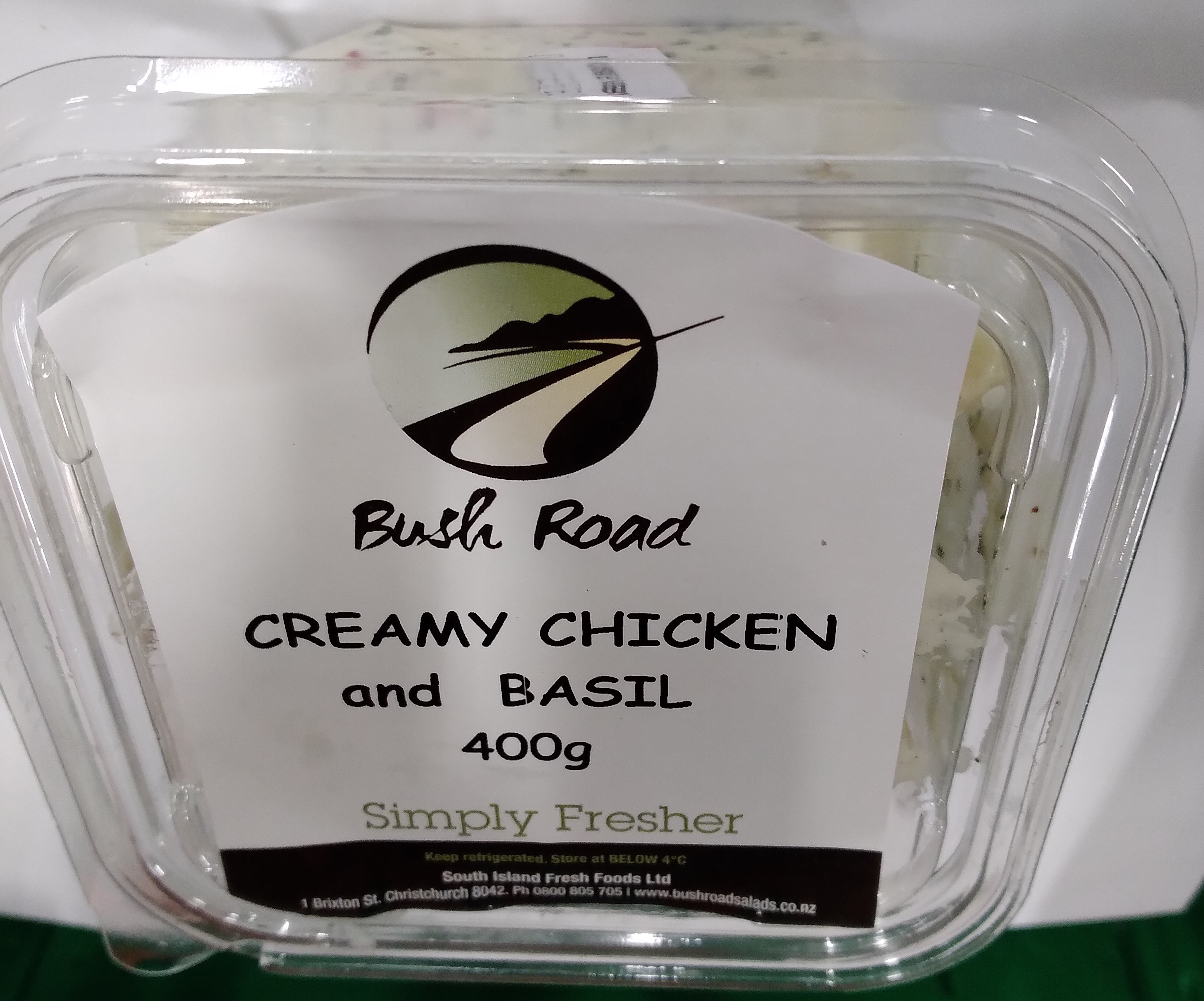
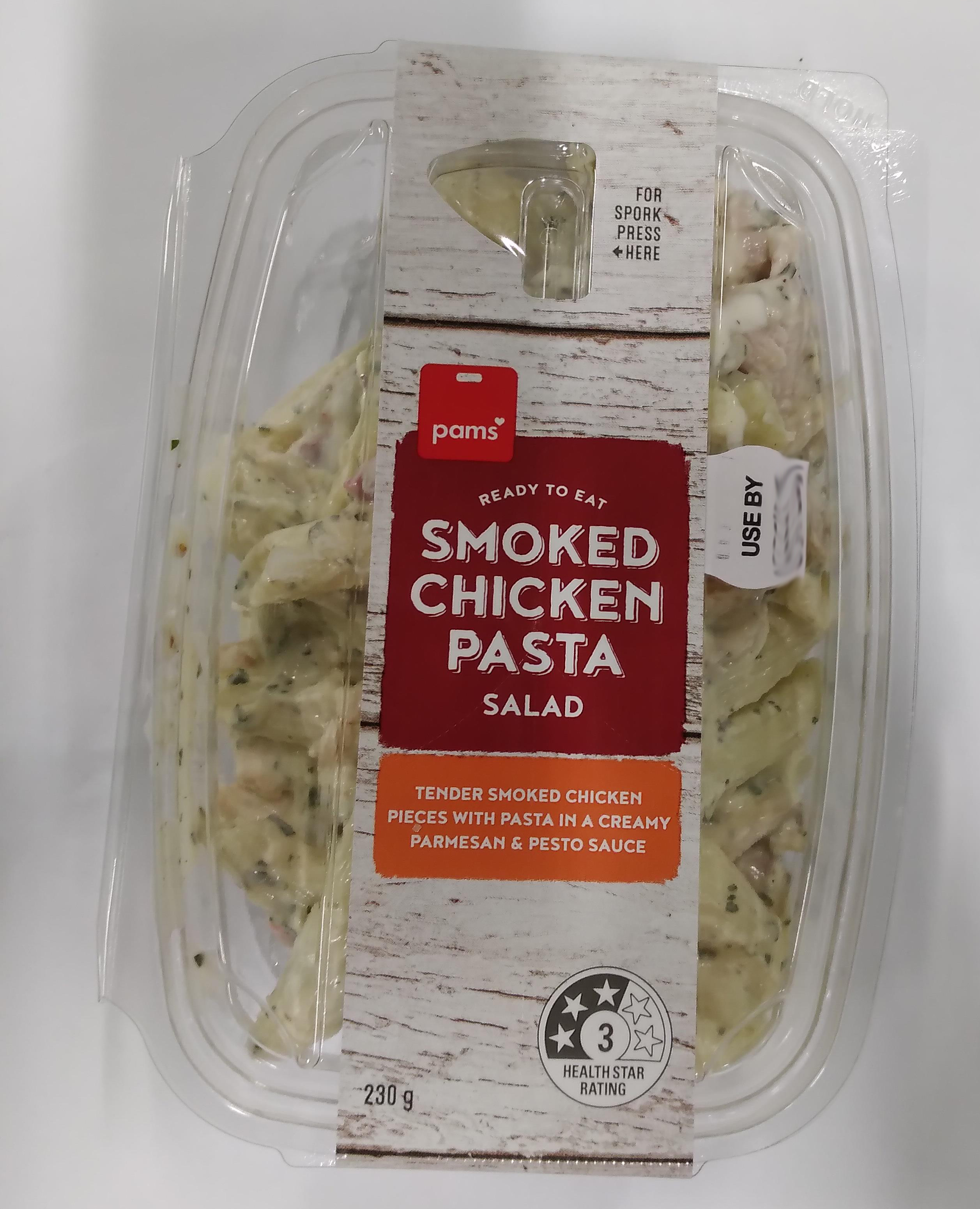
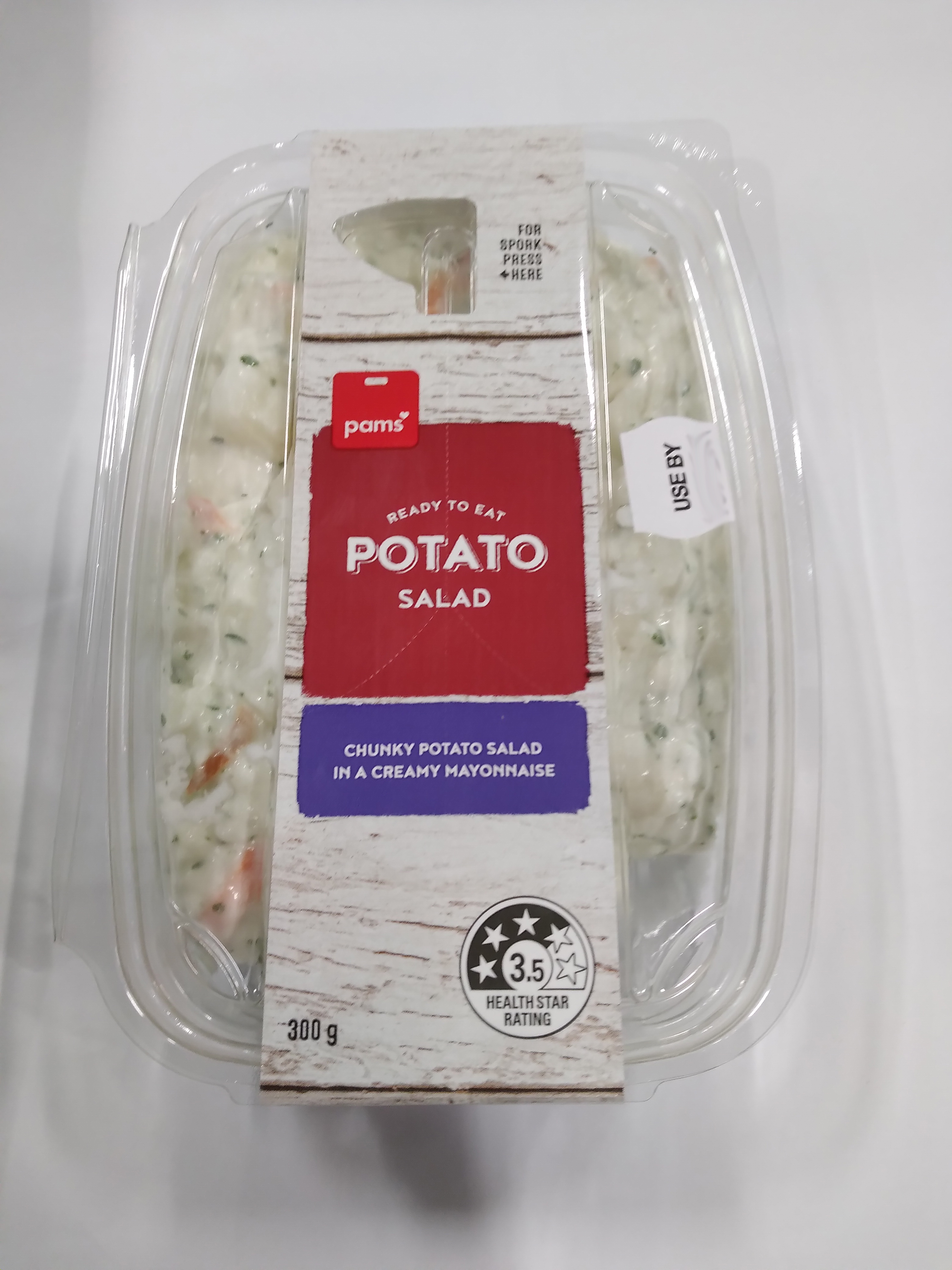
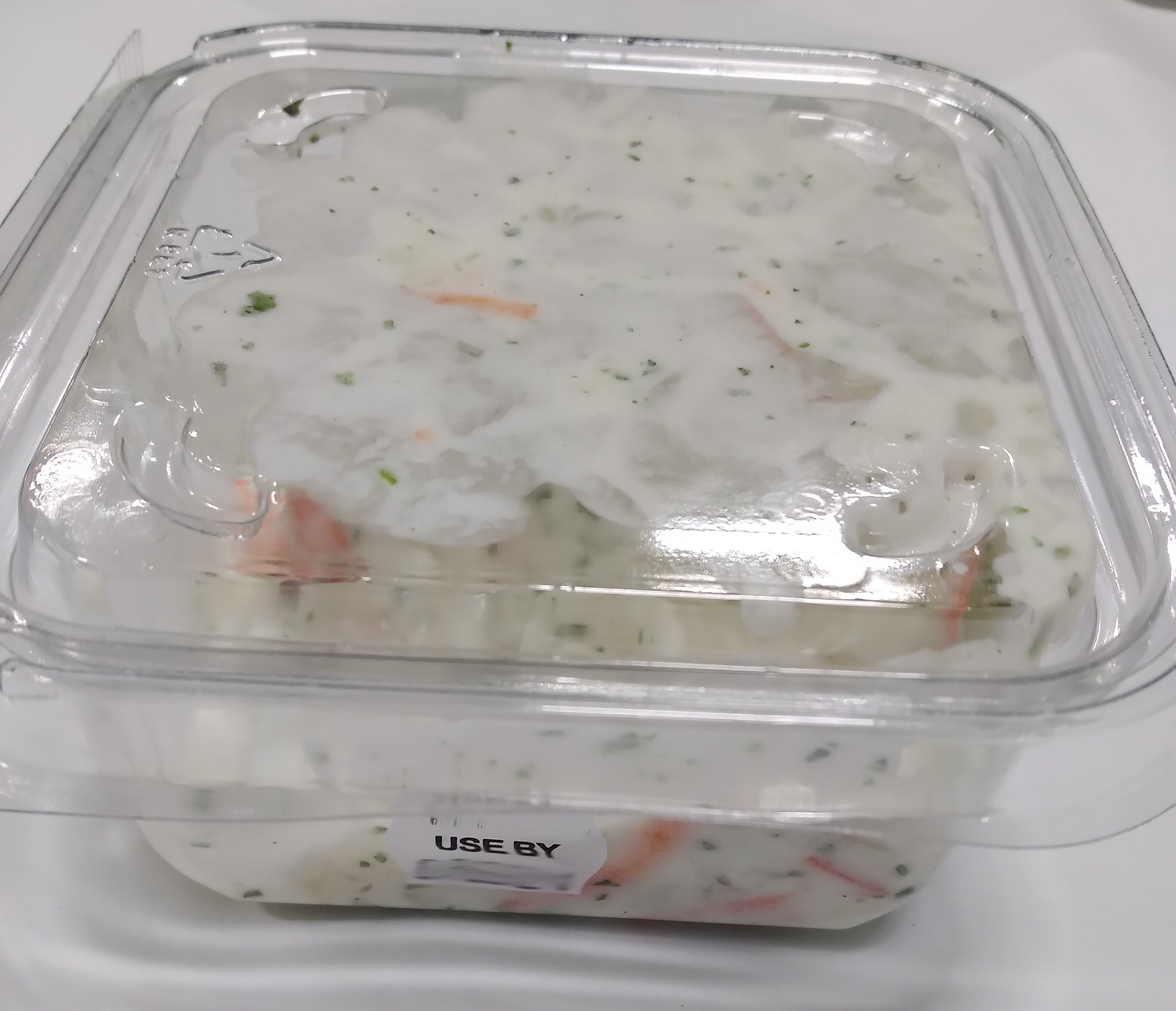
29 January 2021: South Island Fresh Foods Ltd is recalling specific varieties and batches of Bells, Bush Road, Country Foods and Pams brands ready-to-eat salads due to the possible presence of Listeria monocytogenes.

Bush Road Creamy Chicken and Basil 400g.

Bush Road Egg Supreme 200g.

Pams Smoked Chicken Pasta Salad 230g.

Pams Potato Salad 300g.

Unbranded Potato Salad 200g.

Product identification
Product type Ready-to-eat salads
Name of product (size) Sold pre-packed:

Bush Road brand Creamy Chicken Salad with Basil 400g with a use by date of 27JAN21 – 06FEB21

Bush Road brand Egg Supreme (200g) with a use by date of 31JAN21 – 07FEB21

Bush Road brand Potato Salad (250g) with a use by date of 31JAN21 – 07FEB21

Bush Road brand Potato Salad (400g) with a use by date of 31JAN21 – 10FEB21

Pams brand Potato Salad (300g) with a use by date of 31JAN21 – 10FEB21

Pams brand Smoked Chicken Pasta Salad (230g) with a use by date of 27JAN21 – 05FEB21

Unbranded Potato Salad (400g) and (600g) with a use by date of 31JAN21 – 07FEB21

Unbranded Potato Salad (200g) with a use by date of 08FEB21 – 09FEB21

Sold in-stores from deli counter:

Bells brand Potato Salad sold between 18 – 29 January 2021

Bush Road Creamy Chicken Salad with Basil sold between 18 – 29 January 2021

Bush Road brand Egg Supreme sold between 18 – 29 January 2021

Country Foods brand Egg and Celery sold between 18 – 29 January 2021

Country Foods brand Broccolini and Bacon sold between 18 – 29 January 2021

Use by Various weights with specific use by dates between 27JAN21 – 10FEB 21 (for pre-packed salads)

Various weights sold in-stores from the deli counter between 18 – 29 January 2021

Package size and description The product is sold in the deli section of the supermarket and in various weights in plastic packaging.

USA Research – Sources and prevalence of Cyclospora cayetanensis in Southeastern US water sources and growing environments

Centre For Produce Safety

Summary

220px-Cyclospora_cayetanensis_stained

In 2018, a domestic-produce associated cyclosporiasis outbreak and the first Cyclospora detection on domestic produce demonstrated the need for a better understanding of Cyclospora prevalence in US produce growing environments. The Southeastern Coastal Plain growing region has several risk factors that warrant the evaluation of Cyclospora prevalence, including a farm worker population from Cyclospora-endemic areas, use of surface water for irrigation, and heavy rainfall that could transport Cyclospora into surface waters. The proposed study will assess Cyclospora prevalence in this region through two Georgia industry partners representing growing practices across the southeastern US. Human sewage samples from municipal wastewater influents and on-farm portable toilets will be tested to assess Cyclospora shedding in the region and on-farm, respectively. Cyclospora prevalence in the agricultural environment will be assessed in irrigation water and on produce (via a proxy measurement). Using newly developed tools, Cyclospora contamination found will be traced through the produce growing process by genetic typing to match detections between samples and by assessing parasite’s maturation state to approximate time since shedding. This study will add to the understanding of Cyclospora contamination in US produce growing environments and provide information about contamination routes to produce within the Southeastern US.

Technical Abstract

The increased frequency of produce-associated cyclosporiasis outbreaks highlights Cyclospora cayetanensis as an important emerging foodborne pathogen. Most produce associated cyclosporiasis outbreaks have implicated produce grown in areas where the disease is endemic. However, the 2018 detection of C. cayetanensis on US-grown produce and a cyclosporiasis outbreak associated with US-grown produce highlights the need for a better understanding of C. cayetanensis prevalence in US
agricultural environments and of the risks of oocyst contamination to domestically grown produce. The aims of the current study are to assess C. cayetanensis prevalence in irrigation water, harvested produce (via spent packing house water as a proxy), on-farm portable toilets, and municipal wastewater influents in the Southeastern Coastal Plain growing region in Georgia. Georgia vegetable growers produce a wide variety of ready-to-eat produce and utilize well water- and surface water-fed irrigation water holding ponds for produce irrigation, similar to other large agricultural regions in the US. Georgia growing regions are also subject to heavy rainfalls, which we have shown contributes to human fecal contamination of irrigation ponds in the region. Additionally, a majority of the farm workers harvesting
produce are from Cyclospora-endemic regions, representing a potential shedding source C. cayetanensis oocysts.

C. cayetanensis prevalence in the agricultural environment will be assessed by analyzing large-volume (50 L) irrigation water samples on eight farms monthly during non-harvesting periods and twice a month during harvest. At most, one additional irrigation water sample will be collected per month following heavy rainfall. The prevalence of C. cayetanensis from harvested produce will be assessed by analyzing large-volume (up to 50 L) of spent rinse and wash water from packing houses as a proxy measurement. Generic Escherichia coli and the human-specific Bacteroides HF183 fecal marker will be assessed to evaluate the overall and human-specific fecal contamination, respectively, in the water samples. Human sewage samples from municipal wastewater influents and on-farm portable toilets will be analyzed to assess the prevalence of C. cayetanensis shedding in the region generally and on the farm environment, respectively. C. cayetanensis detections will be subsequently analyzed to determine the genotype and sporulation state of detected oocysts, in order to estimate oocyst maturation level and compare the genetic relatedness of oocysts detected in various sample matrices. The typing information will allow for C. cayetanensis contamination to be traced through the growing process. The maturation data will allow for an estimate of the time spent in the environment after shedding from the human host and of potential health risks associated with consumption of contaminated produce, as maturation state determines infectivity of the parasite.

Data from this project will aid in the understanding of the domestic prevalence of C. cayetanensis in agricultural environments and provide the information needed to begin answering questions related to domestic C. cayetanensis produce contamination risks and identify best practices for risk reduction. Additionally, the evaluation of the human-specific fecal marker can provide insight into how Georgia vegetable growing practices are potentially preventing environmental and produce contamination.

Canada – Updated Food Recall Warning – One Ocean brand Sliced Smoked Wild Sockeye Salmon recalled due to Listeria monocytogenes

CFIA

Recall details

Ottawa, February 10, 2021 – The food recall warning issued on January 27, 2021 has been updated to include additional product information. This additional information was identified during the Canadian Food Inspection Agency’s (CFIA) food safety investigation.

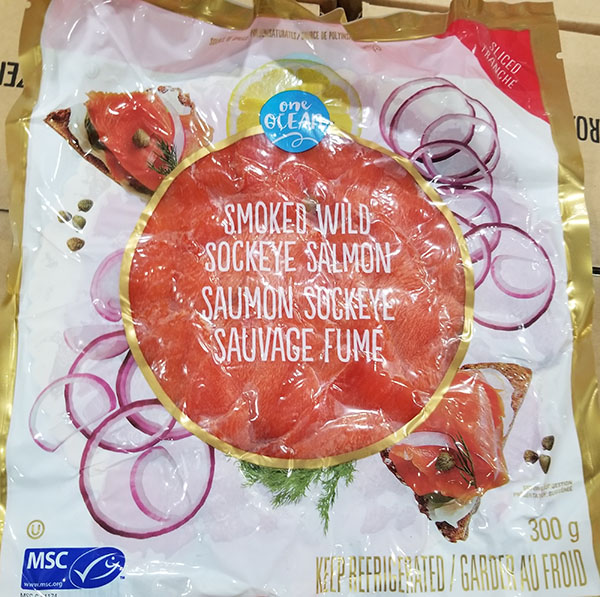
Orca Specialty Foods Ltd. is recalling One Ocean brand Sliced Smoked Wild Sockeye Salmon from the marketplace due to possible Listeria monocytogenes contamination. Consumers should not consume the recalled product described below.

Recalled product

Brand Product Size UPC Code
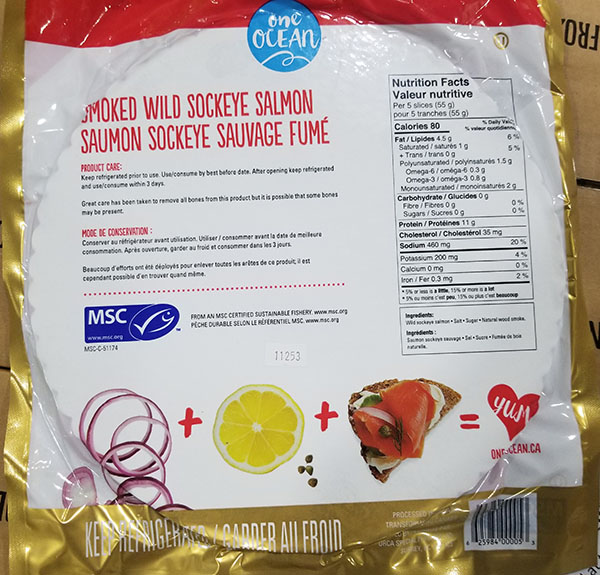
One Ocean Sliced Smoked Wild Sockeye Salmon 300 g 6 25984 00005 3 11253

What you should do

If you think you became sick from consuming a recalled product, call your doctor.

Check to see if you have the recalled product in your home. Recalled products should be thrown out or returned to the store where they were purchased.

Food contaminated with Listeria monocytogenes may not look or smell spoiled but can still make you sick. Symptoms can include vomiting, nausea, persistent fever, muscle aches, severe headache and neck stiffness. Pregnant women, the elderly and people with weakened immune systems are particularly at risk. Although infected pregnant women may experience only mild, flu-like symptoms, the infection can lead to premature delivery, infection of the newborn or even stillbirth. In severe cases of illness, people may die.

Background

This recall was triggered by CFIA test results. The CFIA is conducting a food safety investigation, which may lead to the recall of other products. If other high-risk products are recalled, the CFIA will notify the public through updated Food Recall Warnings.

The CFIA is verifying that industry is removing the recalled product from the marketplace.

Illnesses

There have been no reported illnesses associated with the consumption of this product.

Product photos

Printer ready version of photos

  • One Ocean - Sliced Smoked Wild Sockeye Salmon
  • One Ocean - Sliced Smoked Wild Sockeye Salmon - back

Public enquiries and media

Company information
Orca Specialty Foods Ltd.: 604-574-6722 ext. 223
Public enquiries
Toll-free: 1-800-442-2342 (Canada and U.S.)
Telephone: 1-613-773-2342 (local or international)
Email: cfia.enquiries-demandederenseignements.acia@canada.ca
Media relations
Telephone: 613-773-6600
Email: cfia.media.acia@canada.ca

Mozambique – Aflatoxins in Mozambican Online Mainstream Press

Intech Open

Aflatoxin

Image CDC

Aflatoxins gained increased recognition in Mozambique due to their negative impact on health, food security, and trade. Most contamination occurs in peanuts, maize, and their products. Nevertheless, there is little awareness, probably because the press and mass media do not disseminate enough information. This study analyzed the quantity and quality of information on aflatoxins in Mozambique’s leading online newspapers between 2009 and 2018. After analyzing articles using Atlas.ti, the information was synthesized and compared to scholarly sources. Mozambique requires more press and media coverage of aflatoxin research and development activities. Awareness campaigns should be reinforced, distribute information to multiple organizations, and use multiple means, including online mainstream press, spreading information to reach a broad range of people, given the diversity of cultures and villages’ remoteness. Organizations providing information, including universities, need to translate the highly technical information published in scientific journals to help reporters understand the research’s implications. Furthermore, there is a need to identify groups that do not receive messages from current campaigns and appropriate methods for reaching those populations.

France – Product recall: Organic Plain Lardons (2x75g) from Carrefour Bio brand – Microbiological Risk

Oulah

Product recall: Organic Plain Lardons (2x75g) from Carrefour Bio brand

ENCOUNTERED PROBLEM

Manufacturing defect causing a change in the color of the product (greenish gray color) and an impact on its conservation (microbiological risk) which makes the product unfit for consumption.

PROPOSED SOLUTION

Do not consume and return to the point of sale for reimbursement

FURTHER INFORMATION

▸ Barcode
3263850640414

▸ Lot
04923

▸ DLC
03/08/2021

▸ Health
stamp FR.22.093.001 CE

▸ Consumer service contact
Cristal N °: 09 69 39 70 00 – Non-surcharged call

▸ Source
https://www.carrefour.fr/

USA – Shenandoah Growers, Inc Issues a Limited, Voluntary Recall of Specific Imported Organic Basil Because of Potential Health Risk – Cyclosporiasis

FDA

Company Announcement

Shenandoah Growers, Inc (Harrisonburg, VA) out of an abundance of caution, has issued a limited, voluntary recall of approximately 3240 units of branded fresh cut, packaged organic basil clamshells packed at its Indianapolis, Indiana location due to a possible health risk from Cyclospora.

Cyclosporiasis is an intestinal infection caused by the Cyclospora parasite. A person may become infected after ingesting contaminated food or water. Common symptoms include severe abdominal pain, watery diarrhea, nausea and vomiting, body aches and fatigue. The infection is treated with antibiotics and most people respond quickly to treatment.

Only the following specific lot codes are affected:

PV40515 1034     PV40515 3034     PV40515 4034     PV40515 3035

The affected product has a country of origin of Colombia and was harvested entirely from Puerto Vallarta Herbs SAS (Farm) and imported by Vallarta Organics LLC dba Organic Destiny (Importer).

Affected lot codes shipped:

Lot Code: Pack Date: Brand: Size: Location UPC:
PV40515 1034 2/3/2021 Shenandoah Growers by That’s Tasty 0.75 oz Indianapolis Fruit 7-68573-00101-4
PV40515 1034 2/3/2021 Shenandoah Growers by That’s Tasty 2.0 oz Indianapolis Fruit 7-68573-02143-2
PV40515 1034 2/3/2021 Shenandoah Growers by That’s Tasty 4.0 oz Indianapolis Fruit 7-68573-00141-0
PV40515 3034 2/3/2021 That’s Tasty (Pasta Blend) 0.5 oz Vine Line Produce 7-68573-52008-9
PV40515 3034 2/3/2021 That’s Tasty 0.5 oz Vine Line Produce 7-68573-50502-4
PV40515 3034 2/3/2021 Shenandoah Growers by That’s Tasty 4 oz Vine Line Produce Bulk N/A
PV40515 3034 2/3/2021 Shenandoah Growers by That’s Tasty 1 lb. Vine Line Produce Bulk N/A
PV40515 4034 2/3/2021 Simple Truth 3.0 oz Kroger 0-11110-00876-3
PV40515 1034 2/3/2021 That’s Tasty 0.25 oz J&J Distributing 7-68573-02515-7
PV40515 1034 2/3/2021 Shenandoah Growers by That’s Tasty 0.75 oz J&J Distributing 7-68573-00101-4
PV40515 3035 2/4/2021 That’s Tasty 3.0 oz Schnucks 7-68573-53001-9

Recalled products were distributed to select retail stores between 2/3/2021 to 2/4/2021 in the following states: Illinois, Indiana, Iowa, Michigan, Minnesota, Mississippi, Missouri, Ohio, Tennessee, and Wisconsin.

This recall notification is being issued due to a single instance in which a sample of bulk product was pulled at the port of entry in Miami and tested by the FDA as part of routine surveillance and indicated the potential presence of Cyclospora.

Affected Shenandoah Growers customers have been notified of the recall and instructed to immediately remove and discard recalled products from all store shelves, distribution and other inventories to ensure they are no longer available for sale or consumption.

The Shenandoah Growers recall includes only those clamshells of certified organic basil clearly marked with the affected lot codes listed above. The lot code can be found printed on each clamshell.

No other Shenandoah Growers products are subject to recall, and the company has no knowledge of any illness reported or related to this product to date.

Consumers who may have a recalled basil product should discard it immediately and not eat it. Consumers with questions, or to obtain refunds, may contact the Shenandoah Growers Consumer Response Center at 844-896-6939 Monday through Friday, 8 am to 5 pm EST.

Shenandoah Growers takes food safety matters very seriously, and stringently follows all mandated regulations and implements preventive measures designed to minimize potential risks. Shenandoah Growers is working in close coordination with regulatory officials, including the FDA, on this matter.

Company Contact Information

Shenandoah Growers Consumer Response Center
844-896-6939


Company Contact Information

Consumers:
Shenandoah Growers Consumer Response Center
 844-896-6939

Italy – Foods of Scotland srl – Smoked Salmon – Listeria monocytogenes

SAP

Brand : Foods of Scotland srl

Name : Smoked Salmon

Reason for reporting : Recall due to microbiological risk

Publication date : 8 February 2021

Documentation

Documentation