Category Archives: Decontamination Microbial

USA – Vibrio and Food

CDC

You can get a Vibrio infection by eating raw or undercooked seafood, particularly oysters. You also can get an infection if you have an open wound that comes in contact with raw or undercooked seafood, their juices, or their drippings.

If you enjoy eating seafood, fishing in coastal waters, or crabbing off the pier, learn more about how you can protect yourself and family from a Vibrio infection.

What foods are commonly linked to Vibrio?

Vibrio bacteria naturally live in coastal waters and can concentrate inside shellfish and other seafood that live in these waters.

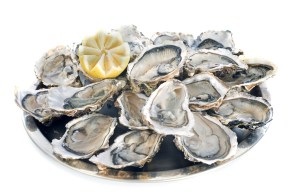
  • Oysters: Oysters feed by filtering water. As oysters feed, Vibrio, norovirus, and other germs can concentrate in them. When you eat raw or undercooked oysters, germs that may be in them can make you sick. Get the facts about Vibrio and oysters >
  • Other shellfish: Oysters aren’t the only shellfish that can carry Vibrio and other germs. Vibrio illnesses have also been linked to crawfish, crab meat, and other shellfish including clams, mussels, and scallops. Stay safe by following CDC’s tips for cooking shellfish and preventing wound infections.
  • Fish: Although Vibrio infections from fish aren’t as common as infections from shellfish, they do happen from time to time. Other harmful germs can be found in fish, too. To help prevent infection, cook fish to 145°F or until its flesh is opaque.

How many people get a Vibrio illness (vibriosis) from food each year?

CDC estimates that vibriosis causes 80,000 illnesses each year in the United States. An estimated 52,000 of those illnesses are caused by eating food containing Vibrio. Most people with a foodborne Vibrio infection have watery diarrhea. Some people may also have stomach cramping, nausea, vomiting, fever, and chills. Symptoms usually start within 1 day after infection and last about 3 days.

Denmark – Polish chicken kebab is linked to Danish salmonella outbreak

SSI

Since May, 22 people have been registered in Denmark with the same salmonella type, which has also made people sick in other European countries. Now the investigation has shown that imported chicken kebab meat from Poland is also the source of infection for the Danish cases.

Last edited on August 29, 2023
Last week, the Danish Veterinary and Food Administration found salmonella in a batch of frozen chicken kebab meat from Poland, and the batch was withdrawn from the market. Further analyzes have shown that it is the same type of salmonella that made 22 people sick in Denmark in the period May to August 2023. It is estimated that more people may have been infected, as not all infected people go to the doctor and are tested for salmonella. The frozen chicken kebab products have mainly been sold to restaurants.

“The investigation into this salmonella outbreak has been extensive – partly there has been international collaboration to compare salmonella samples from humans and food, and partly we in the Danish food emergency department have interviewed patients and unraveled where the chicken kebab meat they had eaten came from. We have now found a clear connection between the salmonella type in the chicken kebab meat and the salmonella type in the Danish cases,” says epidemiologist at the Statens Serum Institut, Luise Müller.

“In general, it is the restaurant’s responsibility that consumers do not get sick from the food that is served. The Salmonella bacteria cannot survive heat treatment above 75 degrees,” says Senior researcher and research group leader at the DTU Food Institute Marianne Sandberg.

Head of unit Lene Mølsted Jensen from the Danish Food and Drug Administration states: “The chicken kebab meat from Poland was pre-fried and intended to be further heat-treated before eating. It is therefore an important lesson for restaurants and kebab places that in the future they pay attention to the handling and frying of chicken kebab meat to avoid this happening again.”

In the coming time, the Danish Food and Food Administration will keep an extra eye on whether other batches of chicken products from Poland may be contaminated with salmonella.

What should you do if you have eaten chicken kebab?

If you have not had symptoms of a salmonella infection, or if you have had symptoms that have resolved on their own, do not take any action. In case of persistent symptoms or questions, you can contact your own doctor.

The coordination of the investigation of the disease outbreak has taken place under the auspices of the Central Outbreak Group. It consists of representatives from SSI, the DTU Food Institute and the Danish Veterinary and Food Administration.

China records a rise in domestic foodborne outbreaks.

Food Safety News

The number of domestic foodborne outbreaks in China has increased over 10 years, according to a study.

Researchers analyzed the cause of household foodborne disease outbreaks from 2010 to 2020 using data from the National Foodborne Disease Surveillance System.

A total of 17,985 outbreaks, which resulted in 73,252 illnesses, 38,829 hospitalizations, and 1,269 deaths, were reported. Most episodes were from May to October, and the highest number occurred in July.

A similar study, published in China CDC Weekly, looked at outbreaks in catering facilities in the country using data from the same time period.

Research – Inactivation of Foodborne Pathogens by Lactobacillus Strains during Meat Fermentation: Kinetics and Mathematical Modelling

MDPI

Abstract

This study examined the effect of beef fermentation with Lactiplantibacillus paraplantarum (L) PTCC 1965, Lactiplantibacillus (Lplantarum subsp. plantarum PTCC 1745, and Lactiplantibacillus (Lpentosus PTCC 1872 bacteria on the growth of pathogenic bacteria, including Salmonella (S) Typhi PTCC 1609 and Staphylococcus (Saureus PTCC 1826. The growth of lactic acid bacteria (LAB) and the effect of fermentation on pathogenic bacteria were studied using Weibull: biphasic linear and competitive models. The results showed that the rate of pH reduction was lower in the early stages and increased as the microbial population grew. The α parameter was lower for L. plantarum subsp. plantarum compared to L. paraplantarum and L. pentosus. The comparison of the α parameter for bacterial growth and pH data showed that the time interval required to initiate the rapid growth phase of the bacteria was much shorter than that for the rapid pH reduction phase. The pH value had a 50% greater effect on the inactivation of S. Typhi when compared to the samples containing L. plantarum subsp. plantarum and L. pentosus. The same parameter was reported to be 72% for the inactivation of St. aureus. In general, during the fermentation process, LAB strains caused a decrease in pH, and as a result, reduced the growth of pathogens, which improves consumer health and increases the food safety of fermented meat.

Research – Genomic diversity and epidemiological significance of non-typhoidal Salmonella found in retail food collected in Norfolk, UK

Microbiology Research

ABSTRACT

Non-typhoidal  (NTS) is a major cause of bacterial gastroenteritis. Although many countries have implemented whole genome sequencing (WGS) of NTS, there is limited knowledge on NTS diversity on food and its contribution to human disease. In this study, the aim was to characterise the NTS genomes from retail foods in a particular region of the UK and assess the contribution to human NTS infections. Raw food samples were collected at retail in a repeated cross-sectional design in Norfolk, UK, including chicken (=311), leafy green (=311), pork (=311), prawn (=279) and salmon (=157) samples. Up to eight presumptive NTS isolates per positive sample underwent WGS and were compared to publicly available NTS genomes from UK human cases. NTS was isolated from chicken (9.6 %), prawn (2.9 %) and pork (1.3 %) samples and included 14 serovars, of which  Infantis and  Enteritidis were the most common. The . Enteritidis isolates were only isolated from imported chicken. No antimicrobial resistance determinants were found in prawn isolates, whilst 5.1 % of chicken and 0.64 % of pork samples contained multi-drug resistant NTS. The maximum number of pairwise core non-recombinant single nucleotide polymorphisms (SNPs) amongst isolates from the same sample was used to measure diversity and most samples had a median of two SNPs (range: 0–251). NTS isolates that were within five SNPs to clinical UK isolates belonged to specific serovars: . Enteritidis and . Infantis (chicken), and . I 4,[5],12:i- (pork and chicken). Most NTS isolates that were closely related to human-derived isolates were obtained from imported chicken, but further epidemiological data are required to assess definitively the probable source of the human cases. Continued WGS surveillance of  on retail food involving multiple isolates from each sample is necessary to capture the diversity of  and determine the relative importance of different sources of human disease.

CDC Research – Reoccurring Escherichia coli O157:H7 Strain Linked to Leafy Greens–Associated Outbreaks, 2016–2019

CDC

Abstract

Genomic characterization of an Escherichia coli O157:H7 strain linked to leafy greens–associated outbreaks dates its emergence to late 2015. One clade has notable accessory genomic content and a previously described mutation putatively associated with increased arsenic tolerance. This strain is a reoccurring, emerging, or persistent strain causing illness over an extended period.

Escherichia coli O157:H7 is estimated to cause ≈63,000 domestically acquired foodborne illnesses and 20 deaths in the United States each year (1). E. coli O157:H7 infections are typically associated with abdominal cramps, bloody diarrhea, and vomiting; however, a rare but serious condition called hemolytic uremic syndrome can develop, resulting in anemia and acute renal failure. Healthy cattle serve as the main reservoir for E. coli O157:H7, and contaminated food, water, and environmental sources, as well as contact with animals, have been the source of outbreaks of E. coli O157:H7 infections.

More recently, contaminated leafy greens have been recognized as a major source of E. coli O157:H7 illnesses and outbreaks. In foodborne illness attribution estimates for 2020 based on outbreak data, 58.1% of E. coli O157:H7 illnesses were attributed to vegetable row crops, a category that includes leafy greens (https://www.cdc.gov/foodsafety/ifsac/annual-reports.html). During 2009–2018, a total of 32 confirmed or suspected outbreaks of E. coli O157:H7 infections linked to contaminated leafy greens occurred in the United States and Canada (5).

A large E. coli outbreak in late 2019, hereafter referred to as outbreak A, caused 167 cases, hospitalized 85 persons from 27 states, and was associated with the consumption of romaine lettuce from Salinas Valley, California, USA (https://www.cdc.gov/ecoli/2019/o157h7-11-19/index.html). We characterized isolates from outbreak A and highly related isolates by using a variety of molecular methods.

Research – Internalization of Salmonella in Leafy Vegetables during Postharvest Conditions

MDPI

Abstract

The consumption of fresh produce is increasing due to its role in promoting a healthy and balanced diet. However, this trend is accompanied by increased foodborne disease cases associated with pathogens such as EscherichiaListeria, and Salmonella. Previous studies provided evidence that the internalization of foodborne pathogens in fresh produce may be a potential contamination route and may pose a public health risk. This study investigates the combination effects of storage temperature and humidity on Salmonella internalization in six types of leafy greens (iceberg lettuce, romaine lettuce, red lettuce, green onion, spinach, and kale) during the storage stage. The results indicated that temperature plays a critical role in Salmonella internalization, with higher concentrations observed in samples stored at 25 °C compared to those stored at 7 °C. The mean concentration of internalized Salmonella in the iceberg lettuce sample was the highest and that in the green onion sample was the lowest (iceberg lettuce > red lettuce > romaine lettuce > spinach > kale > green onion). Mist conditions also had an impact on internalization. The group treated with mist showed an increase in Salmonella internalization of about 10–30% rather than the group without mist treatment. This research emphasizes the importance of understanding the factors influencing bacterial internalization in fresh produce and highlights the need for proper storage conditions to minimize the risk of contamination and ensure food safety.

Research – Effectiveness of Ultra-High Irradiance Blue Light-Emitting Diodes in Inactivating Escherichia coli O157:H7 on Dry Stainless Steel and Cast-Iron Surfaces

MDPI

Abstract

The use of blue light-emitting diodes (LEDs) is emerging as a promising dry decontamination method. In the present study, LEDs emitting ultra-high irradiance (UHI) density at 405 nm (842 mW/cm2) and 460 nm (615 mW/cm2) were used to deliver high-intensity photoinactivation treatments ranging from 221 to 1107 J/cm2. The efficacy of these treatments to inactivate E. coli O157:H7 dry cells was evaluated on clean and soiled stainless steel and cast-iron surfaces. On clean metal surfaces, the 405 and 460 nm LED treatment with a 221 J/cm2 dose resulted in E. coli reductions ranging from 2.0 to 4.1 log CFU/cm2. Increasing the treatment energy dose to 665 J/cm2 caused further significant reductions (>8 log CFU/cm2) in the E. coli population. LED treatments triggered a significant production of intracellular reactive oxygen species (ROS) in E. coli cells, as well as a significant temperature increase on metal surfaces. In the presence of organic matter, intracellular ROS generation in E. coli cells dropped significantly, and treatments with higher energy doses (>700 J/cm2) were required to uphold antimicrobial effectiveness. The mechanism of the bactericidal effect of UHI blue LED treatments is likely to be a combination of photothermal and photochemical effects. This study showed that LEDs emitting monochromatic blue light at UHI levels may serve as a viable and time-effective method for surface decontamination in dry food processing environments.

Research- Optimization of the Use of a Commercial Phage-Based Product as a Control Strategy of Listeria monocytogenes in the Fresh-Cut Industry

MDPI

Abstract

A commercial phage biocontrol for reducing Listeria monocytogenes has been described as an effective tool for improving fresh produce safety. Critical challenges in the phage application must be overcome for the industrial application. The validation studies were performed in two processing lines of two industry collaborators in Spain and Denmark, using shredded iceberg lettuce as the ready-to-eat (RTE), high process volume product. The biocontrol treatment optimized in lab-scale trials for the application of PhageGuard ListexTM was confirmed in industrial settings by four tests, two in Spain and two in Denmark. Results showed that the method of application that included the device and the processing operation step was appropriate for the proper application. The proper dose of Phage Guard ListexTM was reached in shredded iceberg lettuce and the surface was adequately covered for the successful application of phages. There was no impact on the headspace gas composition (CO2 and O2 levels), nor on the color when untreated and treated samples were compared. The post-process treatment with PhageGuard ListexTM did not cause any detrimental impact on the sensory quality, including flavor, texture, browning, spoilage, and visual appearance over the shelf-life as the phage solution was applied as a fine, mist solution.

Research – Fusarium Mycotoxins and OTA in Beer from Shanghai, the Largest Megacity in China: Occurrence and Dietary Risk Assessment

MDPI

Abstract

Beer is susceptible to mycotoxin contamination originating from infected grains. It could be that mycotoxins are not completely removed during the brewing process and remain in the final product. Nevertheless, there have been no surveys of exposure to mycotoxin for Chinese inhabitants through beer consumption. This study aimed to investigate the presence of eight mycotoxins in 158 beer samples purchased in Shanghai, the largest megacity in China. The multiple mycotoxins determination was carried out using ultra-high performance liquid chromatography-tandem mass spectrometry (UHPLC-MS/MS). Our findings revealed that 48.1% (76/158) of the beer samples were contaminated with Fusarium toxins. Deoxynivalenol-3-glucoside (D3G) and zearalenone (ZEN) were detected in 34.81% and 16.46% of the total samples, respectively. The significant differences between D3G/ZEN contamination and various beer types were performed. Furthermore, this study performed a health risk assessment for Shanghai residents based on data for Fusarium toxins and ochratoxin A (OTA) present in beer for the first time. The results revealed that the 95th percentile dietary exposures of Shanghai residents did not pose any chronic or acute health risks, either individually or in combination. Dietary exposures to Fusarium toxins revealed different risk levels among residents. The cumulative health risk for women is higher than that for men at the same beer consumption. In addition, the acute risk of DONs exposure for adults deserves concern. The insights obtained from this study may be of assistance for beer manufacturers and governmental regulators to further develop beer monitoring and guarantee public health.