Category Archives: Decontamination Microbial

India – Two sisters die of suspected food poisoning in Rajasthan

The Print

Jaipur, May 9 (PTI) Two girls died and their parents and a sister fell ill due to suspected food poisoning in Rajasthan’s Jhunjhunu district, police said on Monday.

The family members started vomiting after taking dinner on Monday night. When their condition deteriorated, locals took them to a hospital early Tuesday, Station House Officer of Gudha police station Veer Singh said.

Two girls Lakshya (8) and Tanishka (6) were declared brought at the hospital, he said, adding their father Buti Ram Meghwal (35), mother Anita (32) and sister Tanuja (11) are undergoing treatment.

The police officer said food samples have been collected for examination.

The postmortem of bodies has been conducted, he said. PTI SDA AQS AQS

USA – Dave’s Sushi Turns Deadly: “2 have died, and another 30 injuries reported”

Food Poisoning News

Patrons of Dave’s Sushi, who ate at the establishment between March 31 and April 17th, may have been exposed to a deadly pathogen – as yet unidentified – but possibly in the Morel Mushrooms it served. The restaurant has released a statement:

“Upon being contacted by guests on Mon, April 17 about a potential issue, we stopped serving the morel mushrooms which were a specialty food item not on our regular menu and contacted the Gallatin City-County Health Department.”

While not certain, the mushrooms were served only at Dave’s in Montana – the Department of Public Health and Human Services (DPHHS) stated: “The DPHHS investigation has determined that the morel mushrooms served at the restaurant were not distributed to any other restaurants or businesses in Montana. The mushrooms were cultivated in China, shipped to a distributor in California, and subsequently sent to multiple states. There are no known associated illnesses in other states identified at this time.

As of date, two patrons have passed away due to the exposure, and as many as 30 have become ill – some have required hospitalization. The victims all seem to have become ill within a half hour (30 minutes) to four and one half hours (270 minutes) after consumption of the sushi served with the specialty item Morel Mushrooms.

Dutch farm owner, manager up on charges of selling contaminated eggs; one man died – Salmonella

Food Safety News

Two people in the Netherlands have been accused of knowingly selling eggs contaminated with Salmonella.

The case at Zwolle District Court covers events in 2017 and involves the duo, who were owner and manager of a farm at the time.

The Public Prosecution Service (OM) believes Salmonella findings were hidden for financial reasons. The defendants deny knowing about the contamination.

New Zealand – Shellfish biotoxin alert – North Island

MPI

North Island warning

Reason for alert Paralytic Shellfish Poisoning (PSP)

Date warning issued 10 May 2023

Media release

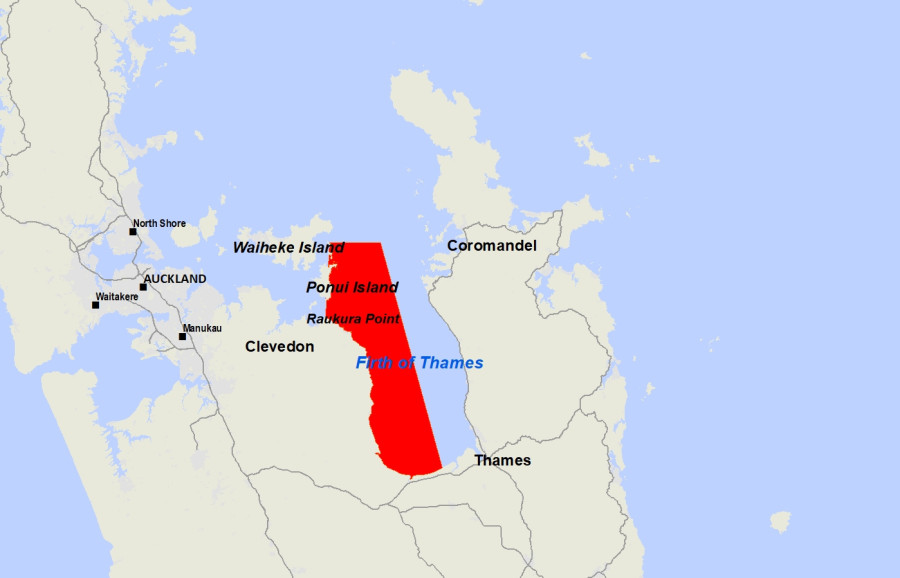
Affected area Western side of the Firth of Thames.
Shellfish affected Mussels, oysters, tuatua, pipi, toheroa, cockles, scallops, catseyes, kina (sea urchin) and all other bivalve shellfish.

Note, cooking shellfish does not remove the toxin.

Pāua, crab and crayfish may still be eaten if the gut has been completely removed prior to cooking, as toxins accumulate in the gut. If the gut is not removed its contents could contaminate the meat during the cooking process.

Symptoms Symptoms typically appear between 10 minutes and 3 hours after ingestion and may include:

  • numbness and a tingling (prickly feeling) around the mouth, face, and extremities (hands and feet)
  • difficulty swallowing or breathing
  • dizziness
  • headache
  • nausea
  • vomiting
  • diarrhoea
  • paralysis and respiratory failure and in severe cases, death.
Other information Paralytic shellfish toxins have been detected in shellfish from the Kaipara Harbour at levels over the safe limit of 0.8mg/kg set by MPI. Ongoing testing will continue and any changes will be communicated accordingly.

Map of the affected area

Map of affected area from the western half of the Firth of Thames.

Public warnings about toxic shellfish

We test shellfish and seawater for toxic algae every week from popular shellfish gathering areas around New Zealand. If the shellfish are not safe to eat, we issue public health warnings and put up signs at affected beaches.

Research – Salmonella Outbreaks Associated with Not Ready-to-Eat Breaded, Stuffed Chicken Products — United States, 1998–2022

CDC

Not ready-to-eat (NRTE) breaded, stuffed chicken products (e.g., chicken stuffed with broccoli and cheese) typically have a crispy, browned exterior that can make them appear cooked. These products have been repeatedly linked to U.S. salmonellosis outbreaks, despite changes to packaging initiated in 2006 to identify the products as raw and warn against preparing them in a microwave oven (microwave) (14). On April 28, 2023, the U.S. Department of Agriculture proposed to declare Salmonella an adulterant* at levels of one colony forming unit per gram or higher in these products (5). Salmonella outbreaks associated with NRTE breaded, stuffed chicken products during 1998–2022 were summarized using reports in CDC’s Foodborne Disease Outbreak Surveillance System (FDOSS), outbreak questionnaires, web postings, and data from the Minnesota Department of Health (MDH) and the U.S. Department of Agriculture’s Food Safety and Inspection Service (FSIS). Eleven outbreaks were identified in FDOSS. Among cultured samples from products obtained from patients’ homes and from retail stores during 10 outbreaks, a median of 57% of cultures per outbreak yielded Salmonella. The NRTE breaded, stuffed chicken products were produced in at least three establishments.§ In the seven most recent outbreaks, 0%–75% of ill respondents reported cooking the product in a microwave and reported that they thought the product was sold fully cooked or did not know whether it was sold raw or fully cooked. Outbreaks associated with these products have occurred despite changes to product labels that better inform consumers that the products are raw and provide instructions on safe preparation, indicating that consumer-targeted interventions are not sufficient. Additional Salmonella controls at the manufacturer level to reduce contamination in ingredients might reduce illnesses attributable to NRTE breaded, stuffed chicken products.

Research – Study looks at Listeria contamination patterns in processors

CPS

While several studies have examined Listeria monocytogenes (Lm) prevalence in dairy and meat processing facilities, few have looked at Lm contamination patterns and related sanitation programs in produce processing facilities.
But Ana Allende, Ph.D., and her team from the CEBAS-CSIC research institute in Spain, hope their two-year CPS-funded research will change that. The project is designed to yield practical data about produce facilities’ environmental monitoring plans as well as the efficacy of sanitation programs.

Key Take-Aways

• Project looked at Listeria contamination patterns in three produce processing facilities.
• Whole genome sequencing, a type of genetic fingerprinting, helped link positive Lm samples to possible sources.
• Researchers tested biocides against resident Lm populations to gauge efficacy and potential loss of sensitivity.
“We started to become interested in the role of environmental contamination following years of attending the CPS Symposium where some researchers, such as Dr. Martin Wiedmann and Dr. Laura Strawn, focused on Listeria control in produce packinghouses and processing facilities,” she said. “We’re trying to bring our experiences from another point of view. The facilities we’re able to sample here could also help us understand the significance of this problem.”
Joining her as co-principal investigators were Mabel Gil, Ph.D., and Pilar Truchado, Ph.D., both from the CEBAS-CSIC.
As part of the project, the researchers enlisted the cooperation of three processing plants: one with a cut iceberg lettuce line, one with a cut fruit line and one with a salad bowl line.
While the U.S. Food and Drug Administration has zero tolerance for Lm in processed produce samples, the European Commission has set a threshold of up to 100 colony-forming units per gram.
Read More at the Link Above

Research – Demystifying Cronobacter and Actions FDA is Taking to Keep the Food Supply Safe

FDA

Last year, following the February Abbott recall and subsequent shortage of infant formula, many households across the U.S. heard about a pathogen (bacterium) for the first time called Cronobacter sakazakii. This pathogen isn’t new to the food industry but is not well-known among the general public, so I thought I would catch up with you on some basics about Cronobacter.

What We Know about Cronobacter

Cronobacter is found naturally in the environment – for example, in our yards, kitchens, and living rooms. It can live on surfaces like kitchen counters, sinks, or also on food facility manufacturing equipment. While Cronobacter is harmless for most people, it can cause life threatening infections in infants, particularly those who are younger than two months old, premature, immunocompromised, or of low birth weight.

Evidence has pointed to Cronobacter contamination occurring both in the food facility manufacturing environment and in the home, as demonstrated in the CDC’s recent Morbidity and Mortality Weekly Report (MMWR). Because this pathogen is so ubiquitous in the environment, public health officials stress the importance of safe preparation and storage of powdered infant formula to avoid contamination at home, and the FDA sets certain requirements to help control for it in the manufacturing environment. As part of our work here at the agency to continue to enhance safety in the infant formula manufacturing environment, the FDA recently sent a letter to industry with recommendations for improvements that can be made industry wide.

Research – Meat Microflora and the Quality of Meat Products

MDPI

Meat and meat products are not only a source of nutrients for humans [1,2], but also an excellent substrate for the development of many microorganisms [3]. Fresh meat is always exposed to the action of many species of microorganisms, causing deterioration of its sensory quality and limiting its usefulness, both culinary and technological. The microbiological quality of meat is important both for consumers and from a safety point of view. Meat can be a habitat for saprophytic and pathogenic microorganisms that can deteriorate its quality or threaten the safety of consumers [1,4].
However, microorganisms present in meat products are not always a threat. Such microorganisms include lactic acid bacteria present in meat, which ferment sugars into lactic acid. This has a positive effect on the durability of the manufactured products. The presence and growth of lactic acid bacteria under controlled conditions have long been used in meat processing [5]. This enables the production of products with characteristic and desirable quality features, and at the same time with an extended shelf life. Running lactic acid fermentation processes in optimal conditions, however, often requires the use of highly selected microorganisms with precisely defined and stable characteristics. Such microorganisms are then deliberately introduced into meat in a certain amount during technological processes [5].
Due to the role played by starter cultures in meat products, they can be divided into the following groups: acidifying cultures, cultures supporting the curing process (denitrifying cultures) and stabilizing the curing color, cultures flavoring meat products and cultures stabilizing microbiological products (extending shelf life) [5,6].
A less durable raw material than the meat of animals is fish meat, which deteriorates faster and therefore should be frozen and stored at −20 °C. The cause of spoilage is most often psychrophilic microorganisms that develop at temperatures close to 0 °C. One way to improve the freshness and extend the shelf life of fish is multifunctional composite coatings. They are an interesting alternative to preserve the quality of fish fillets, but also to improve the quality of meat [7].
Appropriate use of selected strains of lactic acid bacteria may be useful in improving the microbiological quality of meat and meat products during storage. The purpose of this Special Issue was to compile original research and review papers covering various aspects of the impact of meat microflora on the quality characteristics and safety of meat and meat products.

Research – Foodborne Outbreak of Extended Spectrum Beta-lactamase Producing Shigella sonnei Associated with Contaminated Spring Onions in the United Kingdom

Science Direct

Shigella - kswfoodworld

Image CDC

Abstract

Globalization of the food supply chain has created conditions favorable for emergence and spread of multidrug-resistant (MDR) foodborne pathogens. In November 2021, the UK Health Security Agency detected an outbreak of 17 cases infected with the same strain of MDR extended spectrum beta-lactamase (ESBL)-producing Shigella sonnei. Phylogenetic analysis of whole-genome sequencing data revealed the outbreak was closely related to strains of S. sonnei isolated from travelers returning to the UK from Egypt. None of the outbreak cases reported travel and all 17 cases reported eating food from a restaurant/food outlet in the week prior to symptom onset, of which 11/17 (64.7%) ate at branches of the same national restaurant franchise. All 17 cases were adults and 14/17 (82.4%) were female. Ingredient-level analyses of the meals consumed by the cases identified spring onions as the common ingredient. Food chain investigations revealed that the spring onions served at the implicated restaurants could be traced back to a single Egyptian producer. The foodborne transmission of ESBL-producing bacteria is an emerging global health concern, and concerted action from all stakeholders is required to ensure an effective response to mitigate the risks to public health.

Research – German testing finds Listeria and E. coli in raw milk

Food Safety News

Listeria and E. coli have been found during testing of unpasteurized, raw milk from farms in Germany.

From 2020 to 2022, the Chemical and Veterinary Investigation Office (CVUA) in Stuttgart tested 54 raw milk samples from vending machines for a range of agents.

Parameters examined included somatic cell count, total germ count, spoilage organisms, hygiene indicator germs such as Enterobacteriaceae and E. coli, and pathogens like Salmonella, Listeria, Campylobacter, and Shiga toxin-producing E. coli (STEC).

The sale of raw milk is mostly prohibited but it can be sold directly on the farm via self-service vending machines. The producers should put up notices telling the consumers to boil raw milk before consumption.

Some findings were positive as 30 samples were compliant but 24 had issues. Results highlight the importance of regular cleaning of milking machines, pipes, and tanks at dairy farms, said scientists. Insufficient cooling can also lead to contamination of raw milk.