Category Archives: CDC

USA -Patient count in Cyclospora parasite outbreak jumps by more than 200

Food Safety News

The number of patients in a large outbreak of infections from the cyclospora parasite has increased significantly, with the count approaching 600.

The Centers for Disease Control and Prevention has been tracking the outbreak since April 1. As of this week there are 581 laboratory confirmed patients. The previous update from the agency on June 22 had 317 patients listed.

“No specific food items have been identified as the source of most of these illnesses. State and local public health officials are interviewing people with cyclosporiasis to find out what foods they ate before getting sick,” according to the CDC’s outbreak update.

USA – Foodborne Illness Outbreaks at Retail Food Establishments — National Environmental Assessment Reporting System, 25 State and Local Health Departments, 2017–2019

CDC

Abstract

Problem/Condition: Each year, state and local public health departments report hundreds of foodborne illness outbreaks associated with retail food establishments (e.g., restaurants or caterers) to CDC. Typically, investigations involve epidemiology, laboratory, and environmental health components. Health departments voluntarily report epidemiologic and laboratory data from their foodborne illness outbreak investigations to CDC through the National Outbreak Reporting System (NORS); however, minimal environmental health data from outbreak investigations are reported to NORS. This report summarizes environmental health data collected during outbreak investigations and reported to the National Environmental Assessment Reporting System (NEARS).

Period Covered: 2017–2019.

Description of System: In 2014, CDC launched NEARS to complement NORS surveillance and to use these data to enhance prevention efforts. State and local health departments voluntarily enter data from their foodborne illness outbreak investigations of retail food establishments into NEARS. These data include characteristics of foodborne illness outbreaks (e.g., etiologic agent and factors contributing to the outbreak), characteristics of establishments with outbreaks (e.g., number of meals served daily), and food safety policies in these establishments (e.g., ill worker policy requirements). NEARS is the only available data source that collects environmental characteristics of retail establishments with foodborne illness outbreaks.

Results: During 2017–2019, a total of 800 foodborne illness outbreaks associated with 875 retail food establishments were reported to NEARS by 25 state and local health departments. Among outbreaks with a confirmed or suspected agent (555 of 800 [69.4%]), the most common pathogens were norovirus and Salmonella, accounting for 47.0% and 18.6% of outbreaks, respectively. Contributing factors were identified in 62.5% of outbreaks. Approximately 40% of outbreaks with identified contributing factors had at least one reported factor associated with food contamination by an ill or infectious food worker. Investigators conducted an interview with an establishment manager in 679 (84.9%) outbreaks. Of the 725 managers interviewed, most (91.7%) said their establishment had a policy requiring food workers to notify their manager when they were ill, and 66.0% also said these policies were written. Only 23.0% said their policy listed all five illness symptoms workers needed to notify managers about (i.e., vomiting, diarrhea, jaundice, sore throat with fever, and lesion with pus). Most (85.5%) said that their establishment had a policy restricting or excluding ill workers from working, and 62.4% said these policies were written. Only 17.8% said their policy listed all five illness symptoms that would require restriction or exclusion from work. Only 16.1% of establishments with outbreaks had policies addressing all four components relating to ill or infectious workers (i.e., policy requires workers to notify a manager when they are ill, policy specifies all five illness symptoms workers need to notify managers about, policy restricts or excludes ill workers from working, and policy specifies all five illness symptoms requiring restriction or exclusion from work).

Interpretation: Norovirus was the most commonly identified cause of outbreaks reported to NEARS, and contamination of food by ill or infectious food workers contributed to approximately 40% of outbreaks with identified contributing factors. These findings are consistent with findings from other national outbreak data sets and highlight the role of ill workers in foodborne illness outbreaks. Although a majority of managers reported their establishment had an ill worker policy, often these policies were missing components intended to reduce foodborne illness risk. Contamination of food by ill or infectious food workers is an important cause of outbreaks; therefore, the content and enforcement of existing policies might need to be re-examined and refined.

Public Health Action: Retail food establishments can reduce viral foodborne illness outbreaks by protecting food from contamination through proper hand hygiene and excluding ill or infectious workers from working. Development and implementation of policies that prevent contamination of food by workers are important to foodborne outbreak reduction. NEARS data can help identify gaps in food safety policies and practices, particularly those concerning ill workers. Future analyses of stratified data linking specific outbreak agents and foods with outbreak contributing factors can help guide the development of effective prevention approaches by describing how establishments’ characteristics and food safety policies and practices relate to foodborne illness outbreaks.

Research – Salmonella Outbreak Linked to Raw Cookie Dough

CDC

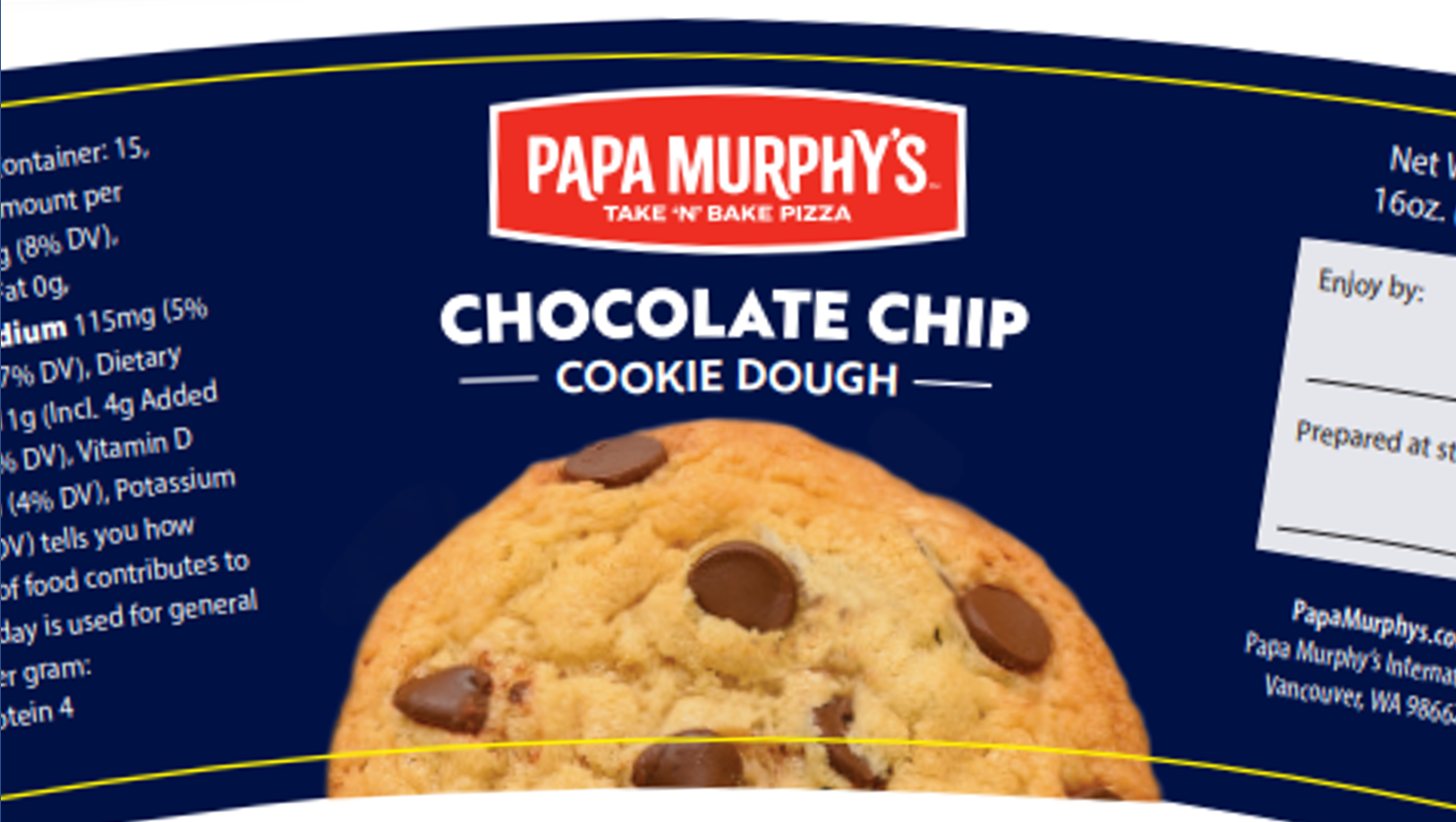
Papa Murphy’s Chocolate Chip Cookie Dough

Fast Facts
  • Illnesses: 18
  • Hospitalizations: 2
  • Deaths: 0
  • States: 6
  • Recall: No
  • Investigation status: Active
Contaminated Food

Papa Murphy’s raw cookie dough:

  • Chocolate chip cookie dough
  • S’mores bars dough

Nine sick people reported eating raw cookie dough from Papa Murphy’s Take ‘N’ Bake Pizza in the week before they got sick. Based on this information, Papa Murphy’s has temporarily stopped selling their raw chocolate chip cookie dough and raw S’mores bars dough.

At least two sick people did not eat at Papa Murphy’s. Investigators are working to identify the contaminated ingredient in the raw cookie dough.

What You Should Do
  • Check your refrigerator and freezer for Papa Murphy’s chocolate chip cookie dough or S’mores bars dough.
    • Throw the dough away, even if you didn’t get sick after eating some of it.
    • Wash items and surfaces that may have touched the dough using hot soapy water or a dishwasher.
  • Always follow cookie dough baking instructions in the recipe or on the package label.
    • Papa Murphy’s chocolate chip cookie dough and S’mores bars dough are not meant to be eaten raw.
    • Most raw cookie dough is made with unpasteurized eggs or raw flour and can have germs like Salmonella and E. coli.
    • Some other companies make edible cookie dough that does not have to be baked. These products are made with heat-treated flour and pasteurized eggs or no eggs. Read the label carefully to make sure the dough is meant to be eaten without baking or cooking.
  • Call a healthcare provider if you have any of these severe Salmonella symptoms:
    • Diarrhea and a fever higher than 102°F
    • Diarrhea for more than 3 days that is not improving
    • Bloody diarrhea
    • So much vomiting that you cannot keep liquids down
    • Signs of dehydration, such as:
      • Not peeing much
      • Dry mouth and throat
      • Feeling dizzy when standing up
Symptoms of Salmonella
  • Most people infected with Salmonella experience diarrhea, fever, and stomach cramps.
    • Symptoms usually start 6 hours to 6 days after swallowing the bacteria.
    • Most people recover without treatment after 4 to 7 days.
  • Some people—especially children younger than 5 years, adults 65 years and older, and people with weakened immune systems—may experience more severe illnesses that require medical treatment or hospitalization.
  • For more information about Salmonella, see the Salmonella Questions and Answers page.

USA – CDC – From Inspector to Investigator: Finding the Factors That Lead to Foodborne Outbreaks

You Tube

Working on an outbreak investigation? Watch our short training video to learn the importance of identifying practices and factors that contribute to the outbreak. This video can also be viewed at https://www.cdc.gov/nceh/ehs/videos/I…

USA – CDC – Salmonella Outbreak Linked to Flour

CDC

Investigators are working to identify a specific brand of flour linked to this outbreak. However, any raw (unbaked) flour can have germs, like Salmonella. Do not eat or play with uncooked flour, dough, or batter.

Fast Facts
  • Illnesses: 12
  • Hospitalizations: 3
  • Deaths: 0
  • States: 11
  • Recall: No
  • Investigation status: Active
Salmonella in Raw Flour

Flour doesn’t look like a raw food, but most flour is raw. This means that it hasn’t been treated to kill germs that cause food poisoning. Any raw (unbaked) flour used to make dough or batter can be contaminated with germs like Salmonella, but Salmonella germs are killed when flour is cooked or baked. You can get sick after eating or tasting raw dough or batter. Children can get sick from handling or eating raw dough used for crafts or play clay.

Source of the Outbreak

Most people reported eating raw dough or batter made with flour before they got sick. Flour was the only common ingredient in the raw dough or batter people reported eating. Investigators are working to identify a specific brand of flour linked to illnesses.

What You Should Do
  • Do not eat raw dough or batter – even a small amount can make you or your child sick
    • Bake or cook food made with raw flour, like cookie dough or cake batter, before eating it.
    • Follow the recipe or package instructions for cooking or baking. Use the temperature and cooking time given in the recipe or instructions.
    • Buy heat-treated flour to use in recipes for homemade playdough.
  • Clean
    • Wash any bowls, utensils, and surfaces that touched raw flour with warm water and soap.
    • Wash your hands with warm water and soap before and after using raw flour.
  • Separate
    • Keep raw flour, dough, and batter separate from foods that won’t be cooked.
  • Call a healthcare provider right away if you or your child have:
    • Diarrhea and a fever higher than 102°F
    • Diarrhea for more than 3 days that is not improving
    • Bloody diarrhea
    • So much vomiting that you cannot keep liquids down
    • Signs of dehydration, such as:
      • Not peeing much
      • Dry mouth and throat
      • Feeling dizzy when standing up

USA – Listeria Outbreak linked to unknown food has sickened 18 in 15 states since 2018

Food Poison Journal

Listeria Outbreak linked to unknown source has sickened 18 since 2018 – 17 have been hospitalized.

A total of 18 people infected with the outbreak strain of Listeria have been reported from 15 states – Arkansas 1, California 1, Colorado 1, Illinois 1, Louisiana 1, Michigan 2, Missouri 1, Nebraska 1, New York 1, North Carolina 2, Pennsylvania 1, South Dakota 1, Texas 1, Washington 1 and Wisconsin 2.

A specific food item has not yet been identified as the source of this outbreak.

CDC, public health and regulatory officials in several states, and the U.S. Food and Drug Administration (FDA) are collecting different types of data to investigate a multistate outbreak of Listeria monocytogenes infections.

As of April 20, 2023, a total of 18 people infected with the outbreak strain of Listeria have been reported from 15 states – Arkansas 1, California 1, Colorado 1, Illinois 1, Louisiana 1, Michigan 2, Missouri 1, Nebraska 1, New York 1, North Carolina 2, Pennsylvania 1, South Dakota 1, Texas 1, Washington 1 and Wisconsin 2.

USA – CDC Update – Multistate Outbreak of Hepatitis A Virus Infections Linked to Frozen Organic Strawberries

cdc

  • Reported cases: 8
  • States: 2
  • Hospitalizations: 2
  • Deaths: 0
  • As of April 21, 2023, there are:
    • 8 outbreak-associated cases of hepatitis A reported from 2 states (California and Washington).
    • Illnesses started on dates ranging from November 24, 2022, to April 12, 2023.
    • 2 people have been hospitalized. No deaths have been reported.
  • Epidemiologic and traceback evidence indicate that frozen organic strawberries are the likely source of this outbreak.
    • In interviews, 8/8 (100%) people reported eating frozen organic strawberries.

USA – Listeria Outbreak with Unknown Food Source – Update

CDC

A specific food item has not yet been identified as the source of this outbreak. However, CDC is concerned that illnesses continue to be reported. Listeria illness is rare, but it can result in serious illness or death.

Listeria is especially harmful if you are pregnant, aged 65 or older, or have a weakened immune system. If you are in any of these groups and have Listeria symptoms, contact your healthcare provider right away.

Fast Facts
  • Illnesses: 18   (7 new)
  • Hospitalizations: 17   (7 new)
  • Deaths: 0
  • States: 15   (5 new)
  • Recall: No
  • Investigation status: Active   (first posted on February 15, 2023)
Source of the Outbreak

A specific food item has not yet been identified as the source of this outbreak.

Public health officials are interviewing people in this outbreak to find out what foods they ate before getting sick. Investigators are collecting as much information as they can to solve this outbreak.

USA – Salmonella Outbreak Linked to Flour

CDC

Investigators are working to identify a specific brand of flour linked to this outbreak. However, any raw (unbaked) flour can have germs, like Salmonella. Do not eat or play with uncooked flour, dough, or batter.

Fast Facts
  • Illnesses: 12
  • Hospitalizations: 3
  • Deaths: 0
  • States: 11
  • Recall: No
  • Investigation status: Active
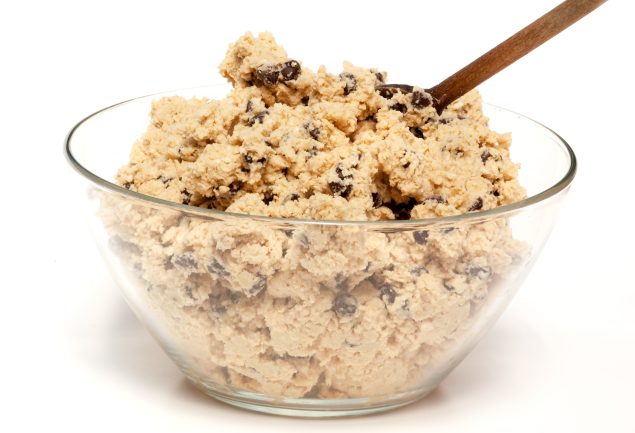
Bowl of cookie dough with a wooden spoon and chocolate chips
Salmonella in Raw Flour

Flour doesn’t look like a raw food, but most flour is raw. This means that it hasn’t been treated to kill germs that cause food poisoning. Any raw (unbaked) flour used to make dough or batter can be contaminated with germs like Salmonella, but Salmonella germs are killed when flour is cooked or baked. You can get sick after eating or tasting raw dough or batter. Children can get sick from handling or eating raw dough used for crafts or play clay.

Source of the Outbreak

Most people reported eating raw dough or batter made with flour before they got sick. Flour was the only common ingredient in the raw dough or batter people reported eating. Investigators are working to identify a specific brand of flour linked to illnesses.

What You Should Do
  • Do not eat raw dough or batter – even a small amount can make you or your child sick
    • Bake or cook food made with raw flour, like cookie dough or cake batter, before eating it.
    • Follow the recipe or package instructions for cooking or baking. Use the temperature and cooking time given in the recipe or instructions.
    • Buy heat-treated flour to use in recipes for homemade playdough.
  • Clean
    • Wash any bowls, utensils, and surfaces that touched raw flour with warm water and soap.
    • Wash your hands with warm water and soap before and after using raw flour.
  • Separate
    • Keep raw flour, dough, and batter separate from foods that won’t be cooked.
  • Call a healthcare provider right away if you or your child have:
    • Diarrhea and a fever higher than 102°F
    • Diarrhea for more than 3 days that is not improving
    • Bloody diarrhea
    • So much vomiting that you cannot keep liquids down
    • Signs of dehydration, such as:
      • Not peeing much
      • Dry mouth and throat
      • Feeling dizzy when standing up

USA – Listeria Outbreak Linked to Deli Meat and Cheese

CDC

This outbreak is over. Even when there are no ongoing Listeria outbreaks, people who are pregnant, aged 65 or older, or have a weakened immune system should reheat deli meat and deli-sliced cheese to an internal temperature of 165°F or until steaming hot to kill any germs.

Fast Facts
  • Illnesses: 16
  • Hospitalizations: 13
  • Deaths: 1
  • States: 6
  • Recall: No
  • Investigation status: Closed
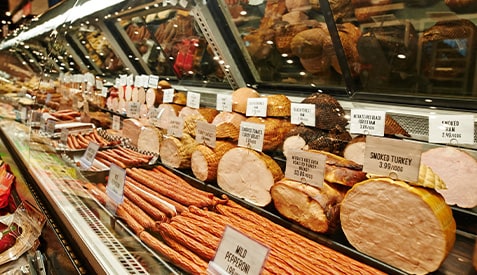
Store with deli meat and cheese on shelves
Listeria in Deli Meat and Deli-Sliced Cheese

Deli meats (cold cuts, lunch meats, hot dogs, and pâtés) and deli-sliced cheeses are known sources of Listeria illnesses. This is because Listeria can easily spread among food, food preparation surfaces like deli slicers, and hands. Listeria is a hardy germ that can be difficult to fully remove once it is present in a deli or a food processing facility. It can survive and grow at cold temperatures in a refrigerator.

Outbreak Investigation Summary

Data showed that deli meat and cheese bought at deli counters in multiple states were the likely sources of this outbreak.

  • Of 12 people interviewed, 11 reported eating meat or cheese from deli counters.
  • The outbreak strain of Listeria was found in open packages of mortadella, ham, and salami sliced at the deli, as well as a deli in Brooklyn, New York.

A single deli or food source was not identified. It is difficult for investigators to identify the specific source of outbreaks linked to deli meats and cheeses. This is because Listeria spreads easily between food and the deli environment, and it can live for a long time in deli display cases and on equipment. A contaminated food likely introduced the outbreak strain of Listeria into delis in multiple states.