Category Archives: Bacillus cereus

RASFF Alert- Bacillus cereus – Calzini Chicken

RASFF

Bacillus cereus (6.0E5 CFU/g) in Calzini Chicken from the Netherlands in Switzerland, lativa and italy

China – Rice noodles behind Bacillus cereus outbreak in China

Food Safety News

A large outbreak with almost 200 cases in China was caused by poor hygiene at the producer and inadequate food storage at schools, according to a recent study.

An outbreak of acute gastrointestinal illness occurred at two middle schools in a rural region of Chongqing in 2021. The source was rice noodles contaminated with Bacillus cereus.

In May 2021, an outbreak was reported in the two schools. More than 100 students from the schools had symptoms of vomiting and nausea, prompting the Chongqing Center for Disease Control and Prevention and the local CDC to investigate and implement control measures.

Research-Contamination of Plant Foods with Bacillus cereus in a Province and Analysis of Its Traceability

MDPI

Abstract

Bacillus cereus is an important zoonotic foodborne conditional pathogen. It is found in vegetables, dairy products, rice, and other foods, thereby greatly endangering human health. Investigations on B. cereus contamination in China primarily focus on raw milk, dairy products, meat, and others, and limited research has been conducted on plant-based foodstuffs. The rapid development of sequencing technology and the application of bioinformatics-related techniques means that analysis based on whole-genome sequencing has become an important tool for the molecular-epidemiology investigation of B. cereus. In this study, we investigated the contamination of B. cereus in six types of commercially available plant foods from eight regions of a province. The molecular epidemiology of the isolated B. cereus was analyzed by whole-genome sequencing. We aimed to provide fundamental data for the surveillance and epidemiology analysis of B. cereus in food products in China. The rapid traceability system of B. cereus established in this study can provide a basis for rapid molecular epidemiology analysis of B. cereus, as well as for the prevention and surveillance of B. cereus. Moreover, it can also be expanded to monitoring and rapid tracing of more foodborne pathogens.

RASFF Alert- Toxin Producing Bacillus cereus –

RASFF

Toxin-producing Bacillus cereus in sprouted organic broccoli seeds from Germany, packaged in Romania in  Austria, Bulgaria, Germany, Netherlands, Portugal, Romania, Switzerland.

Germany – Govinda Germinated broccoli seeds – Bacillus cereus

Lebensmittelwarnung

Alert type: Groceries
Date of first publication:

November 8, 2023

Product name: govinda Germinated broccoli seeds
Product images:

Label front broccoli seeds.JPG

Govinda

Manufacturer (distributor):

Govinda Natur GmbH, Joseph-Monier-Str. 12, 67433 Neustadt an der Weinstrasse

Reason for warning:

Bacillus cereus

Packaging Unit: 125g
Durability: Best before: September 15, 2025
Lot identification: 2803/3

Research – Characterization of the Toxigenic Potential of Bacillus cereus sensu lato Isolated from Raw Berries and Their Products

MDPI

Abstract

Bacillus cereus is estimated to be responsible for 1.4–12% of all food poisoning outbreaks worldwide. The objective of this study was to investigate the toxigenic potential of 181 isolates of B. cereus previously recovered from different types of berries and berry products (strawberries, raspberries, blackberries, and blueberries) by assessing the presence of enterotoxin genes (hblAhblChblDnheAnheBnheC, and cytK) and an emetic toxin cereulide synthetase gene (ces). The cytotoxic activity on Caco-2 cells was also evaluated for the two isolates containing the gene cytK. Twenty-three toxigenic profiles were found. The nheABC (91.7%) and hblACD (89.0%) complexes were the most prevalent among the isolates, while the cytK and ces genes were detected in low percentages, 1.1% and 3.3%, respectively. In addition, the nheABC/hblACD complex and ces genes were detected in isolates recovered throughout the production process of blackberries and strawberries. The cytotoxic activity on Caco-2 cells was also observed to be greater than 60% for isolates containing the cytK gene.

Hong Kong – Kindergarten teacher and 10 kids affected in suspected food poisoning cluster

The Standard HK

The Centre for Health Protection is now investigating a suspected food poisoning cluster affecting 10 children and a female teacher who have consumed steamed rice with pumpkin and diced pork.

The cluster involved eight boys and two girls, aged 3 to 5, and a female teacher, who developed abdominal pain and diarrhea about 5.5 to 15 hours after having lunch at a kindergarten in Eastern District on Wednesday.

One of them sought medical advice and none required hospitalization. All the kids and the teacher are in stable conditions.

Initial investigation of the CHP revealed that the affected persons had consumed common food and the food concerned was steamed rice with pumpkin and diced pork.

The poisoning might have been caused by Bacillus cereus or Clostridium perfringens; the CHP noted.

“The personnel from the Centre for Food Safety of the Food and Environmental Hygiene Department have conducted an investigation at the concerned premises. The CHP’s investigation is ongoing,” it said.

Research – Role of Bacillus cereus biofilm formation behavior in virulence and pathogenic characteristics

Wiley Online

Abstract

This study aimed to examine the potential link between Bacillus cereus biofilm formation, virulence, and pathogenicity. The biofilm formation abilities of nine B. cereus strains isolated from food and two reference strains (ATCC 10876 and ATCC 25621) were measured using a crystal violet assay. Among the tested strains, three strains (GIHE 617-5, GIHE 86-09, and GIHE 728-17) and both reference strains were capable of biofilm formation. A positive correlation was obtained for higher cell surface hydrophobicity and increased biofilm formation. In contrast, HPLC analysis for elevated autoinducer-2 (Al-2) production revealed a negative impact on biofilm formation. PCR data indicated that all tested strains were capable of producing common B. cereus enterotoxins, including Hbl—A, C, and D, CytK, Nhe—B and C, EntFM, and BceT, but were negative for production of the emetic toxin cereulide and the pore-forming toxin Hly II. Meanwhile, RT-PCR data revealed a close correlation between high biofilm formation and the upregulation of several tested virulence genes for selected strains. However, elevated upregulation of virulence genes was not consistent in all of the higher biofilm-forming strains. Cytotoxicity analysis revealed higher virulence characteristics compared to those of low biofilm-forming strains.


RASFF Alert – Bacillus cereus – Soumbara Spice

RASFF

Bacillus cereus in Soumbara spices from Togo in Switzerland

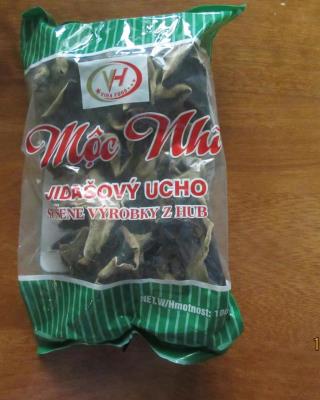
Czech Republic – Judas ear 100 g – Bacillus cereus

Potravinynapranyri

Illustrative photo #1

Place of inspection:
Libina ( Libina 216, 788 05 Libina )
ID: 48946265
Invalid parameter:

Bacillus Cereus

The presence of the pathogenic bacterium Bacillus cereus was detected in the food . The food is unfit for human consumption.

Batch: DMT 01.06.24
Best before date: 01.06.24
Packaging: PP foil
Quantity of the product in the package: 100 g
Distributor: Vihafood s.r.o., Novodvorská 95/42, Lhotka 142 00 Prague
Date of sample collection: 19/04/2023
Reference number: 23-000690-SZPI-CZ
The sample was detected by the official control of the State Agricultural and Food Inspection.