Category Archives: Algal Toxin

Tanzania – 3 Children Die After Consuming Sea Turtle Meat, 22 People Hospitalised – Algal Toxins?

Republic World

Three children lost their lives after consuming sea turtle flesh on Pemba Island in Tanzania’s Zanzibar. On November 27, police reported that all of the children who died belonged to the same family. According to Juma Sadi, the regional police chief for Pemba North, 22 additional individuals have been brought to hospitals after eating sea turtle flesh on Friday, Xinhua reported.

The police added that samples of the sea turtle flesh have been delivered to the appropriate authorities for testing to examine the cause of the fatalities. “Two of the people admitted to hospital are children and they are in critical condition,” Juma Sadi was quoted by Xinhua as saying. He further highlighted that the sea turtle flesh is suspected of being poisonous.

Algae on the seafloor are known to discharge deadly poisons between the months of November to March when the nation’s temperatures rise and during these months, sea turtles, as well as over 20 kinds of fishes, feast on toxic algae at the bottom of the seafloor. Further, the poisons in the plants eventually seep into the flesh of the organisms that consume them. It has the potential to be lethal if eaten.
Iceland – Warning against consuming mussels from Hvalfjörður – Algal Toxins

MAST

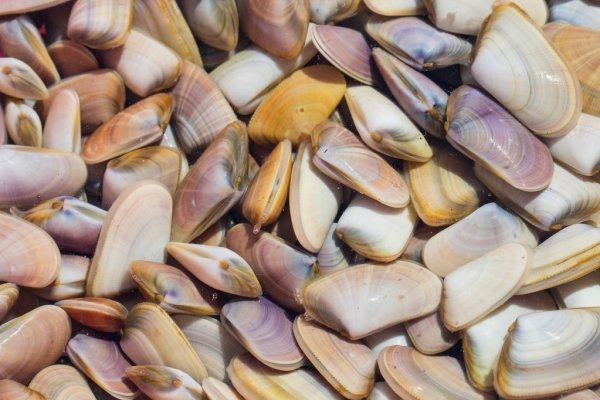
Matvælastofnun continues to warn against picking and consuming mussels from Hvalfjörður, as DSP algae toxins were recently detected above the reference limits.  

DSP algae toxins in mussels can cause abdominal pain, diarrhea, nausea and vomiting. Symptoms appear soon after consumption and disappear within a few days. 

A representative of the Food Administration collected mussels on Friday 22 October at Fossá in Hvalfjörður. The purpose was to investigate whether it was safe for the public to pick mussels in Hvalfjörður. The results of the measurements showed that the DSP algae toxin was 440 µg / kg but a month ago 1150 µg / kg was measured in the mussel. Both values ​​are well above the limit of 160 µg / kg. 

Consumers are still warned not to eat mussels from the fjord as things stand. The agency will continue to monitor the situation and let them know when it will be safe to eat mussels from the fjord. During the winter, sampling is monthly, as algae growth is slow during the dark winter months and algae toxicity changes are slower. 

Finally, the Food Administration would like to draw attention to the fact that there is always a risk involved in consuming shellfish collected during shell picking, and this is always at your own risk.  

Hong Kong – CFS urges public not to consume a kind of chilled razor clams imported from Scotland suspected to be contaminated with lipophilic marine biotoxins

CFS

The Centre for Food Safety (CFS) of the Food and Environmental Hygiene Department today (October 4) urged the public not to consume a kind of chilled razor clams imported from Scotland due to possible contamination with lipophilic marine biotoxins. The trade should stop using or selling the product concerned if they possess it.

Details of the product are as follows:

Product name: Razor Clams
Brand: Lochleven Shellfish
Place of origin: Scotland
Importer: Longfine Seafood Trading Company Limited

A spokesman for the CFS said, “The CFS received a notification from the authorities concerned in Scotland through the International Food Safety Authorities Network (INFOSAN) that the above-mentioned product might have been contaminated with lipophilic marine biotoxins. According to the information provided by INFOSAN, the affected product has been imported into Hong Kong. Upon learning of the incident, the CFS immediately contacted the local importer concerned for follow-up.”

A preliminary investigation found that the above-mentioned importer had imported some of the affected product into Hong Kong. For the sake of prudence, the CFS has instructed the importer to stop sale and remove from shelves the affected batch of product and initiate a recall. Enquiries about the recall can be made to the importer’s hotline at 2387 2388 during office hours.

“Lipophilic marine biotoxins are a group of fat-soluble shellfish poisoning toxins which may cause symptoms such as diarrhoea, nausea and vomiting. In general, they are heat-stable and cannot be destroyed by cooking.” the spokesman said.

The spokesman urged consumers not to consume the affected product if they have bought any. The trade should also stop using or selling the product concerned immediately if they possess it.

The CFS will alert the trade to the incident, continue to follow up and take appropriate action. An investigation is ongoing.

France – Tellines – DSP marine biotoxins (diarrheal toxins)

Gov france

Identifying information for the recalled product

  • Product category Food
  • Product sub-category Fishery and aquaculture products
  • Product brand name Unbranded
  • Names of models or references Tellines shipped from 07/20/21 to 07/22/21
  •  Product identification
    Lot
    All lots
  • Start date / End of marketing From 07/20/2021 to 07/22/2021
  • Storage temperature Product to be stored in the refrigerator
  • Health markFR.29.158.500.CE
  • Geographical sales area Whole France
  • Distributors Wholesalers

Practical information regarding the recall

  • Reason for recall Closure of fishing areas
  • Risks incurred by the consumer DSP marine biotoxins (diarrheal toxins)
  • Consumer behaviour Stop consuming
  • Sanitary recommendation Food poisoning caused by these toxins results in gastrointestinal disorders (diarrhoea, vomiting, abdominal pain), headaches  moderate fever appearing between 2 hours and 18 hours after consumption.
  • Compensation modalities Other (see additional information)
  • End date of the recall procedure Tuesday, August 10, 2021

RASFF Alert – LIPOPHILIC BIOTOXINS – LIVE SLIPPER CLAM (VENERUPIS CORRUGATA)

RASFF

HIGH LEVELS OF LIPOPHILIC BIOTOXINS IN LIVE SLIPPER CLAM (VENERUPIS CORRUGATA) FROM PORTUGAL in Spain

RASFF Alert – Diarrhoeic Shellfish Poisoning (DSP) – Live Scallops

RASFF

Withdrawal of live scallops (Aequipecten operculatis) harvested in France because of possible contamination with Diarrhoeic Shellfish Poisoning (DSP) toxins from Spain in France

RASFF Alert – Marine Biotoxin – Live Slipper Clams

RASFF

HIGH LEVELS OF LIPOPHILIC BIOTOXINS IN LIVE SLIPPER CLAM (VENERUPIS CORRUGATA) FROM PORTUGAL in Spain

Lipophilic marine biotoxins include okadaic acid, pectenotoxin, yessotoxin and azaspiracid groups.

New Zealand – Shellfish biotoxin alert for Hawke Bay has been removed

MPI

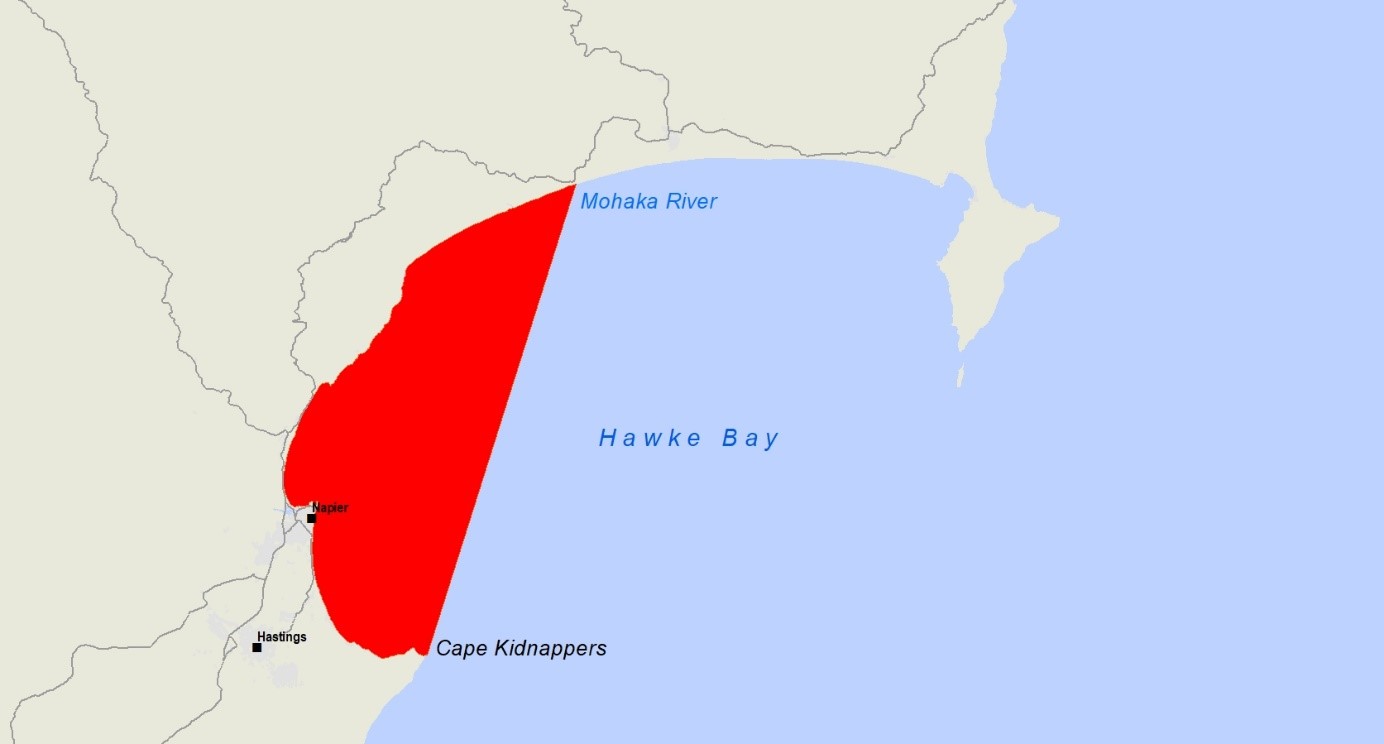
The Ministry for Primary Industries today removed the public health warning against collecting shellfish from the Hawke Bay. This warning was from the Mohaka River Mouth South to Cape Kidnappers. Further sampling of shellfish along this coastline has showed that PSP toxins are now at safe levels.

No other warnings remain in place.

USA – How to Report Seafood-Related Natural Toxin Illness

FDA

To help FDA effectively investigate, remove unsafe seafood products from the market, and develop new prevention strategies, the FDA relies on illness reporting from public health officials and healthcare providers. While most foodborne outbreaks are tracked through the FDA’s Coordinated Outbreak Response and Evaluation (CORE) network, seafood-related illnesses caused by natural toxins have a unique reporting mechanism. This web page provides information on commonly occurring seafood-related illnesses and how to report them to the FDA.  To report an illness from raw bivalve molluscan shellfish, email the FDA at shellfishepi@fda.hhs.gov.

The FDA receives reports of illnesses associated with the consumption of specific types of fish. These illnesses may originate from the activity of certain bacteria, toxins produced by marine algae, or hazards inherent in the fish.

Commonly occurring illness:

Illness and reporting information for the commonly occurring illnesses are provided in each section. Contact the FDA with any questions or need for clarification of the illness or reporting.

In addition to the illnesses listed above, reporting of other less frequently occurring illnesses from natural toxins may be accomplished by emailing the FDA at Seafood.Illness@fda.hhs.gov.  Refer to Chapter 6 of the “Fish and Fishery Products Hazards and Controls Guidance” for a comprehensive list of natural toxin illnesses. To report illnesses related to miscellaneous natural toxin illnesses, please email FDA at Seafood.Illness@fda.hhs.gov.

The FDA works with first responders, physicians, and state and local health departments to investigate illnesses and outbreaks, manage them, and learn how to lessen future occurrences.

New Zealand – Shellfish biotoxin alerts – Hawkes Bay

MDPI

North Island warnings

Hawke’s Bay

Reason for alert Paralytic Shellfish Poisoning (PSP)

Check the symptoms of PSP

Date warning issued 16 June 2021

Media release

Affected area From the Mohaka River mouth, south to Cape Kidnappers.
Shellfish affected Mussels, oysters, tuatua, pipi, toheroa, cockles, scallops, catseyes, kina (sea urchin), and all other bivalve shellfish.

Note, cooking shellfish does NOT remove the toxin.

Pāua, crab, and crayfish may still be eaten if the gut has been completely removed prior to cooking, as toxins accumulate in the gut. If the gut is not removed its contents could contaminate the meat during the cooking process.

Symptoms Symptoms typically appear between 10 minutes and 3 hours after ingestion and may include:

  • numbness and a tingling (prickly feeling) around the mouth, face, and extremities (hands and feet)
  • difficulty swallowing or breathing
  • dizziness
  • headache
  • nausea
  • vomiting
  • diarrhoea
  • paralysis and respiratory failure, and in severe cases, death.
Other information Paralytic shellfish toxins have been detected in shellfish from Pania Reef at levels over the safe limit of 0.8mg/kg set by MPI. Ongoing testing will continue and any changes will be communicated accordingly.

Map of affected area

Map showing the affected area