Category Archives: Aflatoxin

RASFF Alerts – Aflatoxin – Dried Figs – Pistachios – Groundnuts – Peanuts –

RASFF

Aflatoxins in groundnuts from Argentina in the Netherlands

RASFF

Aflatoxins in dried figs from Spain in  Belgium, Czech Republic, Italy, Lithuania, Netherlands, Slovenia, Spain, Sweden, United Kingdom

RASFF

Aflatoxins in peanuts from the United States in Germany

RASFF

Aflatoxins in dried figs from Turkey in Germany

RASFF

Aflatoxins in pistachios in shell from Iran in Germany

RASFF

Aflatoxins in shelled pistachio kernels from Iran in Italy

RASFF

Groundnuts USA Aflatoxin GGB 23115759 in the Netherlands

RASFF

Shelled Peanuts USA Aflatoxin GGB 23116146 in the Netherlands

Research – Fungal and Toxin Contaminants in Cereal Grains and Flours: Systematic Review and Meta-Analysis

MDPI

Abstract

Cereal grains serve as the cornerstone of global nutrition, providing a significant portion of humanity’s caloric requirements. However, the presence of fungal genera, such FusariumPenicilliumAspergillus, and Alternaria, known for their mycotoxin-producing abilities, presents a significant threat to human health due to the adverse effects of these toxins. The primary objective of this study was to identify the predominant fungal contaminants in cereal grains utilized in breadmaking, as well as in flour and bread. Moreover, a systematic review, including meta-analysis, was conducted on the occurrence and levels of mycotoxins in wheat flour from the years 2013 to 2023. The genera most frequently reported were Fusarium, followed by PenicilliumAspergillus, and Alternaria. Among the published reports, the majority focused on the analysis of Deoxynivalenol (DON), which garnered twice as many reports compared to those focusing on Aflatoxins, Zearalenone, and Ochratoxin A. The concentration of these toxins, in most cases determined by HPLC-MS/MS or HPLC coupled with a fluorescence detector (FLD), was occasionally observed to exceed the maximum limits established by national and/or international authorities. The prevalence of mycotoxins in flour samples from the European Union (EU) and China, as well as in foods intended for infants, exhibited a significant reduction compared to other commercial flours assessed by a meta-analysis investigation.

RASFF Alerts – Aflatoxin – Dried Figs – Groundnut Kernels – Hazelnuts – Peanuts

RASFF

Aflatoxins in dried figs from Turkey in Slovenia

RASFF

High level of Aflatoxins (B1 and total) in Dried figs from Turkey in Italy

RASFF

Aflatoxins (B1, B2,G1,G2) in raw groundnut kernels from Bolivia in the Netherlands and Poland

RASFF

GGB 23115837 Groundnuts USA Aflatoxin from the USA in the Netherlands

RASFF

Aflatoxin in groundnuts from Argentina in the Netherlands

RASFF

Mycotoxin in groundnut kernels Runner Splits from Paraguay in the Netherlands

RASFF

Aflatoxins (B1, B2,G1,G2) in raw groundnut kernels from Paraguay in the Netherlands

RASFF

High levels of aflatoxin in hazelnuts from Georgia in Bulgaria and Germany

RASFF

Aflatoxins in peanuts from the U.S.A. in the Netherlands

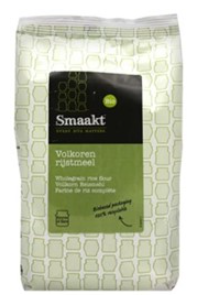
Luxembourg – Whole grain rice flour (400g) from the Smaakt brand – Aflatoxin

SAP

Name Wholemeal rice flour
Brand SMAAKT
Unit 400g
Date-linked batches (DDM) 05/17/2024 – 54A3323;

05/30/2024 – 53B3523;

04/06/2024 – 51A3623

Danger  : Too high aflatoxin content

Aflatoxins are mycotoxins produced by certain species of Aspergillus molds that grow when the temperature and humidity of the food are high. Aflatoxins are considered genotoxic and carcinogenic by the European Food Safety Authority and can be dangerous at high and repeated consumption.

The product can be distributed by different points of sale in Luxembourg.

Information source: RASFF (Rapid Alert System for Food and Feed)

Belgium – Whole rice flour (400g) from the SMAAKT brand – Aflatoxin

afsca

Recall from the AFSCA
Product: Whole rice flour (400g) from the SMAAKT brand

Problem: Too high aflatoxin content

Following a notification via the RASFF system (European Food and Feed rapid alert system), the FASFC withdraws from sale the product “Whole rice flour” (400g) of the SMAAKT brand due to too high a content. in aflatoxin.

Please do not consume this product and return it to the point of sale where it was purchased.

Product description:

– Product name: Whole rice flour
– Brand: Smaakt
– Batches and dates of minimum durability (DDM):
Batch code DDM
55B3123 04-05-2024
54A3323 17-5-2024
53B3523 30-5-2024
51A3623 04-06-2024
– Nature of packaging: sachet
– Weight: 400g

RASFF Alerts – Aflatoxin – Groundnuts – Peanuts- Dried Figs – Pistachios – Whole Grain Rice Flour – Cheese Spread

RASFF

Aflatoxin in blanched groundnut kernels from China in the Netherlands

RASFF

Aflatoxins in groundnut kernels from the United States in the Netherlands

RASFF

Aflatoxins in peanuts in shell (Arachis Hypogeae) from Egypt in Italy

RASFF

Aflatoxins (B1, B2,G1,G2) in raw groundnuts from the USA in the Netherlands

RASFF

Aflatoxins in dried figs from Türkiye in Italy

RASFF

Aflatoxins in pistachios from Iran in Germany

RASFF

Aflatoxin in organic whole grain rice flour from the Netherlands in Belgium and Germany

RASFF

Aflatoxin M1 in in cheese spread from Serbia in Croatia

RASFF

Aflatoxin B1 in Groundnuts from the USA in the Netherlands

France – Espelette pepper powder AOP – Aflatoxin

Gov France

Product category
Food
Product subcategory
Herbs and spices
Product brand name
Our Regions have Talent
Model names or references
Espelette pepper powder AOP – NRT – 40g
Product identification
GTIN Batch Date
3564709030395 22P2272/1 22P2272/2 22P2272/3 Recommended consumption date 12/31/2024
Packaging
Glass – 40g
Start/end date of marketing
From 01/13/2023 to 01/13/2023
Storage temperature
Product to be stored at room temperature
Further information
Batch number indicated on the white capsule
Geographical sales area
Whole France
Distributors
Scamark

RASFF Alerts – Aflatoxin – Dried Figs

RASFF

Aflatoxin in dried figs from Türkiye in Bulgaria

RASFF

Aflatoxin in dried figs from Türkiye in Bulgaria and Sweden

Biocontrol training in Pakistan helps farmers prevent harmful aflatoxins in chillies

KRISHAK JAGAT

Pakistan is the world’s fourth-largest producer of chillies. The country accounts for around 4-5% of global chilli production. Sindh province is where 85% of Pakistan’s chillies are grown, making it one of the biggest chilli-producing regions worldwide. The province is well-known for the town of Kunri, home of the world-famous Dundicut red chillies.

But here, chilli growers face significant agricultural challenges that threaten their livelihoods. One of the biggest problems they face is aflatoxin contamination of their crops.

CABI has teamed up with several organizations to address the issue including:

Pakistan Agricultural Research Council (PARC)
United States Agency for International Development (USAID)
United States Department of Agriculture (USDA)
Rafhan Maize Products Co. Ltd
The organizations are working together on an important project in Pakistan on regulatory harmonization for maximum residue limits and biopesticides. What sets this project apart is its focus on addressing aflatoxins. Uniquely, it explores the use of a unique biocontrol technology at farm level to reduce aflatoxins in red chillies.

Hong Kong – Liver-damaging Aflatoxins found in peanut butter, with two brands exceeding EU limit

The Standard HK

A Consumer Council’s test on 20 samples of peanut butter found that 60 percent of them contain aflatoxins, a substance that could damage liver function. The test also found the aflatoxin B1 levels of two samples exceeded the upper limit of European Union standards.

The consumer watchdog said the two samples found with aflatoxin B1 levels exceeding the EU limit are Fuyuan’s Peanut Butter and YOWE’s Peanut Butter Creamy.

The two samples contained aflatoxin B1 at levels of 4.27μg and 2.01μg respectively, which exceeded the EU limit of 2.0μg. The total aflatoxins level of Fuyuan’s Peanut Butter of 4.94μg also exceeded the EU limit of 4.0μg.

The watchdog warned that aflatoxins could cause acute and chronic poisoning in animals and humans, and could lead to acute liver damage, cirrhosis, cancer and even death.

It said it has referred the information of the relevant samples to the Centre for Food Safety for follow-up.