Author Archives: KSW

USA – Kwik Trip, Inc. Recalls Specific Fruit Cups and Trays Due to Potential Salmonella Contamination

FDA

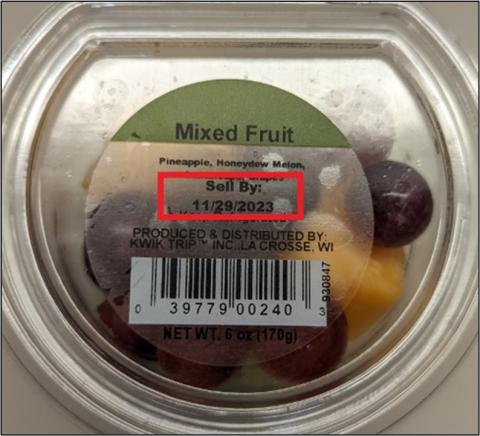
Image 1 “Photograph of Mixed Fruit label, 6 oz.”

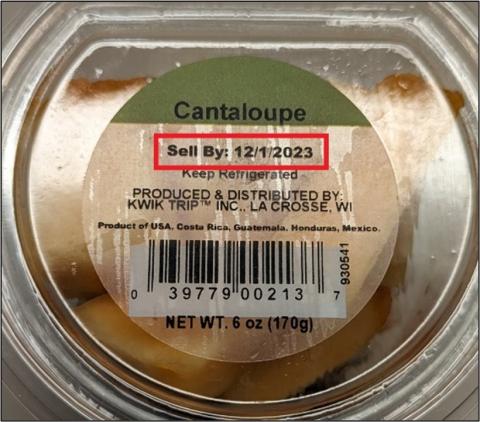
Image 2 “Photograph of Cantaloupe label, 6 oz.”

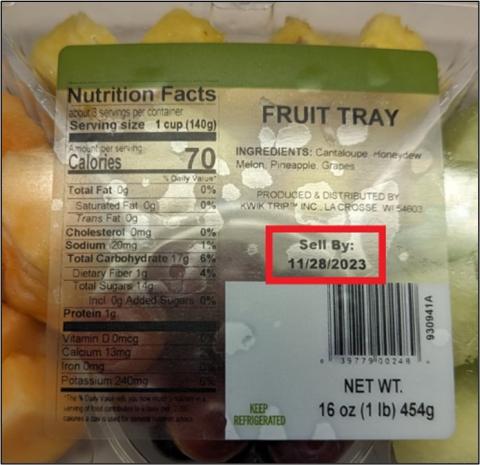
Image 3 “Photograph of Fruit Tray label, 16 oz.”

November 27, 2023 – Kwik Trip, Inc. has initiated a voluntary recall of three varieties of fresh-cut fruit cup and tray products listed below because they contain cantaloupe from TruFresh which has the potential to be contaminated with Salmonella.

Due to the now expanded recall of fresh, whole cantaloupes by TruFresh, Kwik Trip, Inc. is issuing this recall. Cantaloupes recalled by TruFresh were used as a raw material in Kwik Trip, Inc. fruit cup and tray products listed below.

This recall includes the following fresh-cut fruit cup and tray products containing cantaloupe with sell-by dates of November 4, 2023, through December 3, 2023. Products were distributed to Kwik Trip, Kwik Star, Stop-N-Go, Tobacco Outlet Plus Grocery, and Tobacco Outlet Plus convenience stores in the states of Wisconsin, Minnesota, Iowa, Michigan, Illinois, and South Dakota.

Product Description Container Size UPC Sell By Date Range
MIXED FRUIT CUP 6OZ 39779 00240 11/4/2023 – 12/3/2023
CANTALOUPE CUP 6OZ 39779 00213 11/4/2023 – 12/3/2023
FRUIT TRAY 16OZ 39779 00248 11/4/2023 – 12/3/2023

There have been no reported illnesses associated with the fruit cup and tray products listed above to date.

  • Consumers, restaurants, retailers, and wholesalers should not eat, sell, or serve recalled cantaloupe or recalled products containing cantaloupe.
  • Some consumers freeze cantaloupe for later use. Consumers should check their freezers and throw away recalled fresh or cut cantaloupe that was frozen for later use.
  • If you cannot tell if your cantaloupe is part of the recall, do not eat or use it and throw it away.

Kwik Trip, Inc. takes the safety and integrity of the products it sells seriously. If customers have product affected by this voluntary recall, they should discard it immediately or return it to their local store for a full refund. Consumers with questions may contact the company at 608-781-8988.

Catalonia – Alert for the presence of Listeria monocytogenes in alfalfa sprouts from Spain

ACSA

alfalfa

The Spanish Food Safety and Nutrition Agency (AESAN) has been informed by the autonomous community of Galicia, through the Coordinated Rapid Information Exchange System (SCIRI) , of the presence of Listeria monocytogenes in alfalfa sprouts .

The data of the products involved are:

  • Product name (on label) : Sprouts of alfalfa
  • Trademark: Tugas
  • Product appearance: 50g bag
  • Lot number: L4111012S318D
  • Expiry date: 02/12/2023
  • Temperature: Refrigerated

AESAN has transferred this information to the competent authorities of the autonomous communities through the SCIRI, in order to verify the withdrawal of the affected products from the marketing channels.

People who have products affected by this alert at home are advised to refrain from consuming them.

If you have consumed any of the products from the affected batches and have symptoms compatible with listeriosis (vomiting, diarrhea or fever), it is recommended to go to a health center.

France – Organic cocktail white puddings – Listeria monocytogenes

Gov France

Product category
Food
Product subcategory
Meats
Product brand name
Breeders’ Bio
Model names or references
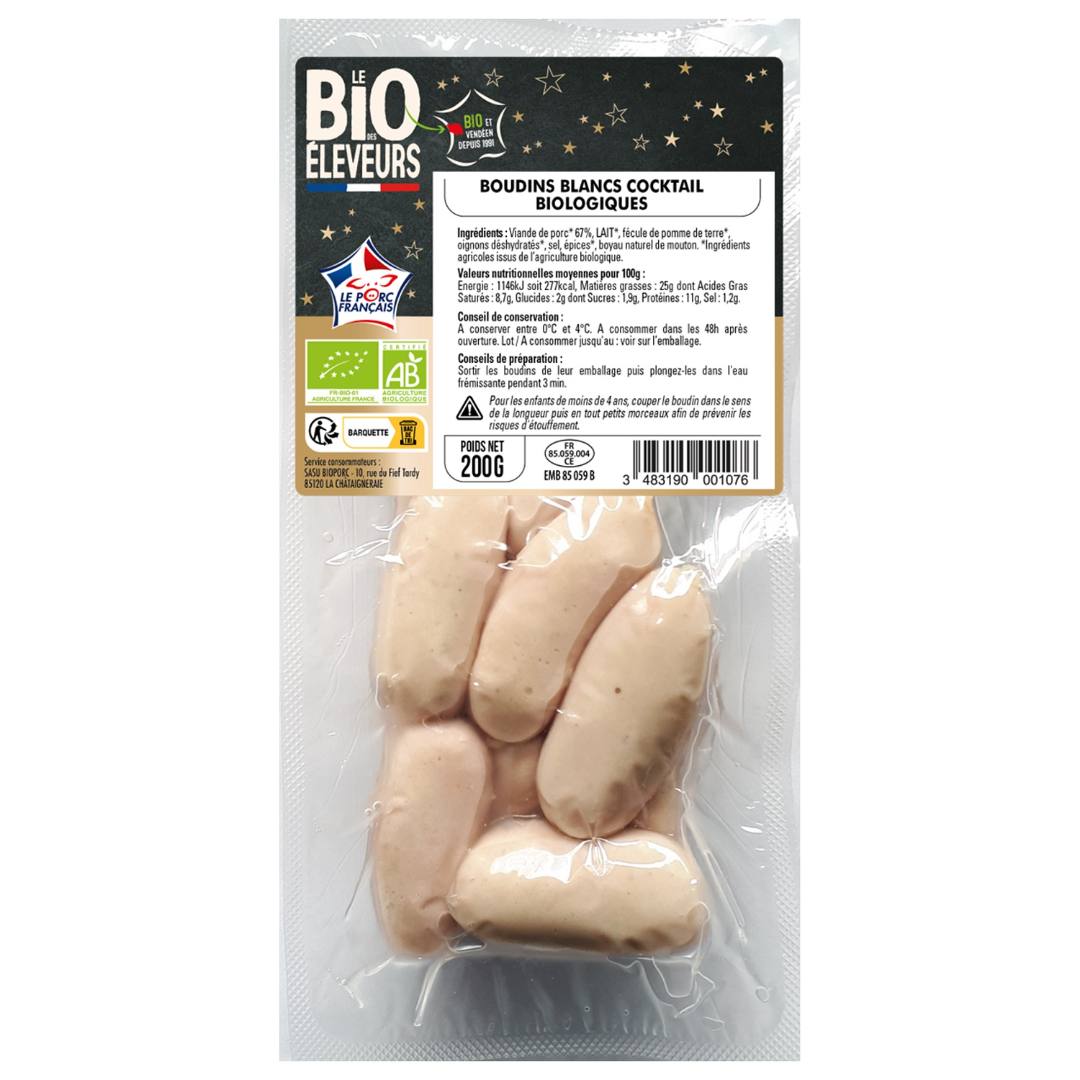
Organic cocktail white puddings
Product identification
GTIN Batch Date
3483190001076 M320 Use-by date 11/12/2023
Packaging
Under a vacuum
Start/end date of marketing
From 11/18/2023 to 11/27/2023
Storage temperature
Product to keep in the refrigerator
Health mark
FR 85 059 004 CE
Geographical sales area
Whole France
Distributors
Auchan, System U

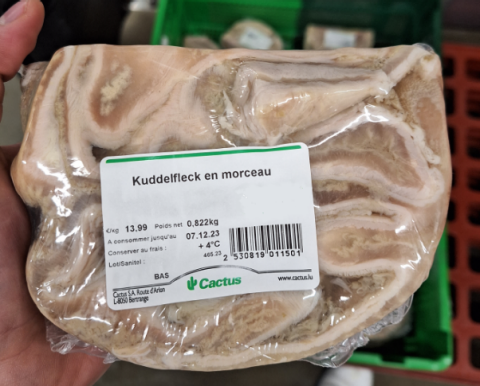
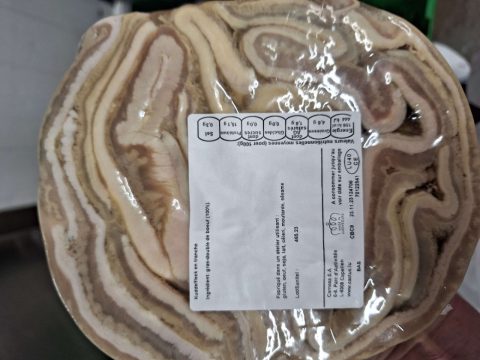
Luxembourg – Kuddelfleck from the Cactus brand – Listeria monocytogenes, Escherichia coli and Staphylococci

SAP

Name; Kuddelfleck in pieces

Brand; Cactus

Use-by date (DLC); 07/12/2023

Batch; 465.23

Sales period; 11/24/23 to 11/27/2023

Name Sliced ​​Kuddelfleck
Brand Cactus
Use-by date (DLC) 07/12/23
Batch 465.23
Sales period 11/24/23 to 11/27/2023

Danger  : Presence of Listeria monocytogenes , Escherichia coli and Staphylococci

Listeria monocytogenes can cause fever, headache and gastroenteritis. Vulnerable people such as the immunocompromised and elderly and young children may experience neurological symptoms due to meningitis. Pregnant women should also be particularly attentive to these symptoms. Gastroenteritis can appear between a few hours and 3 days after consumption, while neurological symptoms can only appear after 3 months. People who have consumed these products and present these symptoms are invited to consult a doctor and report this consumption.

Among  Escherichia coli , some can cause food poisoning which can occur within a week after consumption and result in gastrointestinal disorders often accompanied by cramps. These symptoms may be aggravated in young children, immunocompromised individuals and the elderly. People who have consumed these products and present these symptoms are invited to consult a doctor and report this consumption.

Staphylococcus aureus can cause symptoms that usually include nausea, abdominal cramps, vomiting and diarrhea. In more severe cases, dehydration, headache, muscle cramps, and transient changes in blood pressure and pulse rate may occur. The illness is relatively mild and usually lasts only a few hours to a day; however, in some cases the illness is severe enough to require hospitalization.

Foodborne illness source attribution estimates for Salmonella, Escherichia coli O157, and Listeria monocytogenes — United States,2021

CDC

Executive Summary
Each year in the United States an estimated 9 million people get sick, 56,000 are hospitalized, and 1,300 die of foodborne disease caused by known pathogens. These estimates help highlight the scope of this public health problem. However, to develop effective prevention measures, food safety agencies and partners need to understand the types of foods contributing to the problem.

The Interagency Food Safety Analytics Collaboration (IFSAC) is a tri-agency group created by the Centers for Disease Control and Prevention (CDC), the U.S. Food and Drug Administration (FDA), and the U.S. Department of Agriculture’s Food Safety and Inspection Service (FSIS). By bringing together data from CDC, FDA, and FSIS, and by developing sound analytical methods, IFSAC scientists can improve estimates of the sources of foodborne illness.
Using outbreak surveillance data from 1998 through 2021, this report presents annual estimates of the percentages of foodborne illness attributed to 17 food categories for Salmonella, Escherichia coli O157, and Listeria monocytogenes.

Salmonella illnesses came from a wide variety of foods. More than 75% of Salmonella illnesses were attributed to seven food categories: Chicken, Fruits, Pork, Seeded Vegetables (such as tomatoes), Other Produce (such as nuts), Beef, and Turkey.

Escherichia coli (E. coli) O157 illnesses were most often linked to two categories.
Over 80% of Escherichia coli (E. coli) O157 illnesses were linked to Vegetable Row Crops (such as leafy greens) and Beef.

Listeria monocytogenes (Listeria) illnesses were most often linked to Dairy products, Vegetable Row Crops, and Fruits. More than 75% of illnesses were attributed to these three categories, but the rarity of Listeria outbreaks makes these estimates less reliable than those for other pathogens.

Attribution estimates for Campylobacter are not presented in this year’s report. Evidence suggests the sources of Campylobacter outbreaks likely differ considerably from the sources of non-outbreak-associated illnesses caused by this pathogen. IFSAC is exploring alternative approaches for estimating the sources of Campylobacter illnesses.

USA – Outbreak Investigation of Salmonella: Cantaloupes (November 2023)

FDA

Cantaloupe

Products and Stores Affected (Expanded and Updated on 11/27/2023)

Recalled whole cantaloupe from the following brands:

  • Whole fresh cantaloupes with a label on the cantaloupe that says “Malichita” or “Rudy”, “4050”, and “Product of Mexico/produit du Mexique”.
  • Retailers and wholesalers would have received recalled whole melons from Crown Jewels Produce in boxes labeled “Malachita/Z Farms” or from Sofia Produce doing business as TruFresh in boxes labeled “Malichita” or “Rudy”, or from Pacific Trellis in corrugated cartons with certain lot codes.

Recalled cut cantaloupe and products made from recalled whole cantaloupes:

  • ALDIExternal Link Disclaimer cantaloupe, cut cantaloupe, and pineapple spears in clamshell packaging with Best-by dates between October 27 and October 31.
  • Vinyard cantaloupe chunks and cubes, fruit mixes, melon medleys, and fruit cups containing cantaloupe. Most have a “Vinyard” label, and some have a red label with “Fresh” sold between October 30 and November 10 in Oklahoma stores.
  • Freshness Guaranteed seasonal blend, melon trio, melon mix, fruit blend, fruit bowl, seasonal fruit tray, fruit mix, and cantaloupe chunks; and RaceTrac fruit medley sold in clear square or round plastic containers at select retail stores in IN, MI, OH, KY, NC, TN, VA, IL, TX, LA (see recall announcement for lot codes and “best by” dates).

More information about recalled products and product images can be found in the recall links above.

FDA’s investigation is ongoing. Updates to this advisory will be provided as they become available.

Symptoms of Salmonella Infection

Illness usually occurs within 12 to 72 hours after eating contaminated food and usually lasts four to seven days. Symptoms include diarrhea, fever, and abdominal cramps. Children younger than five, the elderly, and people with weakened immune systems are more likely to have severe infections.

Status

Ongoing: updates to this advisory will be provided as they become available.

Recommendation

  • Consumers, restaurants, retailers, and wholesalers should not eat, sell, or serve recalled cantaloupe or recalled products containing cantaloupe.
  • Some consumers freeze cantaloupe for later use. Consumers, restaurants, and retailers should check their freezers and throw away recalled fresh or cut cantaloupe that was frozen for later use.
  • If you cannot tell if your cantaloupe is part of the recall, do not eat or use it and throw it away.
  • Retailers and wholesalers would have received recalled whole melons from Crown Jewels Produce in boxes labeled “Malachita/Z Farms” or from Sofia Produce doing business as TruFresh in boxes labeled “Malichita” or “Rudy”, or from Pacific Trellis in corrugated cartons with certain lot codes.
  • Follow FDA’s safe handling and cleaning advice and use extra vigilance in cleaning and sanitizing any surfaces and containers that may have come in contact with recalled products to reduce the risk of cross-contamination.
  • Contact your healthcare provider if you think you may have symptoms of a Salmonella infection after eating recalled cantaloupe.

Israel – Listeria monocytogenes bacteria in the margherita pizza – Hatif Kafur AA 2005 Ltd

Gov IL

Hatif Kafur AA 2005 Ltd. would like to inform its customers that an inspection carried out by the Jerusalem District Food Service at the Ministry of Health found Listeria monocytogenes bacteria in the margherita pizza

USA – Outbreak Investigation of Listeria monocytogenes: Peaches, Plums, & Nectarines (November 2023)

FDA

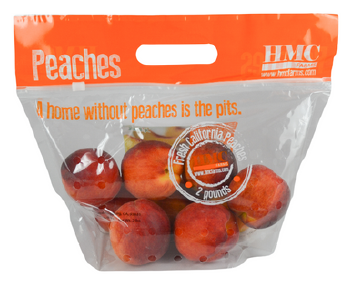
HMC Peaches

Product

Recalled conventional (non-organic) peaches, plums, and nectarines sold in retail stores from May 1, 2022 through November 15, 2022 and from May 1, 2023 through November 15, 2023. The recalled fruit was sold at retail stores nationwide in bags or as individual pieces of fruit with PLU stickers, under multiple brand names.

  • Individual pieces of fruit with PLU stickers on the fruit labeled USA-E-U, containing the following numbers:
    • Yellow peach: 4044 or 4038
    • White peach: 4401
    • Yellow nectarine: 4036 or 4378
    • White nectarine: 3035
    • Red plum: 4042
    • Black plum: 4040
  • HMC Farms: peaches, plums, or nectarines sold in HMC Farms-branded bags
  • Signature Farms: peaches or nectarines sold in Signature Farms-branded bags and labeled with 6359 printed on a white sticker on the bag.

See the recall notice for product images.

Additionally, the recalled fruit was sold to other manufacturers who may have frozen and/or relabeled the recalled fruit for resale under another brand. The firm has directly notified their customers who received recalled product and this advisory will be updated as more information becomes available.

Recalled fruit is past expiration and no longer available for sale in retail stores but could have been frozen by consumers. Fresh whole peaches, plums, and nectarines currently available for sale at retail are not included in this recall.

Stores Affected

The recalled fruit was distributed nationwide and sold at retail stores in bags or as individual pieces of fruit (see descriptions above). FDA is aware of the following retailers who received recalled products:

Additional information on retail locations will be provided when it is available.

Symptoms of Listeriosis (Listeria Infection)

Symptoms usually start within 2 weeks after eating food contaminated with Listeria, but may start as early as the same day or as late as 10 weeks after. Mild symptoms may include a fever, muscle aches, nausea, tiredness, vomiting, and diarrhea. If the more severe form of listeriosis develops, symptoms may include headache, stiff neck, confusion, loss of balance, and convulsions.

Status

Ongoing: Updates to this advisory will be provided as they become available.

Recommendation

  • Do not eat, sell, or serve recalled peaches, plums, or nectarines. The recalled fruit is no longer available for sale and any previously purchased fruit should be past shelf life.
  • If you previously purchased fresh peaches, plums, and nectarines and then froze them, you should throw them away if they are part of the recall or if you cannot tell if they are part of the recall.
  • Anyone who received or purchased recalled peaches, plums and nectarines should use extra vigilance in cleaning and sanitizing any surfaces and containers that may have come in contact with the recalled fruit to reduce the risk of cross-contamination. This includes baking or canning tools, cutting boards, knives, countertops, refrigerators, freezers, and storage bins.
  • If you have symptoms of listeriosis you should contact your health care provider to report your symptoms and receive care.

Recommendations for At-Risk Groups

  • Listeria is most likely to sicken pregnant people and newborns, adults aged 65 or older, and people with weakened immune systems. Other people can be infected with Listeria, but they rarely become seriously ill.
  • Pregnant people typically experience only fever, fatigue, and muscle aches. However, Listeria infection during pregnancy can lead to miscarriage, stillbirth, premature delivery, or life-threatening infection of the newborn.
  • Call your healthcare provider right away if you have symptoms of a Listeria infection.

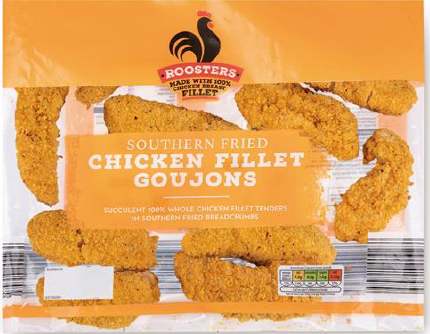
Ireland – Recall of a batch of Aldi Roosters Southern Fried Chicken Fillet Goujons due to the possible presence of Salmonella

FSAI

Alert Summary
Category 1: For Action
Alert Notification: 2023.34
Product Identification: Roosters Southern Fried Chicken Fillet Goujons (frozen); pack size: 800g
Batch Code 712654; Best before date: 22 May 2025
Country Of Origin: United Kingdom

Message:

The above batch of Roosters Southern Fried Chicken Fillet Goujons is being recalled due to the possible presence of Salmonella.

Recall notices will be displayed at point-of-sale in Aldi stores.

Nature Of Danger:

People infected with Salmonella typically develop symptoms between 12 and 36 hours after infection, but this can range between 6 and 72 hours.  The most common symptom is diarrhoea, which can sometimes be bloody.  Other symptoms may include fever, headache and abdominal cramps.  The illness usually lasts 4 to 7 days. Diarrhoea can occasionally be severe enough to require hospital admission. The elderly, infants, and those with impaired immune systems are more likely to have a severe illness.

Action Required:

Manufacturers, wholesalers, distributors, caterers & retailers:

Retailers are requested to remove the implicated batch from sale and display recall notices at point-of-sale.

Consumers:

Consumers are advised not to eat the implicated batch.

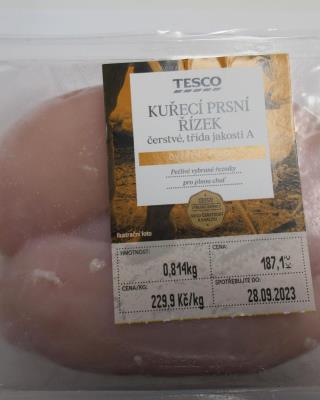
Czech Republic – TESCO CHICKEN BREAST ROCK, fresh, quality class A – Salmonella

Potravinynapranyri

Illustrative photo #5

Place of inspection:
Brno ( Bělohorská 4492/161, 636 00 Brno )
ID: 45308314
Food group: Meat and meat products Packaged meat

TESCO CHICKEN BREAST ROCK, fresh, quality class A
Category: Dangerous foods
Invalid parameter:

Salmonella – serotyping

The presence of the pathogenic bacterium Salmonella Infantis , which can cause a disease called salmonellosis, was detected in the food  .

Batch: 23384102
Expiration date: 28/09/2023
Packaging: PP tub with label
Country of origin:  Ukraine
Date of sample collection: 26/09/2023
Reference number: 23-000862-SZPI-CZ
The sample was detected by the official control of the State Agricultural and Food Inspection.