Author Archives: KSW

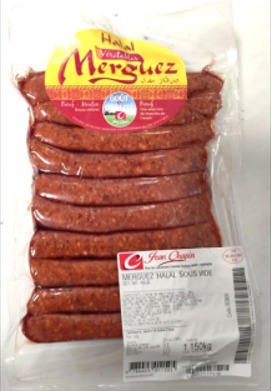
France – HALAL MERGUEZ – Salmonella

Gov France

Product Category
Food
Product subcategory
Meats
Product brand name
JEAN CHAPIN
Model names or references
763800
Product identification
GTIN Batch Date
3267417844239 970/242130018 Expiry date 08/25/2024
Packaging
Vacuum bags x 20
Start/End of marketing date
From 08/05/2024 to 08/12/2024
Storage temperature
Product to be kept in the refrigerator
Health mark
FR 35.353.003 CE
Geographic area of ​​sale
Whole France
Distributors
METRO FRANCE

Sweden – ICA is recalling fresh ICA Red Chard 65g, ICA Crisp Salad Mix 65g and ICA Seasonal Mix 150g – Salmonella

Livsmedelsverket

ICA is recalling fresh ICA Red Chard 65g, ICA Crisp Salad Mix 65g and ICA Seasonal Mix 150g with a best-before date of 2024-08-17.

The recall is due to salmonella being found in red chard during routine sampling at the supplier. Read more in ICA’s press release:

France – Cheese – Buche Faisselle Assortments – STEC E.coli

Gov France

Product Category
Food
Product subcategory
Milk and dairy products
Product brand name
Unbranded
Model names or references
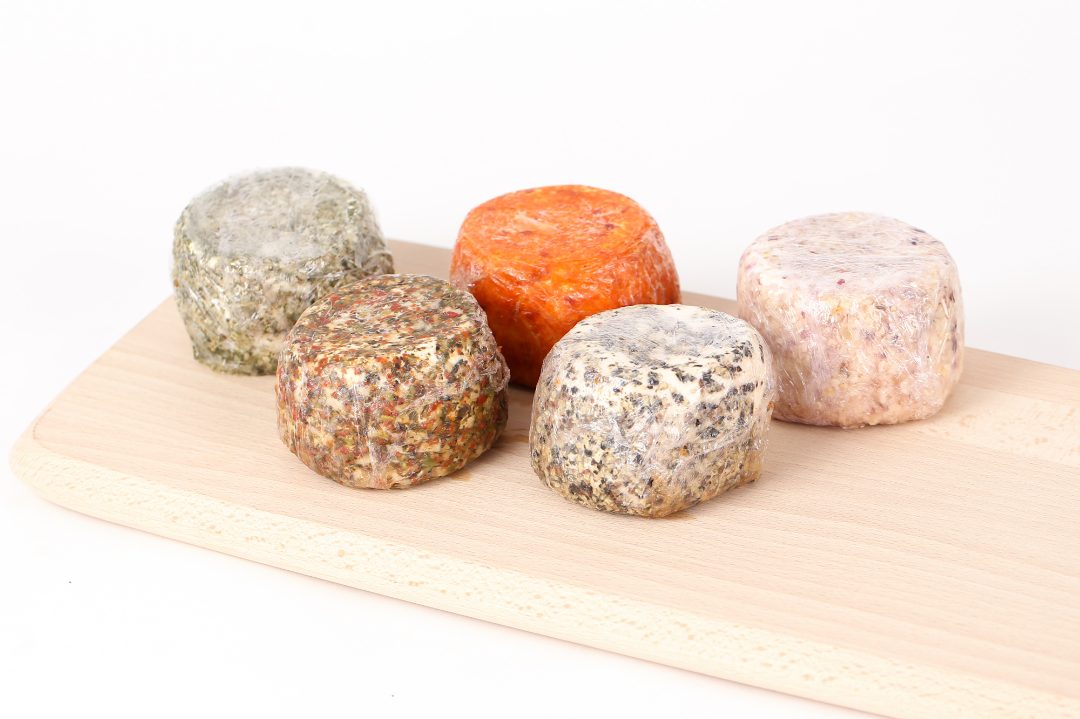
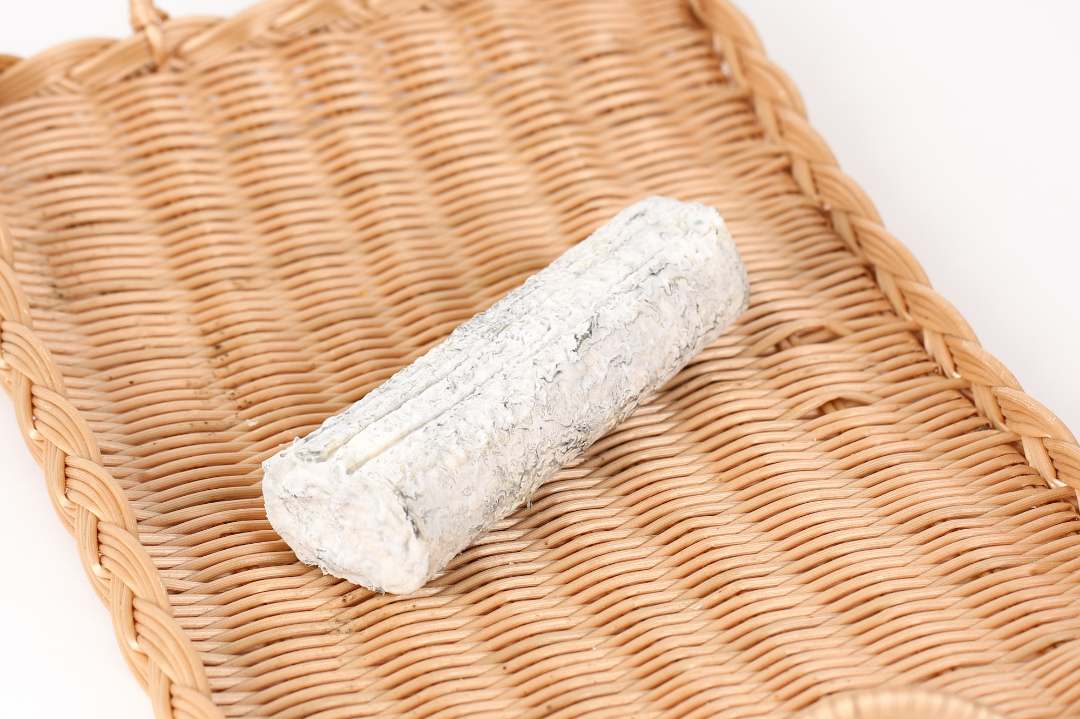
Dairy products sold on our farm Log 320gr Faisselle 400gr Assortments 5 crottins of 180gr each.
Product identification
Batch
30/06
2/07
7/07
16/07
23/07
28/07
Packaging
wrapping paper and plastic pot
Start/End of marketing date
From 06/30/2024 to 08/05/2024
Storage temperature
Product to be kept in the refrigerator
Additional information
All cheese products
Geographic area of ​​sale
Departments: INDRE-ET-LOIRE (37)
Distributors
Restaurant and 2 grocery stores Municipalities: 37190/37510/37000/37130

Spain – Extension of information on the alert for the presence of Salmonella Enteritidis in soft cheese made with raw sheep’s milk from Spain

ACSA

cheese

The Spanish Agency for Food Safety and Nutrition (AESAN) expands the information regarding the alert for the presence of Salmonella Enteritidis in soft cheese made with raw sheep’s milk from Spain (Ref: ES2024 /442) .

As a result of the study of an outbreak of salmonellosis in Catalonia with five affected, a new soft cheese made with raw sheep’s milk from the F ormatgeria Mas d’Eroles brand has tested positive for Salmonella spp.

These products are being withdrawn from the marketing channels since the start of the alert notification.

People who have products included in this alert at home are advised to refrain from consuming them.

As an extension of the information transmitted on 07/08/2024, the autonomous community of Catalonia has informed the Spanish Food Safety and Nutrition Agency through the Coordinated Rapid Information Exchange System (SCIRI) that as a result from the study of an outbreak of salmonellosis in Catalonia with five affected, a new soft cheese made with raw sheep’s milk has tested positive for Salmonella spp.

The updated data for the products involved are:

  • Product name (on label): CLEVER
  • Brand/commercial name: FORMATGERIA MAS D’EROLES
  • Product appearance: Whole piece
  • Lot number: 140524
  • Best before date: 31/12/2024
  • Unit weight: 400 g
  • Temperature: Refrigerated

Research – A Health Threat from Farm to Fork: Shiga Toxin-Producing Escherichia coli Co-Harbouring blaNDM-1 and mcr-1 in Various Sources of the Food Supply Chain

MDPI

Abstract

The dissemination of resistant pathogens through food supply chains poses a significant public health risk, spanning from farm to fork. This study analyzed the distribution of Shiga toxin-producing Escherichia coli (STEC) across various sources within the animal-based food supply chain. A total of 500 samples were collected from livestock, poultry, the environment, fisheries, and dairy. Standard microbiological procedures were employed to isolate and identify E. coli isolates, which were further confirmed using MALDI-TOF and virulence-associated genes (VAGs) such as stx1, stx2, ompT, hylF, iutA, fimH, and iss. The phenotypic resistance patterns of the isolates were determined using the disc diffusion method, followed by molecular identification of antibiotic resistance genes (ARGs) through PCR. STEC were subjected to PCR-based O typing using specific primers for different O types. Overall, 154 (30.5%) samples were confirmed as E. coli, of which 77 (50%) were multidrug-resistant (MDR) E. coli. Among these, 52 (67.53%) isolates exhibited an array of VAGs, and 21 (40.38%) were confirmed as STEC based on the presence of stx1 and stx2. Additionally, 12 out of 52 (23.07%) isolates were identified as non-O157 STEC co-harbouring mcr-1 and blaNDM-1. O26 STEC was found to be the most prevalent among the non-O157 types. The results suggest that the detection of STEC in food supply chains may lead to serious health consequences, particularly in developing countries with limited healthcare resources.

Research – Cell-free supernatant of Bacillus tequilensis reduces grey mold/mould caused by Botrytis cinerea of blueberry fruit: Inducing phenylpropanoid pathway metabolism

Frontiers In.org

Botrytis cinerea a blueberry grey mould, is one of the main diseases affecting postharvest storage, causing significant losses. To better control the postharvest gray mould of blueberry, the effects of KXF 6501 fermentation solution (YY) and KXF6501 cell-free supernatant (SQ) on the induction of disease resistance in blueberry fruits were studied using biochemical and transcriptomic analyses. The results showed that YY and SQ controlled the conidial germination and mycelial growth of B. cinerea in vitro. After 3 d of culture, the lesion diameter and incidence of gray mould in blueberry fruits inoculated with YY and SQ were significantly smaller than those in the control group. Transcription spectrum analysis of blueberry peel tissue showed that the YY- and SQ-induced phenylpropane metabolic pathways had more differentially expressed genes (DEGs) than other biological pathways. In addition, biochemical analyses showed that YY and SQ treatments effectively enhanced the activity of enzymes related to the phenylpropane pathway (phenylalanine ammonia-lyase [PAL], cinnamate 4-hydroxylase [C4H], 4-coumarate CoA ligase [4CL], and polyphenol oxidase [PPO]) and stimulated the synthesis of lignin, total phenols, and flavonoids. Compared with the control, the YY and SQ treatments reduced the weight loss rate and better maintained the appearance and nutritional quality of the blueberry fruits. Thus, it can be concluded that Bacillus tequilensis KXF6501 is potentially useful as a suitable bio-control agent in harvested blueberries.

Research – Reimagining Sushi Safety: A Collaborative Approach to Food Standards

Food Safety.com

The National Fisheries Institute’s newly established Sushi Council aims to enhance food safety standards in the sushi industry through collaboration and implementation of rigorous guidelines

The sushi industry has witnessed a remarkable surge in popularity worldwide, captivating the palates of millions with its unique flavors and convenience offerings. Originating from Japan, sushi has transcended cultural boundaries to become a beloved culinary delicacy enjoyed by consumers globally.

The sushi industry experienced a major surge in sales during and after the COVID-19 pandemic and is valued at over $10 billion annually, with over $3 billion from to-go sushi and $7 billion from restaurants as of 2023.1 Sushi data is not frequently broken out in supermarkets, but is consolidated in the seafood department or prepared foods department sales. A more realistic industry estimate is that the supermarket sushi-to-go market alone is worth over $5 billion annually.

Taiwan – FDA finds toxins in peanut powder and red yeast rice

News TVBS

The Ministry of Health and Welfare’s Food and Drug Administration (FDA, 食品藥物管理署) announced Thursday (Aug. 8) that recent inspections revealed two food products exceeding mycotoxin limits, including excessive aflatoxin in peanut powder and citrinin in red yeast rice.

From April to June, the FDA and local health officials tested 240 samples, including rice, wheat, peanuts, red yeast products, coffee, and baby food. Among these, two products—peanut powder and red yeast rice—failed to meet safety standards.


USA – US health officials report a third death in Listeria food poisoning outbreak tied to deli meats

Food Safety News

recalled Boars Head deli meats

A Listeria outbreak traced to Boar’s Head deli meats has claimed another life and sickened more people.

As of Aug. 8, there were 43 confirmed patients across 13 states. All of the patients have required hospitalization. Three of the patients have died. The patients range in age from 32 to 94 years old.

“Epidemiologic, laboratory, and traceback data show that meats sliced at deli counters, including Boar’s Head brand liverwurst, are contaminated with Listeria and are making people sick,” according to an update from the Centers for Disease Control and Prevention.

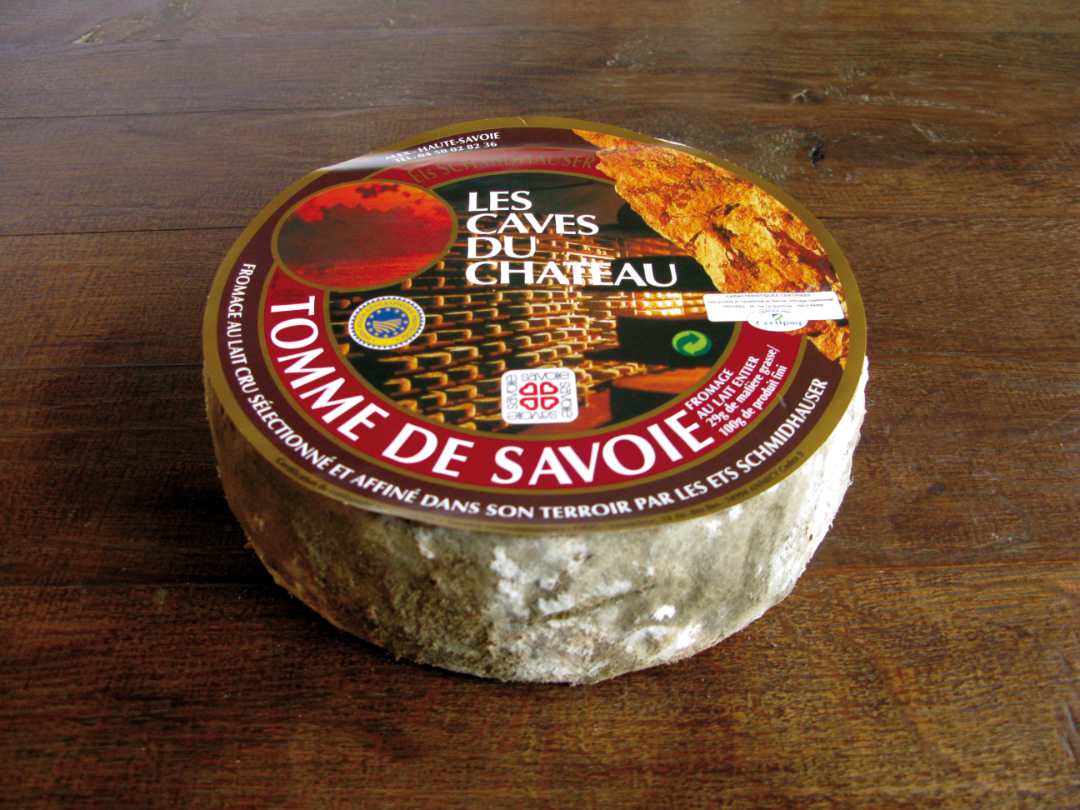
France – Tomme from Savoy – Listeria monocytogenes

Gov France

Product Category
Food
Product subcategory
Milk and dairy products
Product brand name
SCHMIDHAUSER
Model names or references
Grinding wheel
Product identification
GTIN Batch Date
3365670124003 12002224095 12002224122 12002224102 12002224145 12002224075 Minimum durability date between 07/27/2024 and 09/03/2024
Packaging
Grinding wheel
Start/End of marketing date
From 06/18/2024 to 08/09/2024
Storage temperature
Product to be kept in the refrigerator
Additional information
Grinding wheel intended to be reconditioned in the cutting department. If in doubt, contact the store staff.
Geographic area of ​​sale
Whole France
Distributors
Auchan, Carrefour, Monoprix, Casino, Coopérative U, Casino, Thomas Export, Fromi