Monthly Archives: May 2023

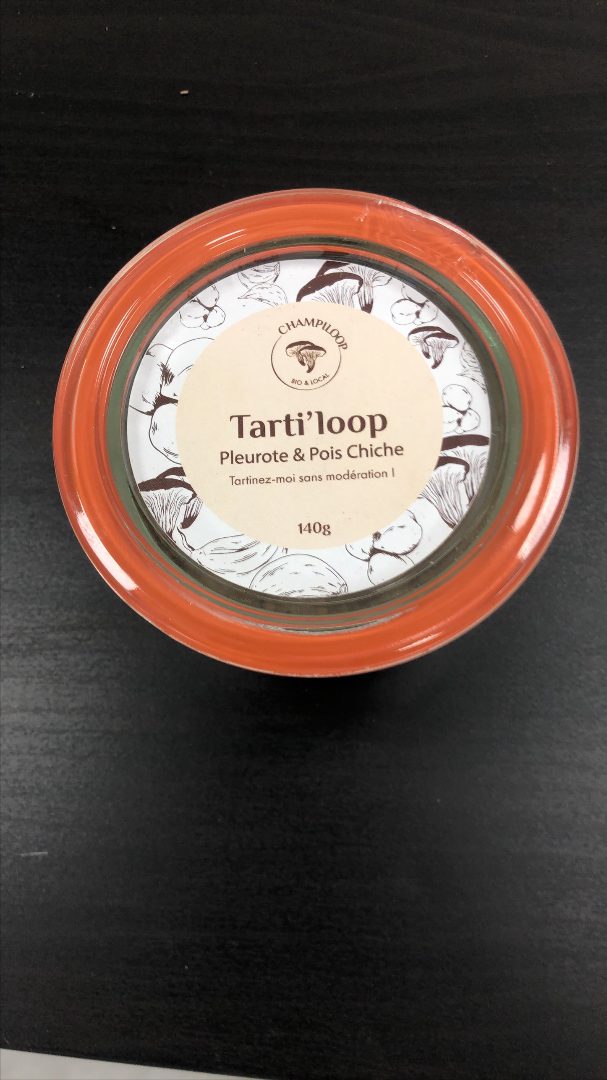
France – Chickpea Oyster Mushroom Tartiloop – Clostridium botulinum

Gov france

Identification information of the recalled product

  • Product category Feed
  • Product subcategory Others
  • Product brand name Champiloop – Tartiloop
  • Model names or references Chickpea oyster mushroom tartiloop, vegan spread with mushrooms
  • Identification of products
    GTIN Batch Date
    3770025912066 2022299-1 Use-by date 26/10/2024
  • Packaging 140g
  • Marketing start/end date From 01/11/2022 to 18/04/2023
  • Storage temperature Product to be stored at room temperature
  • Further information weck jar
  • Geographic area of ​​sale agglomeration of Grenoble
  • Distributors38000: the little ravito, montvrac, the good pickaxe, cse synchrotron 38410: manabio

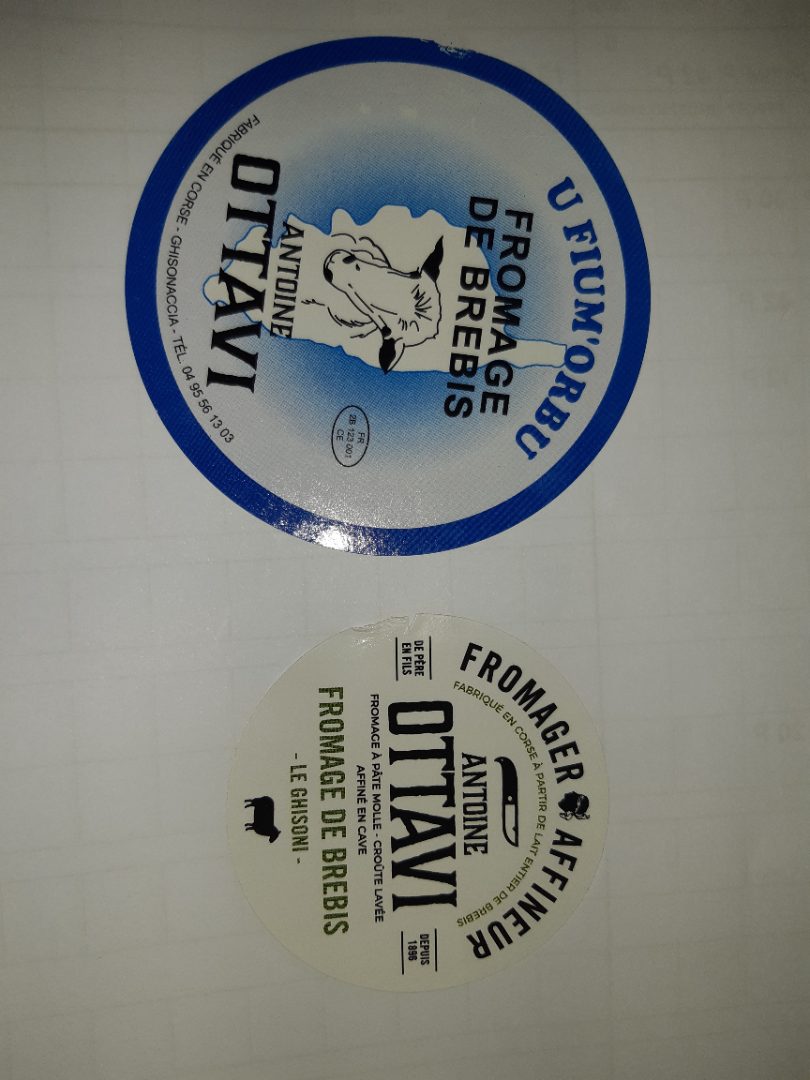
France – Soft sheep cheese 350g – Fiumorbu Sheep – Listeria monocytogenes

Gov france

Identification information of the recalled product

  • Product category Feed
  • Product subcategory Milk and dairy products
  • Product brand name Fiumorbu Sheep 350g
  • Model names or references Fiumorbu Sheep 350g
  • Identification of products
    Batch Date
    WC053 Use-by date 06/20/2023
    WF053 Use-by date 06/20/2023
  • Storage temperature Product to be stored in the refrigerator
  • Health mark FR 2B 123 001 EC
  • Geographic area of ​​sale Whole France
  • Distributors GMS
  • List of points of saleDOC180523-18052023093919.pdf

France – Soft sheep cheese 350g – Listeria monocytogenes

Gov france

Identification information of the recalled product

  • Product category Feed
  • Product subcategory Milk and dairy products
  • Product brand name Ghisoni sheep 350g
  • Model names or references Ghisoni sheep 350g
  • Identification of products
    Batch Date
    wc053 Use-by date 06/20/2023
    WF053 Use-by date 06/20/2023
  • Storage temperature Product to be stored in the refrigerator
  • Health mark FR 2B 123 001 EC
  • Geographic area of ​​sale Whole France
  • Distributors GMS
  • List of points of sale DOC180523-18052023093919.pdf

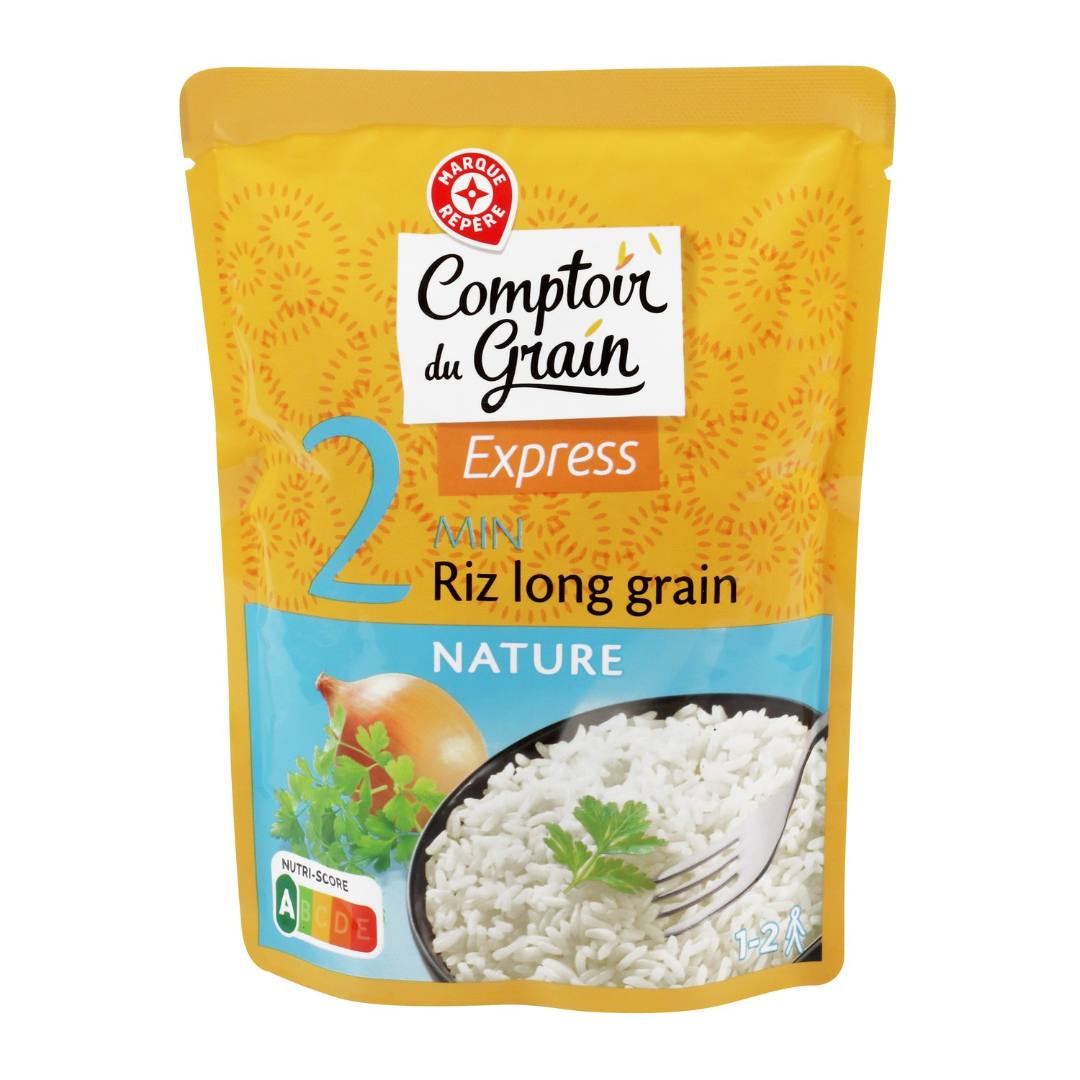
France – LONG GRAIN RICE NATURE EXPRESS 2MIN 250G – Risk of Microbial Contamination

Gov france

entification information of the recalled product

  • Product category Feed
  • Product subcategory Cereals and baked goods
  • Product brand name GRAIN COUNTER
  • Model names or references LONG GRAIN RICE NATURE EXPRESS 2MIN 250G
  • Identification of products
    GTIN Batch Date
    3564700873304 M102-3 Date of minimum durability 04/12/2024
  • Products Lis tPoster_reminder_Riz_long_grain_nature_Express_250g_Comptoir_du_Grain.pdfAttachment
  • Packaging DOY PACK 250G
  • Marketing start/end date From 04/21/2023 to 05/17/2023
  • Storage temperature Product to be stored at room temperature
  • Geographic area of ​​sale Whole France
  • Distributors E.LECLERC

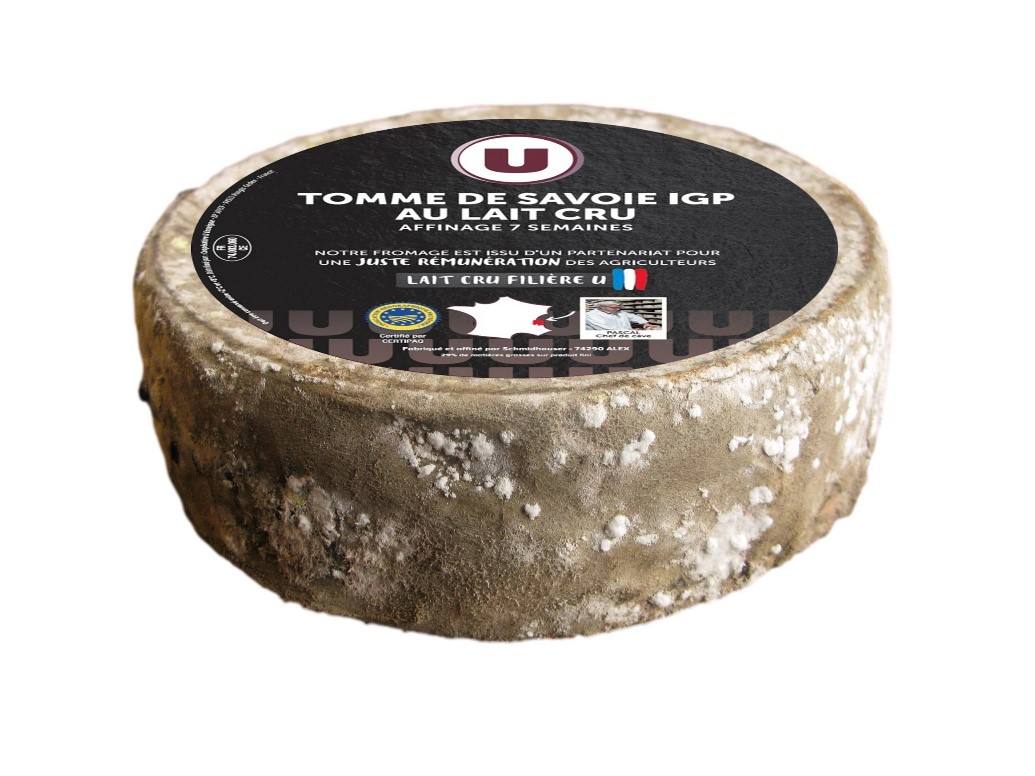
France – Tomme de Savoie IGP U FLAVORS – Salmonella

Gov france

Identification information of the recalled product

  • Product category Feed
  • Product subcategory Milk and dairy products
  • Product brand name FLAVORS
  • Model names or references Tomme de Savoie U Saveurs
  • Identification of products
    GTIN Batch Date
    3368954155960 120 022 23 08 2 Use-by date 04/23/2023
    3368954155960 120 022 23 08 2 Use-by date 05/24/2023
    3368954155960 120 022 23 08 2 Use-by date 05/31/2023
    3368954155960 120 022 23 08 2 Use-by date 07/06/2023
  • Packaging Cheese between 1.5 to 2 kg
  • Marketing start/end date From 04/13/2023 to 05/17/2023
  • Storage temperature Product to be stored in the refrigerator
  • Health mark FR 74 003 060 EC
  • Geographic area of ​​sale Whole France
  • Distributors U-stores

Research – U.S. heads up Codex ciguatera efforts

Food Safety News

The United States is to lead work on a document covering the prevention or reduction of ciguatera poisoning.

The plan was given the go-ahead at a recent Codex Committee on Contaminants in Foods meeting.

An electronic working group, chaired by the U.S. and co-chaired by France, Spain, and Panama, will work on a proposed code of practice or guidelines for consideration at the next meeting of the committee in 2024.

In 2022, the committee established a working group chaired by the U.S. and co-chaired by the European Union to prepare a discussion paper on the topic.

Generally, codes of practice provide practical guidance or measures to reduce or prevent a hazard in food, while a guideline gives higher-level principles and approaches to addressing a particular issue.

Research – Whole-Genome Sequencing of Shiga Toxin-Producing Escherichia coli for Characterization and Outbreak Investigation

MDPI

Abstract

Shiga toxin-producing Escherichia coli (STEC) causes high frequencies of foodborne infections worldwide and has been linked to numerous outbreaks each year. Pulsed-field gel electrophoresis (PFGE) has been the gold standard for surveillance until the recent transition to whole-genome sequencing (WGS). To further understand the genetic diversity and relatedness of outbreak isolates, a retrospective analysis of 510 clinical STEC isolates was conducted. Among the 34 STEC serogroups represented, most (59.6%) belonged to the predominant six non-O157 serogroups. Core genome single nucleotide polymorphism (SNP) analysis differentiated clusters of isolates with similar PFGE patterns and multilocus sequence types (STs). One serogroup O26 outbreak strain and another non-typeable (NT) strain, for instance, were identical by PFGE and clustered together by MLST; however, both were distantly related in the SNP analysis. In contrast, six outbreak-associated serogroup O5 strains clustered with five ST-175 serogroup O5 isolates, which were not part of the same outbreak as determined by PFGE. The use of high-quality SNP analyses enhanced the discrimination of these O5 outbreak strains into a single cluster. In all, this study demonstrates how public health laboratories can more rapidly use WGS and phylogenetics to identify related strains during outbreak investigations while simultaneously uncovering important genetic attributes that can inform treatment practices.

Research – Natural Antimicrobials for Listeria monocytogenes in Ready-to-Eat Meats: Current Challenges and Future Prospects

MDPI

Abstract

Listeria monocytogenes, an intra-cellular, Gram-positive, pathogenic bacterium, is one of the leading agents of foodborne illnesses. The morbidity of human listeriosis is low, but it has a high mortality rate of approximately 20% to 30%. L. monocytogenes is a psychotropic organism, making it a significant threat to ready-to-eat (RTE) meat product food safety. Listeria contamination is associated with the food processing environment or post-cooking cross-contamination events. The potential use of antimicrobials in packaging can reduce foodborne disease risk and spoilage. Novel antimicrobials can be advantageous for limiting Listeria and improving the shelf life of RTE meat. This review will discuss the Listeria occurrence in RTE meat products and potential natural antimicrobial additives for controlling Listeria.

Research – Multistate Outbreak of Salmonella Thompson Infections Linked to Seafood Exposure — United States, 2021

CDC

In July 2021, the Colorado Department of Public Health and Environment (CDPHE) laboratory identified a cluster of five Salmonella enterica serotype Thompson isolates related to one another within one allele difference, using whole genome multilocus sequence typing (wgMLST). These five isolates, submitted to the public health laboratory as is routine process for confirmatory testing of Salmonella, were highly related to those identified in a 2020 multistate investigation, during which traceback was conducted for sushi-grade tuna and salmon; a common supplier was not identified. The 2021 investigation commenced on August 5, 2021, with five patients living in Colorado, and one each in Missouri, Washington, and Wisconsin. During August–December 2021, CDC, CDPHE, public health and regulatory officials in several states, and the Food and Drug Administration (FDA) conducted epidemiologic, environmental, and laboratory investigations of this multistate outbreak of Salmonella Thompson. Isolates were genetically related to one another and to 2020 isolates within zero to one allele difference. Implicated seafood products were traced to a single seafood distributor, in which the outbreak strain was identified through environmental sampling, and in which inspection identified inadequate sanitization and opportunities for cross-contamination of raw fish. The distributor issued a voluntary recall of 16 seafood items with high potential for contamination and completed remediation actions. This outbreak illustrated the importance of effective cleaning and sanitizing procedures and implementation of controls. When multiple products are recalled during an outbreak investigation, collaboration between public health agencies and implicated facilities can help provide food safety information to restaurants, retailers, and consumers, and to ensure disposal of all recalled products.

Norway – BAMA recalls BABYLEAF MIX – Salmonella

Matportalen

Babyleaf salad

Photo: BAMA

The product is sold at REMA 1000, NorgesGruppen’s chain concepts and Bunnpris throughout the country.

The recall applies to products with a use-by date of 25/05/2023 and 26/05/2023.

The product has been removed from store shelves and should be thrown away if you have it at home.

For possible compensation, contact BAMA .