Monthly Archives: July 2022

Research – A 3-year multi-food study of the presence and persistence of Listeria monocytogenes in 54 small food businesses in Ireland

Academia Edu

The problem of assessing the occurrence of the food-borne pathogen Listeria monocytogenes in the food chain, and therefore the risk of exposure of the human population, is often challenging because of the limited scope of some studies.

In this study the occurrence of L. monocytogenes in food from four major food groups, dairy products,
meats, seafood and vegetables, and associated food processing environments in Ireland was studied over a three-year period. Fifty-four small food businesses participated in the study and sent both food and environmental samples every 2 months between 2013 and 2015. L.monocytogenes was isolated using the ISO11290 standard method.

Confirmation of L. monocytogenes and identification of serogroups were achieved using a multiplex PCR
assay, and for some isolates serotype was determined using commercial antisera. Pulsed- field gel electrophoresis (PFGE) analysis was performed on all isolates allowing the relatedness of isolates from different food businesses
to be compared nationwide. In total, 86 distinct pulsotypes were identified. The overall occurrence of L.
monocytogenes in food samples was 4.2%, while in environmental samples it was 3.8%. In general, the occurrence of L. monocytogenes in food businesses decreased over the course of the study, presumably reflecting increased awareness and vigilance.

The majority of the pulsotypes detected were unique to a particular food group (63/
86), while only three pulsotypes were found in all four food groups investigated. The highest occurrence in food was found in the meat category (7.5%) while seafood had the lowest rate of occurrence (1.8%). Seventeen of the pulsotypes detected in the study were persistent, where persistence was defined as repeated isolation from a single facility with a minimum time interval of 6 months. Using PFGE, 11 of the pulsotypes identified in this study were indistinguishable from those of 11 clinical isolates obtained from patients in Ireland over the last 4 years, highlighting the fact that these pulsotypes are capable of causing disease.

Overall, the study shows the diversity of L. monocytogenes strains in the Irish food chain and highlights the ability of many of these strains to persist in food processing environments. The finding that a significant proportion of these pulsotypes are also found in clinical settings highlights the need for continued vigilance by food producers, including frequent sampling and typing of isolates detected.
Philippines – 1 dead, 15 hospitalized after alleged food poisoning in Tondo

Inquirer

MANILA, Philippines – A woman died while 15 others were rushed to a hospital following a suspected case of food poisoning in Tondo, Manila, the Manila Police District (MPD) reported , after reporting dizziness and vomiting hours after eating “mami” (noodle soup).

USA – Eat Just, Inc. Recalls Just Egg Chopped Spring Greens Because of Possible Health Risk – Listeria monocytogenes

FDA

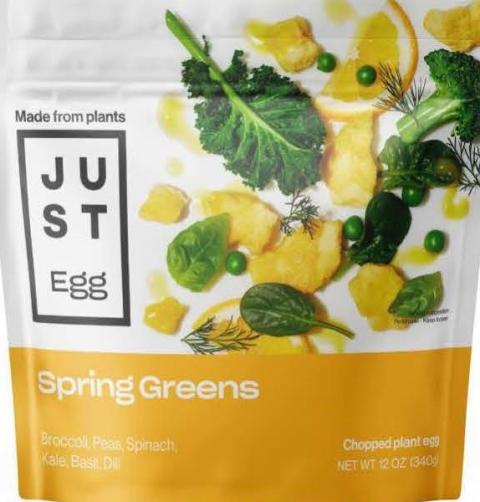
Just Egg, Spring Greens, Net Wt. 12 oz.

Summary

Company Announcement Date:
FDA Publish Date:
Product Type:
Food & Beverages
Reason for Announcement:
Potential Listeria monocytogenes
Company Name:
Eat Just, Inc.
Brand Name:
Spring Green Flavor
Product Description:
Chopped Egg and Vegetables

Company Announcement

Eat Just, Inc. (“Eat Just”), located in Alameda, CA, is voluntarily recalling select lots of JUST Egg Chopped Spring Greens products from a limited number of retail stores located in five states, due to a possible health risk from Listeria monocytogenes.

Listeria monocytogenes is an organism that can cause serious and sometimes fatal infections in young children, frail or elderly people, and others with weakened immune systems. Although healthy individuals may suffer only short-term symptoms such as high fever, severe headache, stiffness, nausea, abdominal pain, and diarrhea, Listeria infection can cause miscarriages and stillbirths among pregnant women.

The voluntarily recalled product was distributed to a select number of retail stores located in AZ, CA, OK, LA, and TX.

The recalled lots tested negative for Listeria monocytogenes before leaving the manufacturing facility. However, another lot that shares ingredients with the recalled lots has tested positive. The lot that tested positive has not been released to the public. Out of an abundance of caution, Eat Just is voluntarily recalling the three lots identified below.

No illnesses have been reported with the products being recalled to date.

Products subject to the voluntary recall are identified by Use By Dates and Lot numbers:

Product Case Code UPC Code Use By – Lot
Spring Green Flavor – Chopped Egg and Vegetables 6 x 12 oz. 10191011001029 1 91011 00101 5 JUN 10 2023 1612
Spring Green Flavor – Chopped Egg and Vegetables 6 x 12 oz. 10191011001029 1 91011 00101 5 JUN 29 2023 1802
Spring Green Flavor – Chopped Egg and Vegetables 6 x 12 oz. 10191011001029 1 91011 00101 5 JUN 30 2023 1812
  • USE BY JUN 10 2023  1612
  • USE BY JUN 29 2023  1802
  • USE BY JUN 30 2023  1812

The product date and lot code is located above the UPC (bar code) on the back of the package.

To date, a total of 21 packages of the recalled product have been sold to consumers. If you have the recalled product, it should be discarded and not consumed. For more information, consumers may call Eat Just customer care at (844) 423-6637 between the hours of 9:00 a.m. – 5:00 p.m. Pacific Time or email wecare@ju.st. Customers who purchased any of the recalled products may receive a full refund at the location of purchase.

No other Eat Just products are part of this voluntary recall. All other products are safe to consume.

Eat Just is coordinating closely with regulatory officials.


Company Contact Information

Consumers:
Eat Just customer care
 844-423-6637
 wecare@ju.st

Research – Listeria: What you need to know

Medical News Today

Listeriosis is a food-borne infection caused by Listeria bacteria. The majority of people who become infected might barely notice the illness. However, those at risk can be severely affected, and mortality rates are relatively high.

Listeriosis, also called Listeria, can be a serious infection; it strikes pregnant women, newborns, the elderly, and anyone with a weakened immune system.

In this article, we will look at the symptoms, diagnosis, and treatment of listeriosis. We will also discuss how the bacteria works, the best ways to avoid infection, and recent research into preventing the disease.

Fast facts on listeriosis

  • Listeriosis is an infection caused by Listeria monocytogenes
  • An estimated 260 Americans die of listeriosis yearly.
  • Only immunosuppressed individuals and pregnant women are at risk of a serious case of listeriosis.
  • Listeriosis can lead to septicemia or meningitis.
  • Pregnant women are 10 times more likely to be infected with Listeria than the general population.

Read more at the link above.

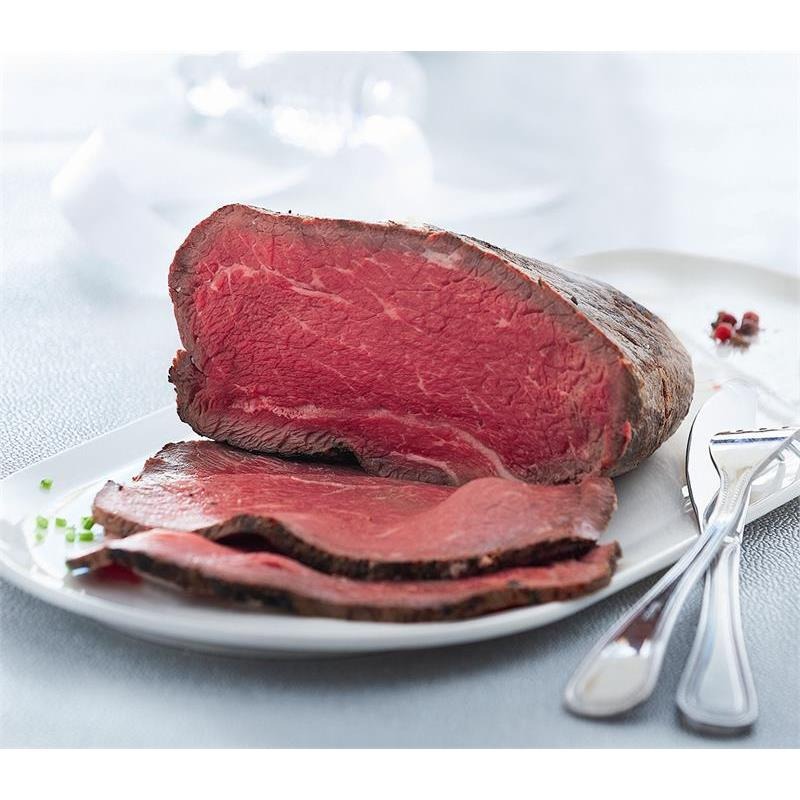
France – Cooked roast beef sold by the cut – Listeria monocytogenes

Gov france

Identification information of the recalled product

  • Product category Feed
  • Product subcategory Meats
  • Product brand name Unbranded
  • Model names or references Cooked roast beef sold by the cut
  • Identification of products
    GTIN Batch
    1111111111116 Marketing dates: between 09/07/2022 and 20/07/2022
  • Marketing start/end date From 09/07/2022 to 20/07/2022
  • Storage temperature Product to be stored in the refrigerator
  • Health mark EN 72.132.002 EC
  • Geographic area of ​​sale Whole France
  • Distributors Crossroads

Practical information regarding the recall

  • Reason for recall Suspicion of the presence of Listeria Monocytogenes
  • Risks incurred by the consumer Listeria monocytogenes (causative agent of listeriosis)

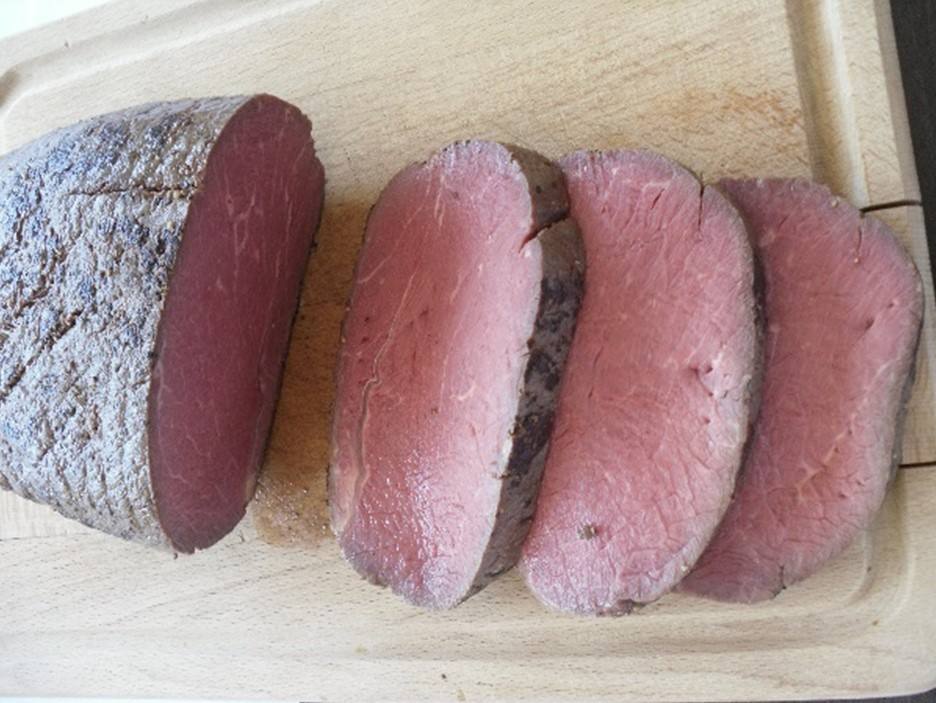
France – cooked roast beef sold at the stand by the cut – Listeria monocytogenes

Gov france

Identification information of the recalled product

  • Product category Feed
  • Product subcategory Meats
  • Product brand name unbranded (sold at the stand department with service)
  • Model names or references roast beef cooked to slice
  • Identification of products
    Batch
    product sold between 07/13/2022 and 07/19/2022
  • Marketing start/end date From 13/07/2022 to 19/07/2022
  • Storage temperature Product to be stored in the refrigerator
  • Health mark/
  • Geographic area of ​​sale Whole France
  • Distributors37 Cora hypermarkets and 1 Migros store
  • List of points of salelist_stores_concerned.pdf

Practical information regarding the recall

  • Reason for recall presence of listeria
  • Risks incurred by the consumer Listeria monocytogenes (causative agent of listeriosis)

USA – FDA Issues Country-Wide Import Alert for Enoki Mushrooms from the Republic of Korea – Listeria monocytogenes

FDA

The FDA announced today that its Import Divisions may detain without physical examination, importations of enoki mushrooms from the ROK. This country-wide import alert, IA #25-21, “Detention Without Physical Examination of Enoki Mushrooms from Korea (the Republic of) due to Listeria monocytogenes,” was issued to protect public health and help prevent the importation of enoki mushrooms that could be linked to human infections. The FDA issues import alerts to help prevent potentially violative products from being distributed in the United States.

In fiscal year 2021, FDA testing revealed that 43% of enoki mushrooms sampled from the ROK were contaminated with Listeria monocytogenes (L. monocytogenes). L. monocytogenes is a human pathogen that can be found in moist environments, soil, water, decaying vegetation and animals, and can survive and even grow under refrigeration and other food preservation measures.

The sampling was conducted following an FDA investigation into a multistate outbreak spanning from 2016-2020. This outbreak linked multiple cases of human infections of L. monocytogenes to enoki mushrooms from the ROK. The outbreak accounted for a total of 36 U.S. cases reported across 17 states, 12 cases in Canada, and six cases in Australia. The 36 U.S. cases yielded 31 hospitalizations and four deaths.

From March 2020 through May 2022, state public health authorities conducted sampling of enoki mushrooms from U.S. retail locations. L. monocytogenes was detected in multiple state samples, which led to 21 recalls of enoki mushrooms in the United States. Nine of the recalls were linked to enoki mushrooms grown in the ROK and were confirmed by labelling, traceback, or whole genome sequencing (WGS).

After the 2020 outbreak, the FDA began implementing an Imported Specialty Mushroom Prevention Strategy, with a focus on enoki mushrooms, to protect public health and prevent future L. monocytogenes outbreaks in specialty imported mushrooms. The FDA’s prevention strategies are affirmative, deliberate approaches undertaken by the agency to limit or prevent the recurrence of a root cause that led to an outbreak or adverse incident.

China – Research – Vital Surveillances: Epidemiological Analysis of Foodborne Botulism Outbreaks — China, 2004–2020

China CDC

kswfoodworld

Abstract

IntroductionFoodborne botulism is a rare, potentially fatal illness resulting from the ingestion of foods contaminated with preformed botulinum neurotoxin types A, B, E, or F, produced by Clostridium botulinum. The descriptive epidemiology of foodborne botulism outbreaks in China during 2004−2020 was performed to inform public health response strategies.

Results

During 2004−2020, a total of 80 foodborne botulism outbreaks occurred in China, involving 386 illnesses and 55 deaths; most outbreaks were reported between June and August, with a sharp peak in January; 22 out of 31 PLADs reported foodborne botulism outbreaks, Xinjiang reported the largest number of outbreaks (20), followed by Qinghai (13); the most commonly implicated food was home-prepared traditional processed stinky tofu and dried beef, accounting for 51.25% events. Improper processing and improper storage in contributing factors accounted for 77.50% outbreaks. Initial misdiagnosis occurred in 27.50% of cases.

Conclusions

Outbreaks of foodborne botulism had a high case-fatality rate. Targeted food safety and popularization education to farmers and herdsmen in Xinjiang and Qinghai related to botulism prevention should be carried out, and timely outbreak investigation and hospital surge capacity should be improved.

RASFF Alerts – Salmonella – Polish Chicken Products – Chocolate Products

RASFF

Salmonella Tennessee in chocolate products in Belgium and Italy

RASFF

Salmonella in chicken kebab from Poland in Austria

RASFF

Salmonella Enteritidis and Salmonella spp. in chicken neck skin samples from Poland in Belgium, Czech Republic, Italy, Lithuania, Spain and Slovakia

RASFF

Salmonella Newport detected in Chicken Fillets from Poland in Italy

RASFF

Detection of Salmonella Typhimurium on poultry fresh meat in France and Germany

RASFF

Salmonella spp. in chilled chicken meat from Poland in France and Germany

RASFF

Salmonella enterica ser. Enteritidis (present /25g) in chilled poultry meat from Poland in the Netherlands

RASFF Alerts – Listeria monocytogenes – Octopus Marinade – Mozzarella Cheese – Vegan Cheese Substitue

RASFF

Listeria monocytogenes – Marinade de poulpe (Octopus marinade) from France in Ireland

RASFF

Presence of listeria in mozzarella cheese from Luxembourg in France and Belgium

RASFF

Listeria monocytogenes in vegan cheese substitute from France in Austria, Belgium, Germany, Ireland and the Netherlands