Monthly Archives: August 2019

RASFF Alert – E.coli – Live Cockles

RASFF-Logo

RASFF – too high count of Escherichia coli (13000 MPN/100g) in live cockles from France in France


RASFF Alert – Moulds – Tomato Sauce

RASFF-Logo

RASFF – tomato sauce from Sweden infested with moulds in Denmark

RASFF Alert – Foodborne Outbreak -Salmonella enterica ser. Enteritidis – Eggs

RASFF-Logo

RASFF – foodborne outbreak suspected to be caused by Salmonella enterica ser. Enteritidis in eggs from Poland in Austria

Ireland -Outbreak in Ireland tied to Romanian pork; other countries report illnesses

Food Safety News

Eight people are part of a Salmonella outbreak in Ireland linked to pork from Romania. Five of them were admitted to hospitals. Infected people also have been identified in other countries.

One person was sickened by Salmonella Bredeney in August 2018. The other seven people fell ill between May 4 and June 3, this year. Those stricken are six adult males and two children who are siblings. There have not been any deaths.

Pork product recall

Andromi Toba de Casa was recalled last month

In mid-July, Andromi Toba de Casa 500-gram packages with a use-by date of Aug. 4 and with the lot number 17 from Romania were recalled because of the presence of Salmonella. The chilled cooked pork preparation is sold in Polonez stores throughout Ireland.

New Zealand – Shellfish biotoxin alert – Taranaki/Waikato coastline

MPI

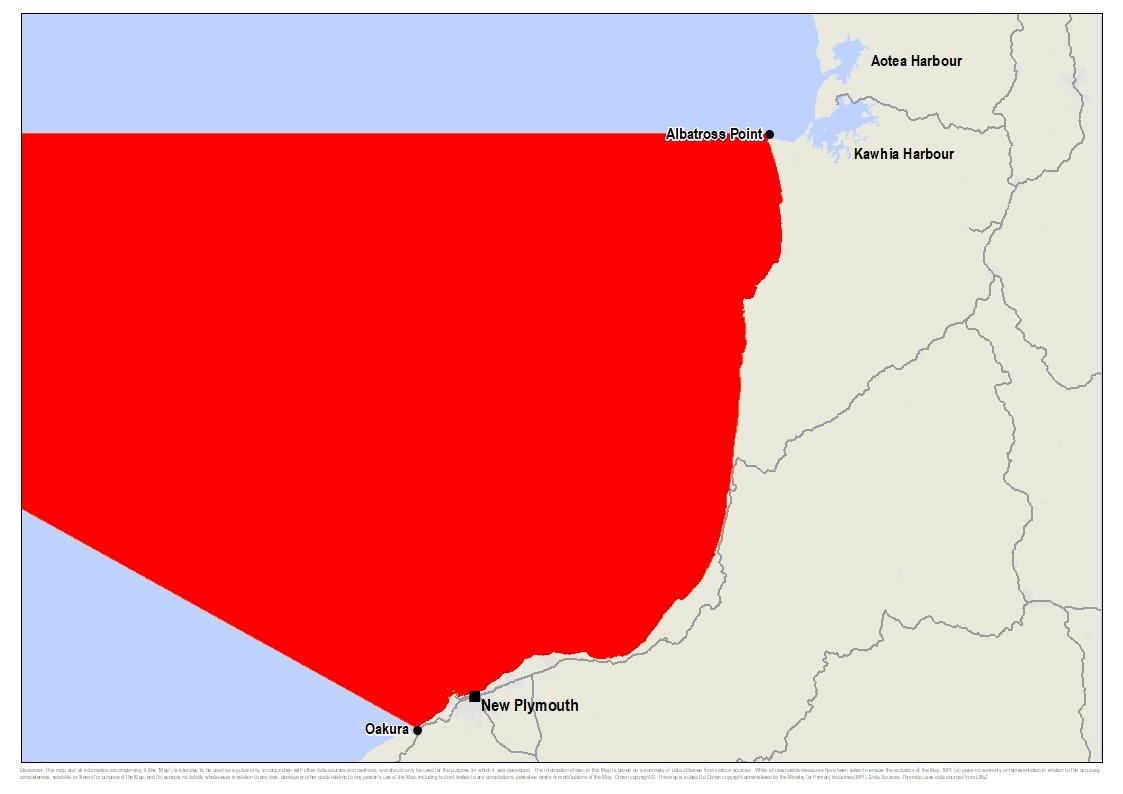
The Ministry for Primary Industries (MPI) today issued a public health warning advising the public not to collect or consume shellfish harvested on the West Coast (Taranaki/Waikato) of the North Island between Oakura north to Albatross Point south of Kawhia Harbour.

Routine tests on shellfish samples taken from this region have shown levels of Paralytic Shellfish Poisoning (PSP) toxins above the safe limit of 0.8 mg/kg set by MPI. Anyone eating shellfish from this area is potentially at risk of illness.

Map highlighting in red the areas affected.

Mussels, oysters, tuatua, pipi, toheroa, cockles, scallops, catseyes, kina (sea urchin) and all other bivalve shellfish should not be eaten.

Note: Cooking shellfish does not remove the toxin.

Pāua, crab and crayfish may still be eaten if the gut has been completely removed prior to cooking, as toxins accumulate in the gut. If the gut is not removed its contents could contaminate the meat during the cooking process.

Ireland – Recall of Prymat White Mustard Seeds due to Presence of Salmonella Typhimurium

FSAI

Summary
Category 1: For Action
Alert Notification: 2019.35
Product: Prymat Gorczyca Biała cała (white mustard seeds); pack size: 30 g
Batch Code: 1298133, ‘best-before’ date: 31/05/2022
Country Of Origin: Poland

Message:

Salmonella Typhimurium has been detected in the above batch of white mustard seeds. The implicated batch may cause illness if consumed raw.  The affected batch has been removed from sale and a point-of-sale recall notice must be displayed where the batch has been sold.


Nature Of Danger:

People infected with Salmonella typically develop symptoms between 12 and 36 hours after infection, but this can range between 6 and 72 hours.  The most common symptom is diarrhoea, which can sometimes be bloody.  Other symptoms may include fever, headache and abdominal cramps.  The illness usually lasts 4 to 7 days. Diarrhoea can occasionally be severe enough to require hospital admission. The elderly, infants, and those with impaired immune systems are more likely to have a severe illness.

Action Required:

Manufacturers, wholesalers, distributors, caterers & retailers:

Food businesses who have sold the implicated batch are requested to remove it from sale and clearly display a point of sale notice informing customers not to eat it.

Consumers:

Consumers are advised not to eat the implicated batch. Consumers who may have already consumed the affected batch and are feeling unwell should seek medical advice.
Mustard_seeds

UK – Listeria cases being investigated An investigation is underway into cases of listeria linked to sandwiches. Update Sixth person dead

Gov.uk

Latest update

The multi-agency team investigating cases of listeriosis linked to sandwiches and salads can confirm that, since the last update, there has been another death linked to this outbreak. The total number of deaths linked to this outbreak is 6.

The individual who sadly died was one of the 9 previously confirmed cases. The individual is considered to have acquired listeriosis from Good Food Chain products while at Western Sussex Hospitals NHS Foundation Trust.

Public Health England continues to test all samples of listeria on an ongoing basis to check if they are linked to this outbreak. To date, we have tested 34 samples and none are linked to the outbreak.

There have been no new cases of listeriosis linked to this outbreak. Our investigations continue and the public should be reassured that the risk continues to be low.

RASFF Alerts – Duck Carcases – Chicken Inner Fillet – Breaded Chicken Strips – Sesame Seeds – Black Pepper – Crocodile Burger – Chicken Breast Cordon Bleu – Chicken Legs

RASFF-Logo

RASFF – Salmonella (presence /25g) in ducks carcasses from the Czech Republic in Poland

RASFF – Salmonella enterica ser. Enteritidis (presence /25g) in frozen chicken inner fillet from Poland, via the United Kingdom in France

RASFF – Salmonella (presence /25g) in frozen breaded chicken strips from Poland in France

RASFF – Salmonella (in 2 out of 5 samples /25g) in black pepper from Brazil in the Netherlands

RASFF – Salmonella (presence /25g) in sesame seeds from Sudan in Greece

RASFF – Salmonella (presence /25g) in sesame seeds from Ethiopia in Greece

RASFF – Salmonella (presence /25g) in frozen crocodile burger from Belgium in Belgium

RASFF – Salmonella enterica ser. Infantis (in 5 out of 5 samples /25g) in frozen chicken breast cordon bleu from Germany in Finland

RASFF – Salmonella enterica ser. Derby (presence /25g) in chilled chicken legs from Poland in Lithuania

RASFF – Salmonella (presence /25g) in sesame seeds from Sudan in Poland

RASFF – Salmonella (presence /25g) in sesame seeds from Nigeria, via Singapore in the Netherlands

RASFF Alerts – Animal Feed – Salmonella – Rape Seed Meal – Soya Bean Meal – Fish Meal

RASFF-Logo

RASFF – Salmonella enterica ser. Münster (presence /25g) and Salmonella enterica ser. Tennessee (presence /25g) in rape seed meal from Russia in Finland

RASFF – Salmonella enterica ser. Tennessee (presence /25g) in rape seed meal from Germany in Finland

RASFF – Salmonella (presence /25g) in soya bean meal from Brazil in Poland

RASFF – Salmonella enterica ser. Kalina (in 3 out of 5 samples /25g) in fish meal from Mauritania in Greece

RASFF – Salmonella (presence /25g) in soybean meal from Brazil, via Italy, via Slovenia and via Austria in Croatia

Research – Listeria and Pregnancy

Food Poisoning Bulletin

Why are Pregnant Women So at Risk for Listeria Infections?

One theory is that in pregnancy, the immune system is suppressed so the body doesn’t reject the embryo and fetus. This reduction in immunity may be why these women are so susceptible to listeriosis and why the complications can be so severe. Researchers at Berkeley, however, discovered that Listeria monocytogenes bacteria use the immune system suppression to invade the placenta where they are protected from the mother’s immune system.

Once the bacteria are in the placenta, they can grow rapidly, then emerge to infect the maternal liver and spleen. One theory is that miscarriage occurs as a defense mechanism so the body is protected from the source of the bacteria’s growth. It is difficult for any bacteria to cross the placental barrier, but once they do, complications can be very serious. Scientists think that the bacteria can cross the endothelium of the maternal blood vessels, and get into the fetal circulatory system of the placental villi.

Food Poisoning Bulletin

Listeria May be Serious Miscarriage Threat in Early Pregnancy

New research conducted at the University of Wisconsin-Madison and published in the journal mBio has found that Listeria monocytogenes food poisoning can be a serious miscarriage threat in early pregnancy. Scientists at the university’s School of Veterinary Medicine studied how pathogens affect fetal development and change pregnancy outcomes.