Tag Archives: health

USA – Sprouts Farmers Market has Voluntarily Recalled Select Lots of Our Chicken Street Taco Kits Supplied by Fresh Creative Foods, Due to Possible Listeria Monocytogenes Contamination

FDA

Company Announcement

Following a recall initiated by Fresh Creative Foods, a division of Reser’s Fine Foods, Inc., Sprouts Farmers Market has voluntarily recalled select lots of our Chicken Street Taco kits supplied by Fresh Creative Foods on 10/11/2024, due to possible Listeria monocytogenes contamination.

The affected product lots of the following product:

  • Chicken Street Taco Meal Kit (UPC 205916813991; Best by Date 9/2/2024-11/7/2024)

No illnesses have been reported to date.

Listeria monocytogenes is an organism that can cause serious and sometimes fatal infections in young children, frail or elderly people and others with weakened immune systems. Although healthy individuals may suffer only short-term symptoms such as high fever, severe headache, stiffness, nausea, abdominal pain and diarrhea, Listeria infection can cause miscarriages and stillbirths among pregnant women. Anyone concerned about an injury or illness should contact a healthcare provider.

Customers who have purchased these items are urged not to consume these products and to dispose of them or return the items to their local store for a full refund. The FDA recommends in these cases that anyone who purchased or received any recalled products to use extra vigilance in cleaning and sanitizing any surfaces and containers that may have come in contact with these products to reduce the risk of cross-contamination. Listeria monocytogenes can survive in refrigerated temperatures and can easily spread to other foods and surfaces.

Customers with questions may contact Sprouts Customer Relations at sprouts.com/contactExternal Link Disclaimer.

Media Contact: media@sprouts.com

USA – TreeHouse Foods Announces Expansion of Voluntary Recall to Include All Waffle and Pancake Products Due to the Potential for Listeria monocytogenes Contamination

FDA

OAK BROOK, Ill., October 22, 2024 – TreeHouse Foods, Inc. (NYSE: THS) is expanding its voluntary recall to include all products manufactured at one facility and still within their shelf-life. The recall is expanded to include frozen toaster waffle, Belgian waffle and pancake products, due to the potential to be contaminated with Listeria monocytogenesListeria monocytogenes is an organism that can cause serious and sometimes fatal infections in young children, frail or elderly people, and others with weakened immune systems. Healthy individuals may suffer only short-term symptoms such as high fever, severe headache, stiffness, nausea, abdominal pain, and diarrhea. Listeria monocytogenes infection can cause miscarriages and stillbirths among pregnant women.

Recalled products were distributed throughout all states and provinces within the United States and Canada and packed in various formats under the brand names listed below. Consumers and retailers can identify the UPC on the back of the carton, and the Lot Code and Best By Date for these products (ranging from 12 to 18 months, depending on the product) on the end of the carton. Photos of the affected products can also be found on this siteExternal Link Disclaimer.

The products in the link above, which are sold through most retail stores, including but not limited to Albertson’s, Aldi, Dollar General, Foodhold, HEB, Kroger, Publix, Target and Walmart, are included in this recall with Best By or Best if Used by Dates as indicated in the below table. All Lot Codes in scope of this recall will begin with 2C.

This recall was expanded based on additional testing at the manufacturing facility.

There have been no confirmed reports of illness linked to the recalled products to date. Anyone concerned about an illness should contact a healthcare provider.

Consumers should check their freezers for any of the products listed below and dispose of them or return the recalled product to the place of purchase for credit. Consumers with questions may contact TreeHouse Foods at 1-800-596-2903, Monday – Friday, 8:00 a.m. – 4:30 p.m. (CST).

This recall is being carried out with the knowledge of the U.S. Food and Drug Administration (U.S. FDA) and Canadian Food Inspection Agency (CFIA).

Original Recall

Catalonia – Possible presence of salmonella in pasteurized liquid whole egg

ACSA

whole liquid alert egg

The possible presence of salmonella in liquid pasteurized whole eggs of the OVOPACK brand from Spain with an expiry date of 10/28/2024 is reported.

The data of the product involved are:

  • Product name:  Huevo entero líquido pasteurized
  • Brand:  OVOPACK
  • Product appearance: Bric
  • Lot number:  L11142
  • Expiry date: 28/10/2024
  • Unit weight:  1 Kg
  • Temperature:  Refrigerated

According to the information available, the products have been distributed in the autonomous communities of  Catalonia , Andalusia and Extremadura, although it cannot be ruled out that there may be redistribution to other autonomous communities.

In relation to the information received by the health authorities of Andalusia , the Spanish Food Safety and Nutrition Agency has communicated this information to the competent authorities of the autonomous communities, through the  European Food Alert Network .

The withdrawal of the affected product from the marketing channels is being monitored by the competent authorities.

As a precautionary measure,  people who may have the above-mentioned product in their homes are advised to refrain from consuming it.

If you have consumed any of the products from the affected batch and have symptoms compatible with salmonella, it is recommended to go to a health center. 

USA – Outbreak Investigation of E. coli O157:H7: McDonald’s Quarter Pounders (October 2024)

FDA

Outbreak Investigation of E. coli O157:H7: McDonald’s Quarter Pounders (October 2024)

Product

A specific ingredient has not yet been confirmed as the source of the outbreak, but most sick people report eating McDonald’s Quarter Pounder burgers. Investigators are working to determine if the slivered onions or beef patties on Quarter Pounder burgers are the likely source of contamination. McDonald’s has temporarily stopped using Quarter Pounder slivered onions and beef patties in affected states. Diced onions and other types of beef patties used at McDonald’s have not been implicated in this outbreak.

Symptoms of E. coli

Symptoms begin anywhere from a few days after consuming contaminated food or up to nine days later. Symptoms include severe stomach cramps, diarrhea, fever, nausea, and/or vomiting. Some infections can cause severe bloody diarrhea and lead to life-threatening conditions, such as a type of kidney failure called hemolytic uremic syndrome (HUS), or the development of high blood pressure, chronic kidney disease, and neurologic problems.

Stores Affected

McDonald’s stores in Colorado, Kansas, Utah, Wyoming, and portions of Idaho, Iowa, Missouri, Montana, Nebraska, Nevada, New Mexico, and Oklahoma have temporarily stopped using Quarter Pounder slivered onions and beef patties.

Status

Ongoing; updates will be provided as they become available.

Recommendation

  • Consumers who have already eaten at McDonald’s and have symptoms of E. coli infection should contact their health care provider to report their symptoms and receive care immediately.
  • McDonald’s stores in affected states have temporarily stopped using Quarter Pounder slivered onions and beef patties. Diced onions and other types of beef patties used at McDonald’s have not been implicated in this outbreak.

Current Update

October 22, 2024

The FDA, U.S. Department of Agriculture (USDA) Food Safety and Inspection Service (FSIS), and Centers for Disease Control and Prevention (CDC), in collaboration with state and local partners, are investigating illnesses in a multistate outbreak of E. coli O157:H7 infections. A specific ingredient has not yet been confirmed as the source of the outbreak, but most sick people report eating McDonald’s Quarter Pounder burger varieties.

Investigators are working to determine if the slivered onions or beef patties on Quarter Pounder burgers are the likely source of this outbreak.

Preliminary traceback and distribution information reviewed by FDA shows that slivered onions served on Quarter Pounders are a likely source of contamination. FDA is working quickly to confirm that these onions are a source of this outbreak and to determine if these onions were served or sold at other businesses. McDonald’s has temporarily stopped using this type of onion in these states. Diced onions used at McDonald’s are not implicated in this outbreak.

FSIS is conducting traceback on hamburger patties served at McDonald’s in affected states to determine if ground beef is a source of illness. McDonald’s has also temporarily stopped selling Quarter Pounder beef patties in affected states, while the investigation is ongoing to determine the source of the outbreak.

This advisory will be updated as additional information becomes available.

Denmark – Mold/Mould in dried beans

Foedevarestyrelsen

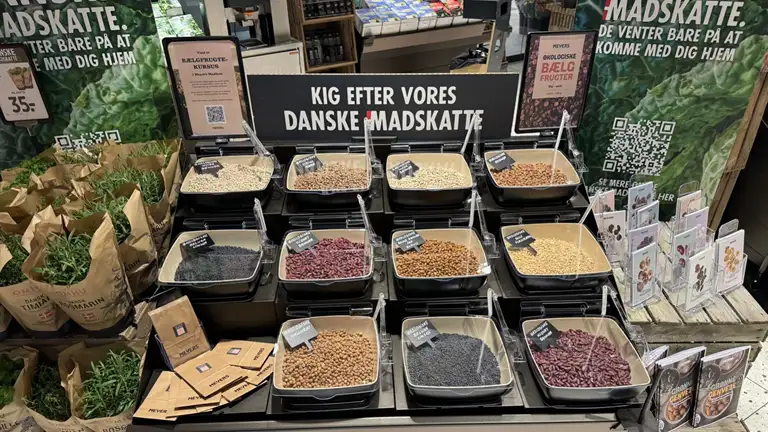
Meyers Food is recalling three types of dried beans sold in bulk because of the risk of mold. Mold on the beans makes them unsuitable as food.

If you have the products, you should discard them or return them to the store where they were purchased.

Image of beans in bulk in legume stall

Which food is recalled

Brown beans in bulk

Kidney beans in bulk

Black beans in bulk

The beans are sold in bulk in shops during the period: 16 September – 18 October 2024.

Where is the product sold

The products are sold in: In leguminous stalls for takeaways in Meny stores in several places in the country

Why is the product being recalled?

Foods go moldy because they are attacked by molds.

The content of molds makes the product unsuitable as food.

Read more about mold in food by clicking on the link here

Read more about mold and spoilage bacteria by clicking on the link here

What should you do as a consumer?

If you have the beans, you should discard them or return them to the store where they were purchased. 

Who recalls the product

Meyer’s Food

Dampfærgevej 10

2100 Copenhagen Ø

Research – Evaluating Chlorine Sanitization at Practical Concentrations for Controlling Listeria monocytogenes and Salmonella on Fresh Peaches

MDPI

Abstract

Recent foodborne outbreaks and recalls involving Listeria monocytogenes and Salmonella-contaminated peaches have caused significant economic losses to the peach industry. This study evaluated the effectiveness of chlorine, a commonly used sanitizer in the fresh produce industry, against L. monocytogenes and Salmonella and its ability to control cross-contamination in fresh peaches. Peaches inoculated with L. monocytogenes or Salmonella (~6 log10 CFU/peach) were treated with 50–150 mg/L of free chlorine (FC, pH6.8) 24 h post-inoculation. The results revealed that chlorine had similar efficacy against L. monocytogenes and Salmonella on peaches (p > 0.05). A 30 s treatment at 50, 100, and 150 mg/L FC resulted in dose-dependent reductions (p < 0.05), achieving reductions of 0.88–0.92, 1.54–1.61, and 1.73–1.79 log10 CFU/peach, respectively. Extending the contact time to 2 min slightly but significantly enhanced the chlorine efficacy (p < 0.05). Additionally, a 30 s to 2 min exposure to chlorine with 50–150 mg/L FC resulted in a 1.05–1.43 log10 CFU/peach reduction in yeasts and molds. Tap water exposure led to substantial cross-contamination between inoculated and uninoculated fruits and processed water, with Salmonella exhibiting higher transfer rates than L. monocytogenes. The application of chlorine mitigated the cross-contamination of both pathogens but did not entirely prevent it. These findings offer valuable insights for the peach and other stone fruit industries to verify process controls.

USA – Outbreak Investigation of Salmonella: Eggs (Sept 2024)

FDA

Outbreak over. FDA investigation complete.

Current Update

October 17, 2024

The FDA and CDC assisted state and local partners from the Wisconsin Department of Agriculture Trade and Consumer Protection and Wisconsin Department of Health Services in an investigation of Salmonella Enteritidis infections linked to eggs supplied by Milo’s Poultry Farms, LLC of Bonduel, Wisconsin (WI).

As of October 17, 2024, CDC has declared the outbreak over.

In response to this investigation, Milo’s Poultry Farm, LLC voluntarily recalled all eggs supplied by their farm. Recalled eggs were distributed to retailers and foodservice distributors in Wisconsin, Illinois, and Michigan. The recall includes:

  • All carton sizes, expiration dates, and egg types labeled with “Milo’s Poultry Farms”
  • All carton sizes and expiration dates of “Tony’s Fresh Market” brand eggs
  • All carton sizes of duck eggs branded as “Happy Quackers Farm”
  • All cases and expiration dates of all eggs for retail foodservice distribution (this includes M&E branded eggs)

At this time, all recalled eggs should be off the market and beyond shelf life. FDA’s investigation is complete.

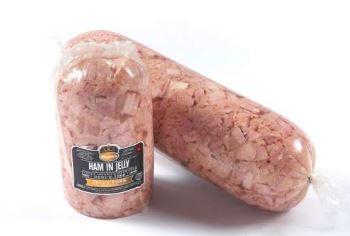
Canada – Wagener’s brand Ham in Jelly (Jelly Pork) recalled due to Listeria monocytogenes

Gov Canada

Product
Ham in Jelly (Jelly Pork)
Issue
Food – Microbial contamination – Listeria
What to do

Do not consume, use, sell, serve or distribute recalled products

Distribution
Ontario

Affected products

The recalled products may have been sold by various retailers, either clerk-served, sliced, chunked or in smaller packages, with or without a label that may not bear the same brand, product name or best before date. Consumers who are unsure if they have purchased the recalled product are advised to contact their retailer.

The affected product is being recalled from the marketplace due to possible Listeria monocytogenes contamination.

What you should do

  • If you think you became sick from consuming a recalled product, contact your healthcare provider
  • Check to see if you have recalled products
  • Do not consume, serve, use, sell, or distribute recalled products
  • Recalled products should be thrown out or returned to the location where they were purchased

Food contaminated with Listeria monocytogenes may not look or smell spoiled but can still make you sick. Symptoms can include vomiting, nausea, persistent fever, muscle aches, severe headache and neck stiffness. Pregnant women, the elderly and people with weakened immune systems are particularly at risk. Although infected pregnant women may experience only mild, flu-like symptoms, the infection can lead to premature delivery, infection of the newborn or even stillbirth. In severe cases of illness, people may die.

Recall Notice

New Zealand – Eight fast facts about toxic shellfish poisoning

MPI

With warmer weather on the way, Kiwis all over the motu will be heading to the beach to enjoy the sea’s bounty. But before you go gathering shellfish, New Zealand Food Safety deputy director-general Vincent Arbuckle has some fast facts to share about toxic shellfish poisoning and how to keep yourself, your whanau and friends safe.

1. New Zealand hasn’t had a toxic shellfish poisoning outbreak for a decade

Toxic shellfish poisoning can cause serious illness and can even be fatal. Fortunately, we haven’t had an outbreak of toxic shellfish poisoning since 2014, when 13 people fell ill.

New Zealand Food Safety works hard to keep it that way by monitoring key recreational shellfish harvesting areas around the country for biotoxins.

2. New Zealand Food Safety regularly tests water and shellfish for biotoxins to keep the public safe

New Zealand Food Safety has more than 40 monitoring sites, with water tested weekly for toxic algae and shellfish tested fortnightly for biotoxins. The commercial shellfish industry also provides their own biotoxin monitoring data from more than 30 sites, giving us even greater coverage.

If shellfish are found to contain biotoxins at unsafe levels, we issue public health warnings and post signs at affected beaches. In 2023 we issued 17 biotoxin alerts.

3. Cooking does not destroy biotoxins

It’s important to know that cooking will not make toxic shellfish safe to eat, because cooking doesn’t destroy biotoxins.

If anyone becomes ill after eating shellfish from an area where a public health warning has been issued, phone healthline for advice on 0800 61 11 16, or seek medical attention immediately. We advise that you also contact your nearest public health unit and keep any leftover shellfish for testing.

4. Shellfish become poisonous by feeding on toxic algae

Shellfish with 2 shells (bivalve shellfish) can each filter more than 200 litres of water a day. They do this to filter out microscopic algae (called phytoplankton) and other particles as a food source. If these algae are toxic, the biotoxins can build up in the shellfish, making them poisonous. Generally, the more toxic algae there are in the water, the more toxic the shellfish get.

5. Bivalve shellfish are the most affected by biotoxins

Shellfish affected by biotoxins usually include bivalves like mussels, oysters, tuatua, pipi, toheroa, cockles and scallops. But pūpū (cat’s eyes) and Cook’s turban and can also have elevated levels of some biotoxins.

Generally, you can still eat pāua, crab and crayfish, but only if you remove the gut before cooking, as biotoxins accumulate in the gut. Finfish are not affected by biotoxins from algal blooms, but we advise discarding the liver before cooking. 

6. Not all species of phytoplankton are toxic

Phytoplankton are photosynthetic microscopic algae, meaning that, just like plants, they use the sunshine to grow. And, like plants, they also need nutrients (which they get from the water) to grow.

If conditions are right, phytoplankton can multiply to high numbers and form algal blooms. Most species of phytoplankton are harmless, but some can naturally produce highly toxic chemicals we call marine biotoxins.

7. Algal blooms occur naturally under particular conditions

Algal blooms usually occur naturally when wind and water currents are favourable for their growth. Causes can include slow water circulation or unusually high water temperatures. Some blooms have happened after extreme weather events like cyclones, floods, or drought.

New Zealand Food Safety does extra monitoring during a toxic algal bloom to track its spread and see how it is affecting different kinds of shellfish.

8. There are 4 main types of toxic shellfish poisoning in New Zealand

Paralytic shellfish poisoning (PSP) is potentially the most serious of the 4 main types of toxic shellfish poisoning found in NZ.

PSP symptoms usually appear within 10 minutes to 3 hours of eating and may include:

  • numbness and tingling around the mouth, face, hands, and feet
  • difficulty swallowing or breathing
  • dizziness and headache
  • nausea and vomiting
  • diarrhoea
  • paralysis and respiratory failure
  • and, in severe cases, death.

If you suspect someone has PSP poisoning after eating shellfish from an area where we have issued a public health warning, seek medical attention immediately.

Belgium – Different cheeses from Fromagerie Sainte Godeleine in France – Listeria monocytogenes

AFSCA

Sainte Godeleine Cheese Factory

10/14/2024 (Update of the recall of 10/10/2024)

Following a notification via the RASFF system (European Rapid Alert System for Food and Feed), the AFSCA is withdrawing from sale various cheeses from “Fromagerie Sainte Godeleine en France” and recalling them from consumers due to the possible presence of Listeria Monocytogenes.

The AFSCA asks that you do not consume these products and return them to the point of sale where they were purchased.

Product Description:

Picture
FRUITE DU CAP GRIS NOSE 230G
  • Product name: FRUITE DU CAP GRIS NEZ 230G
  • Expiry dates (DDM): between 07/10/2024 and 02/11/2024
  • Manufacturer identification number: FR-62-889-001-CE

Picture
WISSANT SAND 400G
  • Product name: SABLE DE WISSANT 400G
  • Expiry date (BDD): between 07/10/2024 and 02/11/2024
  • Manufacturer identification number: FR-62-889-001-CE

Picture
THE HOT BOX 230G
  • Product Name: HOT BOX 230G
  • Expiration date (DDM): 10/22/2024
  • Manufacturer identification number: FR-62-889-001-CE

Picture
AUDRESSELLES FLOWER 400G
  • Product name: FLEUR D’AUDRESSELLES 400G
  • Expiry dates (DDM): between 07/10/2024 and 02/11/2024
  • Manufacturer identification number: FR-62-889-001-CE

Picture
FORT D'AMBLETEUSE 400G
  • Product name: FORT D’AMBLETEUSE 400G
  • Expiry date (BDD): between 07/10/2024 and 02/11/2024
  • Manufacturer identification number: FR-62-889-001-CE

Picture
The Blerliot 230g
  • Product name: Le Blerliot 230g
  • Expiry dates (BDD): 12/10/2024 & 02/11/2024

Picture
Petit Touquet 200g
  • Product name: Petit Touquet 200g
  • Expiration date (DDM): 10/17/2024

Picture
SMALL CALAIS PAVE 200 GR
  • Product name: SMALL PAVE DE CALAIS 200 GR
  • Expiry date (BDD): between 07/10/2024 and 02/11/2024
  • Manufacturer identification number: FR-62-889-001-CE

The products were sold through various outlets.

For any further information , you can contact the AFSCA contact point for consumers: 0800/13.550 or  pointdecontact@afsca.be.