Archives
-
Join 346 other subscribers
KSWFoodWorld
Blog Stats
- 483,606 Views
Research – Recent Trends and Applications of Nanoencapsulated Bacteriocins against Microbes in Food Quality and Safety
Bacteriocins are ribosomal-synthesized peptides or proteins produced by bacterial strains and can inhibit pathogenic bacteria. Numerous factors influence the potential activity of bacteriocins in food matrices. For example, food additives usage, chemical composition, physical conditions of food, and sensitivity of proteolytic enzymes can constrain the application of bacteriocins as beneficial food preservatives. However, novel bacteriocin nanoencapsulation has appeared as an encouraging solution. In this review, we highlight the bacteriocins produced by Gram-negative bacteria and Gram-positive bacteria including lactic acid bacteria that have shown positive results as potential food preservatives. In addition, this review encompasses the major focus on bacteriocins encapsulation with nanotechnology to enhance the antimicrobial action of bacteriocins. Several strategies can be employed to encapsulate bacteriocins; however, the nanotechnological approach is one of the most effective strategies for avoiding limitations. Nanoparticles such as liposomes, chitosan, protein, and polysaccharides have been discussed to show their importance in the nanoencapsulation method. The nanoparticles are combined with bacteriocins to develop the nano-encapsulated bacteriocins from Gram-negative and Gram-positive bacteria including LAB. In food systems, nanoencapsulation enhances the stability and antimicrobial functionality of active peptides. This nanotechnological application provides a formulation of a broad range of antimicrobial peptides at the industry-scale level. Nano-formulated bacteriocins have been discussed along with examples to show a broader antimicrobial spectrum, increase bacteriocins’ applicability, extend antimicrobial spectrum and enhance stability.
Posted in Antimicrobials, Bacteriocin, Decontamination Microbial, Food Micro Blog, Food Microbiology, Food Microbiology Blog, Food Microbiology Research, Food Microbiology Testing, Food Pathogen, Gram Negative Bacteria, Gram Positive, LAB, lactic acid bacteria, Lactobacillus, microbial contamination, Microbial growth, Microbiological Risk Assessment, Microbiology, Microbiology Investigations, Microbiology Risk, Pathogen, pathogenic
Austrian firm in financial difficulty following a deadly Listeria outbreak
A company in Austria that was linked to a deadly Listeria outbreak earlier this year is in financial trouble.
AKV, an association to protect creditor rights recognized by Austrian authorities, deals with insolvency cases in courts.
It reported that Käserei Gloggnitz can no longer meet its payment obligations. Insolvency proceedings have been opened by the regional court in Wiener Neustadt. A hearing is planned for early February 2023.
The reasons for the insolvency position are unknown, according to AKV. So the impact of the Listeria monocytogenes incident on the company is unclear.
As part of the proceedings, it will have to be checked whether the dairy producer will be continued and restructured or if existing assets will be inventoried and valued.
Posted in Antimicrobials, Decontamination Microbial, food bourne outbreak, Food Illness, Food Micro Blog, Food Microbiology, Food Microbiology Blog, Food Microbiology Research, Food Microbiology Testing, Foodborne Illness, foodborne outbreak, foodbourne outbreak, Illness, Listeria, Listeria monocytogenes, microbial contamination, Microbial growth, Microbiological Risk Assessment, Microbiology, Microbiology Investigations, Microbiology Risk, outbreak
Research – The Use of Natural Methods to Control Foodborne Biofilms
Abstract
Biofilms are large aggregates of various species of bacteria or other microorganisms tightly attached to surfaces through an intricate extracellular matrix. These complex microbial communities present quite the challenge in the food processing industry, as conditions such as raw meats and diverse food product content in contact with workers, drains, machinery, and ventilation systems, make for prime circumstances for contamination. Adding to the challenge is the highly resistant nature of these biofilm growths and the need to keep in mind that any antimicrobials utilized in these situations risk health implications with human consumption of the products that are being processed in these locations. For that reason, the ideal means of sanitizing areas of foodborne biofilms would be natural means. Herein, we review a series of innovative natural methods of targeting foodborne biofilms, including bacteriocins, bacteriophages, fungi, phytochemicals, plant extracts, essential oils, gaseous and aqueous control, photocatalysis, enzymatic treatments, and ultrasound mechanisms.
Research – Study Confirms that Raw Milk Is Linked to Foodborne Illness
A new study has confirmed that raw milk is linked to foodborne illness. During the time period of 2013 to 2018, 75 outbreaks that caused 675 illnesses were linked to unpasteurized milk. Of these illnesses, almost half were among children and teenagers aged o to 19 years. Given that the consumption of raw milk is low in this country, with only about 1 to 2% of the adult population buying it, these numbers are shocking. The study points out that almost 80% of those outbreaks occurred in states where the sale of raw milk is allowed.
Posted in Decontamination Microbial, Food Illness, Food Micro Blog, Food Microbiology, Food Microbiology Blog, Food Microbiology Research, Food Microbiology Testing, Foodborne Illness, Illness, microbial contamination, Microbial growth, Microbiological Risk Assessment, Microbiology, Microbiology Investigations, Microbiology Risk, Raw Milk
Sweden reports dozens of Shigella infections linked to travel to Cape Verde
Folkhalsomyndigheten, or Sweden’s Public Health Agency reports 30 cases of shigella infection with a travel connection to Cape Verde have been reported in Sweden since mid-November.
Among Swedish travelers, infections with other intestinal pathogens, for example EHEC, Campylobacter, Cryptosporidium and Giardia, have also been noted. Infection with Shigella in connection with trips to Cape Verde has been a recurring problem. This and the presence of various Shigella species and other intestinal pathogens suggest contamination via food.
Shigella bacteria are found in stool, and infection is spread by eating food or drinking liquids contaminated by an infected person, or when a person touches a contaminated surface or object and then touches their mouth or puts the object into their mouth. People infected with shigellosis typically experience a fever, abdominal cramps and diarrhea which may be bloody.
Onset of shigellosis symptoms usually occurs one to two days after exposure—but may take longer—and lasts around a week. Infected people can remain contagious up to six weeks after symptoms resolve.
Most people with shigellosis recover completely without severe complications. In rare cases Shigella may cause bloodstream infections, seizures, kidney failure or arthritis.
Posted in Decontamination Microbial, Food Micro Blog, Food Microbiology, Food Microbiology Blog, Food Microbiology Research, Food Microbiology Testing, microbial contamination, Microbial growth, Microbiological Risk Assessment, Microbiology, Microbiology Investigations, Microbiology Risk, Shigella, Shigella flexneri, Shigella Sonnei
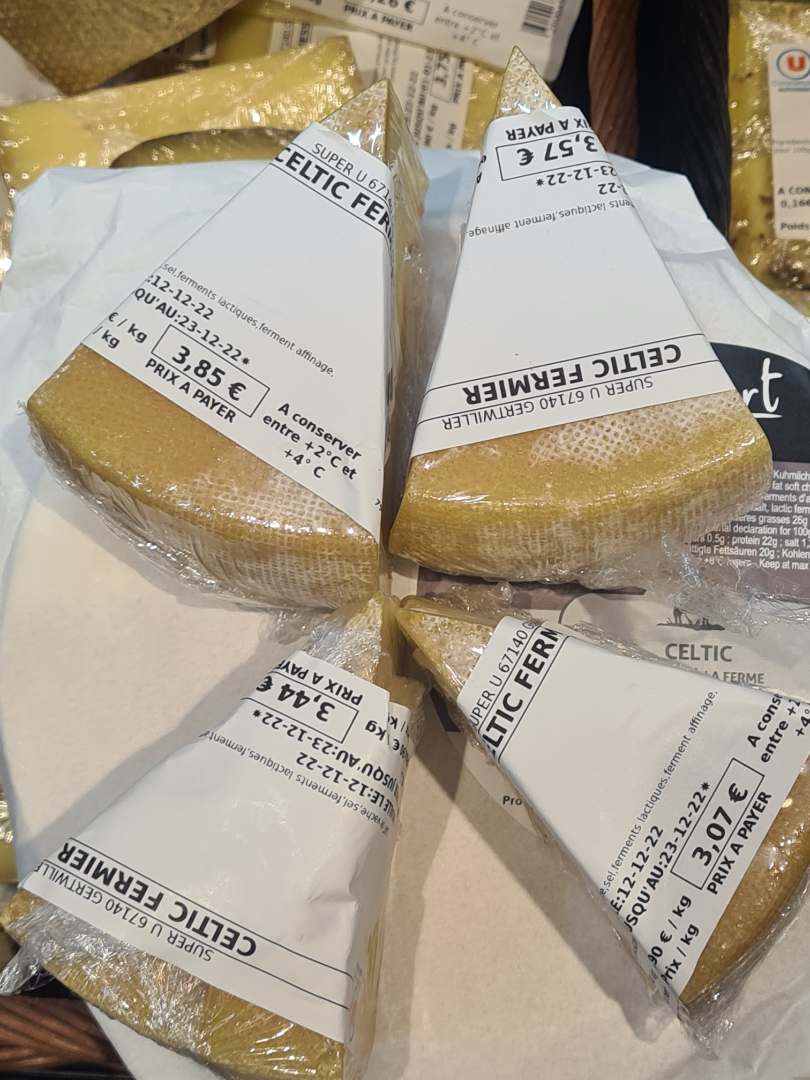
France – RAW MILK FARM CELTIC – Salmonella

Identification information of the recalled product
- Product category Food
- Product subcategory Milk and dairy products
- Product brand name HENNART
- Model names or references RAW MILK FARM CELTIC
- Identification of products
GTIN Lot Date 2606427000000 243101 Use-by date 14/12/2022 - Packaging WHEEL CUTTING APPROXIMATELY 200GR
- Marketing start/end date From 06/12/2022 to 14/12/2022
- Storage temperature Product to be stored in the refrigerator
- Geographic area of sale Departments: BAS-RHIN (67)
- Distributors SUPER U GERTWILLER
- List of points of saleLIST.pdf
Practical information regarding the recall
- Reason for recall PRESENCE OF SALMONELLA
- Risks incurred by the consumer Salmonella spp (causative agent of salmonellosis)
Posted in food contamination, food handler, Food Hazard, Food Hygiene, Food Inspections, Food Micro Blog, Food Microbiology, Food Microbiology Blog, Food Microbiology Testing, Food Pathogen, food recall, Food Safety, Food Safety Alert, Food Safety Management, Food Safety Regulations, Food Testing, Raw Milk, raw milk cheese, Salmonella
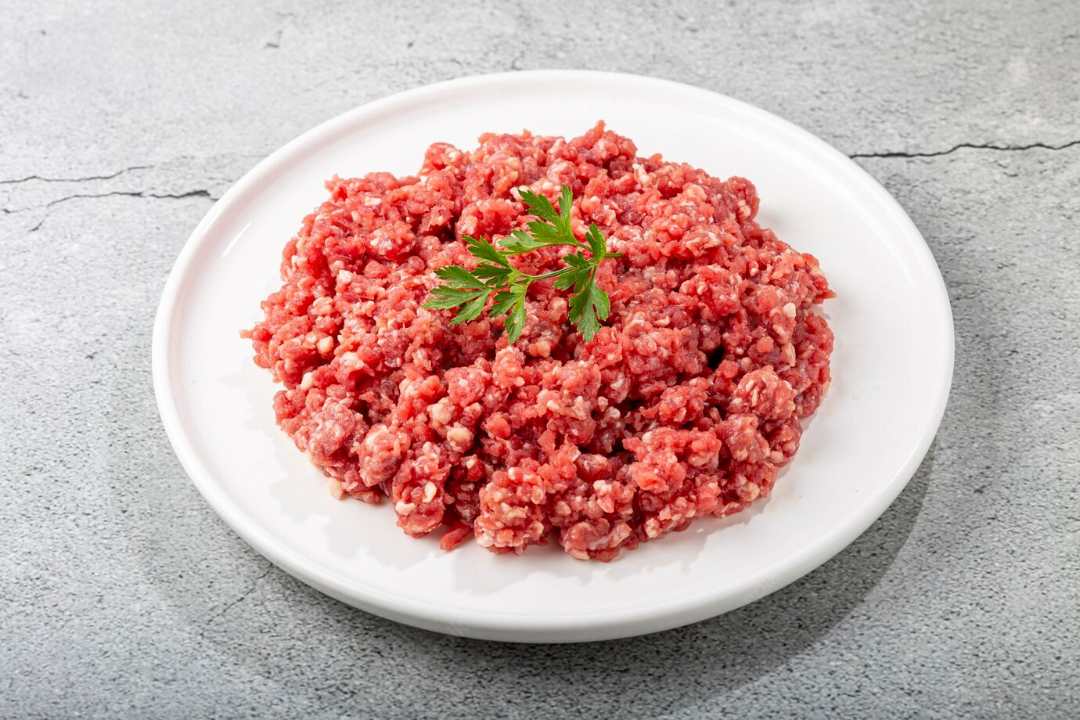
France – Minced meat for moussaka – Salmonella

Identification information of the recalled product
- Product category Food
- Product subcategory Meats
- Product brand name SANS
- Model names or references SANS
- Identification of products
Lot Sold at the traditional butcher’s department - Packaging Sold at the traditional butcher’s department
- Marketing start/end date From 22/11/2022 to 26/11/2022
- Storage temperature Product to be stored in the refrigerator
- Geographic area of sale Labarthe sur lèze
- Distributors Intermarché Labarthe sur lèze
Practical information regarding the recall
- Reason for recall Salmonella detected
- Risks incurred by the consumer Salmonella spp (causative agent of salmonellosis)
Posted in food contamination, food handler, Food Hazard, Food Hygiene, Food Inspections, Food Micro Blog, Food Microbiology, Food Microbiology Blog, Food Microbiology Testing, Food Pathogen, food recall, Food Safety, Food Safety Alert, Food Safety Management, Food Safety Regulations, Food Testing, Salmonella
Belgium – American fillet of beef from the Fiers brand -Listeria monocytogenes
Recall of Fiers J&B NV
Product: American fillet of beef from the Fiers brand.
Problem: Possible presence of Listeria monocytogenes.
In agreement with the FASFC, FIERS J&B NV withdraws the American fillet of beef from the Fiers brand from sale and recalls it from consumers following the possible presence of Listeria monocytogenes.
PROUD J&B NV asks its customers not to consume this product and to bring it back to the point of sale where it was purchased where they will be reimbursed.
Description of the product
– Product name: American fillet of beef
– Brand: Fiers
– Use-by dates (BBD) (“Use by”): 25/12/22 – 26/12/22 – 27/12/ 22
– Batch numbers: 62692-62758-62672-62575-62574-62757-62825-62854-62901-62893
– Sales period: from 20/12/22 to 22/12/22 inclusive
– Nature of packaging : black plastic dish
– Weight: variable

The product was distributed by various outlets including:
– GB NIEUWPOORT – ALBERT I LAAN 213, 8620 NIEUWPOORT
– GB DENDERMONDE OUDEGEM – OUBURG 42, 9200 DENDERMONDE
– KELTRA – PINTESTRAAT 8, 9840 DEPINTE
– GB LIEDEKERKE – KORENBLOEMLAAN 2, 1770 LIEDEKERKE
– GB ZWIJNAARDE NV – ZWIJNAARDSESTEENWEG 736, 9052 ZWIJNAARDE
– GB MAENHOUTSTRAAT – MAENHOUTSTRAAT 10, 9830 SINT-MARTENS-LATEM
For any additional information , contact Mrs Vandenheede; kwaliteit@fiers.net
Posted in food contamination, food handler, Food Hazard, Food Hygiene, Food Inspections, Food Micro Blog, Food Microbiology, Food Microbiology Blog, Food Microbiology Research, Food Microbiology Testing, Food Pathogen, food recall, Food Safety, Food Safety Alert, Food Safety Management, Food Safety Regulations, Food Testing, Listeria, Listeria monocytogenes
USA – Salmonella Sprout Outbreak brewing in Nebraska
The Nebraska Department of Health and Human Services (DHHS), in collaboration with the Nebraska Department of Agriculture, Douglas County Health Department, Sarpy/Cass Health Department, and Three Rivers Public Health Department, is investigating a cluster of gastrointestinal illnesses caused by the bacteria Salmonella Typhimurium.
As of December 23, 2022, 12 individuals reported consuming alfalfa sprouts between December 4–15, either at local restaurants or in their homes after purchasing from local grocery stores. DHHS recommends the public avoid eating alfalfa sprouts while the investigation continues. More information will be shared as details become available.
If you have been sick with diarrhea after eating alfalfa sprouts, please contact your local health department immediately (https://dhhs.ne.gov/Pages/local-health-departments.aspx), and call your doctor if you need medical attention.
Posted in food bourne outbreak, food contamination, food handler, Food Hazard, Food Hygiene, Food Illness, Food Inspections, Food Micro Blog, Food Microbiology, Food Microbiology Blog, Food Microbiology Testing, Food Pathogen, food recall, Food Safety, Food Safety Alert, Food Safety Management, Food Testing, Foodborne Illness, foodborne outbreak, foodbourne outbreak, Illness, outbreak, Salmonella
Canada – Update – Igor brand Gorgonzola mild ripened blue-veined cheese recalled due to Listeria monocytogenes
Summary
Product
Gorgonzola mild ripened blue-veined cheese
Issue
Food – Microbial Contamination – Listeria
What to do
Do not consume, use, sell, serve, or distribute recalled products
Affected products
Issue
The affected product is being recalled from the marketplace due to possible Listeria monocytogenes contamination.
The recalled product has been sold in British Columbia and may have been distributed in other provinces and territories.
Posted in CFIA, food contamination, food handler, Food Hazard, Food Hygiene, Food Inspections, Food Micro Blog, Food Microbiology, Food Microbiology Blog, Food Microbiology Testing, Food Pathogen, food recall, Food Safety, Food Safety Alert, Food Safety Management, Food Safety Regulations, Food Testing, Listeria, Listeria monocytogenes