Research – Food scientists develop framework to improve food quality and still kill pathogens

Phys Org

Food processors often use heat for pasteurization or sterilization to make food products safe by killing pathogens like salmonella and listeria, but high temperatures can degrade food quality. To ensure food safety, the industry sometimes relies on overly stringent standards that unnecessarily reduce , said Jennifer Acuff, assistant professor of food microbiology and safety for the Arkansas Agricultural Experiment Station, the research arm of the University of Arkansas System Division of Agriculture.

Focusing on low-moisture food products like powdered milk, Acuff and her team performed a study seeking a method that guarantees food safety while retaining the most vitamins, minerals and flavor depending on the food.

“This  encompassed microbiology, engineering, and statistics to provide the food industry with what we believe will be a tool to improve safety without compromising quality of their dried ,” Acuff said.

The process is not limited to low-moisture foods and may extend to other foods and processes, Acuff added.

Using data from a study on a harmless “surrogate” microorganism and a  called “bootstrapping,” the researchers developed a framework to provide food processors options within U.S. Food and Drug Administration guidelines.

Research – Concentration of foodborne viruses eluted from fresh and frozen produce: Applicability of ultrafiltration

Science Direct

Abstract

Foodborne illnesses involving raw and minimally processed foods are often caused by human noroviruses (HuNoV) and hepatitis A virus (HAV). Since food is contaminated usually with small numbers of virions, these must be eluted from the food surface and then concentrated for detection. The objective of this study was to optimize an ultrafiltration (UF) concentration method for HAV and HuNoVs present on various fresh and frozen produce. The detection range of the optimized method and its applicability to different food matrices was compared to the reference method ISO 15216-1:2017. Strawberry, raspberry, blackberry, lettuce, and green onion (25 g) were contaminated with HAV, HuNoV GI.7 and HuNoV GII.4 and then recovered therefrom by elution. A commercial benchtop UF device was used for the concentration step. Viral RNA was extracted and detected by RT-qPCR. From fresh strawberries, recovery of HAV loaded at 104 genome copies per sample was 30 ± 13 %, elution time had no significant impact, and UF membrane with an 80–100 kDa cut-off in combination with Tris-glycine elution buffer at pH 9.5 was found optimal. At lower copy numbers on fresh strawberry, at least 1 log lower numbers of HuNoV were detectable by the UF method (103 vs 104 GII.4 copies/sample and 101 vs 103 GI.7 copies/sample), while HAV was detected at 101 genome copies/sample by both methods. Except on raspberry, the UF method was usually equivalent to the ISO method regardless of the virus tested. The UF method makes rapid viral concentration possible, while supporting the filtration of large volume of sample. With fewer steps and shorter analysis time than the ISO method, this method could be suitable for routine analysis of viruses throughout the food production and surveillance chain.

Research – Biocontrol of multidrug resistant pathogens isolated from fish farms using silver nanoparticles combined with hydrogen peroxide insight to its modulatory effect

Nature

This study was divided into two parts. The first part involved the isolation, and detection of the prevalence and antimicrobial resistance profile of Aeromonas hydrophila, Pseudomonas aeruginosa, and Vibrio species from Nile tilapia fish and marine aquatic water. One hundred freshly dead Nile tilapia fish were collected from freshwater aquaculture fish farms located in Al-Abbassah district, Sharkia Governorate, and 100 samples of marine aquatic water were collected from fish farms in Port Said. The second part of the study focused on determining the in vitro inhibitory effect of dual-combination of AgNPs-H2O2 on bacterial growth and its down regulatory effect on crucial virulence factors using RT-PCR. The highest levels of A. hydrophila and P. aeruginosa were detected in 43%, and 34% of Nile tilapia fish samples, respectively. Meanwhile, the highest level of Vibrio species was found in 37% of marine water samples. Additionally, most of the isolated A. hydrophila, P. aeruginosa and Vibrio species exhibited a multi-drug resistance profile. The MIC and MBC results indicated a bactericidal effect of AgNPs-H2O2. Furthermore, a transcriptional modulation effect of AgNPs-H2O2 on the virulence-associated genes resulted in a significant down-regulation of aerA, exoU, and trh genes in A. hydrophila, P. aeruginosa, and Vibrio spp., respectively. The findings of this study suggest the effectiveness of AgNPs-H2O2 against drug resistant pathogens related to aquaculture.

Research – Preliminary Investigation towards the Use of Infrared Technology for Raw Milk Treatment

MDPI

Abstract

Infrared (IR) technology offers a promising solution for reducing microbiological loads in various food types while preserving their quality traits, such as flavour. However, research on IR’s application in complex matrices is limited. Therefore, our preliminary study aimed to evaluate its effectiveness in sanitizing bovine raw milk. We assessed the bacterial count before and after IR treatment by comparing volatile organic compound profiles via headspace extraction and GC/MS analysis. Our findings showed that higher energy levels led to a greater bacterial reduction. IR85 was the most effective in reducing Coliforms and Enterobacteriaceae in non-homogenised samples, with a reduction ranging from −1.01 to >−2.99 and from −1.66 to −3.09 Log CFU/mL, respectively. IR60 and 70 showed no efficacy, while IR80 had intermediate but still satisfactory effect. IR85 notably affected volatile compounds, particularly increasing hexanal (from 0.08 to 4.21 ng g−1) and dimethyl sulphone (from 10.76 to 26.40 ng g−1), while IR80 better preserved the aroma profile. As a result, only IR80 was tested with homogenised raw milk, demonstrating significant bacterial reduction (from >2.39 to 3.06 Log CFU/mL for Coliforms and from 1.90 to >2.45 Log CFU/mL for Enterobacteriaceae) and maintaining the aroma profile quality.

Belgium – Product recall from Carrefour market Sint-Niklaas – Minced Pork -Salmonella

afsca

gehakt

In agreement with the FASFC, Carrefour market Sint-Niklaas ( August De Boeckstraat 9) is withdrawing “Gehakt (varken)” minced pork from sale and recalling it from consumers due to the possible presence of Salmonella.

Carrefour market Sint-Niklaas asks its customers not to consume this product and to return it to the point of sale where it was purchased and where it will be refunded.

Product Description

  • Product name: ground pork “Gehakt (varken)”
  • Best before date (DLC) (“Consume by”): 04/13/2024

      Sales period: from 04/8/2024 to 04/11/2024

  • Nature of packaging: isomo tray with plastic film
  • Weight: variable

The product was distributed by :

Name of point of sale Street + number Postal 

code

Municipality (city)
Carrefour market August De Boeckstraat 9 9100 Sint-Niklaas

For any further information , contact: Mr Nick Van Goethem

Telephone number: 0468/22.05.50

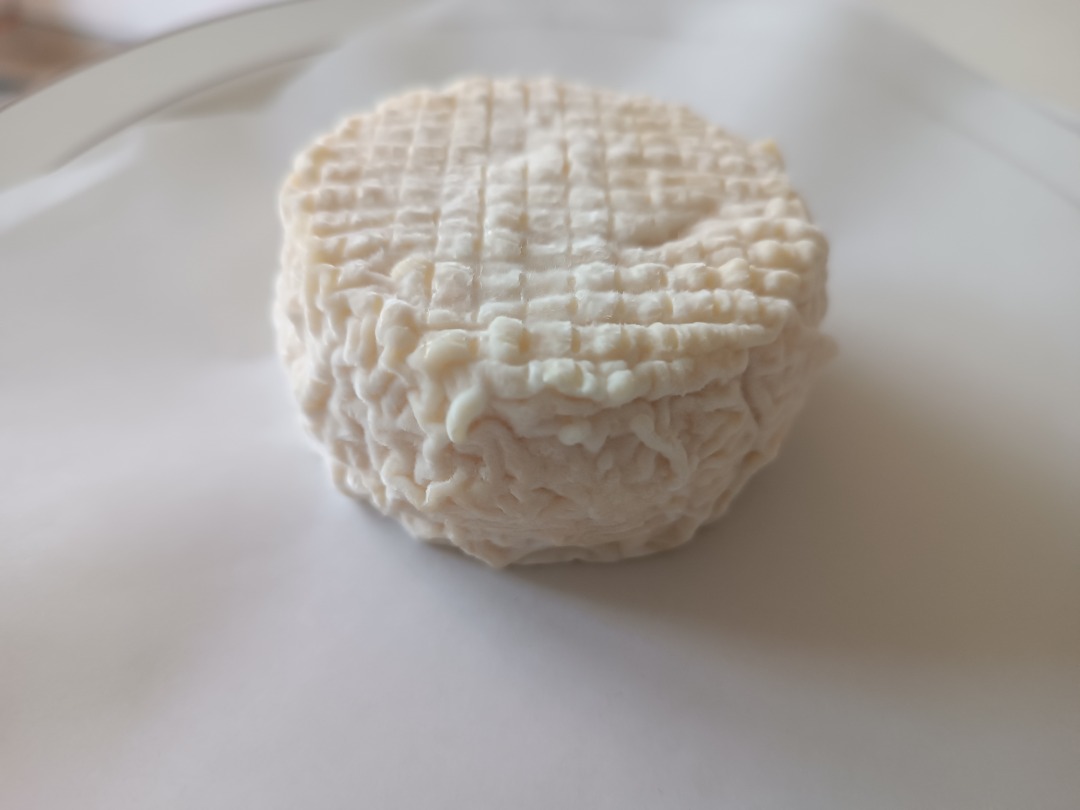
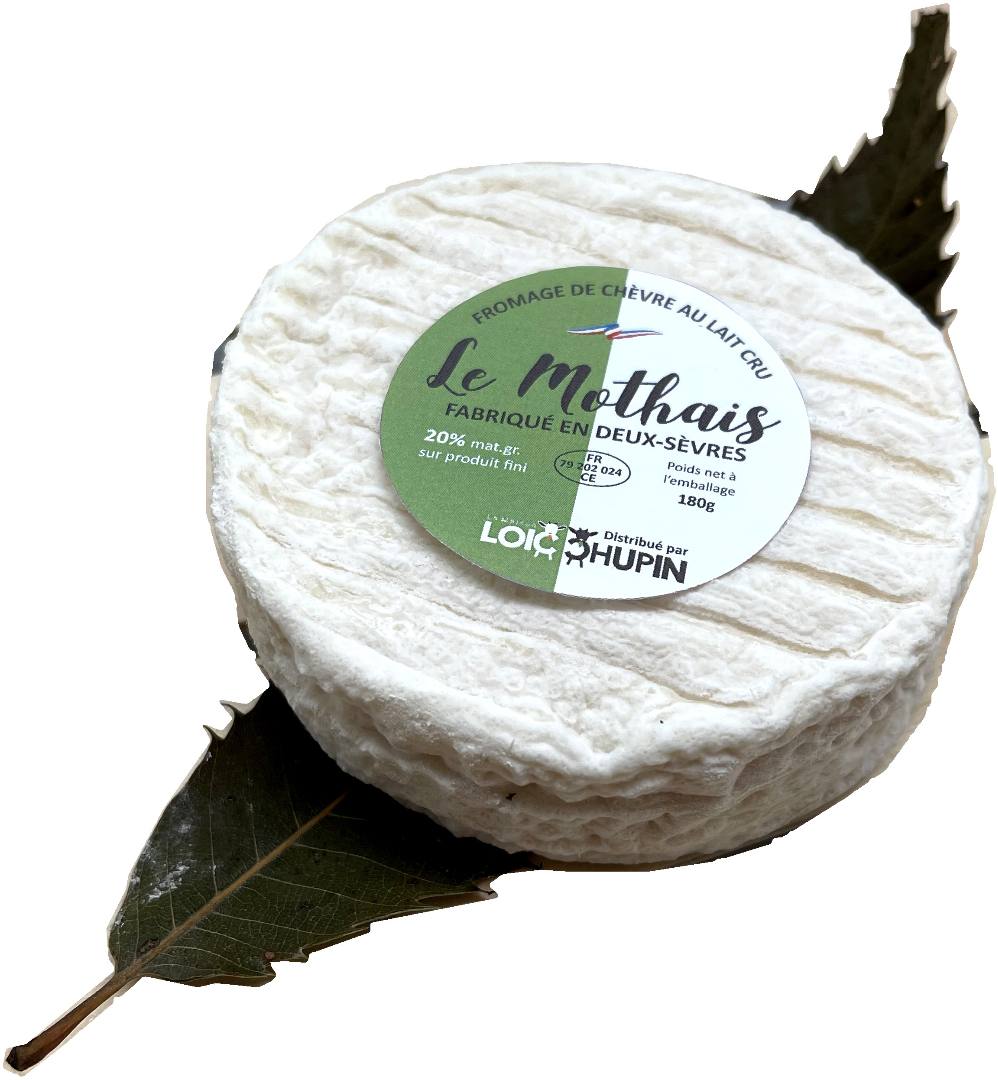
France – Raw milk goat cheese – Listeria monocytogenes

Gov France

Product category
Food
Product subcategory
Milk and dairy products
Product brand name
LOIC CHUPIN
Model names or references
CHABIS AFFINE 180G NU (cut radius) – bar code: 3292992007144 MOTHAIS 180G NU (cut radius) – bar code: 3292992007137 AFFINE DU POITOU 180G SHELL – bar code 3292992007168
Product identification
GTIN Batch Date
3292992007137 66 / 68 / 69 / 70 / 74 Use-by date between 05/05/2024 and 05/13/2024
3292992007144 60 / 62 /63 / 70 / 73 / 76 / 81 / 87 Use-by date between 04/29/2024 and 05/26/2024
3292992007168 65 / 77 / 81 Use-by date between 05/04/2024 and 05/20/2024
Packaging
Naked in the cut department (HYPERMARCHE CORA AND SUPERMARCHE MATCH) for CHABIS AFFINE 180G NUDE in the cut department (HYPERMARCHE CORA AND SUPERMARCHE MATCH) for MOTHAIS on 180G sheet NU (cut department) In shell for AFFINE DU POITOU 180G SHELL – bar code 3292
Start/end date of marketing
From 03/14/2024 to 04/11/2024
Storage temperature
Product to keep in the refrigerator
Health mark
FR 79.202.024 CE
Geographical sales area
Whole France
Distributors
PF CORA PF MATCH PF METRO LECLERC MONTEVRAIN

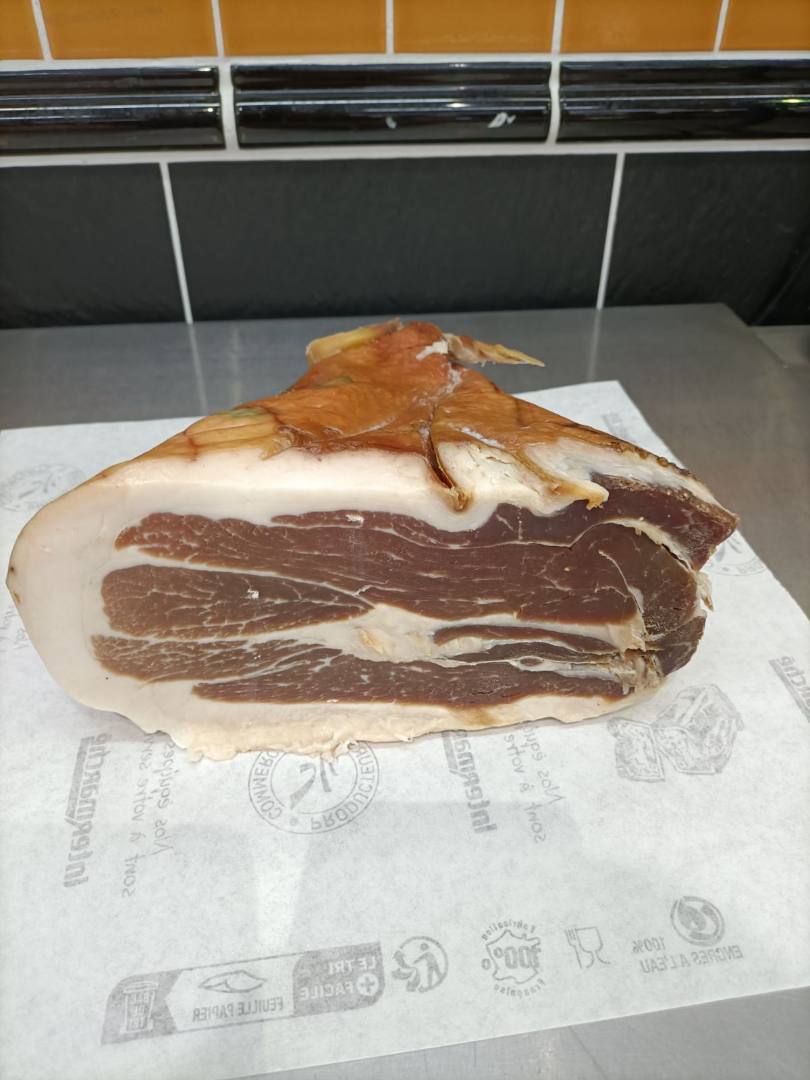
France – 12-month boneless raw ham sold in the cut delicatessen section – Listeria monocytogenes

Gov France

Product category
Food
Product subcategory
Meats
Product brand name
unbranded
Model names or references
raw ham sold in the cut delicatessen section between 03/22/2023 and 04/12/2024
Product identification
Batch
raw ham sold in the delicatessen section
Packaging
sold in the cut charcuterie section
Start/end date of marketing
From 03/22/2024 to 04/11/2024
Storage temperature
Product to keep in the refrigerator
Geographical sales area
Intermarché Parentis-en-born
Distributors
Intermarché Parentis-en-born

EU proposes change to Listeria in RTE food rules

Food Safety News

The European Commission has published long-awaited plans to update the rules around Listeria monocytogenes in ready-to-eat (RTE) foods.

The draft regulation removes a section about the absence of Listeria in 25-grams before food has left the immediate control of the food business operator who has produced it.

It now states that Listeria monocytogenes not detected in 25-grams should apply to all situations where foods are placed on the market during their shelf-life and for which the producing food business has not been able to demonstrate, to the satisfaction of the relevant authority, that the level of Listeria will not exceed the limit of 100 colony forming units per gram (CFU/g) throughout their shelf-life.

Comment period
To allow food businesses time to adapt their practices and procedures to the new requirement, the earliest the regulation will become applicable is January 2026. Comments on the proposals are open until May 8, 2024.

France – Raw milk goat cheese – Salmonella

Gov France

Product category
Food
Product subcategory
Milk and dairy products
Product brand name
unbranded
Model names or references
Raw milk goat cheese, batch dated March 29, 2024
Product identification
Batch
03/29
Start/end date of marketing
From 03/29/2024 to 04/04/2024
Storage temperature
Product to keep in the refrigerator
Geographical sales area
Limoux open-air market
Distributors
None

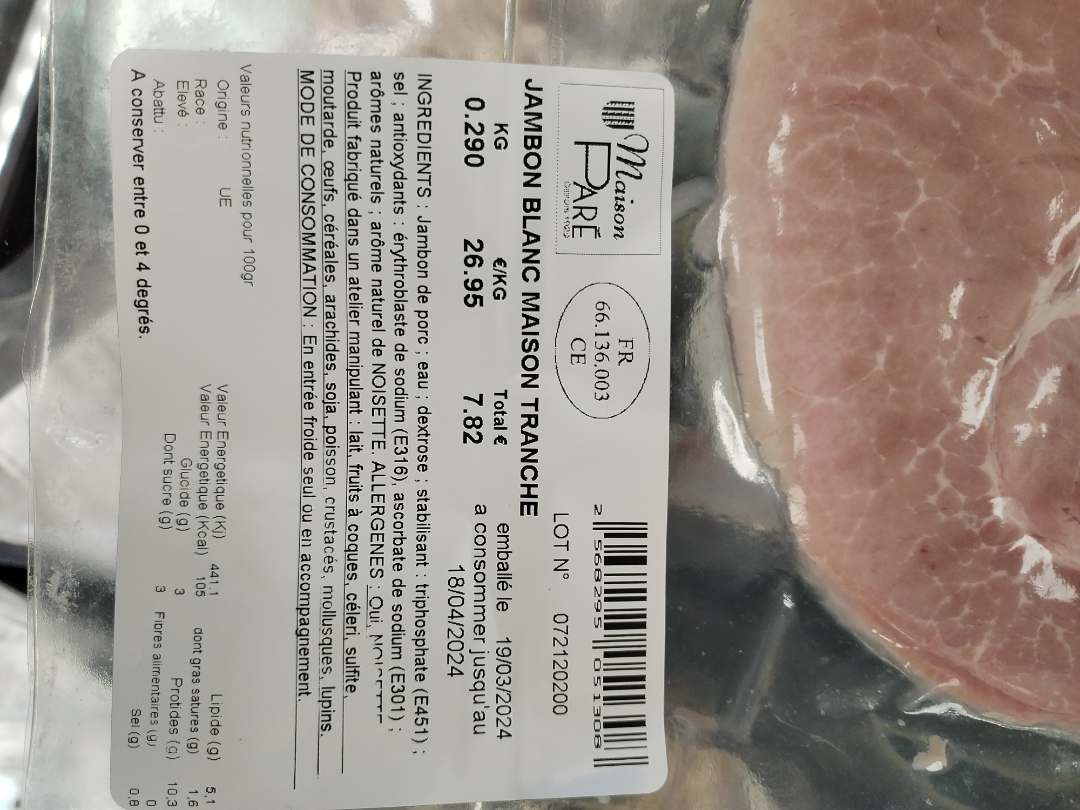
France – White Ham – Listeria monocytogenes

Gov France

Product category
Food
Product subcategory
Meats
Product brand name
House adorned
Model names or references
Whole or sliced ​​packaged cooked ham
Product identification
GTIN Batch Date
2568295051308 072120200 Use-by date between 03/19/2024 and 04/18/2024
Products List
PRODUCT_RECALL_white_ham_listeria.pdfAttachment
Packaging
Sliced ​​at the butcher’s shop or self-service vacuum packed
Start/end date of marketing
From 03/19/2024 to 04/18/2024
Storage temperature
Product to keep in the refrigerator
Health mark
FR 66.136.003.CE
Further information
Sold on the traditional shelf or self-service in vacuum packaging
Geographical sales area
Perpignan, Llupia, Villeneuve de la Raho, Barcares,
Distributors
Boutique house adorned with Perpignan at La Fauceille, St Charles, Les Halles and Lupia. Sophie’s walk at Barcares. The Raho gardens in Villeneuve de la Raho
List of points of sale
Traceability_Alert.pdf