Denmark – Gas evolution in potato salad – Microbial Contamination

DVFA

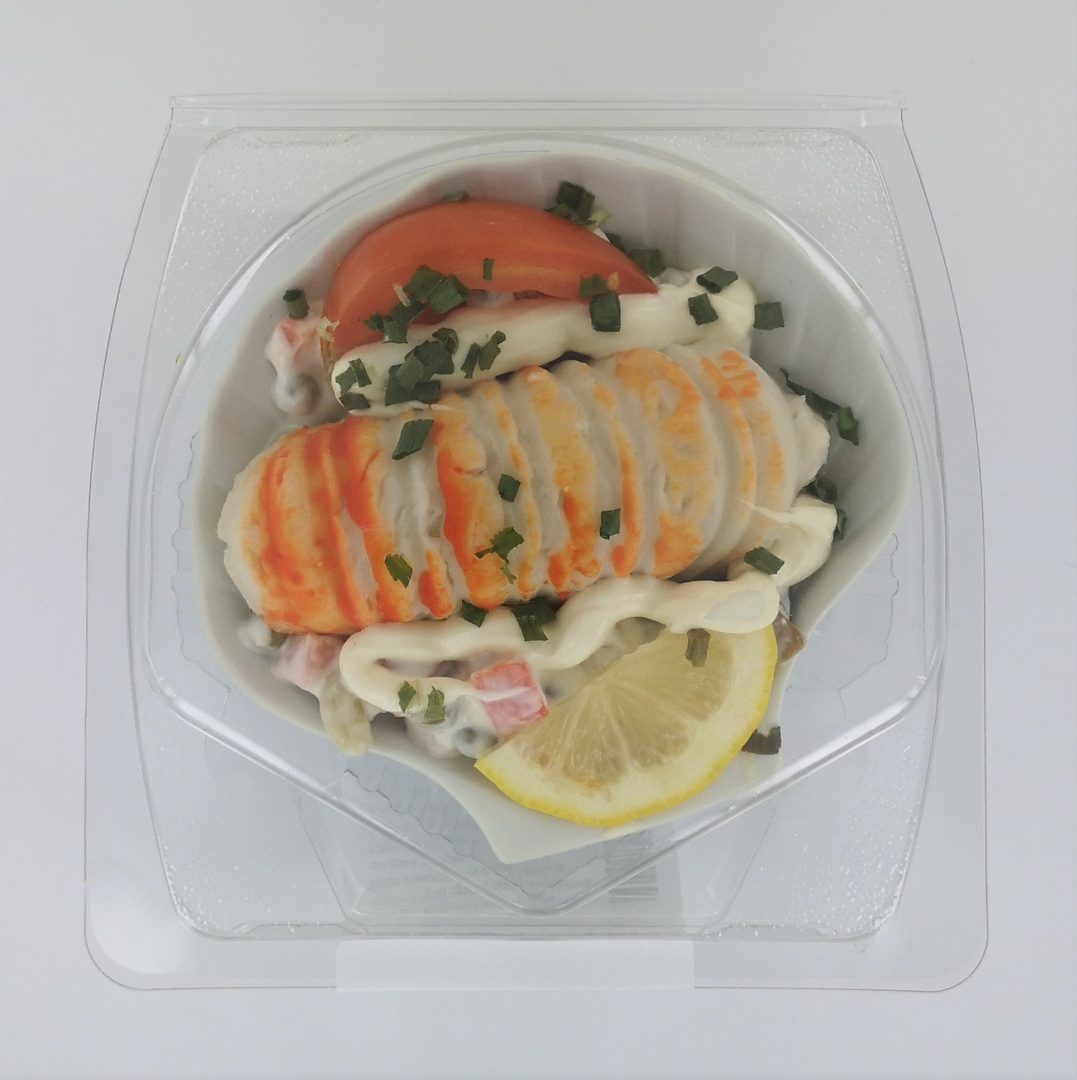
BY Lantz is recalling organic potato salad with carrots due to gas evolution in the packages, indicating unwanted growth of microorganisms. Updated 08.10.2021 with new best before date. Updated 19.10.2021 with new best before date.

Recalled Foods , Published: September 27, 2021

Modified October 19, 2021

What food:
Organic Potato salad with carrots
Net content: 350g
Best before-dates: 29.09.2021, 06.10.2021, 10.20.2021 and 03.11.2021
EAN bar code number: 5710871004605

Sold in:
Irma Shops Zealand

Company withdraws:
BY Lantz, Hovedvagtsgade 8,5, 1103 København K

Cause:
The company has found gas development in some of the packages, which indicates unwanted growth of microorganisms.

Risk: The
evolution of gas and the possible growth of microorganisms make the product unfit for human consumption.

Advice for consumers:
Consumers are advised to return the product to the store where it was purchased or to discard it.

India – FSSAI guidelines for sampling for microbiological analysis

FNB News

The Food Safety and Standards Authority of India (FSSAI) has issued a draft on guidelines for sampling for microbiological analysis.

The guidelines prescribe the general requirement for microbiological sampling, sampling plan, sampling tools, equipment & material, sampling procedure, labelling of sample, storage & transportation and food category wise sampling procedures.

According to the FSSAI, the microbiological analysis was vital to verify the compliance with the criteria laid down in Food Safety and Standards Regulations, food safety management system and process control, compliance of individual batches, and general information on the microbiological status of certain products placed on the market. Further, the analysis will help in monitoring and surveillance of food products along with investigation of suspected food-borne outbreaks, customer complaints.

Ashwin Bhadri, CEO, Equinox Labs, says that the sampling process ensures that the food quality hasn’t been compromised. Sampling is one of the best ways to know in which state food can be preserved for consumption without contamination.

He said, “For the betterment of people, adhering to the regulatory guidelines when it comes to sampling becomes essential. Consumer safety is foremost and following those policies assures that they are safeguarded. In India, FSSAI has introduced guidelines that every food product should undergo microbiology sampling before it is consumed.”

He explains, “It examines the compliance of individual batches. Microbiological sampling is undertaken by authorised people who are experienced and trained in those processes. They select the samples from the huge lot that allows a sample to stand for a whole lot and give the right decision concerning quality, contamination and shelf life of food products. Sampling and testing are absolutely necessary as it helps to verify the compliance laid down as per the Food Safety and Standards Regulations. The procedure of microbiological sampling and testing allows the investigation of customer complaints and also to suspect food-borne outbreaks if any.”

The guidelines were approved by the Scientific Panel on Methods of Sampling & Analysis in a meeting recently.  And FSSAI has sought comments from the stakeholders on the same.

USA – USDA Launches New Effort to Reduce Salmonella Illnesses Linked to Poultry

USDA

he U.S. Department of Agriculture’s Food Safety and Inspection Service (FSIS) today announced that it is mobilizing a stronger, and more comprehensive effort to reduce Salmonella illnesses associated with poultry products. The agency is initiating several key activities to gather the data and information necessary to support future action and move closer to the national target of a 25% reduction in Salmonella illnesses.

“Far too many consumers become ill every year from poultry contaminated by Salmonella,” said Agriculture Secretary Tom Vilsack. “We need to be constantly evolving in our efforts to prevent foodborne illness to stay one step ahead of the bad bugs. Today we’re taking action to help prevent Salmonella contamination throughout the poultry supply chain and production system to protect public health.”

Despite consistent reductions in the occurrence of Salmonella in poultry products, more than 1 million consumer illnesses due to Salmonella occur annually, and it is estimated (PDF, 1.4 MB) that over 23% of those illnesses are due to consumption of chicken and turkey.

“Reducing Salmonella infections attributable to poultry is one of the Department’s top priorities,” said USDA Deputy Under Secretary Sandra Eskin, who is leading the initiative. “Time has shown that our current policies are not moving us closer to our public health goal. It’s time to rethink our approach.”

USDA intends to seek stakeholder feedback on specific Salmonella control and measurement strategies, including pilot projects, in poultry slaughter and processing establishments. A key component of this approach is encouraging preharvest controls to reduce Salmonella contamination coming into the slaughterhouse. The data generated from these pilots will be used to determine if a different approach could result in a reduction of Salmonella illness in consumers.

The effort will leverage USDA’s strong research capabilities and strengthen FSIS’ partnership with the Research, Education and Economics (REE) mission area to address data gaps and develop new laboratory methods to guide future Salmonella policy. Meanwhile, the National Advisory Committee for Microbiological Criteria in Foods, an independent federal advisory committee, will be asked to advise on how FSIS can build on the latest science to improve its approach to Salmonella control. Since it is not just the presence or absence of Salmonella, but the quantity of bacteria that can impact the likelihood of illness, FSIS will examine how quantification can be incorporated into this approach. Moreover, with emerging science suggesting that not all Salmonella are equally likely to cause human illness, FSIS will focus on the Salmonella serotypes and the virulence factors that pose the greatest public health risk.

Moving forward, this initiative will require collaboration and ongoing dialogue with stakeholders — industry, consumer groups, and researchers alike. USDA looks forward to working closely with stakeholders on informing and implementing key activities of this framework in the very near future.

USDA touches the lives of all Americans each day in so many positive ways. In the Biden-Harris Administration, USDA is transforming America’s food system with a greater focus on more resilient local and regional food production, fairer markets for all producers, ensuring access to safe, healthy and nutritious food in all communities, building new markets and streams of income for farmers and producers using climate smart food and forestry practices, making historic investments in infrastructure and clean energy capabilities in rural America, and committing to equity across the Department by removing systemic barriers and building a workforce more representative of America. To learn more, visit www.usda.gov.

Research – Multi-country outbreak of Salmonella Typhimurium and S. Anatum infections linked to Brazil Nuts

ECDC

Click to access salmonella-typhimurium-rapid-outbreak-assessment-october-2020.pdf

Israel – Natural Mineral Spring Water – Pseudomonas aeruginosa

 Neviot recalls Natural Mineral Spring Water (500 ml; Best before 11.10.2022 and 12.10.2022) due to possible Pseudomonas aeruginosa contamination.

Click to access rcl-17102021.pdf

Italy – Long slice smoked salmon – Listeria monocytogenes

Gov france

Brand : Fish & Fine

Name : Long slice smoked salmon

Reason for reporting : Recall due to microbiological risk

Publication date : 19 October 2021

Click to access C_17_PubblicazioneRichiami_1525_azione_itemAzione0_files_itemFiles0_fileAzione.pdf

USA – Kentucky reports outbreak of E. coli due to food distribution

Food Poison Journal

Kentucky Cabinet for Health and Family Services reports that ten Kentuckians recently tested positive with a strain of E. coli O157:H7. Of the cases, two individuals developed a rare but serious condition called hemolytic uremic syndrome (HUS). Public health investigators have not yet identified the source of the outbreak but have noted that some sort of food distribution is likely.

The reported cases primarily include adults, many of whom reside in western Kentucky. No deaths linked to the outbreak have been reported but six people have been hospitalized. Health care providers have been notified of the outbreak and are advised to be alert for patients experiencing acute diarrheal illness, which could be associated with E. coli. This is a particular strain of E. coli that produces a type of toxin (Shiga toxin) that can be dangerous for those infected.

France – Demoiselles sea shell – Listeria monocytogenes

Gov france

Identifying information for the recalled product

  • Product category Food
  • Product sub-category Fishery and aquaculture products
  • Product brand name Unbranded
  • Names of models or references Demoiselles sea shell – reference 200 g
  • Product identification
    GTIN Lot Dated
    3399130019134 21271 Use-by date 09/10/2021
  • Packaging200 g tray
  • Storage temperature Product to be stored in the refrigerator
  • Health mark FR 60 139 011 CE
  • Geographical sales area Whole France
  • Distributors MONOPRIX and GALEC

Practical information regarding the recall

  • Reason for recall Listeria presence at the end of DLC – DLC expired on 10/09/2021
  • Risks incurred by the consumer Listeria monocytogenes (causative agent of listeriosis)

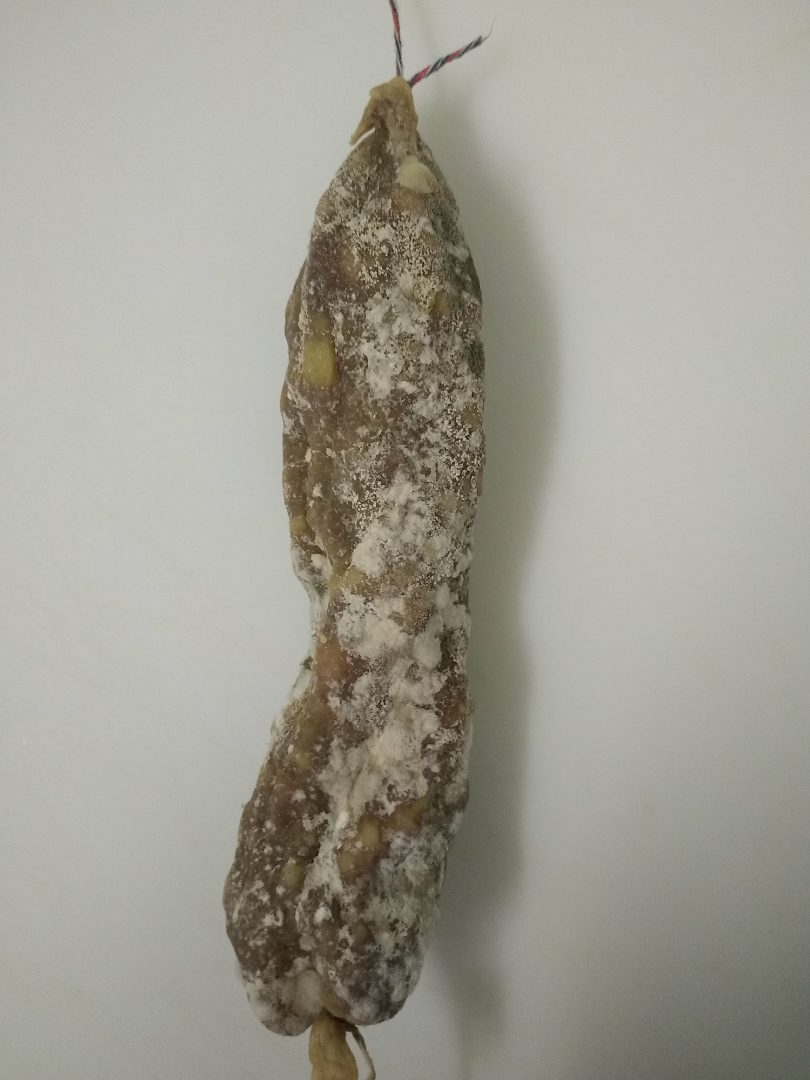
France – Plain Pork Dry Sausage – Listeria monocytogenes

Gov france

Identifying information for the recalled product

  • Product category Food
  • Product sub-category Meats
  • Product brand name unbranded
  • Names of models or references without
  • Product identification
    Lot
    220721
  • Packaging without
  • Start date / End of marketing From 06/10/2021 to 09/10/2021
  • Storage temperature Product to be stored at room temperature
  • Health mark without
  • Further information dry sausage sold individually in self-service on the market
  • Geographical sales area Charlieu market 42190
  • Distributors no

Practical information regarding the recall

  • Reason for recall Following a self-check on a batch of dry pork sausage, detection of listeria monocytogenes
  • Risks incurred by the consumer Listeria monocytogenes (causative agent of listeriosis)

USA – Raw milk recalled in Washington after sampling reveals E. coli contamination

Food Safety News

Williams Valley Family Farm LLC of Clayton, WA, is recalling retail, raw whole milk because of E. coli contamination. The recall was initiated after routine sampling conducted by the Washington State Department of Agriculture (WSDA) revealed the presence of toxin-producing E. coli in the farm’s unpasteurized, raw milk dated Oct. 20-28.

There is concern that consumers may have the milk in their homes because of the expiration date, which has not passed. Consumers who have purchased the recalled products are urged not to drink them and return them to the place of purchase for a full refund, according to the recall notice.