Denmark – Suspicion of Listeria in fish patties

Foedevarestyrelsen

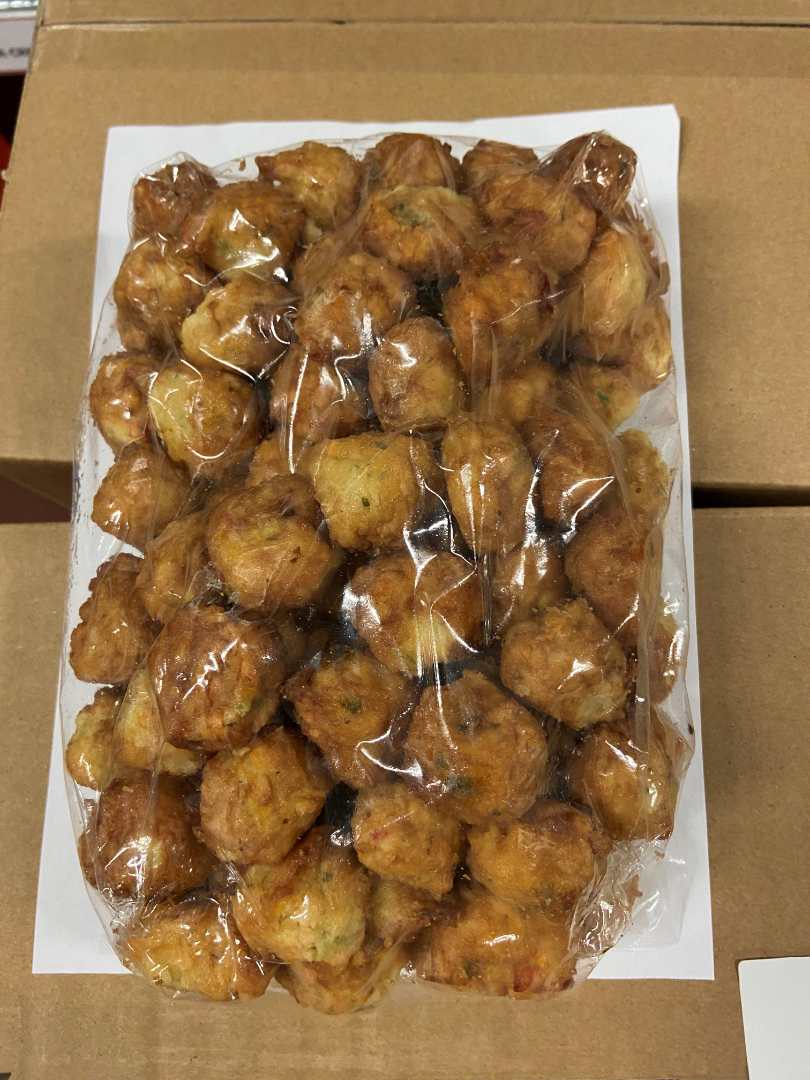
Jeka Fish A/S is recalling several types of fish meatballs due to the discovery of Listeria in the production environment.

If you have the products, you should discard them or return them to the store where they were purchased.

Which foods are recalled

Havet´s Små classic fish meatballs
EAN number: 5730444919648
Net weight 200g
Expiration date: 01-11-2024, 02-11-2024, 05-11-2024, 08-11-2024, 12-11-2024, 14-11-2024 2024 and 15-11-2024

Havet´s Small fish meatballs with salmon
EAN number: 5730444930513
Net weight 200g
Last date of use: 06-11-2024 and 13-11-2024

Havet´s Small fish meatballs with prawns and chili
EAN number: 573044491624
Net weight 200g
Last use-by date: 08-11-2024

Havet’s classic fish patties
EAN number: 5730444915862
Net weight 260g
Best-by date: 30-10-2024, 01-11-2024, 05-11-2024, 07-11-2024, 09-11-2024 and 15-11-2024

Havet´s midðs fish frikadeller
EAN number: 5730444919600
Net weight 380g
Expiration date: 31-10-2024, 05-11-2024, 09-11-2024, 13-11-2024 and 15-11-2024

Havet´s fish meatballs with salmon
EAN number: 5730444916272
Net weight 260g
Last date of use: 02-11-2024, 05-11-2024, 06-11-2024, 12-11-2024 and 15-11-2024

Havet´s Gourmet fish meatballs
EAN number: 5730444930551
Net weight 380g
Last date of use: 14-11-2024 and 15-11-2024

Nautica cod fish meatball
EAN number: 20295271
Net weight 340g
Expiration date: 30-10-2024, 09-11-2024, 13-11-2024 and 15-11-2024

Cimbric Pan-fried cod meatballs
EAN number: 5730444930322
Net weight: 130g
Expiration date: 30-10-2024, 07-11-2024, 09-11-2024 and 15-11-2024

Where are the products sold?

Lidl and Coop stores (SuperBrugsen, Kvickly, Dagli’Brugsen, Brugsen and 365 Discount)

Why are the products being recalled?

The bacterium Listeria monocytogenes has been detected in the production environment and there is therefore a suspicion of Listeria in the products.

Infection with Listeria bacteria can cause flu-like symptoms, fever and headache and, in rare cases, gastrointestinal problems.

Read more about Listeria in food here

Quebec – Warning not to consume lean ground beef and pork sold by the company Au Saucisson Vaudois – STEC E.coli

Quebec

QUEBEC CITY , Nov. , 2024 /CNW/ – The Ministry of Agriculture, Fisheries and Food (MAPAQ), in collaboration with the company Au Saucisson Vaudois, located at 368, rue Principale, in Sainte-Brigide-d’Iberville, is advising the public not to consume the products listed in the table below, as these foods may contain the E. coli bacteria that produces Shiga toxins.

Product name

Format

Target lot

“LEAN GROUND BEEF”

Variable weight

Lot: 264594

Packaging date: 20.09.24

Best before date: 19.09.25

“LEAN GROUND PORK”

Lot: 264595

Packaging date: 20.09.24

Best before date: 19.09.25

The products that are the subject of this warning were offered for sale until November 1, 2024. They were packaged in a plastic pouch with the words “Au Saucisson Vaudois” written on one side. They were sold frozen.

The operator is voluntarily recalling the products in question. It has agreed with MAPAQ to issue this warning as a precautionary measure. People who have one of these products in their possession are advised not to consume it. They must return it to the establishment where they purchased it or throw it away.

However, properly cooking meat destroys  E. coli bacteria . Preparing ready-made meals, such as spaghetti sauce, shepherd’s pie, or meat pie, requires a long enough cooking time and a high enough temperature to destroy the bacteria.

It should be noted that no cases of illness associated with the consumption of these foods have been reported to MAPAQ to date.

Denmark – Fish meatballs with Listeria monocytogenes cause disease outbreaks again

SSI

The Statens Serum Institut (SSI), the Danish Veterinary and Food Administration and the DTU Food Institute have investigated the disease outbreak and have identified ready-made fish meatballs as the cause. The fish meatballs have been recalled from stores and consumers.

Last edited on November 2, 2024
Since mid-July, Statens Serum Institut (SSI) has registered seven patients with the same type of the food-borne bacterium Listeria monocytogenes . The patients are aged 33-89, are spread across the country, and six women and one man. All the patients have been hospitalized, and one has died within 30 days of detection of the listeria bacteria.

“By comparing bacteria from patients and environmental samples from the manufacturer, we have found that the bacteria are exactly the same. Combined with the fact that the patients have stated that they have eaten fish cakes, this shows that the infection came from here,” says Luise Müller, epidemiologist at SSI.

Abroad, two cases of illness with the same type of Listeria monocytogenes have been registered . It is known that one of them has also eaten Danish fish meatballs from the same manufacturer, but sold in a local supermarket chain.

The fish meatballs have been called back

The manufacturer Jeka Fish has recalled several varieties and lots of fish meatballs and has also initiated measures to avoid listeria in production.

“Jeka Fish has recalled fish patties, which have now been taken off the shelves. But if you have the products at home, it is important to throw them away or deliver them back to the store,” says Annette Perge, section manager at the Danish Food and Drug Administration.

The products are sold in Lidl and Coop stores (SuperBrugsen, Kvickly, Dagli’Brugsen, Brugsen and 365 Discount).

See which fishcakes have been recalled

The DTU Food Institute, SSI and the Danish Food and Drug Administration have analyzed and compared the listeria bacteria that were found in the patients and in environmental samples from the company, using DNA typing.

The type is the same as was found in fish patties from the same company in 2022.

What should you do if you have eaten fish cakes from the recalled batches?

Even if you have eaten the fishmeals that have now been recalled, there is very little risk that you will get sick. You are at risk of becoming seriously ill with listeria if you are older, have a weakened immune system due to another serious illness or are pregnant.

You should contact a doctor if you have a high fever, chills, muscle soreness and affected general condition; neck/back stiffness or altered level of consciousness.

Facts about listeria

The Danish Veterinary and Food Administration has a number of advice on how these particularly vulnerable groups can avoid Listeria:

  • Eat cold-smoked fish, gravad fish and meat and fish cold cuts as fresh as possible
  • Keep the refrigerator temperature at 5 °C or colder
  • Avoid consuming unpasteurized milk and soft raw milk cheeses

Read more

Read more about the outbreak  on SSI’s website.

How to avoid listeria if you are sick .

How to avoid listeria if you are pregnant .

Catalonia – Extension of information on the alert for the presence of Listeria monocytogenes in cooked hands and precooked pork feet

ACSA

As an extension of the alert regarding the presence of listeria monocytogenes in cooked hands and pork feet of the “El Mercado de ALDI” brand and precooked pork feet of the “BONPREU” brand from Catalonia, new Products involved:

  • Product name: Cooked ear

Marketed through the following brands: Totcuit – Comercial Ancares – Comercial Pocre – Carns Albet – El Senglar – Embutidos Santa Cruz – Germans Gracia – Segell d’Or – Serratelles – Alimentbarna – Carns Ausió Rifà – Can Llobateras – Caso Tió – Tendem Fragadis – Subirat sausages – Arderiu meats – Friopalau.

  • Product name: Cooked morro   

Marketed through the following brands: Totcuit – Comercial Pocre – Albet Meats – El Senglar – Santa Cruz Sausages – Segel d’Or – Serratelles – Alimentbarna – Ausió Rifà Meats – Caso Tió – Tendem Fragadis – Subirats Sausages – Arderiu Meats – Innovation and Tradition – Commercial Baides – Friopalau.

  • Product name: Pre-cooked pig’s ear  

Brand: Good Price

  • Product name: Pre-cooked pork shoulder   

Brand: Good Price

According to the information available, the products have been distributed in Catalonia. 

The Public Health Agency of Catalonia has communicated this information to the Spanish Food Safety and Nutrition Agency through the  European Food Alert Network .

The market withdrawal of the affected products from the marketing channels is being monitored by the competent authorities.

As a precautionary measure,  people who may have the above-mentioned products in their homes are advised to refrain from consuming them .

If you have consumed any of the products from the affected batch and have symptoms compatible with listeriosis (vomiting, diarrhea or fever), it is recommended to go to a health center.

France – Pork terrine – Clostridium botulinum

Gov France

Product Category
Food
Product subcategory
Meats
Product brand name
Earl the Poplars
Model names or references
Pork terrine
Product identification
Batch
All lots
Packaging
Glass jars
Storage temperature
Product to be kept in the refrigerator
Geographic area of ​​sale
MOTTIER (38260)
Distributors
For sale at the farm “Chez Barbier” in MOTTIER (38260)

France -Headcheese – Listeria monocytogenes

Gov France

Product Category
Food
Product subcategory
Meats
Product brand name
nicole lucas breeding
Model names or references
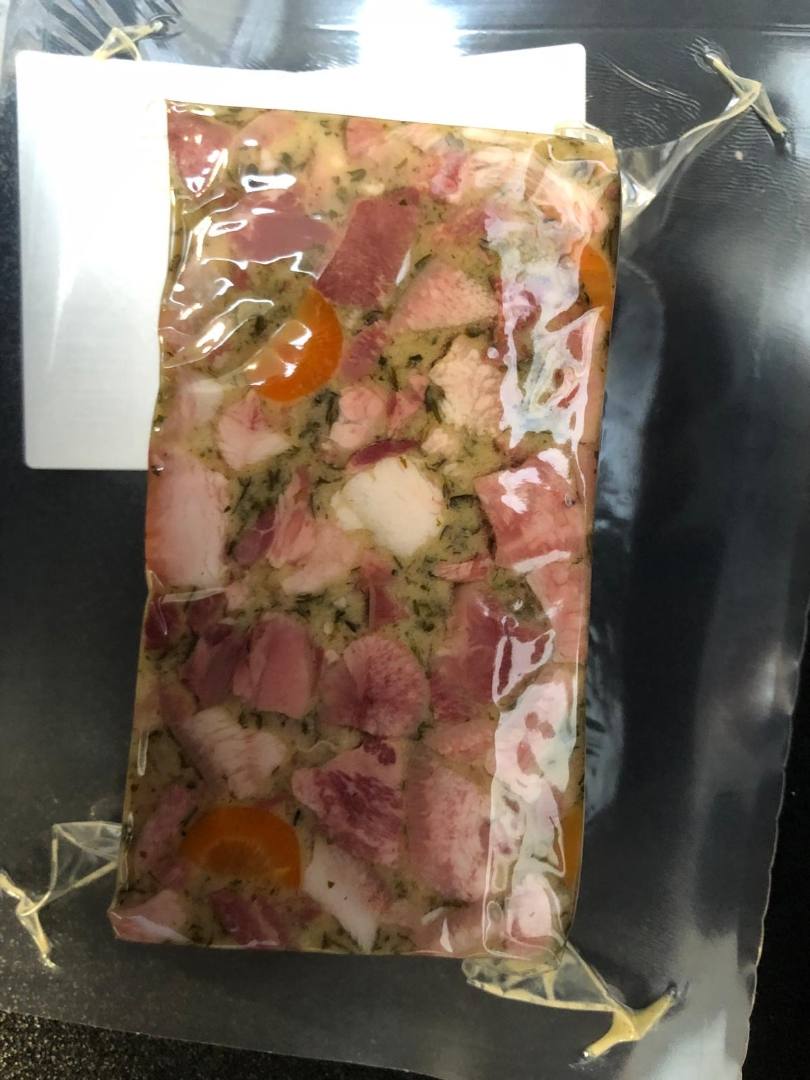
Headcheese
Product identification
Batch Date
240907000 Expiry date 09/28/2024
Packaging
Under a vacuum
Start/End of marketing date
From 09/28/2024 to 10/19/2024
Storage temperature
Product to be kept in the refrigerator
Geographic area of ​​sale
Alpes de Hautes Provence
Distributors
Mées food market, Digne-les-Bains food market, Greoux-les-Bains producer market

USA – HH Fresh Trading Corp Recalls Taiwan Enoki 200gx25pk Because of Possible Health Risk – Listeria monocytogenes

FDA

HH Fresh Trading Corp of California is recalling its 200g of Taiwan Enoki because they have the potential to be contaminated with Listeria monocytogenes, an organism which can cause serious and sometimes fatal infections in young children, frail or elderly people, and others with weakened immune systems. Although healthy individuals may suffer only short-term symptoms such as high fever, severe headache, stiffness, nausea, abdominal pain and diarrhea, Listeria infection can cause miscarriages and stillbirths among pregnant women.

The recalled “Enoki mushrooms 200 gram” were distributed in West Virginia in multiple retail store locations and were sold on 8/20/2024 and 8/23/2024 with 240 cases for each date. HH Fresh Trading received notice on 10/11/2024 and that the Enoki 200 gram test revealed the presence of Listeria monocytogenes on 9/9/2024. As a result we would like to recall this products immediately.

The product comes in a 200 gram, clear plastic package marked with barcode # 4711498860019 on the back side. No illnesses have been reported to date in connection with this problem. The potential for contamination was noted after routine testing by the FDA revealed the presence of Listeria monocytogenes in 200 gram of Enoki. The production of the product has been suspended while FDA and the HH Fresh Trading Corp continue to investigate the source of the problem.

Consumers who have purchased 200 gram of HH Fresh Trading Taiwan Enoki are urged to return them to the place of purchase for a full refund. Consumers with questions may contact the company at 1-262-365-9116 at 8AM to 4PM from Monday to Friday Pacific Time.


Company Contact Information

Consumers:
HH Fresh Trading Corp of California
 1-262-365-9116

Product Photos

Research -Recent advances in the preservation effects of spice essential oils on fruits and vegetables

Science Direct

Abstract

Spice essential oils (SEOs) are currently a prominent area of investigation in food preservation due to their natural, effective, and environmentally friendly properties. This review discussed the latest research progress concerning the application of SEO in fruits and vegetables preservation. The article commenced with an overview of the sources of SEOs and their main components, explored their bioactivities, antimicrobial mechanisms, and the microencapsulation and nanotechnology utilizing spice essential oils. Further research explored the applications of SEOs in culinary, pharmaceuticals, cosmetics, agriculture, and food industries, with a focus on evaluating their effectiveness in extending the shelf-life of fruits and vegetables. Additionally, it discusses limitations such as intense aroma and toxicity concerns, while also outlining prospects for future research and applications in the food sector. Overall, SEOs offer promising avenues for effectively prolonging the storage period of post-harvested fruits and vegetables while maintaining their quality attributes.

USA – FDA Takes Exciting Steps Toward Establishing the Rare Disease Innovation Hub

FDA

This summer, the U.S. Food and Drug Administration announced plans to establish the Rare Disease Innovation Hub (the Hub), and today, we are excited to share more about our progress. The Hub is an FDA cross-center program that will act as the single point of engagement and connection with outside parties for drug and biological product development and as a forum for the Center for Biologics Evaluation and Research (CBER) and the Center for Drug Evaluation and Research (CDER) to collaborate on cross-cutting rare disease-related issues. Through the Hub, we plan to foster a community at the FDA for open dialogue and knowledge sharing to identify new approaches to drug and biologic development and overcome hurdles that have traditionally impeded progress for rare disease treatments.

Research – Vibrio parahaemolyticus Foodborne Illness Associated with Oysters, Australia, 2021–2022

CDC

Abstract

The bacterium Vibrio parahaemolyticus is ubiquitous in tropical and temperate waters throughout the world and causes infections in humans resulting from water exposure and from ingestion of contaminated raw or undercooked seafood, such as oysters. We describe a nationwide outbreak of enteric infections caused by Vibrio parahaemolyticus in Australia during September 2021–January 2022. A total of 268 persons were linked with the outbreak, 97% of whom reported consuming Australia-grown oysters. Cases were reported from all states and territories of Australia. The outbreak comprised 2 distinct strains of V. parahaemolyticus, sequence types 417 and 50. We traced oysters with V. parahaemolyticus proliferation back to a common growing region within the state of South Australia. The outbreak prompted a national recall of oysters and subsequent improvements in postharvest processing of the shellfish.