Detection of vibrio in shrimp from Venezuela in France
Vibrio cholerae, vibrio parahaemolyticus and vibrio vulnificus detected in frozen shrimps from Vietnam in France

Detection of vibrio in shrimp from Venezuela in France
Vibrio cholerae, vibrio parahaemolyticus and vibrio vulnificus detected in frozen shrimps from Vietnam in France
Posted in food contamination, food handler, Food Hazard, Food Hygiene, Food Inspections, Food Micro Blog, Food Microbiology, Food Microbiology Blog, Food Microbiology Testing, Food Pathogen, Food Poisoning, food recall, Food Safety, Food Safety Alert, Food Safety Management, Food Testing, RASFF, Vibrio, Vibrio cholera, vibrio cholerae, Vibrio parahaemolyticus, Vibrio vulnificans, Vibrio vulnificus
Detection of vibrio vulnificus in frozen raw shrimps from Ecuador in France
Posted in food contamination, food handler, Food Hazard, Food Hygiene, Food Inspections, Food Micro Blog, Food Microbiology, Food Microbiology Blog, Food Microbiology Testing, Food Pathogen, food recall, Food Safety, Food Safety Alert, Food Safety Management, Food Testing, RASFF, Vibrio, Vibrio vulnificans, Vibrio vulnificus
Auchan is recalling the following products:
Update *
| Last name | Paella |
| Mark | Unbranded – bulk sale |
| Sale period | from 08/17/2022 to 08/24/2022 inclusive |
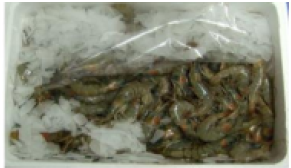
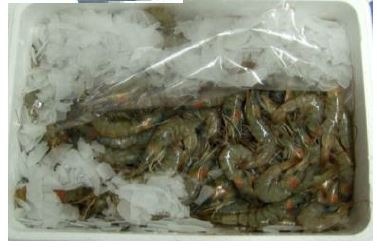
| Last name | Thawed raw shrimp |
| Mark | Unbranded – bulk sale |
| Sale period | from 08/16/2022 to 08/24/2022 inclusive |
Danger : Presence of Vibrio vulnificus
Food-borne illnesses caused by Vibrio vulnificus can occasionally result in mild gastrointestinal disturbances in healthy individuals, but also in severe non-intestinal disturbances (generalized infection / sepsis) in susceptible or affected persons. pre-existing chronic conditions. In addition, skin infections are likely to occur from pre-existing wounds when handling the products .
Sale in Luxembourg by:
A sale by other operators cannot be excluded
Source of information: Auchan recall notification
Posted in food contamination, food handler, Food Hazard, Food Hygiene, Food Inspections, Food Micro Blog, Food Microbiology, Food Microbiology Blog, Food Microbiology Testing, Food Pathogen, food recall, Food Safety, Food Safety Alert, Food Safety Management, Food Testing, Vibrio, Vibrio vulnificans
| GTIN | Batch | Date |
|---|---|---|
| 13760082432499 | 2222280043 2222290472 2222300361 2222300731 2222310957 2222340010 2222341169 2222350807 | Use-by date between 08/24/2022 and 08/31/2022 |
Posted in food contamination, food handler, Food Hazard, Food Hygiene, Food Inspections, Food Micro Blog, Food Microbiology, Food Microbiology Blog, Food Microbiology Testing, Food Pathogen, food recall, Food Safety, Food Safety Alert, Food Safety Management, Food Testing, Food Toxin, Vibrio vulnificans, Vibrio vulnificus

A warning to shellfish lovers: Health officials are investigating the deaths of two people in Florida linked to eating raw oysters.
The deaths are reportedly linked to oysters from Louisiana. The two separate occasions happened a week apart in Escambia and Broward counties, according to the Florida Department of Health.
Eating raw oysters and other undercooked seafood can put people at risk for infections, including vibriosis, which is caused by certain strains of Vibrio bacteria, according to the Centers for Disease Control and Prevention.
So far this year, there have been 26 Vibrio vulnificus infections reported in Florida. Six of those resulted in deaths, data from the Florida Department of Health shows. Nationally, an estimated 80,000 people have fallen ill and 100 deaths are reported every year from the bacterium that usually lives in warm, brackish seawater, the nation’s top public health agency reports.
Posted in Decontamination Microbial, Food Micro Blog, Food Microbiology, Food Microbiology Blog, Food Microbiology Testing, Food Poisoning Death, microbial contamination, Microbiological Risk Assessment, Microbiology, Microbiology Investigations, Microbiology Risk, Poisoning, Vibrio, Vibrio vulnificans
Detection of vibrio vulnificus in frozen raw shrimps from Ecuador in France
Posted in food contamination, Food Hazard, Food Hygiene, Food Inspections, Food Micro Blog, Food Microbiology, Food Microbiology Blog, Food Microbiology Testing, Food Pathogen, food recall, Food Safety, Food Safety Alert, Food Safety Management, Food Testing, RASFF, Vibrio, Vibrio vulnificans, Vibrio vulnificus
Detection of vibrio vulnificus in frozen raw shrimps from Ecuador in France

Pathogenic Vibrio spp. are largely responsible for human diseases caused through consumption of contaminated seafood. The aim of this study was to determine the prevalence, population densities, species diversity and molecular characteristics of pathogenic Vibrio in various seafood commodities and its associated health risks. Samples of finfish and shellfish (oysters and sea urchins) were collected from different regions and analyzed for Vibrio using the Most Probable Number (MPN) technique. Genomic DNA of putative Vibrio isolates was analyzed by whole genome sequencing (WGS) for taxonomic identification and identification of genes responsible for virulence and antimicrobial resistance. The risk of vibrio-related illnesses due to the consumption of contaminated seafood was assessed using Risk Ranger. Population densities of presumptive Vibrio fell in the range of 2.6 – 4.4 Log MPN/g and correlated with seasonality, with the summer season favoring significantly (p < 0.05) higher Vibrio counts. A total of 15 Vibrio isolates were identified as V. alginolyticus (5), V . parahaemolyticus (6), V. harveyi (2) or V. diabolicus (2). Two of the six V. parahaemolyticus isolates (ST 2504 and ST 2505) originating from oysters were found to be either tdh + or trh + and thus considered a human pathogen due to elaboration of Thermostable Direct Hemolysin (TDH) or TDH-related hemolysin (TRH). In addition to virulence genes, the shellfish isolates also harbored genes encoding resistance to multiple antibiotics including tetracycline, penicillin, quinolone and beta-lactam antibiotics, thus arousing concern. The risk assessment exercise pointed to an estimated 21 annual cases of V. parahaemolyticus -associated gastroenteritis in the general population attributed to consumption of contaminated oysters. This study highlights not only the wide prevalence and diversity of Vibrio in seafood, but also the potential of certain strains to threaten public health.
Posted in Decontamination Microbial, Food Micro Blog, Food Microbiology, Food Microbiology Blog, Food Microbiology Research, Food Microbiology Testing, microbial contamination, Microbiological Risk Assessment, Microbiology, Microbiology Investigations, Microbiology Risk, Vibrio, Vibrio albensis, Vibrio alginolyticus, Vibrio cholera, vibrio cholerae, Vibrio parahaemolyticus, Vibrio vulnificans, Vibrio vulnificus
The habitat of Vibrio spp. bacteria is fresh and brackish water with moderate salinity. Non-toxigenic Vibrio cholerae, as well as several human pathogenic non-cholera Vibrio species, including Vibrio alginolyticus, Vibrio parahaemolyticus and Vibrio vulnificus, cause vibriosis after seawater exposure or consumption of contaminated seafood [1]. Clinical manifestations range from mild gastroenteritis and otitis to wound infections that may lead to severe necrotising fasciitis and septicaemia with a potentially fatal outcome [2–5].
The Baltic Sea region is one of the areas where increasing numbers of cases related to Vibrio species causing vibriosis (VCV) have been reported in the last decades [6]. Several studies have shown how the occurrence of heatwaves, which lead to an increase in sea surface temperature, are linked with an increase in the number of reported vibriosis cases [4,7–12]. For instance, the years with an especially warm summer in the Baltic Sea region, 2006, 2010 and particularly 2014 (the warmest year in historical records at the time), were also the years with the largest number of vibriosis cases reported [6,11].
However, there is a notable gap in surveillance data for vibriosis since it is not a notifiable disease in the majority of European countries [1,6]. Therefore, the aim of this multi-country study was to describe the epidemiology of vibriosis cases in countries bordering the North and Baltic Seas area during the exceptionally warm year of 2018 [13,14], in order to investigate the extent of these infections in the study countries, map their genetic diversity, understand the predictors for developing severe vibriosis, and propose recommendations for public health measures.
Posted in Contaminated water, Food Micro Blog, Food Microbiology, Food Microbiology Blog, Food Microbiology Research, Food Microbiology Testing, microbial contamination, Microbiological Risk Assessment, Microbiology, Microbiology Investigations, Microbiology Risk, Research, Vibrio, Vibrio albensis, Vibrio alginolyticus, Vibrio cholera, vibrio cholerae, Vibrio parahaemolyticus, Vibrio vulnificans, Vibrio vulnificus, Water, water microbiology, Water Safety
Vibrio vulnificus – Shrimp from Ecuador in France
Posted in food contamination, food handler, Food Hazard, Food Hygiene, Food Inspections, Food Micro Blog, Food Microbiology, Food Microbiology Blog, Food Microbiology Testing, Food Pathogen, food recall, Food Safety, Food Safety Alert, Food Testing, RASFF, Vibrio, Vibrio vulnificans, Vibrio vulnificus

 FoodWorld