Category Archives: Uncategorized

India – 13 Hospitalised in Vizag for Suspected Food Poisoning

Deccan Chronicle

Visakhapatnam: Thirteen youngsters, who dined at a restaurant in Gajuwaka on Sunday, had to be hospitalised after they complained of severe vomiting and stomach ache.

According to Gajuwaka inspector L. Bhaskar Rao, a group of friends had gathered at the restaurant on Sunday evening for a meal that included chicken biryani and barbeque chicken wings. However, they woke up on Monday morning with symptoms of vomiting and stomach ache, consistent with food poisoning.

Ghana – Over 40% of grains contain unacceptable levels of Aflatoxin contamination

Ghana Web

See  the link above for the full story

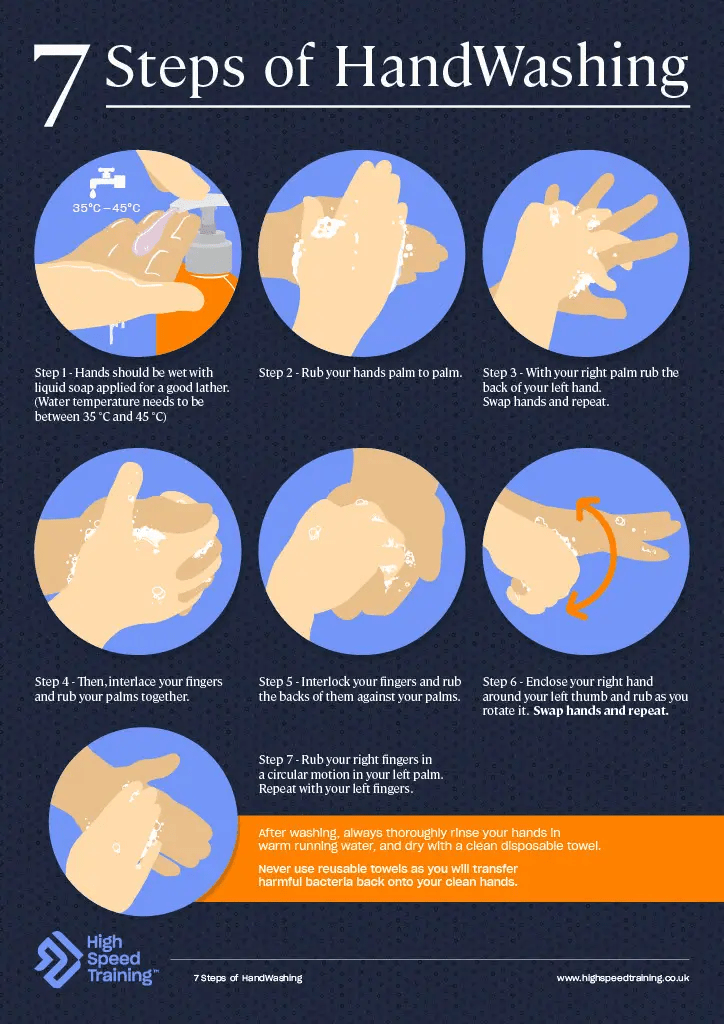
Free Hand Washing Poster

High Speed Training

Iraq – Food poisoning at Iraqi wedding leaves 50 people unwell

The National News

More than 50 people came down with food poisoning after attending a wedding in Iraq.

Spoiled food was served at the celebration in Hawijah, Kirkuk province, officials said on Wednesday.

The situation was “under control” by Thursday morning, Ziyad Khalaf, director general of the Kirkuk Health Department, told the state-owned Iraqi News Agency.

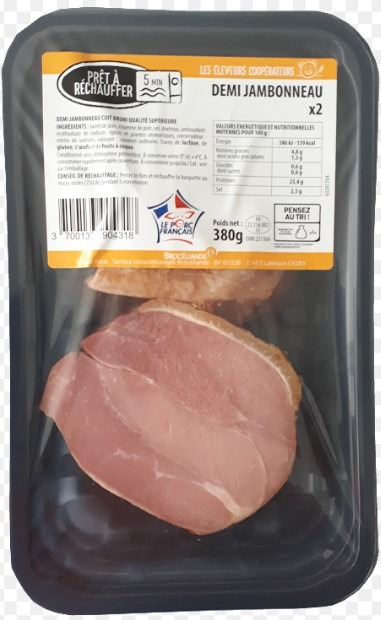
France – Half Browned Ham – Listeria monocytogenes

Gov france

  • Product category Food
  • Product subcategory Meats
  • Product brand name The cooperating breeders
  • Model names or references Hams in trays
  • Product identification
    GTIN Batch Date
    3700133904318 1197690 Use-by date 09/10/2023
  • Start/end date of marketing From 09/21/2023 to 10/09/2023
  • Storage temperature Product to keep in the refrigerator
  • Health mark FR 22 136 007 EC
  • Geographical sales area Departments: ESSONNE (91)
  • Distributors CORA

RASFF Alerts – Bacillus cereus – Cheese Dips

RASFF

Bacillus cereus in dip sauses from Netherlands in  Austria (d)(ffup) Belgium (d)(op)(ffup) Czech Republic (d)(ffup) Denmark (d)(op)(ffup) Estonia (d)(ffup) Finland (d)(ffup) France (d)(ffup) Germany (d)(ffup) Greece (d)(ffup) Hong Kong (d)(op)INFOSAN (ffa) Iceland (d)(ffup) Ireland (d)(op)(ffup) Latvia (d)(ffup) Lithuania (d)(ffup) Luxembourg (d)(op)(ffup)(ffa) Malta (d)(ffup) Netherlands (o)(d)(op)(ffup)(ffa)Northern Ireland (d) Norway (d)(ffup) Poland (d)(ffup) Sweden (n)(d)(op)(ffup) Ukraine (d)(op)(ffup) United Kingdom (d)(ffup)

RASFF Alerts – Mould/Molds – Turish Bread – Cookies – Licorice

RASFF

Mold in Turkish bread from The Netherlands in Germany

RASFF

Risk of mold on cookies from Denmark in Finland, France, Netherlands, Norway, Portugal, Sweden

RASFF

Mould in licorice  from the Netherlands in Denmark

RASFF Alerts – Ochratoxin A- Organic Dandelion Root

RASFF

Ochratoxin A in organic dandelion root from France in Germany

USA – Cantaloupe recalled due to Salmonella

Food Poison Journal

Eagle Produce LLC Scottsdale, AZ is initiating a voluntary recall of 6,456 cases of whole cantaloupe with the potential to be contaminated with Salmonella following a test conducted on cantaloupe in a distribution center by the FDA.

There have been no reported illnesses attributed to the recalled items as of September 27th, 2023

Norway – Mussel Safety Warning Tool

Matportalen

The Norwegian Food Safety Authority monitors algal toxins in mussels, and gives dietary advice every week. Here you can check whether it is safe to eat mussels from your district.

The mussel warning is an offer for those who want to pick shells for their own use. Norwegian cultivated mussels and other types of shells that are bought in shops and sold commercially must be controlled and safe.

In 2023, samples will be taken from 33 sampling points. See also blue gill warning for Sweden and Denmark .

In addition to monitoring algae deposits and algae toxins in shells, samples are also taken to map contamination by bacteria, viruses and environmental toxins.

The Norwegian Food Safety Authority started a national inspection program for shellfish in 2006. The program is a combination of dietary advice for the public and inspections at commercial shellfish farms. The advice to the public is coordinated by the Norwegian Food Safety Authority in Trondheim.

The water and net drag samples are sent to marine biologists who count different types of algae in the samples. The shell samples are sent to the Department of Food Safety and Infection Biology at the Norwegian University of Environmental and Biosciences – NMBU (formerly NVH) in Oslo, which carries out a chemical analysis.

The algae toxins that are mainly looked for are Diarrhetic Shellfish Poisoning toxin (DSP-toxin) and Paralytic Shellfish Poisoning toxin (PSP-toxin), which are respectively a diarrhea toxin and a nerve toxin. The algae that produce DSP poison are from the genus Dinophysis spp. and PSP poison is produced by algae from the genus Alexandrium spp. There is also a search for algae that produce Amnesic Shellfish Poisoning toxin (ASP poison) which damages the brain cells and can cause permanent memory loss, as well algae that can be toxic to fish.

Only chemical methods are used to examine the content of algal toxins in shells. Before 1 July 2011, the tests were done on mice.