RASFF – Salmonella enterica ser. Agona (in 1 out of 5 samples /25g) in dog chews from Germany in Austria
RASFF – too high count of Enterobacteriaceae (9000 CFU/g) in fish meal from Poland in Spain

A norovirus outbreak has sickened dozens of residents at Boutwells Landing in Oak Park Heights, Minnesota. That is a senior living facility. The first illnesses were reported on January 4, 2019.
About 10% of the 600 residents and 15% of employees have been sickened, Campus Administrator Wendy Kingbay told the Minneapolis StarTribune. The outbreak has occurred at senior apartments, townhouses, and assisted living apartments.
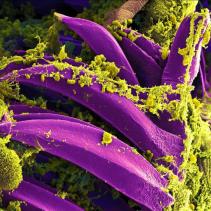
Image CDC
Besides Yersinia pestis (see plague) the Yersinia group of bacteria also includes two species frequently causing illness (mainly enteritis) in humans; Yersinia enterocolitica and Yersinia pseudotuberculosis.
Both are zoonoses, with a large number of animals, but mainly pigs, acting as reservoirs. Raw/undercooked meat consumption is often the cause of infection in humans. Direct transmission from other animals (e.g. pets) or through contaminated food or drink is also possible.
After an incubation period of 3–7 days, the clinical presentation includes fever, diarrhoea and abdominal pain in the right lower part of the abdomen, mimicking appendicitis. Both infections respond well to antibiotics, but untreated symptoms of abdominal pain may last for a long while. Children and adolescents are most affected. Other manifestations such as joint inflammation, “erythema nodosum” (a skin affection) and Reiter’s syndrome (inflammation of eyes and joints) can also appear.
Outbreaks are sometimes detected as a sudden increase in appendectomies due to mistaken diagnoses of appendicitis. Prophylactic measures include adequate hygiene in meat processing (especially of pork), hand hygiene and protection of water supplies.
The Scottish Food Enforcement Liaison Committee (SFELC) has endorsed guidance produced by their Joint Specialist Cheese and Risky Foods Short-Life Working Group on the production of cheese from unpasteurised milk.
The guidance aims to control the microbiological risks in the production of artisan cheeses made from unpasteurised milk, specifically Shiga toxin-producing Escherichia coli(STEC). The guidance applies to all establishments producing cheese made from unpasteurised milk from cows, goats, sheep and buffalo.
Cheese made from unpasteurised milk has been linked to outbreaks of human illness and in particular, illness caused by STEC organisms including E. coli O157. The guidance has been developed in relation to the control of STEC and is intended for use during the inspection and enforcement of food safety controls applied by cheesemakers producing cheese made from unpasteurised milk.
The guidance reflects current scientific knowledge and understanding in relation to STEC and the production of cheese from unpasteurised milk. As scientific information and evidence on STEC evolves, the guidance will be reviewed. In addition, the guidance will complete a pilot implementation phase before a scheduled review.
The guidance is available to view at: https://www.foodstandards.gov.scot/downloads/SFELC_Document.pdf.
Details of a recent report on pathogen risks in unpasteurised cheese in Scotland can be viewed on the HPS weekly report, current note 52/5006: http://www.hps.scot.nhs.uk/ewr/redirect.aspx?id=78563.
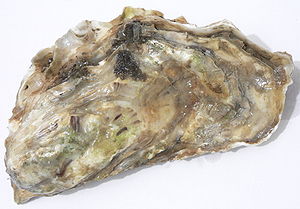
California officials have closed some commercial shellfish farming areas while they investigate an outbreak of norovirus that has sickened at least 44 people who reported eating raw oysters from Hog Island Oysters.
The company agreed to recall its “Sweetwater” and “Atlantic” oysters from a total of more than 40 restaurants and retailers in California, according to a notice posted by the California Department of Public Health (CDPH). The company did not appear to have any information about the recall or illnesses on its website as of last night.
A spokesperson for the CDPH told Food Safety News that the source of the highly contagious norovirus had not been determined as of yesterday afternoon. It has, however, been confirmed that norovirus is responsible for the illnesses, as opposed to other foodborne pathogens.


In general, CDC advises against eating any raw dough or batter, whether homemade or from a mix. Raw batter can contain germs that could make you sick.


The FDA has issued a press release, warning pet owners to not feed their dogs one lot of A+ Answers Straight Beef Formula for Dogs because it has tested positive for Salmonella bacteria. The lot number is 2018 20/08 20. Federal law requires all pet food be free from pathogens.
Salmonella can make pets and people sick. Symptoms of a Salmonella infection in both species include vomiting, diarrhea that may be bloody, and nausea. Pets can carry the bacteria but show no symptoms, and can pass it on to people. The bacteria is shed in their feces, which can get onto their coats and paws. Petting a pet can then transfer the pathogen to humans. And people can get sick if they handle the pet food and then eat or touch their mouths without washing their hands first.
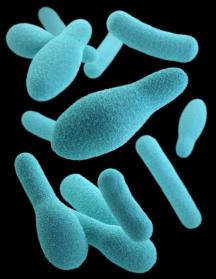
Image CDC
A traditional Norwegian fish dish has been recalled due to a link with a case of botulism.
Torpet Fiskeoppdrettsanlegg AS recalled rakfisk due to suspicions that consumption can cause botulism. Rakfisk is a traditional Norwegian fish dish made from trout or char, salted and then fermented for up to a year before being eaten without cooking.
The withdrawal applies to all varieties of the product that the company produced in 2018.
The news comes days after another company, Slidre Ørretsenter, recalled rakfisk that is the suspected source of a Listeria outbreak in the country that has sickened eight people. Listeria was detected in rakfisk produced by the firm and eight patients reported they ate this product before becoming ill.