Category Archives: Toxin

RASFF Alerts – Aflatoxins – Pistachio Nuts – Peanuts – Ochratoxin – Black Pepper

RASFF-Logo

RASFF -aflatoxins (Tot. = 18.4 µg/kg – ppb) in pistachio nuts from Iran in Germany

RASFF -aflatoxins (B1 = 45.9; Tot. = 47.5 µg/kg – ppb) in peanut kernels from Mauritius, via the Netherlands in Germany

RASFF -aflatoxins (B1 = 60.5; Tot. = 68.0 µg/kg – ppb) in pistachio kernels from Iran, dispatched from Turkey in Italy

RASFF -aflatoxins (B1 = 6.6; Tot. = 7.5 µg/kg – ppb) in blanched peanuts from China in France

RASFF-aflatoxins (B1 = 29.8 µg/kg – ppb) in pistachio nuts from Turkey in Germany

RASFF -ochratoxin A (22.5 µg/kg – ppb) in whole black pepper from India in Belgium

RASFF Alerts – Salmonella – Nutmeg – Dried Figs – Pistachio’s – Almond

RASFF-Logo

RASFF -aflatoxins (B1 = 9.8 µg/kg – ppb) in nutmeg from Indonesia, via China in Germany

RASFF – aflatoxins (B1 = 27.9; Tot. = 29.3 µg/kg – ppb) in dried figs from Turkey in Germany

RASFF-aflatoxins (B1 = 110; Tot. = 222 µg/kg – ppb) in dried figs from Spain In Germany

RASFF-aflatoxins (B1 = 49.4; Tot. = 52.9 µg/kg – ppb) in raw pistachios from Syria, dispatched from Turkey in Italy

RASFF-aflatoxins (B1 = 9.06; Tot. = 10.14 µg/kg – ppb) in shelled almonds from the United States in Spain

RASFF-aflatoxins (B1 = 22; Tot. = 25 µg/kg – ppb) in pistachio kernels from the United States, via Turkey in Italy

RASFF-aflatoxins (B1 = 18.9; Tot. = 20.6 µg/kg – ppb) in pistachios from Iran in Germany


Australia/Bali – Two Die from Scomboid Poisoning and Secondary Illness

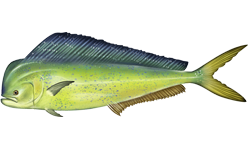
The Australian File:Coryphaena hippurus.png

NOELENE Bischoff and her teenage daughter Yvana died after eating toxic fish while on holidays in Bali, preliminary autopsy results reveal.

But the Sunshine Coast pair may have survived the rare poisoning, called Scombroid Syndrome Toxicity, had they not both been asthma sufferers which accelerated and intensified their reaction.

A spokesman for the Queensland Coroner Terry Ryan told The Australian the Bischoff family met with forensic pathologists in Brisbane yesterday and had been told the possible causes of death. However, autopsy testing has not been finalised.

Bischoff, 54, and her 14-year-old daughter died violently and mysteriously in Bali last month, hours after enjoying a final meal at the Padang Bai Beach resort restaurant.

They had eaten grilled mahi mahi fish, vegetarian pizza and chicken curry, before succumbing to vomiting and breathlessness.

USA- Beef Products Recall – STEC E.coli

E.coli Blog

PFP Enterprises, a Fort Worth, Texas, establishment, is recalling approximately 15,865 pounds of beef products because they may be contaminated with E. coli O103, E. coli O111, E. coli O121, E. coli O145, E. coli O26 and E. coliO45, the U.S. Department of Agriculture’s Food Safety and Inspection Service (FSIS) announced today.

FSIS personnel became aware of the problem during a Food Safety Assessment when they discovered that beef trim tested presumptive positive for multiple non-O157 Shiga toxin-producing E. coli (STEC) strains through the company’s testing program. The company inadvertently did not carry the test out to confirmation, and not all affected product was held.


Australia – Kebabs – STEC E.coli

Food Poisoning JournalEcoli Istock

NSW Health has been notified of four recent cases of a rare bacterial gastroenteritis, prompting NSW Health to issue an alert, particularly to people who may have purchased food at Kenny’s Kebabs at Miranda Fair in January.

Director of South Eastern Sydney Public Heath Unit, Professor Mark Ferson said the 4 patients with bloody diarrhoea caused by Shiga-toxin producing E. coli (STEC) bacteria infection were reported yesterday in patients from the Sutherland/St George area

RASFF Alert – Histamine – Sardines

Histamine3d

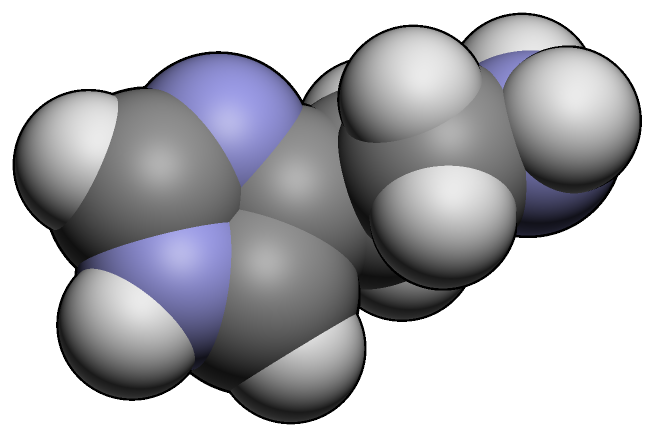
RASFF -histamine (417; 243; 177; 173 mg/kg – ppm) in frozen sardines from France

RASFF Alerts – Shellfish Poisoning – ASP -DSP – Mussels

PSP

RASFFDiarrhoeic Shellfish Poisoning (DSP) toxins – okadaic acid (180.5 µg/kg – ppb) in mussels (Mytillus galloprovincialis) from Spain in Italy

RASFFAzaspiracid Shellfish Poisoning (AZP) toxins – azaspiracid (up to 1225 µg/kg – ppb) in cooked mussels in white wine sauce from the Netherlands, with raw material from Denmark in Switzerland

USA – USDA Recall – Staphylococcus Enterotoxin – Pork Sausages

USDAEurofins Food Testing UK

Lee Bros. Foodservice Inc., a San Jose, Calif., establishment, is recalling 740 pounds of sausage products that may be contaminated with Staphylococcus aureus enterotoxin, the U.S. Department of Agriculture’s Food Safety and Inspection Service (FSIS) announced today.

The following products are subject to recall: [View Label]

  • 16 oz packages of Lee’s Sandwiches brand Pork Sausages produced on 2/11/13 with an identifying code “042P” printed on the back of the package
  • 16 oz packages of Lee’s Sandwiches brand Pork and Chicken Sausages produced on 2/12/13 with an identifying code of “043PC” printed on the back of the package

Each package bears the establishment number “Est. 11041” inside the USDA Mark of Inspection. The products were sold at the wholesale and retail level in Arizona, California, Oklahoma, Nevada, Texas and online.

The problem was discovered by FSIS personnel during a food safety assessment. The inspector was reviewing processing records and found that the water level in the product may have been high enough to allow for the production of Staphylococcus aureus enterotoxin. FSIS has received no reports of illnesses associated with consumption of these products. Individuals concerned about an illness should contact a physician.

Research – Effect of Temperatures on the Growth, Toxin Production, and Heat Resistance of Bacillus cereus in Cooked Rice

Mary Ann LeibertBacillus_cereus_01

Bacillus cereus is capable of producing enterotoxin and emetic toxin, and Bacillus foodborne illnesses occur due to the consumption of food contaminated with endospores. The objectives of this study were to investigate the growth and toxin production of B. cereus in cooked rice and to determine the effect of temperature on toxin destruction. Cooked rice inoculated with B. cereus was stored at 15, 25, 35, and 45°C or treated at 80, 90, and 100°C. The results indicated that emetic toxin was produced faster than enterotoxin (which was not detected below 15°C) at all the storage temperatures (15–45°C) during the first 72 h. Emetic toxin persisted at 100°C for 2 h, although enterotoxin was easily to be destroyed by this treatment within 15 min. In addition, B. cereus in cooked rice stored at a warm temperature for a period was not inactivated due to survival of the thermostable endospores. These data indicate that the contaminated cooked rice with B. cereus might present a potential risk to consumers. Results from this study may help enhance the safety of such food, and provide valuable and reliable information for risk assessment and management, associated with the problem of B. cereus in cooked rice.

Research – Current Intervention Strategies for the Microbial Safety of Sprouts

Ingenta Connect

Sprouts have gained popularity worldwide due to their nutritional values and health benefits. The fact that their consumption has been associated with numerous outbreaks of foodborne illness threatens the $250 million market that this industry has established in the United States. Therefore, sprout manufacturers have utilized the U.S. Food and Drug Administration recommended application of 20,000 ppm of calcium hypochlorite solution to seeds before germination as a preventative method. Concentrations of up to 200 ppm of chlorine wash are also commonly used on sprouts. However, chlorine-based treatment achieves on average only 1- to 3-log reductions in bacteria and is associated with negative health and environmental issues. The search for alternative strategies has been widespread, involving chemical, biological, physical, and hurdle processes that can achieve up to 7-log reductions in bacteria in some cases. The compilation here of the current scientific data related to these techniques is used to compare their efficacy for ensuring the microbial safety of sprouts and their practicality for commercial producers. Of specific importance for alternative seed and sprout treatments is maintaining the industry-accepted germination rate of 95% and the sensorial attributes of the final product. This review provides an evaluation of suggested decontamination technologies for seeds and sprouts before, during, and after germination and concludes that thermal inactivation of seeds and irradiation of sprouts are the most practical stand-alone microbial safety interventions for sprout production.