Category Archives: STX 2

Research – Response to Questions Posed by the Food and Drug Administration Regarding Virulence Factors and Attributes that Define Foodborne Shiga Toxin–Producing Escherichia coli (STEC) as Severe Human Pathogens

Journal of Food Protection

EXECUTIVE SUMMARY

The National Advisory Committee on Microbiological Criteria for Foods (NACMCF or Committee) was asked to report on (i) what is currently known about virulence and pathogenicity of Shiga toxin–producing Escherichia coli (STEC) and how they cause illness in humans; (ii) what methods are available to detect STEC and their specific virulence factors; and most importantly (iii) how to rapidly identify foodborne STEC that are most likely to cause serious human disease. Individual working groups were developed to address the charge questions, as well as to identify gaps and give recommendations for additional data or research needs. A complete list of Committee recommendations is in Chapter 4.

RASFF Alert – Foodborne outbreak suspected to be caused by shigatoxin-producing Escherichia coli (O26) in raw milk cheese

RASFF-Logo

RASFF – foodborne outbreak suspected to be caused by shigatoxin-producing Escherichia coli (O26) in raw milk cheese from France i n France

RASFF Alert – STEC E.coli – Coliforms – E.coli – Black Pepper Cheese

RASFF-Logo

RASFF – shigatoxin-producing Escherichia coli (stx1+ stx2+ /25g) and too high counts of coliforms (>150000 /g) and of Escherichia coli (>150000 /g) in black pepper cheese from Italy in Germany

Ireland – Recall of Tesco Finest St Felicien Du Dauphine Unpasteurised Cheese due to the Possible Presence of Shiga toxin-producing E. coli

FSAI

Message:

Tesco is recalling all batches of Tesco Finest St Félicien Du Dauphiné unpasteurised cheese, due to the possible presence of Shiga toxin-producing Eschericia coli.  Point-of-sale recall notices will be displayed in Tesco stores advising consumers not to eat the affected cheese.

Nature Of Danger:

Shiga toxin-producing Escherichia coli (STEC), also known as Verocytotoxigenic E. coli (VTEC), are a specific group of E. coli.  While most E. coli are harmless and live in the intestines of healthy humans, STEC produce a powerful toxin which can cause severe illness. Symptoms include abdominal cramps and diarrhoea which is sometimes bloody. Usually there is little or no fever, and patients recover within 5 to 10 days.  In some people however, particularly children under 5 years of age and the elderly, the infection can cause a complication called haemolytic uraemic syndrome (HUS), in which the red blood cells are destroyed and the kidneys can stop working properly.  The time between the initial infection and the first symptoms appearing is typically between 3 and 4 days but can range between 1 and 8 days.

Tesco Cheese


Canada – Le Pic brand “Saint-Félicien” cheese recalled due to E. coli O26

CFIA Le Pic - Saint-Félicien

Recall details

Ottawa, April 29, 2019 – La Fromagerie Hamel is recalling Le Pic brand “Saint-Félicien” cheese from the marketplace due to possible E. coli O26 contamination. Consumers should not consume the recalled product described below.

Recalled products

Brand Name Common Name Size Code(s) on Product UPC
Le Pic Saint-Félicien 180 g All codes up to and including April 29, 2019 0 20060641300 0

USA – E. coli O26 outbreak associated with Sodexo’s Café Mario sickens 22

Food Poison Journal

Public Health investigated an outbreak of Shiga toxin-producing E. coli (STEC) associated with I Love Sushi and Café Mario at Nintendo of America campus in Redmond. Café Mario is operated by Sodexo and is not open to the public. I Love Sushi is a food establishment that operates out of Café Mario once a week.

This outbreak appears to be over. After a thorough investigation, we do not have enough evidence to connect I Love Sushi to this outbreak.. No single food item prepared by Café Mario has been identified as the source of the illnesses. Everyone who reported illness has recovered.

France – French Cheeses Recalled after 12 with E. coli caused Kidney Failure

Food Poison Journal

CDC E.coli

Image CDC

According to press reports and French health authorities, the cheeses Saint-Félicien and Saint-Marcellin, both made by the Société Fromagerie Alpine in Romans-sur-Isère in the Drôme department, were pulled from shelves yesterday (Saturday April 27) due to the likely link to an E. coli outbreak.

The brands are mainly sold in large supermarkets such as Leclerc, Lidl and Auchan.

The recall was a “precautionary measure”, said the ministers for health and agriculture, after 13 children in several regions were reported to have contracted cases of hemolytic uremic syndrome (HUS) due to an E. coli infection, since March 21.  In the US, only about 5% of outbreak victims develop HUS, raising the question that this outbreak may impact a significant number of people.

Investigations revealed that several of the children had eaten these cheeses before symptoms appeared.

Anyone who still has cheese from this brand is advised not to eat the product.

RASFF Alert – STEC E.coli -O157 – Chilled Cow Carcases

RASFF-Logo

RASFF – shigatoxin-producing Escherichia coli (stx1-, stx2+, eae+, O157+) in chilled cow carcasses from Belgium in Belgium

RASFF Alerts – STEC E.coli – Filet Americaine – Chilled Boneless Meat

RASFF-Logo

RASFF – shigatoxin-producing Escherichia coli (stx +, eae + /25g) in filet americaine from Belgium in Belgium

RASFF – shigatoxin-producing Escherichia coli (O113: H21 – stx2+ /25g) in chilled boneless meat from Argentina in Germany

USA – Outbreak of E. coli Infections – E.coli O103 STEC

CDC

Latest Outbreak Information
Illustration of a megaphone.
At A Glance


Photo of romaine lettuce in a wood bowl.

  • A total of 109 people infected with the outbreak strain of E. coli O103 have been reported from six states.
    • Seventeen people have been hospitalized. No cases of hemolytic uremic syndrome, a type of kidney failure, have been reported. No deaths have been reported.
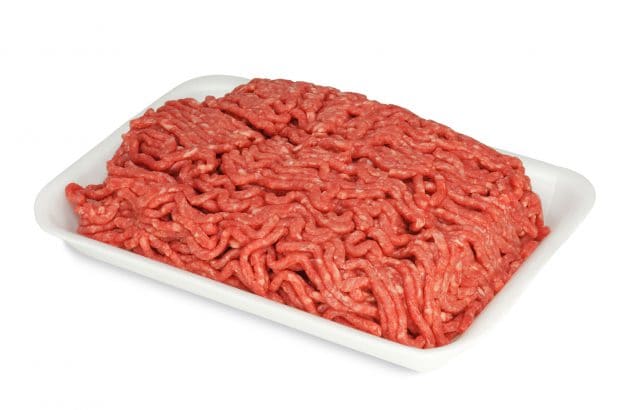
  • Preliminary epidemiologic information suggests that ground beef is the source of this outbreak.
    • Ill people in this outbreak report eating ground beef at home and in restaurants.
    • Traceback investigations are ongoing to determine the source of ground beef supplied to grocery stores and restaurant locations where ill people ate.
  • At this time, no common supplier, distributor, or brand of ground beef has been identified.
  • CDC is not recommending that consumers avoid eating ground beef at this time. Consumers and restaurants should handle ground beef safely and cook it thoroughly to avoid foodborne illness.
  • At this time, CDC is not recommending that retailers stop serving or selling ground beef.
  • This is a rapidly evolving investigation. We will provide updates as more information becomes available.