Do not consume, use, sell, serve, or distribute recalled products
The affected product is being recalled from the marketplace due to possible Salmonella contamination.
Do not consume, use, sell, serve, or distribute recalled products
The affected product is being recalled from the marketplace due to possible Salmonella contamination.
Posted in CFIA, food contamination, food handler, Food Hazard, Food Hygiene, Food Inspections, Food Micro Blog, Food Microbiology, Food Microbiology Blog, Food Microbiology Testing, Food Pathogen, Food Quality, food recall, Food Safety, Food Safety Alert, Food Safety Management, Food Safety Regulations, Food Testing, Salmonella
A recent report from the Food and Drug Administration has found that a sheep farm was likely a contributing factor in the contamination of onions.
The finding came when investigators searched for the cause of a 2020 outbreak of Salmonella Newport foodborne infections associated with red onions from the Southern San Joaquin Valley and Imperial Valley in California.
“The outbreak, which caused 1,127 reported domestic illnesses and 515 reported Canadian cases, is the largest Salmonella outbreak in over a decade,” according to the research report. “This outbreak is also remarkable because the food vehicle, whole red onions, is a raw agricultural commodity that had not been previously associated with a foodborne illness outbreak.”

Product category
Food
Product subcategory
Meats
Product brand name
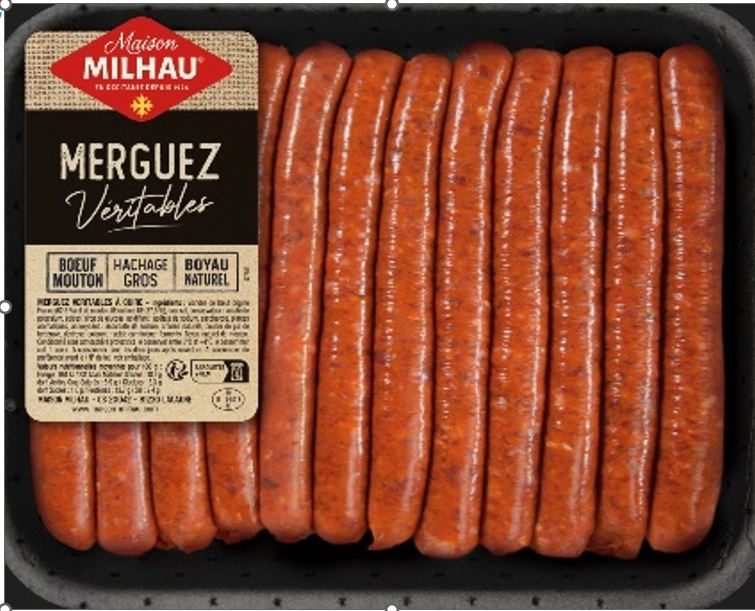
MILHAU HOUSE
Model names or references
300g, 600g trays and traditional shelf
Product identification
GTIN Batch Date
3289010001130 045401 – 045401 – 046401 Use-by date between 02/23/2024 and 02/26/2024
3289010001147 043401 – 046401 Use-by date between 02/23/2024 and 02/26/2024
3289012419315 043429 – 46419 – 043407 – 043414 – 044405 – 046412 – 046401 – 045406 Use-by date between 02/26/2024 and 02/29/2024
Packaging
In 300g, 600g trays or on the traditional shelf
Start/end date of marketing
From 02/13/2024 to 02/16/2024
Storage temperature
Product to keep in the refrigerator
Health mark
FR 81.124.012 CE
Geographical sales area
Whole France
Distributors
GMS
Posted in food contamination, food handler, Food Hazard, Food Hygiene, Food Inspections, Food Micro Blog, Food Microbiology, Food Microbiology Blog, Food Microbiology Testing, Food Pathogen, Food Quality, food recall, Food Safety, Food Safety Alert, Food Safety Management, Food Safety Regulations, Food Testing, Salmonella
Forty more patients have been identified as part of a Salmonella outbreak linked to charcuterie meat products.
As of Feb. 15 the Centers for Disease Control and Prevention was reporting 87 patients across 30 states. The Salmonella I 4:I:- infections have resulted in the hospitalization of 18 patients. Illnesses started on Nov. 20, 2023. The patients range in age from less than 1 to 92 years old.
The true number of people sickened in this outbreak is likely much higher than reported so far because many people do not seek medical attention and those who do are often not tested for Salmonella infection. The CDC estimates that for every case of Salmonella infection diagnosed there are 29 cases that are not identified.
Epidemiologic and laboratory data show that charcuterie meat products from Fratelli Beretta are making people in this outbreak sick. Fratelli Beretta has recalled many brands of charcuterie meat products containing Coppa. Of 46 patients interviewed, 78 percent reported eating a variety of charcuterie meats.
Do not consume, use, sell, serve, or distribute recalled products
The affected products are being recalled from the marketplace due to possible Salmonella contamination.
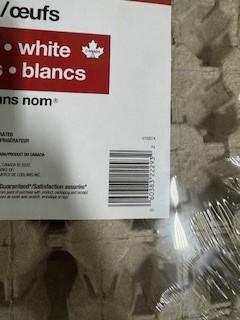
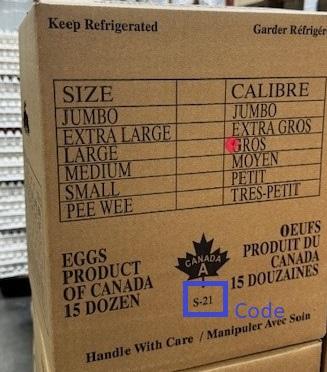
Only eggs with the specific lot code information in the table above are affected.
Posted in CFIA, food contamination, food handler, Food Hazard, Food Hygiene, Food Inspections, Food Micro Blog, Food Microbiology, Food Microbiology Blog, Food Microbiology Testing, Food Pathogen, Food Quality, food recall, Food Safety, Food Safety Alert, Food Safety Management, Food Safety Regulations, Food Testing, Salmonella, Salmonella in Eggs
The U.S. Department of Agriculture’s Food Safety and Inspection Service (FSIS) has
issued a notification on the recall of Beretta Antipasto and Beretta Coppa due to the possible
presence of Salmonella.
As the implicated products were imported into Singapore, SFA has directed the
importer, Indoguna (Singapore) Pte Ltd, to recall the products. The recall is ongoing.
Posted in food contamination, food handler, Food Hazard, Food Hygiene, Food Inspections, Food Micro Blog, Food Microbiology, Food Microbiology Blog, Food Microbiology Testing, Food Pathogen, Food Quality, food recall, Food Safety, Food Safety Alert, Food Safety Management, Food Testing, Salmonella, SFA

Product category
Food
Product subcategory
Nuts and seeds
Product brand name
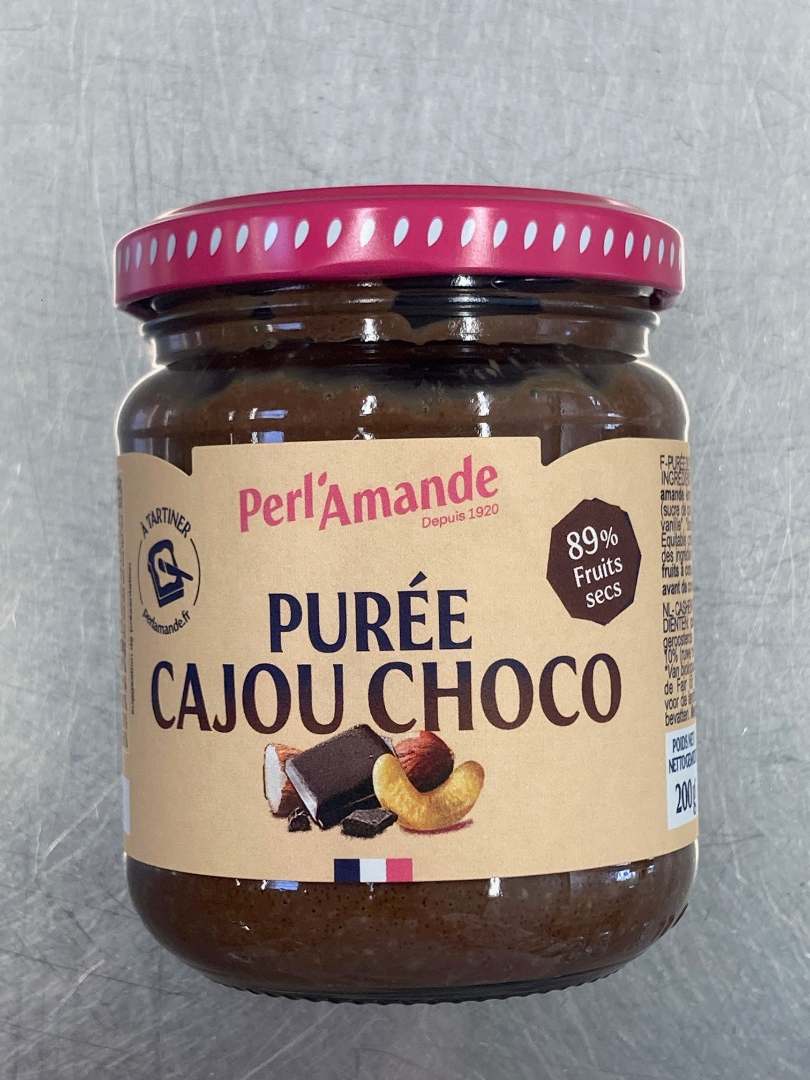
PEARL ALMOND
Model names or references
200G
Product identification
GTIN Batch Date
3267110001434 08.01.26 Minimum durability date 01/08/2026
Packaging
200G
Start/end date of marketing
From 01/10/2024 to 02/15/2024
Storage temperature
Product to be stored at room temperature
Geographical sales area
Whole France
Distributors
ORGANIC SPECIALTY STORES
The laboratory inoculation techniques should ideally mimic the real-life environment to reliably estimate the decimal reduction time (D-value) of bacteria for process validation. This study aims at investigating the influence of the inoculation method on the D-value of Salmonella in black pepper powder. Whole black peppercorns were either inoculated prior to grinding (pre-grinding procedure) or ground and then inoculated (post-grinding procedure). The ground black pepper was thermally treated at 80°C for 0-30 min. The D80°C values of Salmonella inoculated by pre-grinding and post-grinding procedures were 5.5 ± 0.8 and 3.9± 0.3, respectively. Salmonella and E. faecium were significantly (p⟨0.05) more thermally resistant in ground black pepper when inoculated pre- rather than post-grinding. Therefore, inoculation protocol must be considered by spice industries while validating the pasteurization process. E. faecium is a suitable surrogate for Salmonella because of its higher decimal reduction time for both inoculation methods.
Abstract
In 2020–2022, a total of 139 foodborne or household waterborne outbreaks were included
in the register of foodborne and waterborne outbreaks maintained by the Finnish Food
Authority. Of these, 135 (97%) were foodborne. A total of four household waterborne
outbreaks were reported over this same period. A total of 2 543 people were reported to
have fallen ill due food and 58 by household water.
As previously in the 2000s, norovirus was the most common reported cause of foodborne
outbreaks in 2020–2022. The norovirus caused 34 (25%) foodborne outbreaks. The largest
foodborne outbreak in 2020–2022 was caused by Salmonella Typhimurium in 2021, when
728 people became ill because of lunch meals in day-care centres. The causative agent
remained unknown in 33 (24%) foodborne outbreaks.
The most reported foods vectors were vegetables and vegetable products. These caused
16 outbreaks (12%). The second most common food vectors were fish and fish products,
including shellfish and mussels (12 outbreaks, 9%). However, in most of the outbreaks,
the food vector remained unidentified, or several foods were suspected as vectors (87
outbreaks, 64%).
The participation of an infected kitchen worker in food preparation and inadequate hand
hygiene resulted in 17% of foodborne outbreaks (23 outbreaks). In nearly all these cases the
causative agent was norovirus. The use of contaminated ingredients was linked to 18 (13%)
outbreaks. In 16 (12%) of outbreaks, there were inadequacies and errors in temperatures and
storage of food. The most reported location where foodborne outbreaks happened were
restaurants, cafés or hotels (64 outbreaks, 47%) The second most common were homes (16
outbreaks, 12%). A total of 16 national outbreaks or outbreaks with multiple locations were
also reported. Noroviruses caused two outbreaks identified as household waterborne and
campylobacters one outbreak. The causative agent remained unknown in one case. The
largest household waterborne outbreak was caused by campylobacter in 2020. A total of 43
people fell ill.
In 2020–2022, three swimming waterborne outbreaks, which caused 210 people to fall ill,
were reported in Finland. Either norovirus was diagnosed in swimmers, or their symptoms
suggested an infection caused by the norovirus. Norovirus was detected in the swimming
water only in one of the outbreaks. In all outbreaks, the quantities of indicator bacteria were
low. No clear cause of swimming water contamination was identified in any of the cases.