2023-01-10
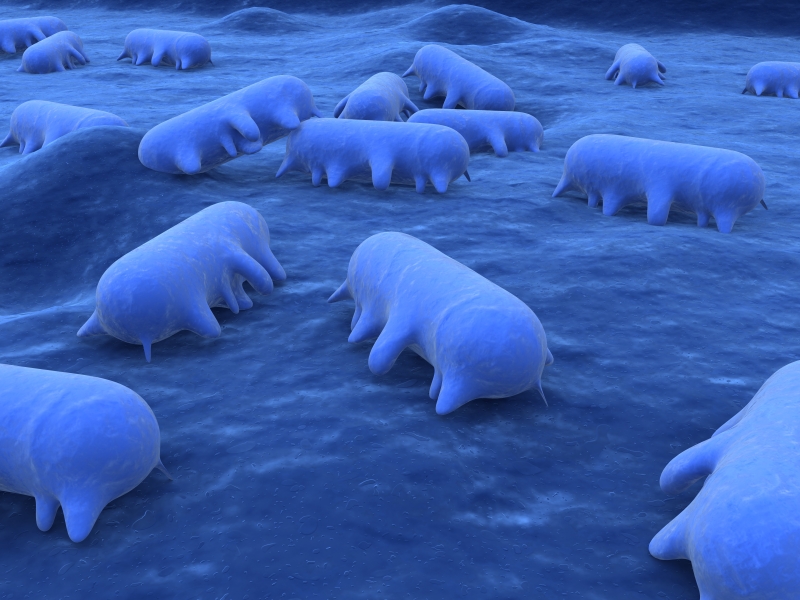
Lidl Sweden is recalling indoor free-range eggs 15-pack size M/L and 24-pack size M due to detection of salmonella in one of the stables where the eggs were laid.

2023-01-10
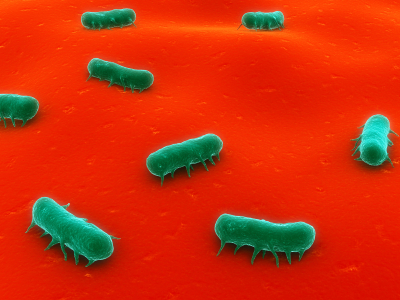
Lidl Sweden is recalling indoor free-range eggs 15-pack size M/L and 24-pack size M due to detection of salmonella in one of the stables where the eggs were laid.
Posted in food contamination, food handler, Food Hazard, Food Hygiene, Food Inspections, Food Micro Blog, Food Microbiology, Food Microbiology Blog, Food Microbiology Testing, Food Pathogen, food recall, Food Safety, Food Safety Alert, Food Safety Management, Food Safety Regulations, Food Testing, Salmonella, Salmonella in Eggs
Posted in food contamination, food handler, Food Hazard, Food Hygiene, Food Inspections, Food Micro Blog, Food Microbiology, Food Microbiology Blog, Food Microbiology Testing, Food Pathogen, food recall, Food Safety, Food Safety Alert, Food Safety Management, Food Safety Regulations, Food Testing, Salmonella, Salmonella in Eggs
2023-01-10
Coop extends the recall of Egg Free-range 12-pack, Coop Egg Free-range 24-pack and Xtra Egg Free-range 15-pack with more dates.
Posted in food contamination, food handler, Food Hazard, Food Hygiene, Food Inspections, Food Micro Blog, Food Microbiology, Food Microbiology Blog, Food Microbiology Testing, Food Pathogen, food recall, Food Safety, Food Safety Alert, Food Safety Management, Food Safety Regulations, Food Testing, Salmonella, Salmonella in Eggs

ICA is recalling ICA indoor free-range eggs 6-pack, 10-pack and 15-pack, ICA Breakfast Eggs free-range indoor 12-pack and ICA Basic indoor free-range eggs 24-pack due to the risk that the product may contain salmonella.
Posted in food contamination, food handler, Food Hazard, Food Hygiene, Food Inspections, Food Micro Blog, Food Microbiology, Food Microbiology Blog, Food Microbiology Testing, Food Pathogen, food recall, Food Safety, Food Safety Alert, Food Safety Management, Food Safety Regulations, Food Testing, Salmonella, Salmonella in Eggs
Kronegg recalls Free-range indoor 20-pack, 15-pack, 12-pack, 10-pack and 6-pack due to risk of salmonella. The eggs are sold by several retail chains, see press release.
Posted in food contamination, food handler, Food Hazard, Food Hygiene, Food Inspections, Food Micro Blog, Food Microbiology, Food Microbiology Blog, Food Microbiology Testing, Food Pathogen, food recall, Food Safety, Food Safety Alert, Food Safety Management, Food Safety Regulations, Food Testing, Salmonella, Salmonella in Eggs

2023-01-09
Coop extends egg recall with more dates. The recall applies to Coop Egg Free-range 12-pack and 24-pack and Xtra Egg Free-range 15-pack.
Posted in food contamination, food handler, Food Hazard, Food Hygiene, Food Inspections, Food Micro Blog, Food Microbiology, Food Microbiology Blog, Food Microbiology Testing, Food Pathogen, food recall, Food Safety, Food Safety Alert, Food Safety Management, Food Safety Regulations, Food Testing, Salmonella, Salmonella in Eggs
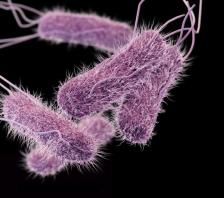
Salmonella are food-borne pathogens that infect millions of people a year. To do so, these bacteria depend on a complex network of genes and gene products that allow them to sense environmental conditions. In a new paper, researchers have investigated the role of small RNAs that help Salmonella express their virulence genes.
The bacteria infect humans by first invading the cells of the intestine using a needle-like structure, called a type 3 secretion system. This structure injects proteins directly into the cells, setting off a cascade of changes that cause inflammation, and ultimately cause diarrhea. The genes that encode this system, and other genes that are needed for invasion, are found on a region of DNA known as the Salmonella pathogenicity island 1.
The aim of this study was to describe two foodborne outbreaks caused by contaminated imported melon and make recommendations for future practice. Between March and July 2021, there was an outbreak of 113 cases of Salmonella Braenderup in the UK (62% female, median age 61 years, 33% hospitalized). Analytical epidemiological studies identified Galia melons as the vehicle of infection (OR 671.9, 95% CI 39.0–58,074.0, p < 0.001). Subsequently, the outbreak strain was isolated from two samples of Galia melon imported from Latin America. In July and August 2021, there was an outbreak of 17 cases of Shiga toxin-producing Escherichia coli (STEC) O157:H7 in the UK (53% female, median age 21 years, 35% were hospitalized). Review of the STEC surveillance questionnaire data, followed by the analysis of responses from a modified hypothesis-generating questionnaire, implicated eating precut watermelon from retailer B sourced from Europe as the vehicle of infection. Outbreaks of gastrointestinal pathogens caused by contaminated food of nonanimal origin are a global public health concern. Given the difficulty in removing pathogens from the flesh of ready-to-eat fruit and vegetables, public health interventions should target all steps of the food chain prior to consumption, from cultivation on the farm to processing/packing and distribution.
Posted in Decontamination Microbial, food bourne outbreak, Food Illness, Food Micro Blog, Food Microbiology, Food Microbiology Blog, Food Microbiology Research, Food Microbiology Testing, Foodborne Illness, foodborne outbreak, foodbourne outbreak, Illness, microbial contamination, Microbial growth, Microbiological Risk Assessment, Microbiology, Microbiology Investigations, Microbiology Risk, outbreak, Salmonella, STEC, STEC E.coli
Salmonella spp. in black pepper from Brazil in Germany
Salmonella spp. in black pepper from Brazil in Germany
Salmonella spp. in black pepper from Brazil in Germany
Salmonella spp. in black pepper from Brazil in Germany
Detected Salmonella in salted pork from the Netherlands in Germany and Sweden
Salmonella Enteritidis in poultry meat from Belgium in France
Salmonella enterica ser. Enteritidis in frozen chicken from Poland in Bulgaria and Italy
Salmonella Mbandaka in chilled whole chicken from Latvia via Estonia in Finland
Salmonella (in 1 out of 5 samples) in fresh fillets of broiler chicken breasts from Poland in Lithuania
Salmonella spp in anise seeds from Syria in Spain
Salmonella Enteritidis (in 1 out of 5 units) in chicken thighs without bone and skin from Poland in Latvia
Salmonella enterica ser. Mbandaka (presence in 2 out of 5 samples /25g) in chicken caesar sandwich from Estonia, containing frozen steam cooked chicken breast fillets from Ukraine, via the Netherlands in Estonia and Finland
Posted in food contamination, food handler, Food Hazard, Food Hygiene, Food Inspections, Food Micro Blog, Food Microbiology, Food Microbiology Blog, Food Microbiology Testing, Food Pathogen, food recall, Food Safety, Food Safety Alert, Food Safety Management, Food Safety Regulations, Food Testing, Polish Chicken Salmonella, RASFF, Salmonella, Salmonella in Black Pepper, Salmonella in Chicken, Salmonella Poland
WA Health is advising the public about an outbreak of diarrheal illnesses caused by Salmonella Typhimurium linked to consumption of Qukes® brand baby cucumbers.
Earlier today Pathwest confirmed Salmonella Typhimurium from a Qukes® brand baby cucumber purchased at a Perth metropolitan supermarket on 23 December 2022. The Qukes® cucumbers were tested as part of an investigation into 19 diarrheal illnesses in WA caused by a unique strain of Salmonella Typhimurium.
This information was communicated to the supplier, Perfection Fresh in South Australia. The investigation is ongoing, and the Department of Health WA is advising people not to consume Qukes® purchased in December 2022 until more information becomes available.
This is the only brand under investigation, other brands of cucumbers are safe to eat.