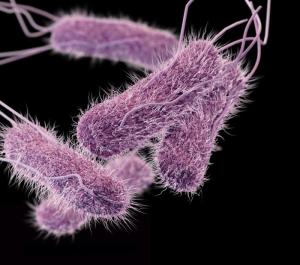
Salmonella is indeed a significant cause of foodborne illness worldwide and can be deadly, especially in certain vulnerable populations. Here are some key points regarding its severity: Read more in the link above

Salmonella is indeed a significant cause of foodborne illness worldwide and can be deadly, especially in certain vulnerable populations. Here are some key points regarding its severity: Read more in the link above
Posted in Animal Feed Salmonella, Food Microbiology Research, Pet Food Salmonella, Polish Chicken Salmonella, Research, Salmonella, Salmonella Betel Leaves, Salmonella Brazil, Salmonella Cantaloupes, Salmonella Dog Food, Salmonella in Black Pepper, Salmonella in Brazil Nuts, Salmonella in Chicken, Salmonella in Chocolate, Salmonella in Eggs, Salmonella in Nuts, Salmonella in Onions, Salmonella in Sprouts, Salmonella Peanut Butter, Salmonella Poland, Salmonella Sesame Seeds, Salmonella Tahini, Salmonella Oranienburg, salmonellosis

Eagle Produce LLC Scottsdale, AZ is initiating a recall of 224 cases of whole cantaloupe because they have the potential to be contaminated with Salmonella. Salmonella is an organism which can cause serious and sometimes fatal infections in young children, frail or elderly people, and others with weakened immune systems. Healthy people may experience fever, nausea, vomiting, diarrhea (which may be bloody), and abdominal pain. In rare cases the organism can get into the bloodstream and produce more severe illness such as arterial infections (i.e. infected aneurysms), endocarditis and arthritis.
The cantaloupe subject to the recall include:
|
Brand |
Item Description |
UPC Number Code |
Lot Code |
|---|---|---|---|
| Kandy | Whole Cantaloupe | 4050 | 846468 |
The products were distributed between August 13th – 17th in Michigan, Missouri, Ohio, Texas and Virginia and sold in various retail supermarkets. The cantaloupes are identified with a red and white sticker with KANDY across the top and UPC number code, 4050 No other products or lot code dates are affected by this recall.
There have been no reported illnesses attributed to the recalled items to date.
The recall is the result of routine sample testing conducted by the State of Michigan which revealed the presence of Salmonella in cantaloupe sold at retail.
Customers who have purchased these products are urged not to consume the products and should dispose of them. Consumers may contact Eagle Produce LLC for further information at 1-800-627-8674 Monday – Friday 9 AM – 5PM PST. Consumers with concerns about an illness from consumption of this product should contact a health care provider.
The company is cooperating with the FDA regarding this recall.
Posted in FDA, food contamination, food handler, Food Hazard, Food Hygiene, Food Inspections, Food Micro Blog, Food Microbiology, Food Microbiology Blog, Food Microbiology Testing, Food Pathogen, Food Quality, food recall, Food Safety, Food Safety Alert, Food Safety Management, Food Safety Regulations, Food Testing, Salmonella, Salmonella Cantaloupes
In September 2023, the UK Health Security Agency identified cases of Salmonella Saintpaul distributed across England, Scotland, and Wales, all with very low genetic diversity. Additional cases were identified in Portugal following an alert raised by the United Kingdom. Ninety-eight cases with a similar genetic sequence were identified, 93 in the United Kingdom and 5 in Portugal, of which 46% were aged under 10 years. Cases formed a phylogenetic cluster with a maximum distance of six single nucleotide polymorphisms (SNPs) and average of less than one SNP between isolates. An outbreak investigation was undertaken, including a case–control study. Among the 25 UK cases included in this study, 13 reported blood in stool and 5 were hospitalized. One hundred controls were recruited via a market research panel using frequency matching for age. Multivariable logistic regression analysis of food exposures in cases and controls identified a strong association with cantaloupe consumption (adjusted odds ratio: 14.22; 95% confidence interval: 2.83–71.43; p-value: 0.001). This outbreak, together with other recent national and international incidents, points to an increase in identifications of large outbreaks of Salmonella linked to melon consumption. We recommend detailed questioning and triangulation of information sources to delineate consumption of specific fruit varieties during Salmonella outbreaks.
The use of whole genome sequencing (WGS)-based surveillance and rapid epidemiological intervention allowed public health experts to quickly link a Salmonella enterica serovar Typhimurium outbreak to cantaloupes grown in the United States.
What is already known about this topic?
A 2020 outbreak of Salmonella infections was found to be associated with melons after conclusion of harvesting, when melons were no longer likely to be on the market.
What is added by this report?
In 2022, whole genome sequencing (WGS)–based Salmonella surveillance, historical melon farm environmental sampling results, and patient interviews were used to rapidly link a Salmonella Typhimurium outbreak to contaminated cantaloupes.
What are the implications for public health practice?
WGS-based surveillance, combined with rapid collection of epidemiologic data by state and local agencies, can be used to reduce the time to outbreak detection and response.
In the United States, the Salmonella Sundsvall outbreak linked to cantaloupe from Mexico has been declared over. The outbreaks sickened 407 people in 44 states. Six deaths were reported. The Centers for Disease Control and Prevention first reported the outbreak on November 17.
Of the 362 patients with information available, 158 were hospitalized.
Canadian officials have posted their final update on the Salmonella outbreak traced to cantaloupe, adding two deaths to the toll. There were 190 laboratory-confirmed cases of Salmonella Soahanina, Sundsvall, Oranienburg, and Newport illnesses associated with the nationwide outbreak. Sixty-eight patients were hospitalized, and nine died.
Read more at the link above.
In the United States a total of 407 people infected with one of the outbreak strains of Salmonella were reported from 44 states: Of 362 people with information available, 158 (44%) were hospitalized. Six deaths were reported.
In Canada a total, 190 laboratory-confirmed cases of Salmonella Soahanina, Sundsvall, Oranienburg, and Newport illness were linked to this outbreak. Sixty-eight (68) individuals were hospitalized, and nine deaths were reported.
All recalls that resulted from this investigation are listed on FDA’s cantaloupe recall website. Recalled cantaloupes are no longer available for sale and the use-by dates have passed.
Recalled whole and pre-cut cantaloupes and recalled product containing pre-cut cantaloupes were sold or distributed from September to early December 2023 and should be past shelf-life. Consumers who froze cantaloupe products should check if they are part of the recalls. If you are unsure of where your cantaloupes are from, you should discard them.
Recalled whole cantaloupe from the following brands:
Recalled pre-cut cantaloupe and products containing pre-cut cantaloupes (products made from recalled whole cantaloupes) can be found on the Major Recalls Page.
Illness usually occurs within 12 to 72 hours after eating contaminated food and usually lasts four to seven days. Symptoms include diarrhea, fever, and abdominal cramps. Children younger than five, the elderly, and people with weakened immune systems are more likely to have severe infections.
Ended
Canada:164 lab confirmed cases with 61 hospitalized with 7 deaths. (as of December 22)
United States: 302 lab confirmed cases with 129 hospitalized with 4 deaths. (as of December 14)
According to health officials, only a small proportion of all Salmonella infections are diagnosed and reported to health departments. It is estimated that for every reported case, there are approximately 38.6 undiagnosed infections.[1] The CDC estimates that 1.4 million cases, 15,000 hospitalizations, and 400 deaths are caused by Salmonella infections in the U.S. every year.[2]

 FoodWorld