Category Archives: PSP

New Zealand – Shellfish biotoxin alert lifted for South Head

MPI

The Ministry for Primary Industries today removed the public health warning against collecting shellfish from the North Island West Coast.

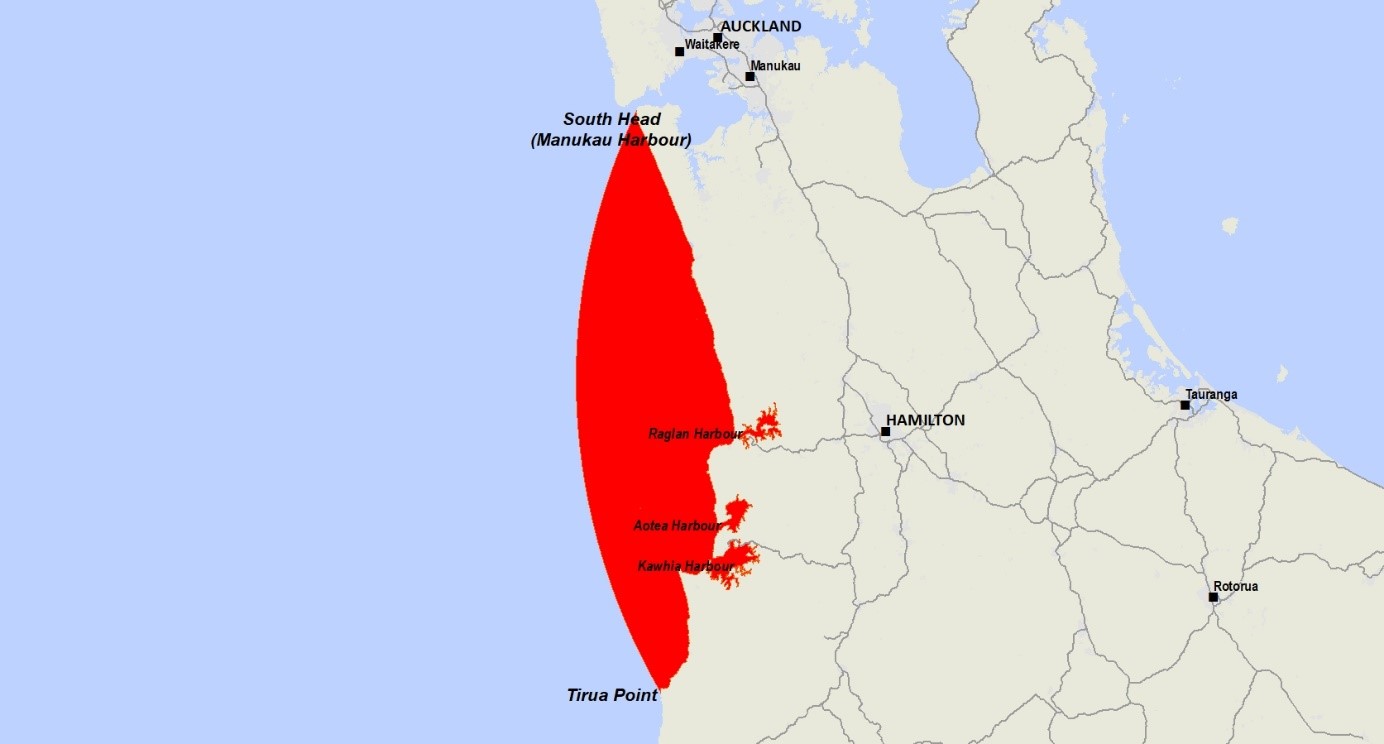
This warning was from South Head (Manukau Harbour) to Tirua Point (South of Kawhia) – North Island.  Further sampling of shellfish along this coastline has shown that Paralytic Shellfish Poisoning (PSP) toxins are now at safe levels.

Other warnings remain in place for West Coast – Waipapakauri to Kaipara – North Island

Oman – Dhofar Governorate records multiple food poisoning cases

Times of Oman

Dhofar Governorate recorded several food poisoning incidences due to eating some seashells that were affected by the red tide phenomenon

The Ministry of Health (MOH) said, “A number of health institutions in Dhofar Governorate have registered several food poisoning incidences as a result of consuming seashells that contained poisonous substances as the beaches were affected due to the red tide phenomenon.”

“In such cases, the infected person may suffer from various symptoms such as vomiting, diarrhoea, symptoms related to the nervous system like numbness, weakened movement and shortness of breath,” the ministry added.

Therefore, MOH urges fishermen and consumers to avoid eating fishes and seashells coming from the areas affected by the red tide. It has also called upon all to stay away from the areas that suspected to be affected by the red tide phenomenon to avoid poisoning.

New Zealand – Shellfish biotoxin alert – Northland west coast

MPI

The Ministry for Primary Industries today issued a public health warning against collecting shellfish on the Northland west coast from Waipapakauri on 90 Mile Beach, south to Pouto Point on the northern head of the Kaipara Harbour. This includes the Herekino, Whangape and Hokianga Harbours. Warning signs will be posted in the coming days.

Another warning remains in place for the west coast of the North Island – from South Head (Manukau Harbour entrance) to Tirua Point (south of Kawhia).

Routine tests on shellfish samples taken from these regions have shown levels of Paralytic Shellfish Poisoning (PSP) toxins above the safe limit of 0.8 mg/kg set by MPI. Anyone eating shellfish from this area is potentially at risk of illness.

Mussels, oysters, tuatua, pipi, toheroa, cockles, scallops, catseyes, kina (sea urchin) and all other bivalve shellfish should not be eaten.

Note, cooking shellfish does not remove the toxin.

Pāua, crab and crayfish may still be eaten if the gut has been completely removed prior to cooking, as toxins accumulate in the gut. If the gut is not removed its contents could contaminate the meat during the cooking process.

Symptoms typically appear between 10 minutes and 3 hours after ingestion and may include:

  • numbness and a tingling (prickly feeling) around the mouth, face, and extremities (hands and feet)
  • difficulty swallowing or breathing
  • dizziness
  • headache
  • nausea
  • vomiting
  • diarrhoea
  • paralysis and respiratory failure and in severe cases, death.

If anyone becomes ill after eating shellfish from an area where a public health warning has been issued, phone Healthline for advice on 0800 61 11 16, or seek medical attention immediately. You are also advised to contact your nearest public health unit and keep any leftover shellfish in case it can be tested.

Monitoring of toxin levels will continue and any changes will be communicated accordingly. Commercially harvested shellfish – sold in shops and supermarkets, or exported – is subject to strict water and flesh monitoring programmes by MPI to ensure they are safe to eat.

MPI Alerts

Canada – Updated Food Recall Warning – Certain Manila clams may be unsafe due to a marine biotoxin which causes Paralytic Shellfish Poisoning (PSP)

CFIA

Recall details

Ottawa, September 24, 2020 – The food recall warning issued on September 22, 2020 has been updated to include additional distribution information. This additional information was identified during the Canadian Food Inspection Agency’s (CFIA) food safety investigation.

Evergreen International Foodstuffs Ltd. is recalling certain Manila clams from the marketplace due to a marine biotoxin which causes PSP. Consumers should not consume the recalled product described below.

These Manila clams may also have been sold in bulk or in smaller packages with or without a label and may not bear the same brand, product name, or code as described below.

Recalled product

Brand Product Size Code
Evergreen Int’l Foodstuffs Ltd. Manila clams 25 lb. Harvest Date: Sep 16, 2020
Processing Date: Sep 17, 2020
Harvest Location: B.C. 17-20
Lot# 21057

What you should do

Check to see if you have the recalled product in your home. Recalled products should be thrown out or returned to the store where they were purchased. If you are unsure of the source of the clams, check with your place of purchase.

Paralytic shellfish toxins are a group of natural toxins that sometimes accumulate in bivalve shellfish that include oysters, clams, scallops, mussels and cockles. Non-bivalve shellfish, such as whelks, can also accumulate PSP toxins. These toxins can cause PSP if consumed. Symptoms of PSP include tingling and numbness of the lips, tongue, hands and feet, and difficulty swallowing with an onset of a few minutes and up to 10 hours after consumption. In severe situations, this can proceed to difficulty walking, muscle paralysis, respiratory paralysis and death.

Background

This recall was triggered by CFIA test results. The CFIA is conducting a food safety investigation, which may lead to the recall of other products. If other high-risk products are recalled, the CFIA will notify the public through updated Food Recall Warnings.

The CFIA is verifying that industry is removing the recalled product from the marketplace.

Illnesses

There have been no reported illnesses associated with the consumption of this product.

Public enquiries and media

Company information
Evergreen International Foodstuffs Ltd.: 604-253-8835
Public enquiries
Toll-free: 1-800-442-2342 (Canada and U.S.)
Telephone: 1-613-773-2342 (local or international)
Email: cfia.enquiries-demandederenseignements.acia@canada.ca
Media relations
Telephone: 613-773-6600
Email: cfia.media.acia@canada.ca

Canada – Certain Manila clams may be unsafe due to a marine biotoxin which causes Paralytic Shellfish Poisoning

CFIA

Recall details

Ottawa, September 22, 2020 – Evergreen International Foodstuffs Ltd. is recalling certain Manila clams from the marketplace due to a marine biotoxin which causes Paralytic Shellfish Poisoning. Consumers should not consume the recalled product described below.

These Manila clams may also have been sold in bulk or in smaller packages with or without a label and may not bear the same brand, product name, or code as described below.

Recalled product

Brand Product Size Code
Evergreen Int’l Foodstuffs Ltd. Manila clams 25 lb. Harvest Date: Sep 16, 2020
Processing Date: Sep 17, 2020
Harvest Location: B.C. 17-20
Lot# 21057

What you should do

Check to see if you have the recalled product in your home. Recalled products should be thrown out or returned to the store where they were purchased. If you are unsure of the source of the clams, check with your place of purchase.

Paralytic shellfish toxins are a group of natural toxins that sometimes accumulate in bivalve shellfish that include oysters, clams, scallops, mussels and cockles. Non-bivalve shellfish, such as whelks, can also accumulate Paralytic Shellfish Poisoning (PSP) toxins. These toxins can cause Paralytic Shellfish Poisoning (PSP) if consumed. Symptoms of Paralytic Shellfish Poisoning (PSP) include tingling and numbness of the lips, tongue, hands and feet, and difficulty swallowing with an onset of a few minutes and up to 10 hours after consumption. In severe situations, this can proceed to difficulty walking, muscle paralysis, respiratory paralysis and death.

Background

This recall was triggered by Canadian Food Inspection Agency (CFIA) test results. The CFIA is conducting a food safety investigation, which may lead to the recall of other products. If other high-risk products are recalled, the CFIA will notify the public through updated Food Recall Warnings.

The CFIA is verifying that industry is removing the recalled product from the marketplace.

Illnesses

There have been no reported illnesses associated with the consumption of this product.

Product photos

Printer ready version of photos

  • Evergreen Int'l Foodstuffs Ltd. - Manila clams

Public enquiries and media

Company information
Evergreen International Foodstuffs Ltd.: (604) 253-8835
Public enquiries
Toll-free: 1-800-442-2342 (Canada and U.S.)
Telephone: 1-613-773-2342 (local or international)
Email: cfia.enquiries-demandederenseignements.acia@canada.ca
Media relations
Telephone: 613-773-6600
Email: cfia.media.acia@canada.ca

New Zealand – Shellfish biotoxin alert – PSP

MPI

North Island warnings

West coast, South Head to Tirua Point (south of Kawhia)

Reason for alert Paralytic Shellfish Poisoning (PSP)

Date warning issued Extended on 2 September 2020

Media release

First issue: 12 August 2020

Media release

Affected area West Coast North Island – from South Head (Manukau Harbour entrance) to Tirua Point (south of Kawhia)
Shellfish affected Mussels, oysters, tuatua, pipi, toheroa, cockles, scallops, catseyes, kina (sea urchin) and all other bivalve shellfish.

Note, cooking shellfish does not remove the toxin.

Pāua, crab and crayfish may still be eaten if the gut has been completely removed prior to cooking, as toxins accumulate in the gut. If the gut is not removed its contents could contaminate the meat during the cooking process.

Symptoms Symptoms typically appear between 10 minutes and 3 hours after ingestion and may include:

  • numbness and a tingling (prickly feeling) around the mouth, face, and extremities (hands and feet)
  • difficulty swallowing or breathing
  • dizziness
  • headache
  • nausea
  • vomiting
  • diarrhoea
  • paralysis and respiratory failure and in severe cases, death.
Other information Paralytic shellfish toxins have been detected in shellfish at levels over the safe limit of 0.8mg/kg set by MPI. Ongoing testing will continue and any changes will be communicated accordingly.

Map of affected area

Map showing the affected area

New Zealand – Shellfish biotoxin alert – west coast of the North Island, including Raglan

MPI

The Ministry for Primary Industries (MPI) today issued a public health warning advising the public not to collect or consume shellfish harvested from South Head to Tauratahi Point – West Coast North Island.

Routine tests on shellfish samples taken from this region have shown levels of Paralytic Shellfish Poisoning (PSP) toxins above the safe limit of 0.8 mg/kg set by MPI. Anyone eating shellfish from this area is potentially at risk of illness.

Mussels, oysters, tuatua, pipi, toheroa, cockles, scallops, catseyes, kina (sea urchin) and all other bivalve shellfish should not be eaten.

Note, cooking shellfish does not remove the toxin.

Pāua, crab and crayfish may still be eaten if the gut has been completely removed prior to cooking, as toxins accumulate in the gut. If the gut is not removed its contents could contaminate the meat during the cooking process.

Symptoms typically appear between 10 minutes and 3 hours after ingestion and may include:

  • numbness and a tingling (prickly feeling) around the mouth, face, and extremities (hands and feet)
  • difficulty swallowing or breathing
  • dizziness
  • headache
  • nausea
  • vomiting
  • diarrhoea
  • paralysis and respiratory failure and in severe cases, death.

If anyone becomes ill after eating shellfish from an area where a public health warning has been issued, phone Healthline for advice on 0800 61 11 16, or seek medical attention immediately. You are also advised to contact your nearest public health unit and keep any leftover shellfish in case it can be tested.

Monitoring of toxin levels will continue and any changes will be communicated accordingly. Commercially harvested shellfish – sold in shops and supermarkets, or exported – is subject to strict water and flesh monitoring programmes by MPI to ensure they are safe to eat.

Find out more

RASFF Alert – Diarrhoeic Shellfish Poisoning (DSP) – Paralytic Shellfish Poisoning (PSP) – Live Queen Scallops

RASFF-Logo

RASFF – Diarrhoeic Shellfish Poisoning (DSP) toxins (SUM of lipophilic toxins >160 µg/kg – ppb), Diarrhoeic Shellfish Poisoning (DSP) toxins – okadaic acid and Paralytic Shellfish Poisoning (PSP) toxins in live queen scallops (Aequipecten opercularis) from France in France

USA – Paralytic shellfish poisoning (PSP) – Death

Food Safety News

The Alaska State Medical Examiner’s Office has confirmed that the death of an Alaska resident is consistent with paralytic shellfish poisoning (PSP). Officials have yet to release personal information.

Warnings have been issued to the community by email, fax, radio and social media after blue mussel samples collected from the beach on the same day the shellfish were consumed were found to have extremely high toxin levels, more than 100 times higher than the safe regulatory limit. The snail samples also had elevated toxin levels, but not as high as the blue mussels.

USA – Whatcom County Beaches Closed Due to Paralytic Shellfish Poisoning

Food Poisoning Bulletin

According to a press release from the Whatcom County Health Department, Whatcom County beaches have been closed to recreational shellfish harvest because the paralytic shellfish poisoning (PSP) biotoxin has reached unsafe levels in molluscan shellfish in Drayton Harbor.