Category Archives: Ochratoxin A

Research – Straw Can Pose Mycotoxin Risk in Dairy Heifer Diets

Dairy Herd

Straw is a common, high-fiber, low-energy ingredient in U.S. dairy heifer rations. While we normally monitor grain quality to watch for harmful mycotoxins, it turns out straw can carry its own mycotoxin risk, according to a recent feed quality evaluation by Alltech, Inc.

Each year, Alltech conducts comprehensive mycotoxin testing programs in the U.S., Canada, and Europe to assess the mycotoxin risk in newly harvested grain crops. For the first time this year, wheat and barley straw were added to the sampling in Europe.

Danish farmers were worried about the damaging effects of wet weather both pre- and post-harvest. Because excessive moisture delayed straw harvest, the crops lay in the field for extended periods, damaging quality and fueling mold contamination.

A total of 70 straw samples from Denmark were evaluated. Deoxynivalenol (DON) was identified in 84% of samples, and emerging mycotoxins were found in 70% of samples. All told, 95% of samples contained some form of mycotoxin, with 50% containing two or more.

According a bulletin on mycotoxins in forage shared by the University of Wisconsin, DON may be a marker for other mycotoxins in contaminated feeds. When young dairy animals consume mycotoxins, they can be at risk for feed refusals, diarrhea, and immunosuppression. Additionally, mycotoxin-induced outcomes may be vague, and include unthriftiness, rough haircoat, poor body condition, and reproductive problems.

Alltech technical advisor and veterinarian, Dr. Radka Boutova, DVM, suggested adding straw to the list of feedstuffs that are screened for mycotoxins if it is a commonly used ingredient in a young stock ration. This is particularly important if the straw crop was stressed and/or delayed in the field due to unfavorable weather conditions, or for any straw that shows visible signs of mold.

RASFF Alert- Mycotoxin – Ochratoxin A – Corn Flour

RASFF

Ochratoxin A (OTA) in corn flour from Poland in Belgium, Latvia, Lithuania, Poland and Romania

RASFF

Ochratoxin A in Turkish dried Figs in the Netherlands

Norway – Organic Whole Grain Rye Pasta – Ochratoxin A

Matportalen

“Bartolini Eko macaron 100% żytni pełnoziarnisty (ekologiczny) gniazda” with a best before date of 30/06/2024 will be withdrawn from the market. The reason is that the mold substance Ochratoxin A has been detected in the product.

Favoritt Mat AS in Stavanger reports that the products were sold to consumers as of 3 November 2021. The products are sold out in the store now, but can still be found at consumers’ homes.

Favoritt Mat AS asks consumers who have bought the product to throw it away or return it to the store.

Ochratoxin A is a naturally occurring toxin that is most often detected in moldy grain, legumes, coffee beans, some dried fruits, as well as juice and wine produced from grapes. Ochratoxins can cause kidney damage in humans and animals, and are suspected of being carcinogenic.

Contact information

Favorite Food AS: Piotr Demski tel: 968 78 600

RASFF Alerts – Mycotoxin – Ochratoxin A – Whole Grain Rye Pasta – Dried Figs

RASFF

100% whole grain rye pasta (organic) – ochratoxin A from Poland in Norway

RASFF

Ochratoxin A in organic dried Turkish figs in the Netherlands

Research – Protecting businesses and consumers from Mycotoxin contamination.- Infographic

Waters

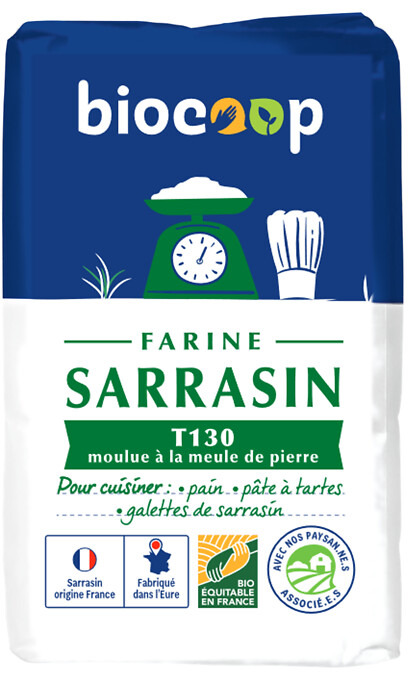
France – Buckwheat flour T130 – Ochratoxin A

Gov france

Identification information of the recalled product

  • Product category Feed
  • Product subcategory Cereals and baked goods
  • Product brand name BIOCOOP
  • Model names or references Buckwheat flour T130 1kg
  • Identification of products
    GTIN Batch Date
    3558630113005 290822 FSAT130S1 – 214 Date of minimum durability 08/29/2023
  • Products ListReminder_consumers_-_BR0216_-_130922.pdfAttachment
  • Packaging1kg package
  • Marketing start/end date From 08/22/2022 to 09/13/2022
  • Storage temperature Product to be stored at room temperature
  • Geographic area of ​​sale Whole France
  • Distributors Biocoop

Practical information regarding the recall

  • Reason for recall Following analysis, the level of ochratoxin A (OTA) is higher than the regulations in force.

Research – Underreported Human Exposure to Mycotoxins: The Case of South Africa

MDPI

South Africa (SA) is a leading exporter of maize in Africa. The commercial maize farming sector contributes to about 85% of the overall maize produced. More than 33% of South Africa’s population live in rural settlements, and their livelihoods depend entirely on subsistence farming. The subsistence farming system promotes fungal growth and mycotoxin production. This review aims to investigate the exposure levels of the rural population of South Africa to dietary mycotoxins contrary to several reports issued concerning the safety of South African maize. A systematic search was conducted using Google Scholar. Maize is a staple food in South Africa and consumption rates in rural and urban communities are different, for instance, intake may be 1–2 kg/person/day and 400 g/person/day, respectively. Commercial and subsistence maize farming techniques are different. There exist differences influencing the composition of mycotoxins in food commodities from both sectors. Depending on the levels of contamination, dietary exposure of South Africans to mycotoxins is evident in the high levels of fumonisins (FBs) that have been detected in SA home-grown maize. Other potential sources of exposure to mycotoxins, such as carryover effects from animal products and processed foods, were reviewed. The combined effects between FBs and aflatoxins (AFs) have been reported in humans/animals and should not be ignored, as sporadic breakouts of aflatoxicosis have been reported in South Africa. These reports are not a true representation of the entire country as reports from the subsistence-farming rural communities show high incidence of maize contaminated with both AFs and FBs. While commercial farmers and exporters have all the resources needed to perform laboratory analyses of maize products, the greater challenge in combatting mycotoxin exposure is encountered in rural communities with predominantly subsistence farming systems, where conventional food surveillance is lacking.

RASFF Alert – Ochratoxin A – Dried Figs

RASFF

Ochratoxin A in chopped dried figs from Türkiye in Switzerland and Germany

Belgium – Wholemeal rye flour Bio Demeter 1kg from the Hermus brand – Ochratoxin A

AFSCA

Recall of Biofresh Belgium
Product: Wholemeal rye flour Bio Demeter 1kg from the Hermus brand.
Problem: too high content of ochratoxin A.

In agreement with the FASFC, Biofresh Belgium withdraws the wholemeal rye flour Bio Demeter 1kg of the Hermus brand from sale and recalls it from consumers because of an excessively high content of ochratoxin A.
Biofresh Belgium asks its customers to not to consume this product and to bring it back to the point of sale where it was purchased where the product will be refunded.

Product description

– Product name: Wholemeal rye flour Bio Demeter 1kg
– Brand: Hermus
– Expiry date (DDM): 19/12/2022
– Batch number: 220222
– Sale period: from 21/03/2022 to 05/10/2022
– Type of packaging: paper bag
– Weight: 1kg

For further information, contact Biofresh Belgium customerservice, Telephone number: 015 79 59 39 or E-mail: customer@biofresh.be

RASFF Alerts – Mycotoxin – Ochratoxin A – Organic Dried Figs – Dark Raisins – Sultana Raisins

RASFF

High content of Ochratoxin A in organic dried figs from Turkey in Italy

RASFF

Ochratoxin A in dark raisins from Uzbekistan in Poland

RASFF

Exceeding the maximum level of mycotoxins (Ochratoxin A) in sultana raisins from Turkey in Poland