Category Archives: Microbiology Risk

UK – Vulnerable consumers advised of ongoing risk of Listeria associated with ready to eat smoked fish

FSA

The Food Standards Agency (FSA), Food Standards Scotland (FSS), and the UK Health Security Agency (UKHSA) are reinforcing their advice to vulnerable groups of consumers in relation to the risks of Listeria monocytogenes infection linked to ready to eat smoked fish.

The advice to those who are over 65, pregnant or have weakened immune systems is that they should ensure that ready to eat smoked fish is thoroughly cooked before they eat it. ‘Ready to eat smoked fish’ refers to chilled smoked fish products that would not normally be cooked at home before being eaten.

This is because of an ongoing outbreak of Listeria monocytogenes which is particularly unsafe for those who are susceptible to Listeria infection.

The investigation has identified 14 linked cases of listeriosis since 2020, with eight of these since January 2022. Cases have been identified in England and Scotland. The majority of these individuals reported eating ready to eat smoked fish. One case has been a pregnant woman.

Listeriosis is a form of food poisoning caused by the bacterium Listeria monocytogenes. Most people who are affected get mild gastroenteritis which subsides in a few days.

However, certain individuals are particularly at risk of severe illness such as meningitis and life-threatening sepsis. These include those over the age of 65, those with certain underlying conditions such as cancer, liver and kidney failure or who are taking medications which can weaken the immune system. Listeriosis in pregnancy can cause miscarriages and severe sepsis or meningitis in new-born babies.

While the risks to the general public of becoming seriously ill due to Listeria are very low, we need people who are vulnerable – specifically those over 65, pregnant women and people with weakened immune systems – to be aware of the ongoing risks of consuming ready to eat smoked fish.

If anyone from these groups is eating ready to eat smoked fish, we are reminding them of the advice to ensure that it is thoroughly cooked before they eat it including when served as part of a dish.

People can also further reduce the risk by keeping chilled ready to eat smoked fish cold (5⁰C or below), always using products by their use-by date, following the storage instructions on the label, and cooking it until it is piping hot right through.

Dr Caroline Handford, Acting Head of Incidents at the Food Standards Agency

Most people won’t have any symptoms of the infection or will only experience mild symptoms such as abdominal pain or diarrhoea, which usually pass within a few days without the need for treatment.

However, some people are at higher risk of much more serious illness, including those over 65, people who are pregnant or new-born babies, and those with weakened immune systems including people undergoing immunosuppressive treatment, and people with chronic liver or kidney disease.

In light of this ongoing outbreak, we are advising pregnant and vulnerable people to only eat ready to eat smoked fish that has been thoroughly cooked to reduce the risk of listeriosis. If you have any concerns about your health please speak to your midwife, GP or hospital specialist team.

Professor Saheer Gharbia, Interim Deputy Director Gastrointestinal Infections and Food Safety at UKHSA

More on Listeria:

Listeria is a bacterium that causes an illness called listeriosis. It is widespread in the environment and once a food product has been contaminated it can grow on food at standard refrigeration temperatures. It can be destroyed by thorough cooking. It is of most concern in chilled, ready to eat foods that are not normally cooked before being eaten, such as smoked fish. The full list risky foods associated with listeriosis is available on the NHS website: Listeriosis page.

The risk of listeriosis is particularly high but not completely limited to individuals above 65 years of age, those with cancer, organ transplants, patients taking steroids, patients undergoing immunosuppressive or cytotoxic treatment including biologics and chemotherapy, people who are pregnant and their unborn or new-born babies, those with uncontrolled HIV infection, uncontrolled diabetes, chronic liver or kidney disease, people with an alcohol dependency and those with iron overload.

More information can be found on the Listeria guidance page on the FSA website.
Research – Toxoplasma gondii in Foods: Prevalence, Control, and Safety

MDPI

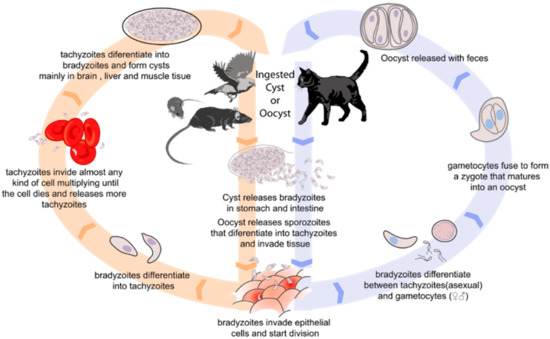
Toxoplasma gondii is an obligate intracellular parasite that causes toxoplasmosis, with approximately one third of the population around the world seropositive. The consumption of contaminated food is the main source of infection. These include meat products with T. gondii tissue cysts, and dairy products with tachyzoites. Recently, contamination has been detected in fresh products with oocysts and marine products. Despite the great health problems that are caused by T. gondii, currently there are no standardized methods for its detection in the food industry. In this review, we analyze the current detection methods, the prevalence of T. gondii in different food products, and the control measures. The main detection methods are bioassays, cell culture, molecular and microscopic techniques, and serological methods, but some of these do not have applicability in the food industry. As a result, emerging techniques are being developed that are aimed at the detection of multiple parasites simultaneously that would make their application more efficient in the industry. Since the prevalence of this parasite is high in many products (meat and milk, marine products, and vegetables), it is necessary to standardize detection methods, as well as implement control measures. View Full-Text

USA – Over 100 Cases Reported so Far in the Wendy’s E coli Outbreak

Food Poisoning News

In the latest update posted by the CDC on August 19th, 37 cases of E. coli O157:H7 infections were reported in the states of Ohio (19), Michigan (15), Indiana (1), and Pennsylvania (2). However, experts believe the actual number of infections to be much higher than 100, with estimates of at least 200 cases. Most notably, despite the CDC reporting 15 of the 37 cases occurring in Michigan, the Michigan Department of Health and Human Services (MDHHS) has reported 43 confirmed E. coli O157 infections. In total, the MDHHS received 98 reports of E. coli infections in August from Michigan residents. For reference, Michigan officials only received 20 reports of E. coli infections during the same time period in 2021. The 43 Michigan E. coli O157 infections have been confirmed to match the same strain of E. coli as the Wendy’s outbreak strain and all cases match the illness onset date of late July through early August. Michigan health officials are currently testing at least 55 additional E. coli infections to determine if they are also connected to the Wendy’s outbreak.

In Ohio, officials in Wood Country are testing samples from 22 residents with E. coli infections and have so far confirmed 9 of the cases to have stemmed from the same strain of E. coli bacteria. Experts believe that the true number of cases involved in the Wendy’s outbreak is much higher than reported and expect to see an increase of reported cases in the days to come.

Hotel in Budva Closed after Food Poisoning Outbreak, 12 Croatians Sick

Total Croatia News

ZAGREB, 28 August, 2022 – Montenegrin inspectors on Sunday closed the Loza Hotel in Budva after about 100 guests staying at the hotel on Saturday sought medical help due to symptoms of food poisoning.

Among the tourists, most of whom are from European countries, are 12 Croatians who were admitted to the “Danilo I” hospital in Cetinje.

The public RTCG broadcaster said on Sunday that their condition is good and that they should be released later in the day.

Inspection Directorate head Ana Vujošević said that this was the eighth time in the past few months that the Loza Hotel was being closed, noting that the hotel had reopened illegally on the previous seven occasions, which qualifies as a criminal offence.

The Montenegrin Public Health Institute said earlier that samples had been taken in all hotel areas to determine the cause of poisoning.

Most of the guests staying at the hotel have been transferred to other hotels in Budva, with the Montenegrin Ministry of Economy and Tourism covering the cost of their stay there.

Local officials late on Saturday night confirmed that around 100 tourists, most of whom were from Poland, Slovakia, Slovenia, and Croatia, had sought medical assistance in hospitals in Kotor, Bar, and Cetinje due to gastrointestinal problems.

Health Minister Dragoslav Šćekić said in a Twitter post that Montenegrin health institutions had promptly provided the patients with the necessary medical care.

Research – Listeria monocytogenes Illness and Deaths Associated With Ongoing Contamination of a Multi-Regional Brand of Ice Cream Products, United States, 2010–2015 

Academia Edu

Abstract

Background

Frozen foods have rarely been linked to Listeria monocytogenes illness. We describe an outbreak investigation prompted both by hospital clustering of illnesses and product testing.

Methods

We identified outbreak-associated listeriosis cases using whole-genome sequencing (WGS), product testing results, and epidemiologic linkage to cases in the same Kansas hospital. We reviewed hospital medical and dietary records, product invoices, and molecular subtyping results. Federal and state officials tested product and environmental samples for L. monocytogenes.

Results

Kansas officials were investigating five cases of listeriosis at a single hospital when, simultaneously, unrelated sampling for a study in South Carolina identified L. monocytogenes in Company A ice cream products made in Texas. Isolates from four patients and Company A products were closely related by WGS, and the four patients with known exposures had consumed milkshakes made with Company A ice cream while hospitalized. Further testing identified L. monocytogenes in ice cream produced in a second Company A production facility in Oklahoma; these isolates were closely related by WGS to those from five patients in three other states. These ten illnesses, involving three deaths, occurred from 2010 through 2015. Company A ultimately recalled all products.

Conclusion

In this U.S. outbreak of listeriosis linked to a widely distributed brand of ice cream, WGS and product sampling helped link cases spanning five years to two production facilities, indicating longstanding contamination. Comprehensive sanitation controls and environmental and product testing for L. monocytogenes, with regulatory over

Research – New FSIS Webpage: Reducing Salmonella in Poultry

Food Safety Magazine

The U.S. Department of Agriculture (USDA) Food Safety and Inspection Service (FSIS) recently introduced a new webpage to help reduce Salmonella in poultry. The webpage was created as part of an effort by FSIS to reduce Salmonella illnesses by 25 percent nationwide.

FSIS is continuously gathering the data and information necessary to support future action. The new webpage will offer updated news, information, and resources on Salmonella in poultry as it is collected. Along with the webpage, FSIS opened a dedicated email address for all inquiries related to Salmonella in poultry: salmonella@usda.gov.

Research – A Critical Look at Reducing the Risk of Salmonella from Poultry—Part 1

Food Safety Magazine

Salmonella Campylobacter

Poultry meat consumption has significantly increased over the past three decades in the U.S., and it is currently the most consumed meat protein compared to beef and pork. This increase has occurred gradually due to significant scientific research and advances in genetics, nutrition, and bird management and husbandry, resulting in reduced processing costs and, eventually, decreased meat costs for the consumer. This increase in consumption has come at a cost to the consumer, as well—the risk of salmonellosis related to higher consumption. The U.S. Centers for Disease Control and Prevention has reported that the incidence of salmonellosis has not declined, despite a reduction in Salmonella prevalence in poultry and poultry products. This may be related to several other foods being sources of Salmonella—for example, produce.

Research -Strategies to Reduce Clostridium botulinum Risk in Fresh-Cut Produce

Food Safety Magazine

kswfoodworld

The risks associated with Clostridium botulinum and low-acid canned foods, meats, seafood, and temperature-abused foods are generally well-established. However, there has been increasing consideration toward C. botulinum and its potential as a pathogen of concern for fresh-cut vegetables, fruits, and mushrooms.

For an industry segment beleaguered by recent outbreaks of Shiga toxin-producing Escherichia coliSalmonella enterica, and Listeria monocytogenes, consideration of a bacterial pathogen with vastly different growth characteristics—one that is less traditionally associated with fresh produce—may seem burdensome. However, recent incidences of C. botulinum in packaged mushrooms,1 increased characterization of the growth conditions required by nonproteolytic C. botulinum, widespread industry adoption of modified atmosphere packaging (MAP), and even increasing fuel costs may necessitate a second look at this pathogen’s association with fresh produce.

Research – Control Measurements of Escherichia coli Biofilm: A Review

MDPI

Escherichia coli (E. coli) is a common pathogen that causes diarrhea in humans and animals. In particular, E. coli can easily form biofilm on the surface of living or non-living carriers, which can lead to the cross-contamination of food. This review mainly summarizes the formation process of E. coli biofilm, the prevalence of biofilm in the food industry, and inhibition methods of E. coli biofilm, including chemical and physical methods, and inhibition by bioactive extracts from plants and animals. This review aims to provide a basis for the prevention and control of E. coli biofilm in the food industry. View Full-Text

Research – Enhancement of Thermal Inactivation of Cronobacter sakazakii in Apple Juice at 58 ºC by Inclusion of Butyl Para-Hydroxybenzoate and Malic Acid.

Journal of Food Protection

After studies with powdered infant formula indicated that the enhancement of thermal inactivation of Cronobacter sakazakii by butyl para-hydroxybenzoate (BPB) was blocked by the presence of high protein levels, we hypothesized that BPB would retain its synergistic activity in foods with a limited protein content and lipid content. This hypothesis was explored by examining the ability of BPB to enhance the thermal inactivation of Cronobacter sakazakii 607 at 58 °C in commercial apple juice, including examining the effects of pH and the possible synergistic effects with malic acid. Apple juice was adjusted to designated pH values between 3.2 and 9.0, supplemented with selected levels of BPB (≤125 ppm), inoculated with early stationary phase C. sakazakii 607, and thermally treated (58 °C) for 15 min using submerged coil apparatus. The same methods were used to study the enhancement of thermal inactivation by malic acid. Samples were plated on Tryptic Soy Agar for recovery and enumeration. Survival curves were plotted, and D-values were calculated and compared using ANOVA. Our results indicated BPB significantly enhanced thermal inactivation in a concentration dependent manner, with D-values of a few seconds at the original pH (3.8). The enhancement of thermal inactivation was pH dependent over the range of pH 3.4 to 9.0. Malic acid enhanced thermal inactivation as the pH was decreased from 3.8 to 3.2. The study supports the hypothesis that BPB can enhance the thermal inactivation of C. sakazakii in low protein foods.