Category Archives: microbial contamination

France -Whole whipping cream – Possible Bacterial Contamination

Gov france

Identification information of the recalled product

  • Product category Feed
  • Product subcategory Milk and dairy products
  • Product brand name PASTURES
  • Model names or references Whole whipping cream – 38cl – PATURAGES
  • Identification of products
    GTIN Batch Date
    03250391426287 9332325 Use-by date 08/26/2023
  • Packaging 38cl bottle
  • Marketing start/end date From 07/28/2023 to 08/03/2023
  • Storage temperature Product to be stored in the refrigerator
  • Health mark FR.89.263.001
  • Further information The lot number and expiry date affected by this recall are indicated on the bottle cap.
  • Geographic area of ​​sale Whole France
  • Distributors Intermarché

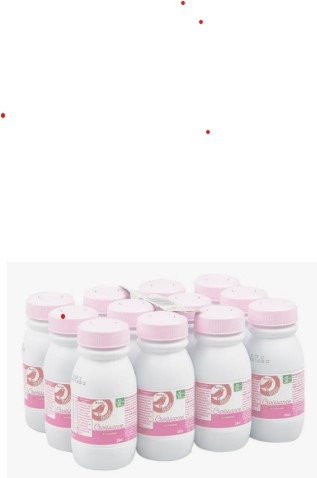
France – AUCHAN BABY GROWTH 12X25CL12/36 MONTHS – Rotten Milk

Gov france

Identification information of the recalled product

  • Product category Feed
  • Product subcategory baby food
  • Product brand name AUCHAN
  • Model names or references AUCHAN BABY GROWTH 12X25CL12/36 MONTHS
  • Identification of products
    GTIN Batch Date
    3596710481637 23142F Date of minimum durability 11/18/2023
  • Packaging bottles
  • Marketing start/end date From 06/06/2023 to 29/07/2023
  • Storage temperature Product to be stored at room temperature
  • Health mark EN 59.039.030 EC
  • Geographic area of ​​saleWhole France
  • Distributors Auchan stores and any other brand selling Auchan brand products

Research – Waterborne Infectious Diseases Associated with Exposure to Tropical Cyclonic Storms, United States, 1996–2018

CDC

Abstract

In the United States, tropical cyclones cause destructive flooding that can lead to adverse health outcomes. Storm-driven flooding contaminates environmental, recreational, and drinking water sources, but few studies have examined effects on specific infections over time. We used 23 years of exposure and case data to assess the effects of tropical cyclones on 6 waterborne diseases in a conditional quasi-Poisson model. We separately defined storm exposure for windspeed, rainfall, and proximity to the storm track. Exposure to storm-related rainfall was associated with a 48% (95% CI 27%–69%) increase in Shiga toxin–producing Escherichia coli infections 1 week after storms and a 42% (95% CI 22%–62%) in increase Legionnaires’ disease 2 weeks after storms. Cryptosporidiosis cases increased 52% (95% CI 42%–62%) during storm weeks but declined over ensuing weeks. Cyclones are a risk to public health that will likely become more serious with climate change and aging water infrastructure systems.

Research – An Overview of the Use and Applications of Limosilactobacillus fermentum in Broiler Chickens

MDPI

Abstract

The implementation of government regulations on antibiotic use, along with the public’s concern for drug resistance, has strengthened interest in developing alternatives not only aimed at preserving animal production but also at reducing the effects of pathogenic infections. Probiotics, in particular, are considered microorganisms that induce health benefits in the host after consumption of adequate amounts; they have been established as a potential strategy for improving growth, especially by stimulating intestinal homeostasis. Probiotics are commonly associated with lactic acid bacteria, and Limosilactobacillus fermentum is a well-studied species recognized for its favorable characteristics, including adhesion to epithelial cells, production of antimicrobial compounds, and activation of receptors that prompt the transcription of immune-associated genes. Recently, this species has been used in animal production. Different studies have shown that the application of L. fermentum strains not only improves the intestinal ecosystem but also reduces the effects caused by potentially pathogenic microorganisms. These studies have also revealed key insights into the mechanisms behind the actions exerted by this probiotic. In this manuscript, we aim to provide a concise overview of the effects of L. fermentum administration on broiler chicken health and performance

Research – Microbial Spoilage of Traditional Goose Sausages Produced in a Northern Region of Italy

MDPI

Abstract

Recently, during the ripening of goose sausage, a defect consisting of ammonia and vinegar smell was noticed. The producer of the craft facility, located in Lombardia, a Northern region of Italy, asked us to identify the cause of that defect. Therefore, this study aimed to identify the potential responsible agents for the spoilage of this lot of goose sausages. Spoilage was first detected by sensory analysis using the “needle probing” technique; however, the spoiled sausages were not marketable due to the high ammonia and vinegar smell. The added starter culture did not limit or inhibit the spoilage microorganisms, which were represented by Levilactobacillus brevis, the predominant species, and by Enterococcus faecalis and E. faecium. These microorganisms grew during ripening and produced a large amount of biogenic amines, which could represent a risk for consumers. Furthermore, Lev. brevis, being a heterofermentative lactic acid bacteria (LAB), also produced ethanol, acetic acid, and a variation in the sausage colour. The production of biogenic amines was confirmed in vitro. Furthermore, as observed in a previous study, the second cause of spoilage can be attributed to moulds which grew during ripening; both the isolated strains, Penicillium nalgiovense, added as a starter culture, and P. lanosocoeruleum, present as an environmental contaminant, grew between the meat and casing, producing a large amount of total volatile nitrogen, responsible for the ammonia smell perceived in the ripening area and in the sausages. This is the first description of Levilactobacillus brevis predominance in spoiled goose sausage.

Research – Prevalence of Listeria monocytogenes in RTE Meat Products of Quevedo (Ecuador)

MDPI

Abstract

Listeria monocytogenes is a foodborne pathogen that causes listeriosis and can be a problem in areas where meat products are sold at unregulated storage temperatures. In this work, the prevalence of L. monocytogenes was determined in the five most widely traded meat products in the province of Quevedo (Ecuador): bacon, “chorizo paisa”, grilled hamburger meat, mortadella, and salami. A total of 1000 samples of these products were analyzed in two seasons of the year (dry season/rainy season). All L. monocytogenes isolates were confirmed by PCR with primers designed for the iap gene. Furthermore, the positive samples were quantified for L. monocytogenes. Of the 1000 meat products analyzed, 163 were positive for L. monocytogenes (16.3%). The prevalence of L. monocytogenes in the two seasons in different meat products was as follows: 22.5% in mortadella, 19% in hamburger meat, 15% in bacon, 14.5% in chorizo paisa and 10.5% in salami. In addition, the concentration of L. monocytogenes in most of the positive samples was in the range of 4–6 log CFU/g or even higher. The results show the need for improvements in the hygienic measures and meat storage temperatures in Quevedo (Ecuador) to avoid risks of foodborne listeriosis.

CDC monitoring long-running Listeria strain behind 12 deaths

Food Safety News

TORONTO – Monitoring of related Listeria infections over multiple years has seen more than 80 cases and a dozen deaths, according to the Centers for Disease Control and Prevention.

Michael Vasser, from the CDC, gave details about the reoccurring, emerging and persisting (REP) strain during a recent presentation at the International Association for Food Protection.

USA – Source of foodborne illness outbreak remains unknown – Cyclospora

Ouray News

Health officials unable to pinpoint food that has sickened more than 100 who ate at Ridgway’sTaco del GNAR

Three months after the first diner reported falling ill, federal and state health officials still haven’t pinpointed the source of contaminated food that has sickened more than 100 people who ate at Taco del GNAR in Ridgway.

Paul Galloway, a spokesman for the Colorado Department of Public Health and Environment, said a total of 144 cases of cyclosporiasis have been reported thus far to the state involving Western Slope residents who did not travel internationally. Health officials have attempted to interview 143 people, with all but 10 of them reporting they ate at the Ridgway taco shop. Of the remaining 10, two said they didn’t eat at the restaurant, one wasn’t sure and seven couldn’t be reached for an interview, according to Galloway. He said the last known date someone ate at Taco del GNAR and contracted the parasite was June 10.

The number of people infected with the Cyclospora parasite is likely much higher than that reported by the state health department, because the confirmed cases reflect only those who have reported their symptoms to the state or sought medical treatment.

Kenya – E. coli bacteria on the rise in Nairobi

Standard Media

This increase in E. coli is mostly associated with food poisoning, which happens when people consume contaminated water, food, undercooked meat, or unpasteurised milk.

Cases of these bacteria are causing drug resistance due to their mobile genetic elements.

A study published in the Proceedings of the National Academy of Sciences shows that pathogens are more likely to jump from animals to humans in dense areas.

The study showed that the bacteria is spreading more in areas of Nairobi with high populations of livestock and urban-adapted wildlife, like rats. These areas are often lower-income neighbourhoods with inadequate sanitation and poor waste management.

The study was led by Dr James Hassell, a wildlife veterinarian, and epidemiologist, along with Kenyan and United Kingdom partners. They collected E. coli samples from over 2,000 people, livestock, and urban wildlife in 33 locations across Nairobi.

Research – Cheese link in Italian HUS case

Food Safety News

Italian authorities have issued a warning after a young girl developed a serious condition after suffering an E. coli infection.

The Ministry of Health (Ministero della Salute) published a notice to consumers following a case of hemolytic uremic syndrome (HUS) which has affected a child in Trentino. HUS is a severe complication associated with E. coli infections that causes kidney failure.

Local health authorities have taken steps to try and verify the source of infection. They identified a probable link to the consumption of cheese produced in a malga, which is an alpine hut, in Coredo. In late July, local officials said the girl was hospitalized.

A related Rapid Alert System for Food and Feed (RASFF) report shows Shiga toxin-producing E. coli (STEC) O26 was detected in the cheese.

To protect public health, it was advised that anyone who had purchased dairy products from the implicated site, before July 14, should not consume them. Officials also added that raw milk products should not be given to children under 5 years of age or the elderly.