
KSWFoodWorld
Category Archives: Illness
USA- Decreased Incidence of Infections Caused by Pathogens Transmitted Commonly Through Food During the COVID-19 Pandemic — Foodborne Diseases Active Surveillance Network, 10 U.S. Sites, 2017–2020
Summary
What is already known about this topic?
Before 2020, the incidence of infections transmitted commonly by food had not declined for many years.
What is added by this report?
During 2020, FoodNet identified 26% fewer infections compared with the average annual number during 2017–2019, including decreased infections associated with international travel.
What are the implications for public health practice?
The pandemic and resulting public health response present challenges to explaining changes in observed foodborne illness incidences. Continued surveillance might help elucidate the impact of the COVID-19 pandemic on foodborne illness and identify strategies to decrease illnesses. Concerted efforts are needed to reduce the incidence of these infections from farm to processing plant to restaurants and homes. Consumers can reduce their risk of foodborne illness by following safe food-handling and preparation recommendations.
Foodborne illnesses are a substantial and largely preventable public health problem; before 2020 the incidence of most infections transmitted commonly through food had not declined for many years. To evaluate progress toward prevention of foodborne illnesses in the United States, the Foodborne Diseases Active Surveillance Network (FoodNet) of CDC’s Emerging Infections Program monitors the incidence of laboratory-diagnosed infections caused by eight pathogens transmitted commonly through food reported by 10 U.S. sites.* FoodNet is a collaboration among CDC, 10 state health departments, the U.S. Department of Agriculture’s Food Safety and Inspection Service (USDA-FSIS), and the Food and Drug Administration. This report summarizes preliminary 2020 data and describes changes in incidence with those during 2017–2019. During 2020, observed incidences of infections caused by enteric pathogens decreased 26% compared with 2017–2019; infections associated with international travel decreased markedly. The extent to which these reductions reflect actual decreases in illness or decreases in case detection is unknown. On March 13, 2020, the United States declared a national emergency in response to the COVID-19 pandemic. After the declaration, state and local officials implemented stay-at-home orders, restaurant closures, school and child care center closures, and other public health interventions to slow the spread of SARS-CoV-2, the virus that causes COVID-19 (1). Federal travel restrictions were declared (1). These widespread interventions as well as other changes to daily life and hygiene behaviors, including increased handwashing, have likely changed exposures to foodborne pathogens. Other factors, such as changes in health care delivery, health care–seeking behaviors, and laboratory testing practices, might have decreased the detection of enteric infections. As the pandemic continues, surveillance of illness combined with data from other sources might help to elucidate the factors that led to the large changes in 2020; this understanding could lead to improved strategies to prevent illness. To reduce the incidence of these infections concerted efforts are needed, from farm to processing plant to restaurants and homes. Consumers can reduce their risk of foodborne illness by following safe food-handling and preparation recommendations.
FoodNet conducts active, population-based surveillance of laboratory-diagnosed infections caused by Campylobacter, Cyclospora, Listeria, Salmonella, Shiga toxin-producing Escherichia coli (STEC), Shigella, Vibrio, and Yersinia reported from 10 sites covering approximately 15% of the U.S. population (approximately 50 million persons per U.S. Census Bureau estimates in 2019). Bacterial infections are defined as isolation of bacteria from a clinical specimen by culture or detection of pathogen antigen, nucleic acid sequence, or, for STEC,† Shiga toxin or Shiga toxin genes by a culture-independent diagnostic test (CIDT).§ Listeria infections are defined as isolation of L. monocytogenes or detection of its nucleic acid sequences from a normally sterile site, or from placental or fetal tissue in the instance of miscarriage or stillbirth. Cyclospora infections are defined as detection of the parasite using ultraviolet fluorescence microscopy, specific stains, or polymerase chain reaction.
In this analysis, patients with no history of international travel or unknown travel were considered to have domestically acquired infection.¶ Death was attributed to infection when it occurred during hospitalization or within 7 days after specimen collection for non-hospitalized patients. Incidence (cases per 100,000 population) was calculated by dividing the number of infections in 2020 by the U.S. Census estimates of the surveillance area population for 2019. Incidence measures included all laboratory-diagnosed infections. A negative binomial model with 95% confidence intervals (CIs) was used to estimate change in incidence during 2020 compared with those during 2017–2019, adjusting for changes in the population over time.
Surveillance for physician-diagnosed post-diarrheal hemolytic uremic syndrome (HUS), a complication of STEC infection characterized by renal failure, thrombocytopenia, and microangiopathic anemia, was conducted through a network of nephrologists and infection preventionists and by hospital discharge data review. This report includes HUS data for children aged <18 years for 2019, the most recent year for which data are available. FoodNet surveillance activities were reviewed by CDC and were conducted consistent with applicable federal law and CDC policy.**
During 2020, FoodNet identified 18,462 cases of infection, 4,788 hospitalizations, and 118 deaths (Table). The overall incidence was highest for Campylobacter (14.4 per 100,000 population), followed by Salmonella (13.3), STEC (3.6), Shigella (3.1), Yersinia (0.9), Vibrio (0.7), Cyclospora (0.6), and Listeria (0.2). During 2020, 26% fewer infections were reported compared with the average annual number reported during 2017–2019; the incidence in 2020 was significantly lower for all pathogens except Yersinia and Cyclospora. The percentage of infections resulting in hospitalization increased 2% compared with 2017–2019 (Figure 1). During 2020, 5% (958) of infections were associated with international travel compared with 14% during 2017–2019. In 2020, most (798; 83%) of these infections occurred during January–March.
Overall, 59% of bacterial infections were diagnosed using a CIDT (range = 14% [Listeria] to 100% [STEC]); this was a 2% increase from 2017−2019. The percentage diagnosed using only a CIDT (i.e., including specimens with negative cultures and those not cultured) was 1% higher during 2020 than the percentage during 2017−2019. Among specimens with a positive CIDT result during 2020, a reflex culture†† was performed for 73%, which was 2% lower than during 2017–2019. Reflex cultures decreased for Vibrio (by 15%), Yersinia (7%), Campylobacter (5%), and STEC (2%); increased for Salmonella (2%), and Shigella (2%); and did not change for Listeria.
Among 5,336 (91%) fully serotyped Salmonella isolates in 2020, the seven most common serotypes were Enteritidis (1.6 per 100,000 population), Newport (1.5), Javiana (1.0), Typhimurium (0.9), I 4,[5],12:i:- (0.5), Hadar (0.4), and Infantis (0.3). Compared with 2017–2019, incidence during 2020 was significantly lower for I 4,[5],12:i:- (48% lower), Typhimurium (37% lower), Enteritidis (36% lower), and Javiana (31% lower). Incidence was significantly higher for Hadar (617% higher; 95% CI = 382–967) and did not change significantly for Newport or Infantis. Most (73%) of the 631 outbreak-associated Salmonella infections during 2020 were caused by three serotypes: Newport (220; 35%), Hadar (135; 21%), and Enteritidis (108; 17%). All outbreak-associated Hadar infections were from one multistate outbreak linked to contact with backyard poultry; 47 (35%) illnesses resulted in hospitalization. Four serogroups accounted for 63% of the 955 culture-positive STEC isolates. Serogroup O157 was most common (264; 28%), followed by O26 (148; 15%), O103 (115; 12%), and O111 (78; 8%).
FoodNet identified 63 cases of post-diarrheal HUS in children aged <18 years (0.6 cases per 100,000 population) during 2019; 55 (87%) had evidence of STEC infection and 41 (65%) were in children aged <5 years (1.4 per 100,000 population). These rates were similar to those during 2016–2018.
USA – How to Report a Foodborne Illness – General Public
Please contact your local health department, also known as a county or city health department, if you believe you or someone you know became ill from eating a certain food. Ask to speak with the environmental health specialist, or sanitarian, about a possible food problem. Refer to your state health department website to find more information about how to contact your local health department.
Reporting illnesses to your local health department helps them identify potential foodborne disease outbreaks. Public health officials learn about possible problems in food preparation, production, and distribution that may cause illness during investigations of foodborne disease outbreaks.
Contact CDC about a Foodborne Illness:
Please call CDC INFO at 1-800-CDC-INFO (1-800-232-4636).
USA – Georgetown University reports outbreak among students; source unknown
At least a dozen students at Georgetown University have reported being sick with symptoms that resemble foodborne illness and an official says they may be part of a nationwide outbreak of Salmonella infections.
Chief Public Health Officer Dr. Ranit Mishori says the school is working to determine the cause of the illnesses.
“At this time we do not know the cause of the symptoms, but it is prudent to assume they are related to an infectious process. Please be aware that the U.S. Centers for Disease Control and Prevention has reported a national outbreak of Salmonella from an unknown source,” according to a letter Mishori sent to students and staff.
Students have reported symptoms including severe stomach pains, vomiting and diarrhea, which are consistent with foodborne illness.
Posted in Food Illness, Food Micro Blog, Food Microbiology, Food Microbiology Blog, Food Microbiology Testing, Food Safety, foodborne disease, Foodborne Illness, foodborne outbreak, foodbourne outbreak, gastroenteritis, Illness, microbial contamination, Microbiological Risk Assessment, Microbiology, Microbiology Investigations
India – Over 50 People Get Food Poisoning From Ritual Dish in India
More than 50 people came down with food poisoning in the Indian state of Assam after eating a worship dish known as Prasada, the Indian police said on Monday.
The vegetarian dish was served at a religions function organized by a local villager on Sunday. Guests then started complaining of stomachache and feeling sick.
As a result, over 50 villagers have been hospitalized since Sunday evening. They are in a stable condition as of now.
USA – Suspected foodborne illness sickens nearly 80 employees at Homer hospital
State epidemiologists are investigating the source of a suspected foodborne illness outbreak that sickened dozens of hospital employees in the Kenai Peninsula community of Homer on Friday.
Almost 80 employees at South Peninsula Hospital in Homer were sickened with a gastrointestinal illness by Saturday morning, said hospital information officer Derotha Ferraro.
Everyone who got sick had eaten food brought in as employee meals from a variety of local food establishments, health officials wrote.
The main symptoms reported included diarrhea and stomach cramps. Most of the people who reported symptoms started feeling sick on Thursday night into Friday morning, according to the Department of Health and Social Services.
Research – FAO’s work on food safety and quality
With an estimated 600 million cases of foodborne illnesses annually, unsafe food is a threat to human health and economies globally. Therefore, ensuring food safety is a public health priority and an essential step to achieving food security. Effective food safety and quality control systems are key not only to safeguarding the health and well-being of people, but also to fostering economic development and improving livelihoods by promoting access to domestic, regional and international markets.
The Food Safety and Quality Unit supports the strengthening of systems of food safety and quality control at national, regional and international levels. This involves:
- Strengthening national food control regulatory capacities and global trade facilitation by providing leadership in supporting countries in the assessment and progressive development of food control systems, including food safety policy and food control regulatory frameworks;
- Supporting development of institutional and individual capacities for food control and food safety management, including the management of food safety emergencies;
- Supporting science-based food safety governance and decisions by providing sound scientific advice (through the JECFA and JEMRA expert bodies) to underpin food safety standards at national, regional and international levels;
- Enhancing food safety management along food chains to prevent diseases and trade disruptions by supporting developing countries to apply risk-based food safety management along food chains that are appropriate for national and local production systems and in compliance with Codex texts;
- Providing food safety platforms, databases and mechanisms which support networking, dialogue and global access to information and facilitating effective communication internationally on key food safety issues;
- Developing food safety intelligence and foresight by becoming a major actor in the collection, analysis and communication of food chain intelligence; and
- Evaluating new technologies to improve food safety and protect public health.
FAO is a recognized leader in the development of global food safety initiatives and translating these into country level action. The Food Safety and Quality Programme supports an integrated and multidisciplinary approach to food safety management and holistic and feasible “food chain” solutions to specific food safety problems as laid out in FAO’s Strategy for Improving Food Safety Globally. The foundations for this approach are based on science.
FAO’s Food Safety and Quality Unit often works in partnership with national and international bodies and organizations where such partnerships are mutually beneficial and where there is a compatibility of mandate and guiding principles.
Posted in FAO, Food Illness, Food Micro Blog, Food Microbiology, Food Microbiology Blog, Food Microbiology Research, Food Microbiology Testing, Food Safety, Food Safety Alert, Foodborne Illness, Illness, microbial contamination, Microbiological Risk Assessment, Microbiology, Microbiology Investigations, Research
Italy – Tuna suspected for a dozen illnesses in Italy – Food Poisoning
At least 12 people are sick in Italy with tuna being investigated as the source of their illnesses.
The foodborne outbreak is suspected to have been caused by thawed yellowfin tuna steaks with added water from Italy and raw material from Spain.
In recent days, nine people with symptoms such as such as nausea, vomiting and loss of consciousness or fainting were reported to the Tuscany local health unit (ASL) and admitted to two hospitals before later being discharged.
They all reported consumption of tuna in various forms at two different restaurants in Florence.
USA- Salmonella Outbreaks Linked to Backyard Poultry
Fast Facts
- Illnesses: 163
- Hospitalizations: 34
- Deaths: 0
- States: 43
- Recall: No
- Investigation status: Active
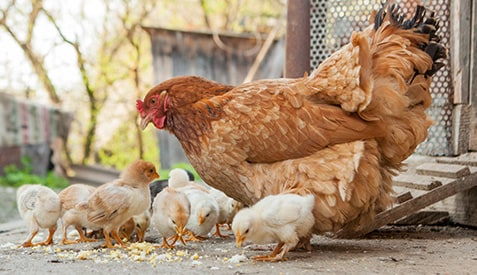
Backyard Poultry and Salmonella
Backyard poultry, like chicken and ducks, can carry Salmonella germs even if they look healthy and clean. These germs can easily spread to anything in the areas where they live and roam.
You can get sick from touching your backyard poultry or anything in their environment and then touching your mouth or food, and swallowing Salmonella germs.
Posted in food bourne outbreak, Food Illness, Food Micro Blog, Food Microbiology, Food Microbiology Blog, Food Microbiology Testing, Foodborne Illness, foodborne outbreak, foodbourne outbreak, Illness, microbial contamination, Microbiological Risk Assessment, Microbiology, outbreak, Salmonella, Salmonella in Chicken


