Category Archives: Foodborne Illness

Research – Inhibition of Clostridium and Detection of Enterotoxigenic Staph.

Wiley Online

Abstract:  Inhibition of Clostridium perfringens spore germination and outgrowth in reduced sodium roast beef by a blend of buffered lemon juice concentrate and vinegar (MoStatin LV1) during abusive exponential cooling was evaluated. Roast beef containing salt (NaCl; 1%, 1.5%, or 2%, w/w), blend of sodium pyro- and poly-phosphates (0.3%), and MoStatin LV1 (0%, 2%, or 2.5%) was inoculated with a 3-strain C. perfringens spore cocktail to achieve final spore population of 2.5 to 3.0 log CFU/g. The inoculated products were heat treated and cooled exponentially from 54.4 to 4.4 °C within 6.5, 9, 12, 15, 18, or 21 h. Cooling of roast beef (2.0% NaCl) within 6.5 and 9 h resulted in <1.0 log CFU/g increase in C. perfringens spore germination and outgrowth, whereas reducing the salt concentration to 1.5% and 1.0% resulted in >1.0 log CFU/g increase for cooling times longer than 9 h (1.1 and 2.2 log CFU/g, respectively). Incorporation of MoStatin LV1 into the roast beef formulation minimized the C. perfringens spore germination and outgrowth to <1.0 log CFU/g, regardless of the salt concentration and the cooling time.

Practical Application:  Cooked, ready-to-eat meat products should be cooled rapidly to reduce the risk of Clostridium perfringens spore germination and outgrowth. Meat processors are reducing the sodium chloride content of the processed meats as a consequence of the dietary recommendations. Sodium chloride reduces the risk of C. perfringens spore germination and outgrowth in meat products. Antimicrobials that contribute minimally to the sodium content of the product should be incorporated into processed meats to assure food safety. Buffered lemon juice and vinegar can be incorporated into meat product formulations to reduce the risk of C. perfringens spore germination and outgrowth during abusive cooling.

Wiley Online

Abstract:  The aim of this study was to investigate the prevalence of enterotoxigenic Staphylococcus aureus in 122 samples, including 60 raw milk, 32 white cheese, 10 kashar cheese, 10 butter, and 10 ice cream samples obtained from Samsun province, Turkey. In this study, S. aureus was detected in 64 samples, including raw milk (45/60; 75%), white cheese (12/32; 37.5%), kashar cheese (3/10; 30%), butter (3/10; 30%), and ice cream (1/10; 10%) samples. A total of 81 isolates were identified as S. aureus by PCR with the presence of 16S rRNA and nuc genes. The presence of genes encoding the staphylococcal enterotoxins (SEs) SEA, SEB, SEC, and SED was detected by multiplex PCR. According to the analysis, seven isolates from the raw milk samples (7/51; 13.7%) were enterotoxigenic; five of them produced SEA (5/7; 71.4%), one produced SEB (1/7; 14.2%), and one produced SEA+SEB (1/7; 14.2%). Four isolates from the white cheese samples (4/21; 19%) produced the SEA (1/4; 25%), SEC (1/4; 25%), SED (1/4; 25%), and SEA+SED (1/4; 25%) toxins. Two isolates from the kashar cheese samples (2/4; 50%) were found to be enterotoxigenic; one produced SEA (1/2; 50%) and the other produced SED (1/2; 50%). One isolate from the butter samples (1/4; 25%) showed enterotoxigenic character (SEB, 1/1; 100%). The products were found to be potentially hazardous to public health because of the fact that levels of contamination were higher than 105–106 cfu/g ml in 39% (25/64, 17 raw milk, 7 white cheese, and 1 butter) of the analyzed samples.
UK – FSA – Sunland and USA Peanut Butter Outbreak Hits UK

FSA

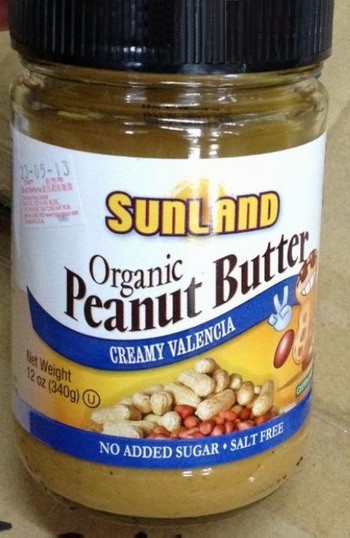
The Food Standards Agency (FSA) is warning consumers not to eat certain peanut butter and peanut-based products which have been imported from the US because of possible contamination with salmonella. Salmonella is a bacterium that causes food poisoning. The Agency has issued a Food Alert for Action.

An outbreak of a strain of salmonella called Salmonella Bredeney in the US has been linked to peanut butter produced by a company called Sunland Inc. As a result, the manufacturer is recalling a wide range of peanut butter and peanut-based products. Other products containing nuts and seeds are also being recalled.

USA – CDC – Multistate Outbreak of E.coli O157:H7 – Spinach

CDCE.coli O157

A total of 28 persons infected with the outbreak strain of Shiga toxin-producing Escherichia coliO157:H7 (STEC O157:H7) have been reported from five states, with most cases in New York.

42% of ill persons have been hospitalized. Two ill persons have developed hemolytic uremic syndrome (HUS), a type of kidney failure, and no deaths have been reported.

The outbreak was initially in New York. More recently, more ill persons in other states have been reported, and the investigation has expanded.

Australia – Tasmanian Scallops PSP and Unsafe Poultry

AFNSalmonella Campylobacter

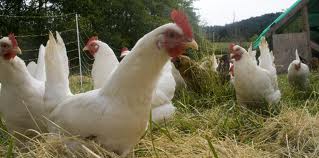
The Food Safety Information Council has released concerning national survey data this week that shows 60% of home cooks in Australia are putting themselves at additional risk of food poisoning from chicken.

The data showed that 60 per cent were at risk from washing whole poultry before it was cooked, which can spread bacteria around the kitchen. A further 16% of those surveyed incorrectly tasted chicken to see if it was cooked properly rather than using a safe meat thermometer.

The focus on cross-contamination of meats by the Food Safety Information Council (FSIC) comes as yesterday marked the start of Australian Food Safety Week. The FSIC week is specifically focusing on chicken and those most affected by food poisoning with the theme “vulnerable populations.”

Food Safety Information Council Chairman, Dr Michael Eyles said that chicken, as Australia’s most popular meat, was consumed by 8 in every ten home cooks.

”Home cooks are probably following what their parents or grandparents did in the past by washing poultry, not to mention probably patting it dry with a tea towel. Washing poultry splashes these bacteria around the kitchen cross contaminating sinks, taps, your hands, utensils, chopping boards and foods that aren’t going to be cooked like salads or desserts,” Dr Eyles said.

“Chicken is a healthy, convenient meal [but] other poultry is also becoming popular with just under half of those surveyed cooking whole turkey and 37% whole duck but these, too, are being washed before cooking, with 68% washing turkey and 74% duck,” he added.

According to a Food Standards Australia New Zealand survey referenced by the Food Safety Information Council, 84 per cent of raw chicken carcasses tested positive to the food poisoning bacteria Campylobacter and 22 per cent to Salmonella.

News Com Au

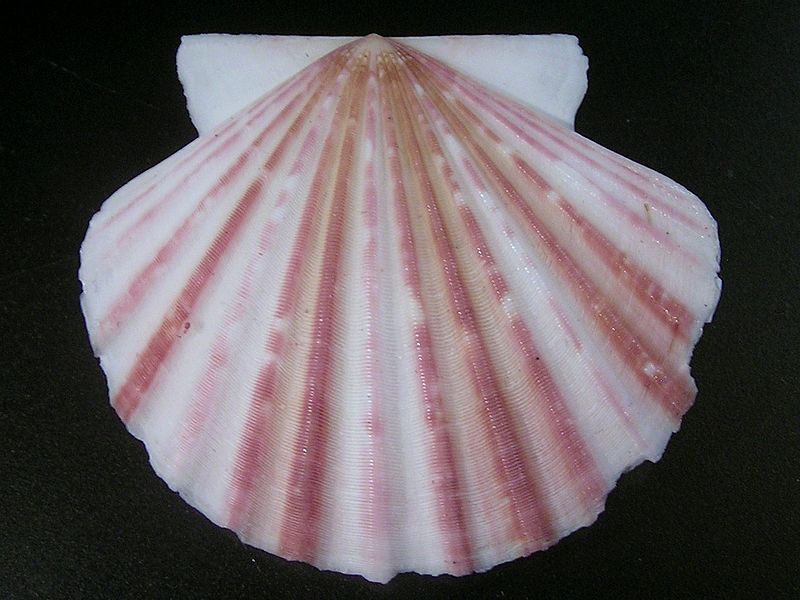
SCALLOPS from the east coast of Tasmania have joined the area’s mussels in being banned following a toxic algal bloom.

A scallop fishery in the White Rock area has been closed after the same paralytic shellfish toxin (PST) found in Spring Bay Seafood’s mussels was detected in samples taken on November 2.

“PST levels in tested scallops are currently either close to or slightly over the permitted level, but it’s possible the level will increase before it goes back down again,” a health department warning said.

The affected shellfish don’t look or taste different and the toxin is not destroyed by cooking or freezing, but there have been no reports of illness.

European Alerts – Salmonella, Listeria, Vibrio

RASFF – Salmonella in Frozen Beef Fat in Italy sourced in Lithuania

RASFF – Salmonella in Mussels in Italy sourced in Spain.

RASFF – Listeria monocytogenes in Radish Sprouts in Germany sourced in Italy.

RASFF– Listeria welshimeri in Alfalfa Sprouts in Germany sourced in the Netherlands

RASFF – Salmonella, Vibrio parahaemolyticus, Vibrio vulnificans in Frozen Shrimps in Denmark sourced in Panama

Denmark – Salmonella in Salad in Denmark 


UK – Restaurant Implicated in Campylobacter Cases

The Telegraph

Two customers at Blanc Brasserie, in Covent Garden, London, were left ill after eating pink lamb’s liver which was not cooked thoroughly enough, a court has been told. The restaurant has now been banned from serving the dish, after failing to heed a warning from council environmental health officers, Westminster Magistrates’ Court heard. The food had “presented an imminent risk of injury to health because the process of cooking”, the court was told. Blanc Brasseries will now pay £3,103 in costs and have confirmed they will comply with the order, as a spokeswoman said they were unable to cook the liver to council standards without compromising on taste.

“Brasserie Bar Co has not contested the EHO enforcement and will no longer serve liver in any of its restaurants,” she said.

Armenia – Clostridium botulinum Incidents 2012

NEWSAM 

Total of 11 cases of botulism were registered during the 11 months of this year with 17 poisoned people out of which two ended fatally, Sanitary-Epidemiological Service at the Armenian Healthcare Ministry informed Armenian News Am. Two of the poisoned persons were children. The poisoning cases were registered in Yerevan, as well as in Shirak, Ararat, Armavir, Lori and Tavush regions of Armenia. As a matter of fact, 19 cases of botulism were registered last year with 30 poisoned people, 3 of whom died.

To avoid the poisoning, the Ministry warns again not to prepare canned food at home, or at least to boil it for up to 30 minutes before consumption.

USA – Recall – Smoked Salmon – Listeria monocytogenes

Food Poisoning Bulletin

Spence & Co. of Massachusetts is recalling New York-Style Nova Lox in 4 ounce packages with code/lot number 9720704 because it may be contaminated with Listeria monocytogenes. The recall affects a total of 1,563 packs of the product. Two people may have been stricken with listeriosis associated with the consumption of this product.

UK – London – Norovirus Outbreak

London Evening Standard

A Primrose Hill school was closed today after more than 200 pupils and 15 members of staff were struck down with the contagious Norovirus.

Health inspectors ruled the winter vomiting bug was present at North Bridge House Preparatory School. The building in Gloucester Avenue was being cleansed today amid fears the virus could spread to the school’s other buildings.

In a letter sent to parents, headteacher Brodie Bibby said the school was “afflicted by a particularly unpleasant virus.”

Any children showing signs of sickness were told to be kept at home by parents, she wrote – adding that any children still well enough were invited to attend a planned performance of Swan Lake tomorrow night.

She added that “a specialist team will clean the entire school with anti-viral sprays and use air-based products.”

One parent told a local newspaper that his daughter “suddenly turned white and projectile vomited all over her bedroom” after being struck down with the illness this week.

North Bridge House, which also has a nursery school, a junior and a senior school at different sites in Camden, will reopen on Monday.

USA – Updated Warning About Shellfish – PSP

Food Poisoning Bulletin

The California Department of Public Healthis adding sport-harvested clams and whole scallops to the list of Del Norte County bivalve shellfish that consumers should avoid. This warning is in addition to the annual mussel quarantine that was extended on October 31, 2012 to include Del Norte and Humboldt counties. The shellfish contain dangerous levels of paralytic shellfish poisoning toxins (PSP).

The warning does not apply to commercially sold clams, mussels, scallops, or oysters from approved sources. These shellfish are subject to frequent mandatory testing by the state government.

PSP toxins affect the central nervous system, producing a tingling around the mouth and fingertips. Then, symptoms include a loss of balance, loss of muscular coordination, slurred speech, and difficulty swallowing. These symptoms can appear within a few minutes to a few hours after eating the toxic shellfish. In some cases, complete muscular paralysis and death from asphyxiation can occur. Cooking does not destroy the toxin. For more information, see the CDPH Marine Biotoxins Frequently Asked Questions page