Brand : Bartolini Carni
Name : seasoned sausage
Reason for reporting : Recall due to microbiological risk
Publication date : 31 October 2022


Brand : Bartolini Carni
Name : seasoned sausage
Reason for reporting : Recall due to microbiological risk
Publication date : 31 October 2022
Recall of Carrefour
Products: “Smoked Mackerel 300 g” and “Smoked Mackerel Heart 150 g” from the Carrefour brand.
Problem: Possible presence of Listeria monocytogenes.
Following a check and in order to guarantee consumer safety, CARREFOUR is asking to withdraw from the market the products “Smoked Mackerel 300 g” and “Heart of Smoked Mackerel 150 g” of the Carrefour brand, sold in the fishmonger’s department of certain Carrefour stores and Mestdagh in Belgium and recalls them to consumers following the possible presence of listeria.
Product description:

Name: Smoked Mackerel 300 g
Brand: Carrefour
EAN code: 5400101075603 Best before
date: 7/11/2022
Batch numbers: all batch numbers containing “1310”
(Examples: L221310, L 1310 or 131023)
Name: Heart of smoked mackerel 150G
Brand: Carrefour
EAN code: 5400101075610 Use-
by date: 5/11/2022
Batch numbers: all batch numbers containing “1310” (Example: L221310, L 1310 of 131023)
The set products has been withdrawn from sale. Some of these products were, however, marketed on the Belgian market before the withdrawal measure. It is therefore recommended that people who hold the products described above do not consume them and destroy them or bring them back to the point of sale where they will be refunded to you.
People who have consumed the products mentioned above and who have a fever, isolated or accompanied by headaches, are invited to consult their doctor and report this consumption. These symptoms may be aggravated in young children, immunocompromised subjects and the elderly. These symptoms may suggest listeriosis, a disease with an incubation period of up to eight weeks.
For any additional information , you can contact Carrefour Belgium customer service by dialing the free number 0800.9.10.11 , from 8:30 a.m. to 8:00 p.m., Monday to Saturday.
We apologize to our customers for the inconvenience.
Posted in afsca, food contamination, food handler, Food Hazard, Food Hygiene, Food Inspections, Food Micro Blog, Food Microbiology, Food Microbiology Blog, Food Microbiology Testing, Food Pathogen, food recall, Food Safety, Food Safety Alert, Food Safety Management, Food Testing, Listeria, Listeria monocytogenes
Friday, 28 October 2022
| Summary | |
|---|---|
| Category 2: | For Information |
| Alert Notification: | 2022.65 |
| Product: | Clearspring Organic Wholegrain Rice Cakes – Lightly Salted; pack size: 12 x 130g |
| Batch Code: | R22176B, best before date: 26/06/2023;
R22181B, best before date: 01/07/2023; |
| Country Of Origin: | Belgium |
The above batches of Clearspring Organic Wholegrain Rice Cakes are being recalled due to an elevated level of aflatoxin B1 in the rice used to produce the batches.
Recall notices will be displayed at point-of-sale.

Posted in Aflatoxin, Aspergillus Toxin, food contamination, food handler, Food Hazard, Food Hygiene, Food Inspections, Food Micro Blog, Food Microbiology, Food Microbiology Blog, Food Microbiology Testing, Food Poisoning, food recall, Food Safety, Food Safety Alert, Food Safety Management, Food Testing, Food Toxin, FSAI, Mold Toxin, Mould Toxin, Mycotoxin
Halva with pistachios
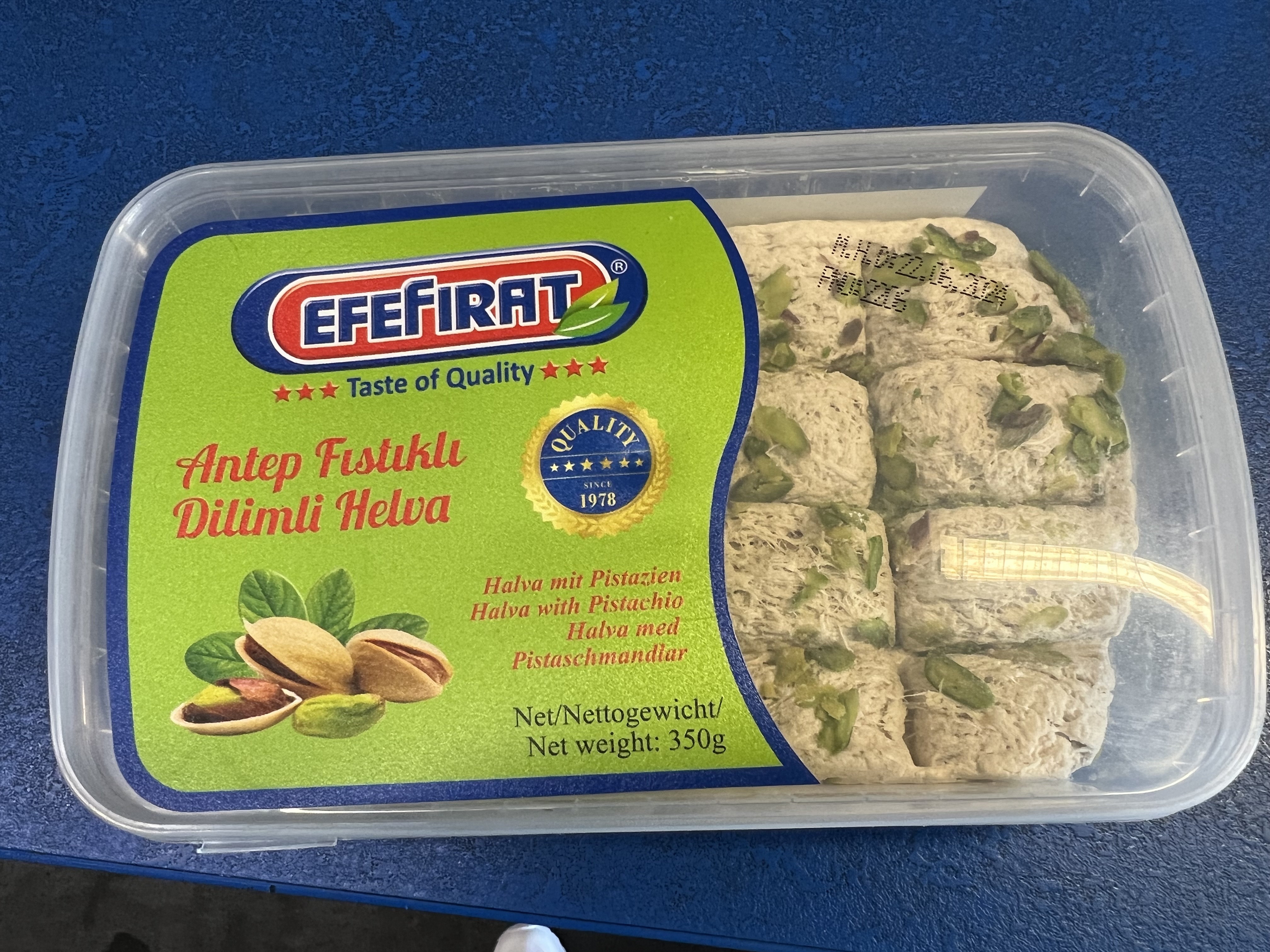
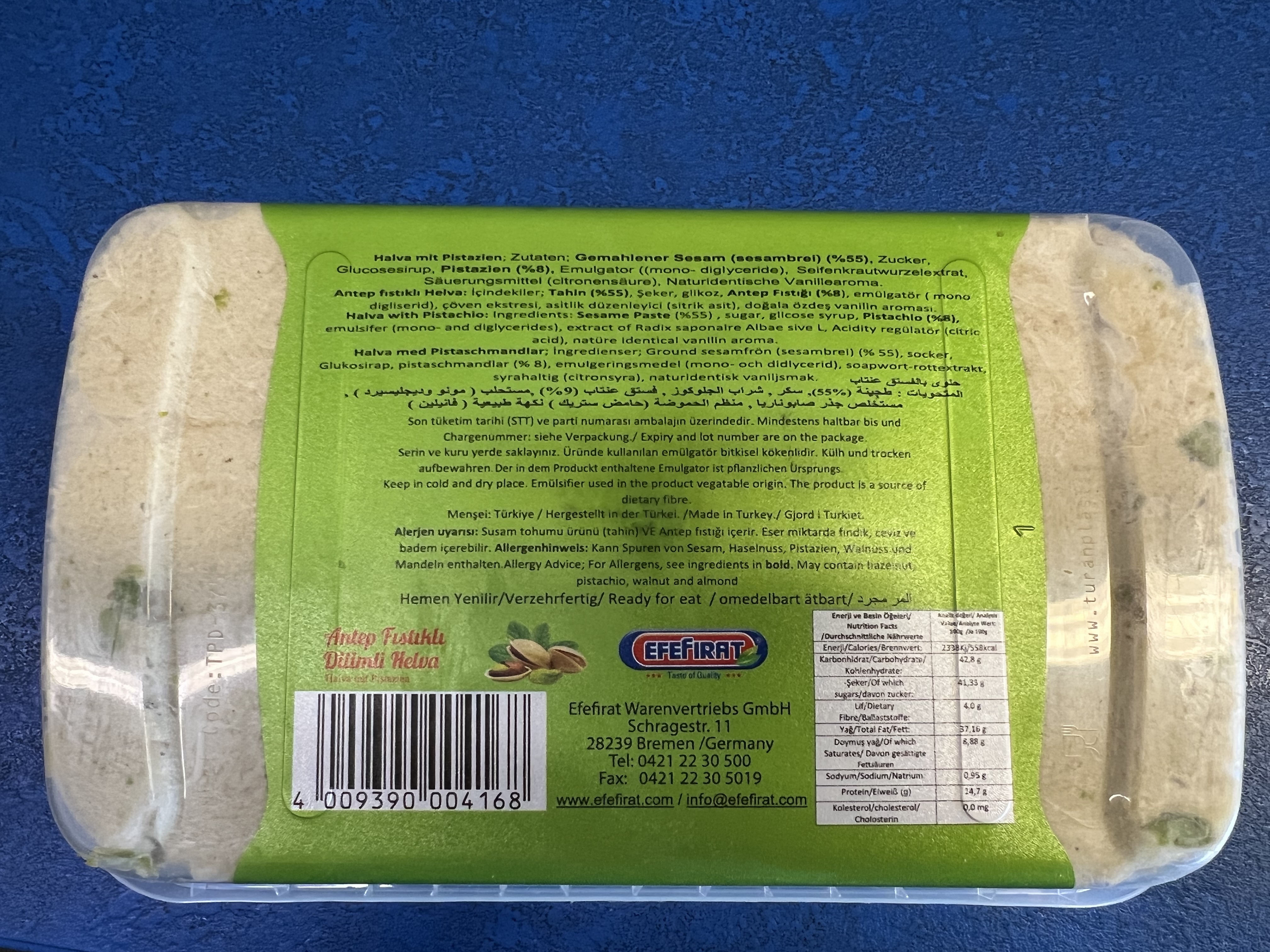
Efefirat Warenvertriebs GmbH Schragestr. 11 28239 Bremen
Salmonella was found in the product
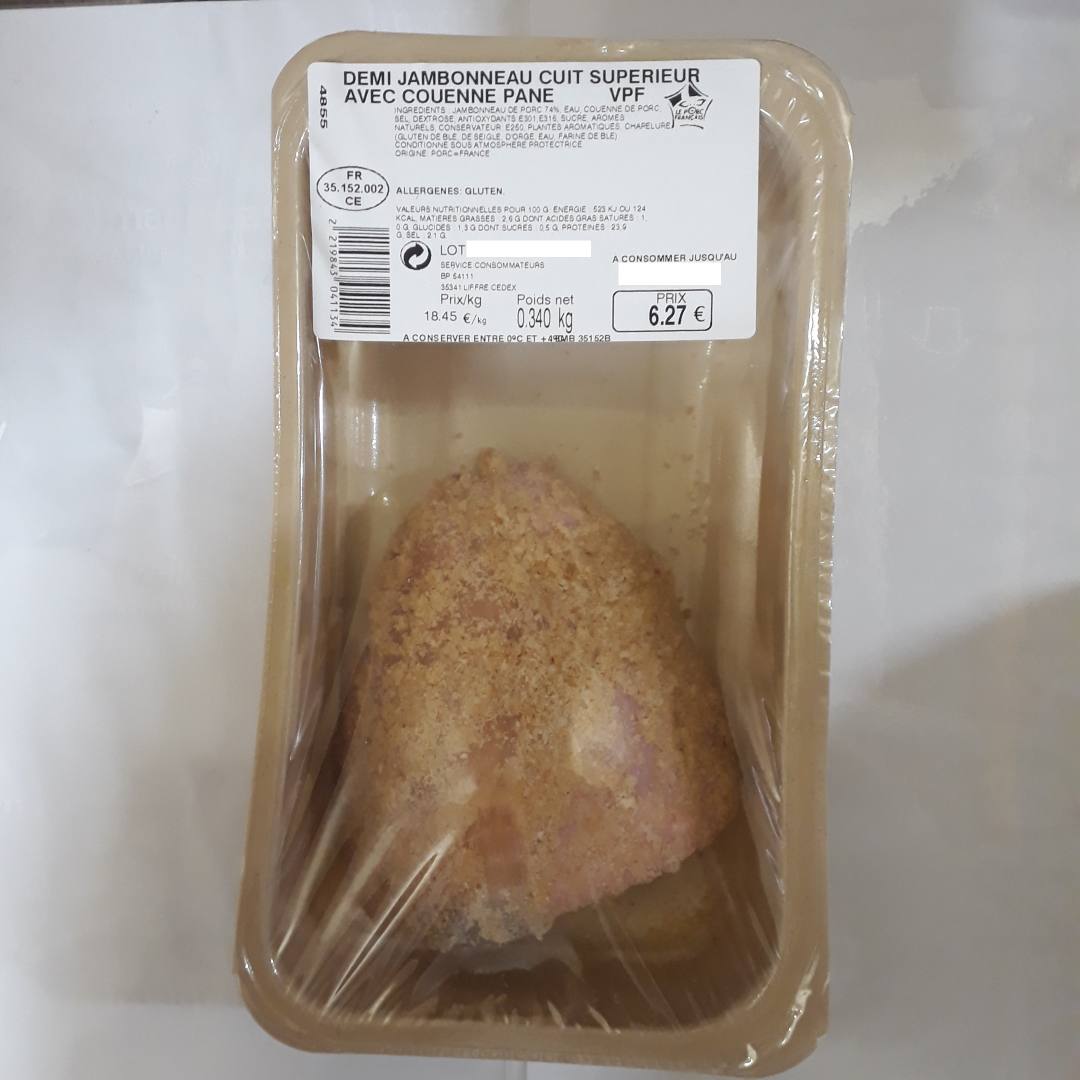
| GTIN | Batch | Date |
|---|---|---|
| 3363710000850 | 2660124855 | Use-by date 10/17/2022 |
Interpretation of whole-genome sequencing (WGS) data for foodborne outbreak investigations is complex, as the genetic diversity within processing plants and transmission events need to be considered. In this study, we analyzed 92 food-associated Listeria monocytogenes isolates by WGS-based methods. We aimed to examine the genetic diversity within meat and fish production chains and to assess the applicability of suggested thresholds for clustering of potentially related isolates. Therefore, meat-associated isolates originating from the same samples or processing plants as well as fish-associated isolates were analyzed as distinct sets. In silico serogrouping, multilocus sequence typing (MLST), core genome MLST (cgMLST), and pangenome analysis were combined with screenings for prophages and genetic traits. Isolates of the same subtypes (cgMLST types (CTs) or MLST sequence types (STs)) were additionally compared by SNP calling. This revealed the occurrence of more than one CT within all three investigated plants and within two samples. Analysis of the fish set resulted in predominant assignment of isolates from pangasius catfish and salmon to ST2 and ST121, respectively, potentially indicating persistence within the respective production chains. The approach not only allowed the detection of distinct subtypes but also the determination of differences between closely related isolates, which need to be considered when interpreting WGS data for surveillance.
Posted in food contamination, food handler, Food Hazard, Food Hygiene, Food Inspections, Food Micro Blog, Food Microbiology, Food Microbiology Blog, Food Microbiology Research, Food Microbiology Testing, Food Pathogen, food recall, Food Safety, Food Safety Alert, Food Safety Management, Food Testing, Listeria, Listeria monocytogenes, MLST, Research, WGS

| Summary | |
|---|---|
| Category 1: | For Action |
| Alert Notification: | 2022.64 |
| Product: | Glenhaven Deli Style Premium Breaded Chicken Goujons (frozen); pack size: 1Kg |
| Batch Code: | 22273B, best before end: Dec 2023;
22276B, best before end: Jan 20224 |
| Country Of Origin: | Ireland |
The above batches of Glenhaven Deli Style Premium Breaded Chicken Goujons are being recalled due to the presence of Salmonella. Point-of-sale recall notices will be displayed in stores supplied with the implicated batches.
People infected with Salmonella typically develop symptoms between 12 and 36 hours after infection, but this can range between 6 and 72 hours. The most common symptom is diarrhoea, which can sometimes be bloody. Other symptoms may include fever, headache and abdominal cramps. The illness usually lasts 4 to 7 days. Diarrhoea can occasionally be severe enough to require hospital admission. The elderly, infants, and those with impaired immune systems are more likely to have a severe illness.
Retailers are requested to remove the implicated batches from sale and display recall notices at point of sale.
Consumers are advised not to eat implicated batches.
Spending time with family while baking is a great way to celebrate special occasions. When making cookies, brownies, cakes, or bread, you might be tempted to taste a bite before it’s fully baked.
But you can get sick after eating or tasting raw (unbaked) dough or batter. Children can get sick from handling or eating raw dough used for crafts or play clay, too. Follow these safety tips to help you and your loved ones stay healthy when preparing and handling raw dough.
Flour doesn’t look like a raw food, but most flour is raw. That means it hasn’t been treated to kill germs that cause food poisoning, such as Escherichia coli (E. coli). These harmful germs can contaminate grain while it’s still in the field or flour while it’s being made. Steps like grinding grain and bleaching flour don’t kill harmful germs—and these germs can end up in flour or baking mixes you buy at the store. You can get sick if you eat unbaked dough or batter made with flour containing germs. Germs are killed only when food made with flour is baked or cooked.
CDC investigated outbreaks of E. coli infections linked to raw flour or cake mix in 2016, 2019, and 2021. Some of these investigations led to recalls. Flour and baking mixes containing flour have long shelf lives, meaning they do not go bad quickly. It’s a good idea to check your pantry to see if you have any flour or baking mixes that have been recalled in recent years (search FDA’s recall listexternal icon). If you have any recalled flour or baking mixes, throw them away.
Raw eggs are another ingredient in dough and batter that can make you or your loved ones sick. Raw or lightly cooked eggs can contain Salmonella, a germ that causes food poisoning. Find out how to handle and cook eggs properly.
Some companies make edible cookie dough and brownie batter that you can find in stores. These products are made with heat-treated flour and pasteurized eggs or no eggs. Read the label carefully to make sure the dough is meant to be eaten without baking or cooking.
Follow these practices to prevent food poisoning when you are baking and cooking with flour and other raw ingredients.
Posted in Decontamination Microbial, E.coli, Food Micro Blog, Food Microbiology, Food Microbiology Blog, Food Microbiology Research, Food Microbiology Testing, Food Safety, Food Safety Alert, Food Safety Management, food safety training, microbial contamination, Microbial growth, Microbiological Risk Assessment, Microbiology, Microbiology Investigations, Microbiology Risk, Salmonella
Brand : CASARRIGONI
Name : RAW MILK TALEGGIO DOP
Reason for reporting : Recall due to microbiological risk
Publication date : 27 October 2022
Posted in E.coli O26, food contamination, food handler, Food Hazard, Food Hygiene, Food Inspections, Food Micro Blog, Food Microbiology, Food Microbiology Blog, Food Microbiology Testing, Food Pathogen, Food Poisoning, food recall, Food Safety, Food Safety Alert, Food Safety Management, Food Testing, Food Toxin, STEC, STEC E.coli


| Batch | ||
|---|---|---|
| packaging date between 21/10 and 26/10/2022 | ||
Posted in food contamination, food handler, Food Hazard, Food Hygiene, Food Inspections, Food Micro Blog, Food Microbiology, Food Microbiology Blog, Food Microbiology Testing, Food Pathogen, food recall, Food Safety, Food Safety Alert, Food Safety Management, Food Testing, Listeria, Listeria monocytogenes


